| Author |
 Replies: 12 / Views: 1,214 Replies: 12 / Views: 1,214 |
|
|
New Member
United States
20 Posts |
A friend asked me to send in this post requesting available information as to this nickel of unusual weight and size and why it has reeds and what looks like die cracks. Weight: 4.3 g Diameter: 18 mm Thanks for shedding light - thoughts and ideas, Polly 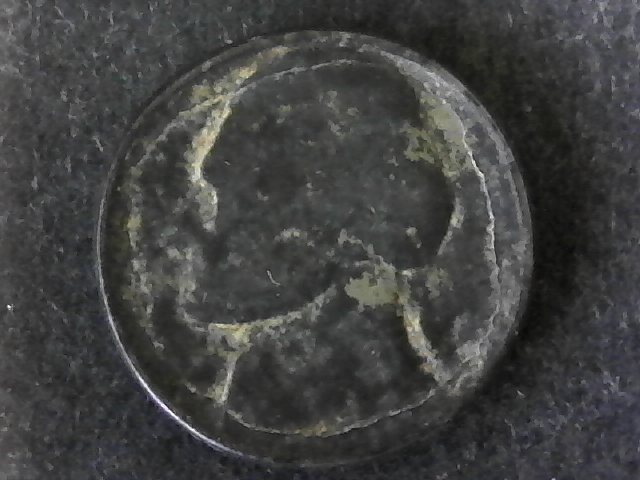 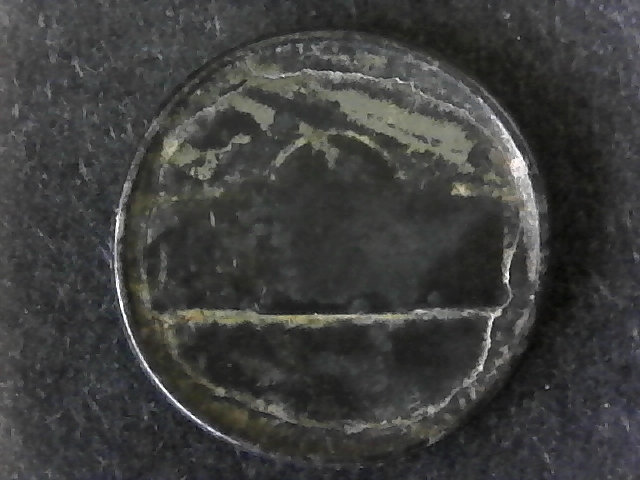 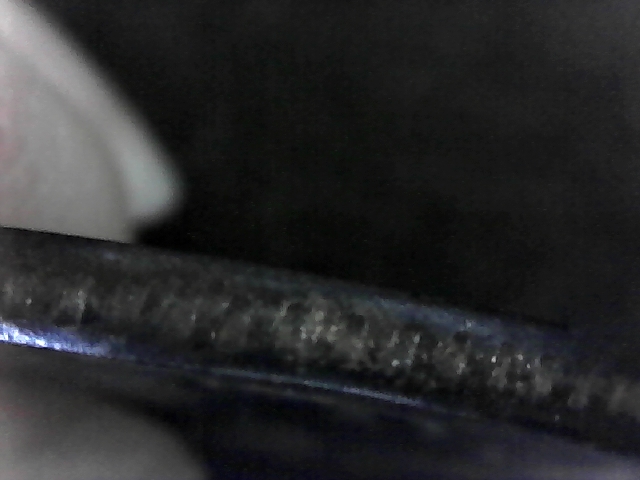 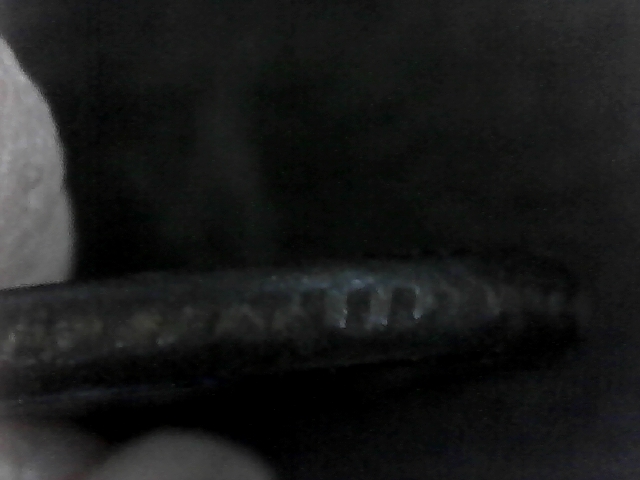 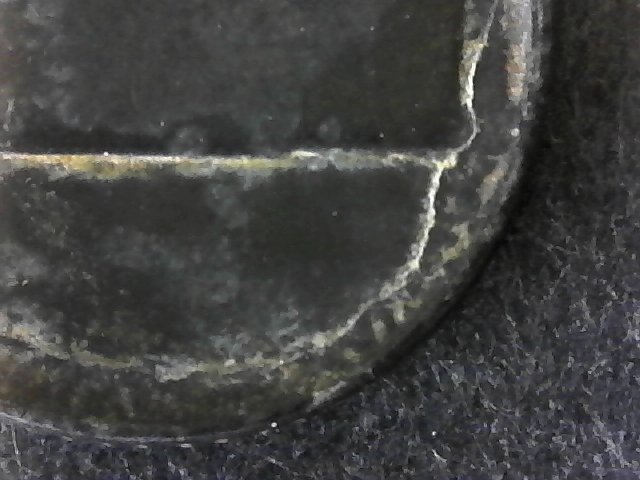 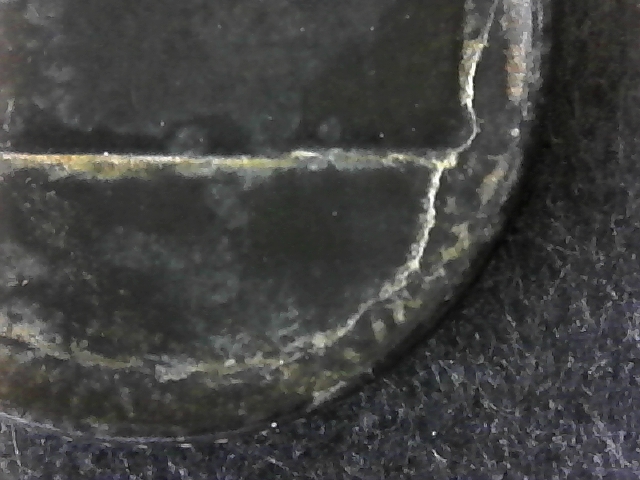 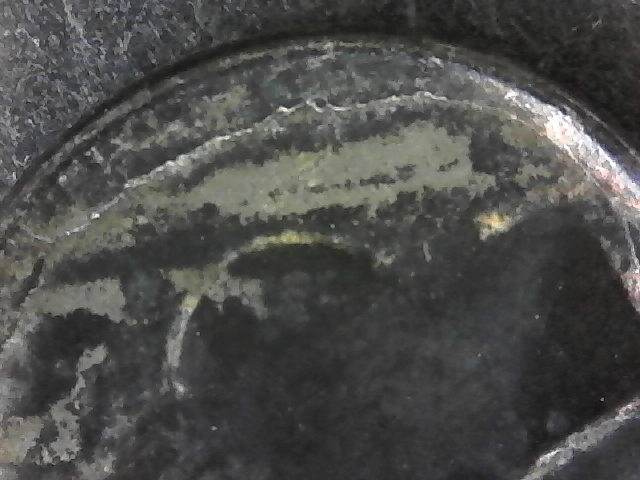 |
|
|
|
Moderator
 United States
34538 Posts |
Looks heavily mechanically-damaged to me, with the rims rolled over onto the faces of the coin.
"If you climb a good tree, you get a push."
-----Ghanaian proverb
"The danger we all now face is distinguishing between what is authentic and what is performed."
-----King Adz
|
|
Pillar of the Community
 United States
2000 Posts |
Appears to be a Dryer Coin. or maybe some other kind of damage. Either way, PMD |
|
Bedrock of the Community
United States
19533 Posts |
|
|
Bedrock of the Community
United States
78484 Posts |
Errers and Varietys.
Edited by Errers and Varietys
09/13/2024 10:00 pm
|
|
Bedrock of the Community
United States
10601 Posts |
Yes, a classic example of a Dryer Coin! Keep it for a comparison coin. |
|
New Member
United States
13 Posts |
Yes but,-- if it is a Dryer Coin why is the edge not smooth. The edge looks reeded. Could it be on a foreign coin planchet? This could b a stupid question, I'm novice when it comes to errors. |
|
Bedrock of the Community
United States
10601 Posts |
Quote:
why is the edge not smooth. The edge looks reeded That's the fun part of numismatics - some questions will never be answered but only speculations will remain. |
|
New Member
 United States
20 Posts |
Well thanks for all the input. Did any of you consider the difference in weight? Or the fact that it is the diameter is the same as a penny. I have handled this coin and the edges are normal going into the rim. I did consider Dryer Coins and have looked at several sites but I still don't understand your response to the issue of a non smooth rim. Dryer typically leaves coins with smooth rims - not. No explanation for the "cracks"? Given the weight and the size, I really thought it might be a planchet issue. Thanks very much for your time - truly appreciated. Polly |
|
Moderator
United States
56855 Posts |
It is PMD. My thought is a major Dryer Coin but who really knows how it became PMDed. John1  |
|
Pillar of the Community
United States
6880 Posts |
The proportions on Monticello are way wrong. I agree that it is similar to a Dryer Coin in that the outer edges have been smashed inward. It would have to be methodical and gradual, as one huge squeeze on each dimension would mangle the coin. The ring on each side is reminiscent of the thin metal apron that develops on nickels that are repeatedly scraped through slots. I almost wonder if someone didn't file or hammer down a Dryer Coin in an attempt to make it fit through slots again. The edge ridges are a bit irregular. It makes me think that those are where the coin was squeezed in a vice. Why? No idea. But there was almost certainly a method to the madness, even if the motivation was something as pointless as boredom. A better starting point might be the question: what is this diameter (and possibly 4.3g) that is useful for a particular purpose? For example, is there a foreign currency, particularly in a U.S. occupied place, where this slug could have been substituted into a vending machine for a more expensive local coin? |
|
Bedrock of the Community
United States
94367 Posts |
Good discussion.  to the CCF! |
|
Moderator
United States
105745 Posts |
Well, I think that Brand has the most probable explanation so far..
|
| |
Replies: 12 / Views: 1,214 |
|






 Posted 09/13/2024 9:31 pm





