| Author |
 Replies: 29 / Views: 2,069 Replies: 29 / Views: 2,069 |
|
Pillar of the Community
United States
986 Posts |
I've examined too many coins to count. Never seen one with measurably (1-2 mm) thick oxidation damage from rim to rim in a band like this one. Any of the copper coin chemists know what would cause oxidation damage that is so well defined and contained to this narrow strip on the coin? Has it been damaged, contaminated or is there something else causing such a severe reaction in such a well defined space on the coin? I am also curious if someone had the motive and tools they could intentionally recreate damage like this? I imagine it takes a long time for oxidation to naturally form? Is it possible this oxidation started to form in 1975? Thank you in advance and any information is appreciated. I didn't disturb this strip to see what is underneath. It is a visually amazing coin as is! 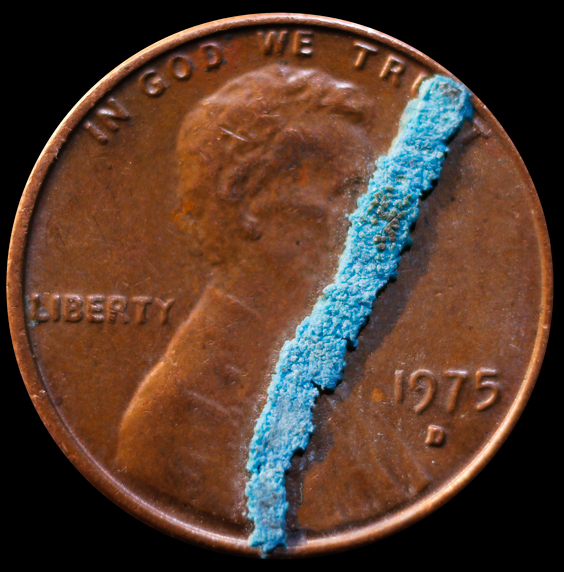 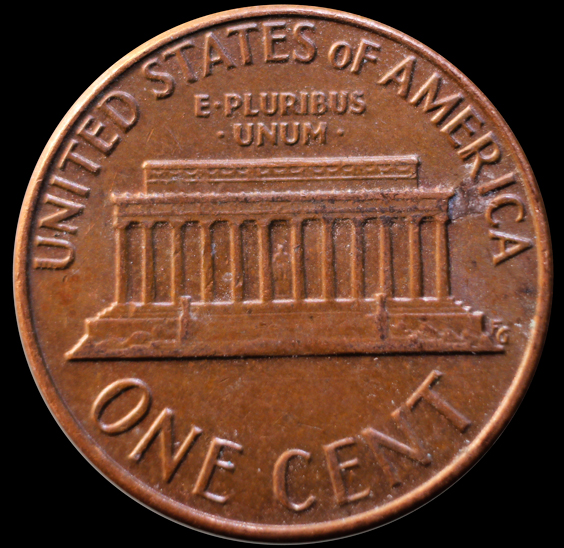 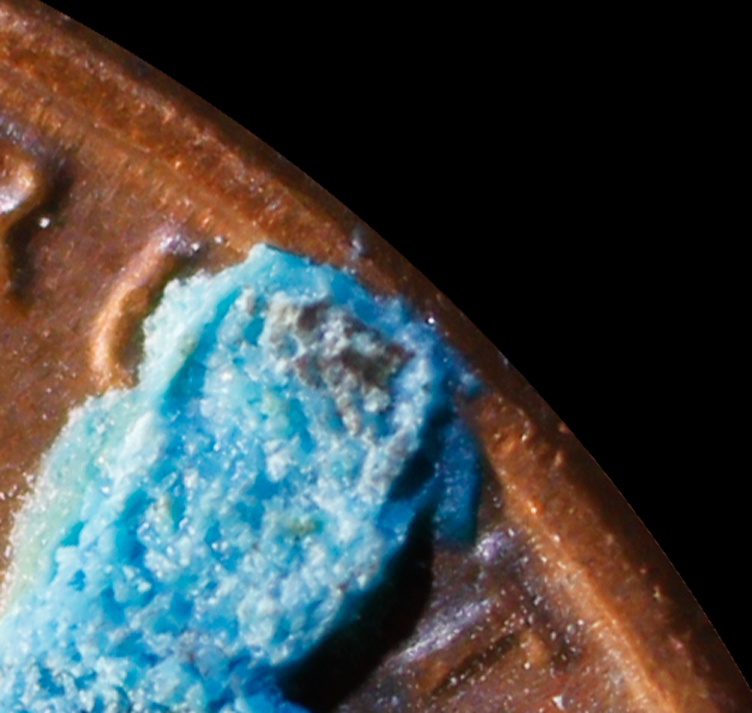 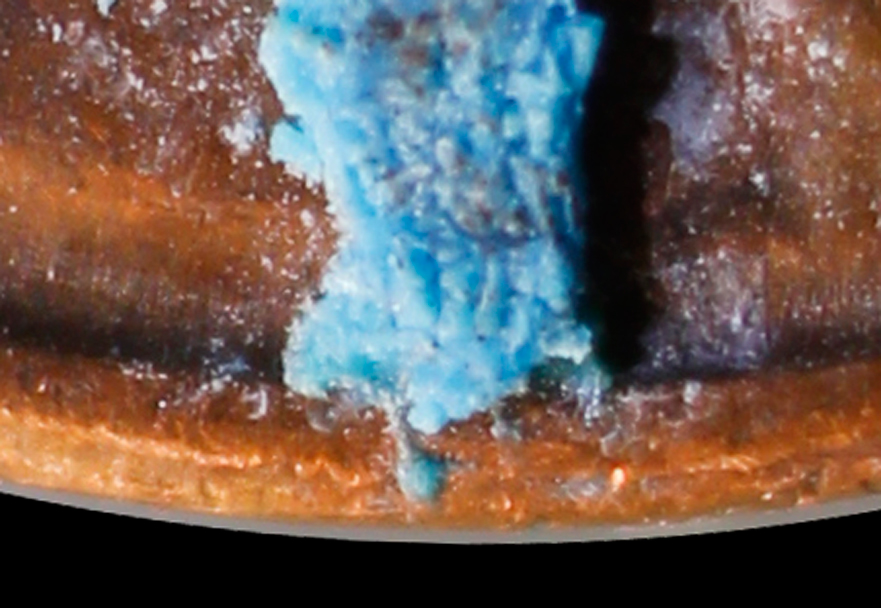 "We are all flawed, some MD and some PMD." NYI |
|
|
|
Pillar of the Community
United States
1791 Posts |
It reminds me of the positive battery terminal of a car. If sulfuric acid sat on it, I suppose it could look like that.
|
|
Pillar of the Community
United States
1295 Posts |
To me it looks like at some point went through the washing machine. I do wonder what is underneath it.
|
|
Pillar of the Community
 United States
5866 Posts |
I'm with Seeker101 about the positive battery terminal.
(I just had to clean a very thick deposit from around the terminal on my wife's car battery on Sat.)
Words of encouragement are one of the major food groups.
We need to consume them regularly to thrive and grow.
|
|
Bedrock of the Community
United States
19506 Posts |
Don't see this every day. Wondering what the weight is. A long angle photo might be interesting to see.
|
|
Pillar of the Community
 United States
8956 Posts |
-makecents-
Edited by -makecents-
12/02/2024 08:19 am
|
|
Bedrock of the Community
United States
94367 Posts |
Almost a piece oof art, like a banana duct-taped to the wall.
|
|
Moderator
United States
105090 Posts |
|
|
Moderator
United States
194400 Posts |
Yikes! Keep that away from the good coins!  |
|
Pillar of the Community
United States
2887 Posts |
Nice little petri dish you got there!  |
|
Pillar of the Community
United States
3535 Posts |
Cool looking chemical reactive coin there.
|
|
Bedrock of the Community
United States
78171 Posts |
Pretty neat corrosion.
Errers and Varietys.
|
|
Pillar of the Community
United States
1502 Posts |
Cool! Looks like Hydrozincite ( https://www.error-ref.com/split-plating/) last image. From the AI, web, wikipedia: Hydrozincite, also known as zinc bloom or marionite, is a white carbonate mineral consisting of Zn5(CO3)2(OH)6. It is usually found in massive rather than crystalline form. It occurs as an oxidation product of zinc ores and as post mine incrustations. It occurs associated with smithsonite, hemimorphite, willemite, cerussite, aurichalcite, calcite and limonite. While pure zinc carbonate is typically white in appearance, the mineral form of zinc carbonate, called "smithsonite," can sometimes exhibit a blue color, particularly when trace elements like copper are present, making it a "blue-green" or vibrant blue in certain specimens; essentially, the "blue" association with zinc carbonate is primarily related to the mineral smithsonite and its color variations depending on impurities. Key points about zinc carbonate and blue: Mineral form: The mineral "smithsonite" is the natural form of zinc carbonate (ZnCO3) and can display a range of colors including blue, green, brown, and white depending on impurities. Copper influence: Blue or green hues in smithsonite are often caused by the presence of copper as a trace element. Appearance of pure zinc carbonate: In its pure form, zinc carbonate is usually white. |
|
Bedrock of the Community
United States
10601 Posts |
|
|
Pillar of the Community
United States
1791 Posts |
Here's why I mentioned a car battery and sulfuric acid.
From Continental Battery:
" As your battery runs, the sulfuric acid releases hydrogen gas. The gas then mixes with the air around it. The chemical reaction that takes place as hydrogen gas collides with the air, moisture and salt causes corrosion.
Leaking fluid. If your battery is cracked or damaged, battery acid can leak from the casing and cause corrosion around the battery terminals."
Leaking Fluid was one of 3 reasons they gave for corrosion.
|
|
Pillar of the Community
United States
6877 Posts |
I'm in the battery acid camp, or something similarly noxious.
|
| |
Replies: 29 / Views: 2,069 |






 Posted 12/02/2024 04:32 am





