|
This page may contain links that result in small commissions to keep this free site up and running.

Welcome Guest! Registering and/or logging in will remove the anchor (bottom) ads and the security checks. It's Free!
To participate in the forum you must log in or register. | Author |
 Replies: 66 / Views: 4,768 Replies: 66 / Views: 4,768 |
|
Valued Member
United States
106 Posts |
A series I love. One of my favorites! Imagine...existing during this time? The Grosso was imitated throughout different countries & Empires like: Bulgaria, the Byzantine Empire, Serbia, and more. The design features Christ on the ObverseReverse: Present Doge of that Period in Venice / St. Mark
Variations of this coin circulated throughout the medieval times and the most strikingly different example is the one of Doge Antonio Venier. 66th Doge of Venice from 1382 until his death in 1400.. Mules of this beautiful issue do exist, as do many variations large and small in diameter and size, and one of my favorite "Lost" series to collect all-together. These beautiful issues sadly, will never appear again, and once you have them, you own them forever. All hammer struck. Another take to the grave piece. Let's have some fun. I envy those with high grade Grossos, as I cannot find one high-grade example that I am pleased with. Especially, at a fair price. However, all of these shown have beautiful character. Wait until the NGC XF45 pops up. Jacopo Contarini Grosso Doge & St. Mark / Christ Enthroned on Reverse *I posted some in the order of Reverse first, Christ by himself. The Antonio Venier examples are Reverse posted first.Jacopo Contarini, born in Venice in 1289, embarked on his educational journey around the age of 20, likely enrolling in one of the renowned universities such as Bologna. During his early years of study, he focused on Latin, philosophy, and theology, preparing himself for a future in public service and Venetian politics. Coming from a noble family, Jacopo's education aimed to equip him with the knowledge and skills necessary to serve Venice's growing political and diplomatic ambitions. His formative years coincided with Venice's expansion as a powerful maritime republic, inspiring his aspirations to play a significant role in shaping the city's future leadership. *My first Grosso. I paid up for it, as I didn't know, but truthfully this coin has luster of AU but details of VF/ Good in areas. It's beautiful in hand. The Doge and St. Mark especially. 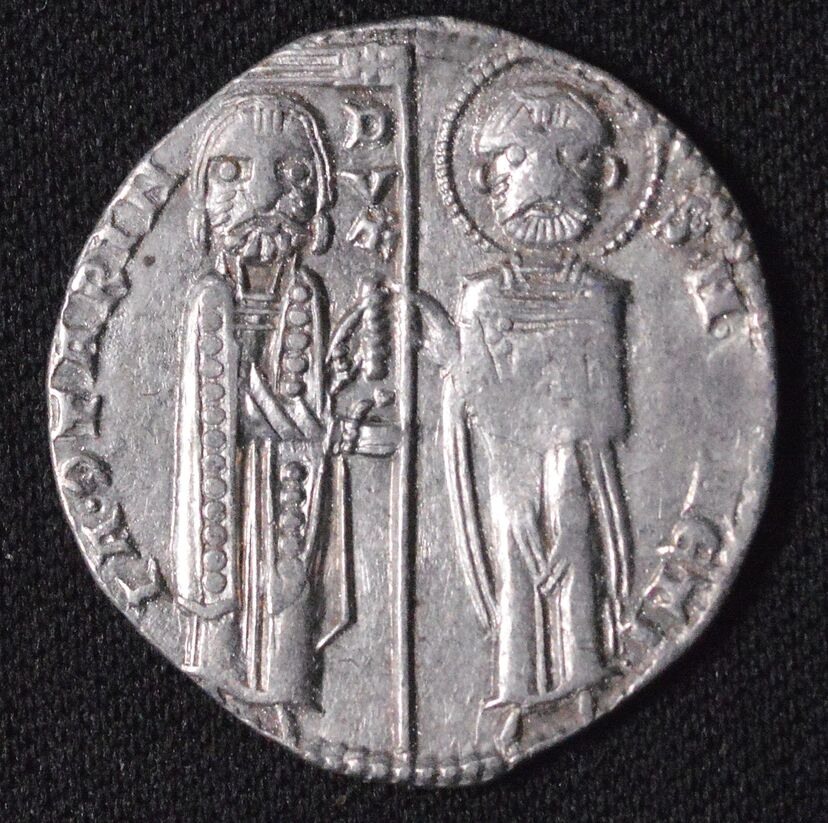 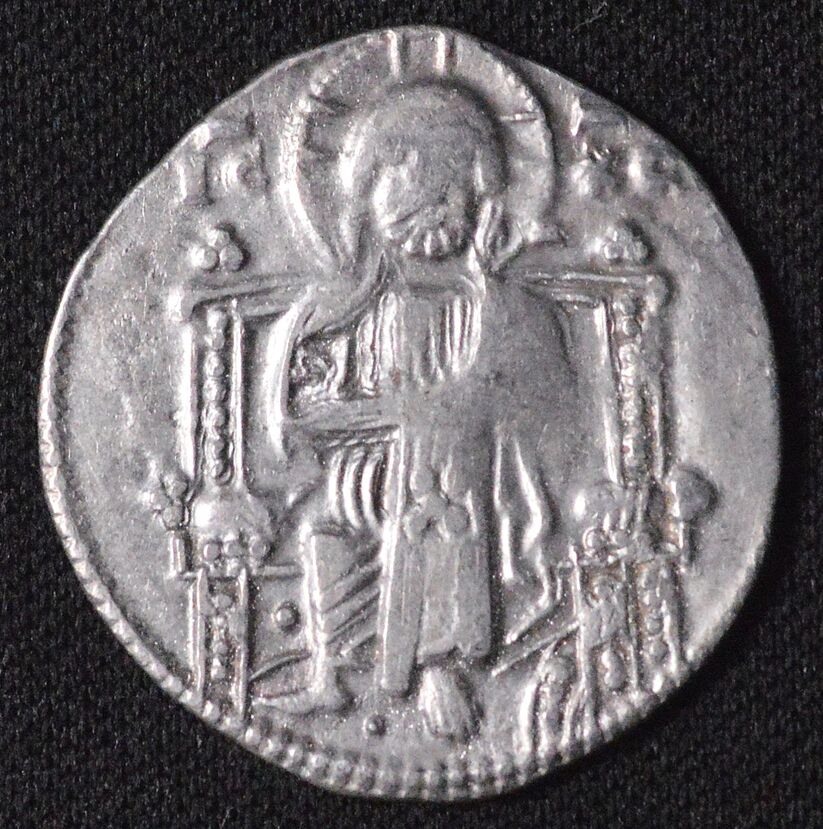 Next up: Pietro Gradenigo, Doge & St. Mark (1289 to 1311)Pietro Gradenigo, born in Venice in 1289, began his journey as a student around the age of 20, enrolling in one of the leading medieval universities such as Bologna. During his early years of study, he immersed himself in Latin, philosophy, and theology, laying the groundwork for a future career in Venetian politics and diplomacy. Growing up in a prominent noble family, Pietro's education was driven by ambitions to serve his city-state, Venice, as a statesman and leader. His formative years in academia coincided with a period of political growth and expansion for Venice, shaping his aspirations to contribute significantly to his homeland's influence and stability. 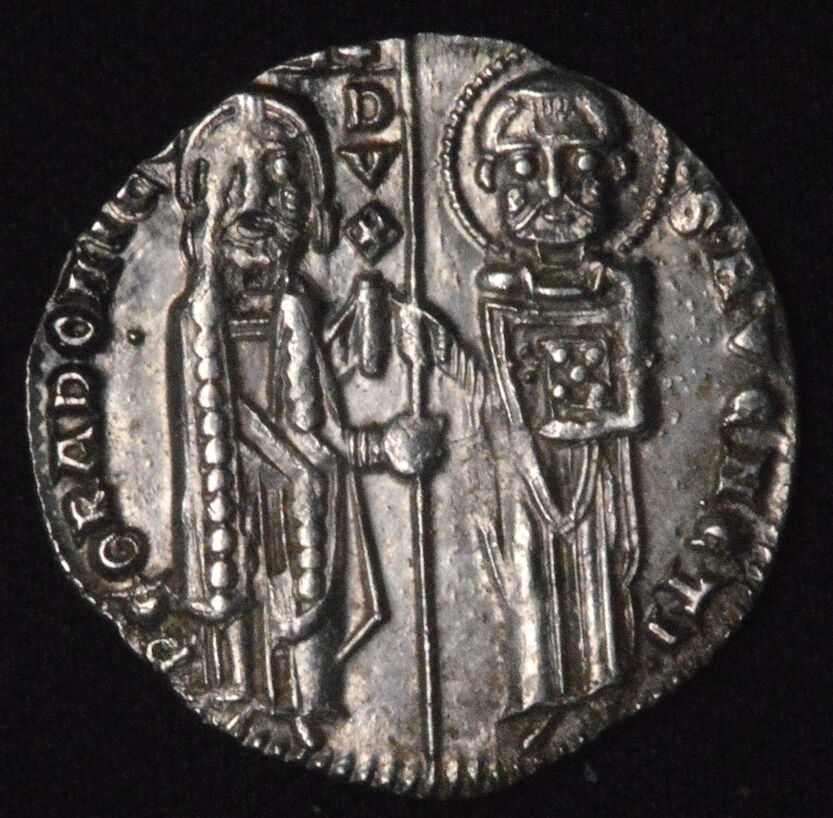 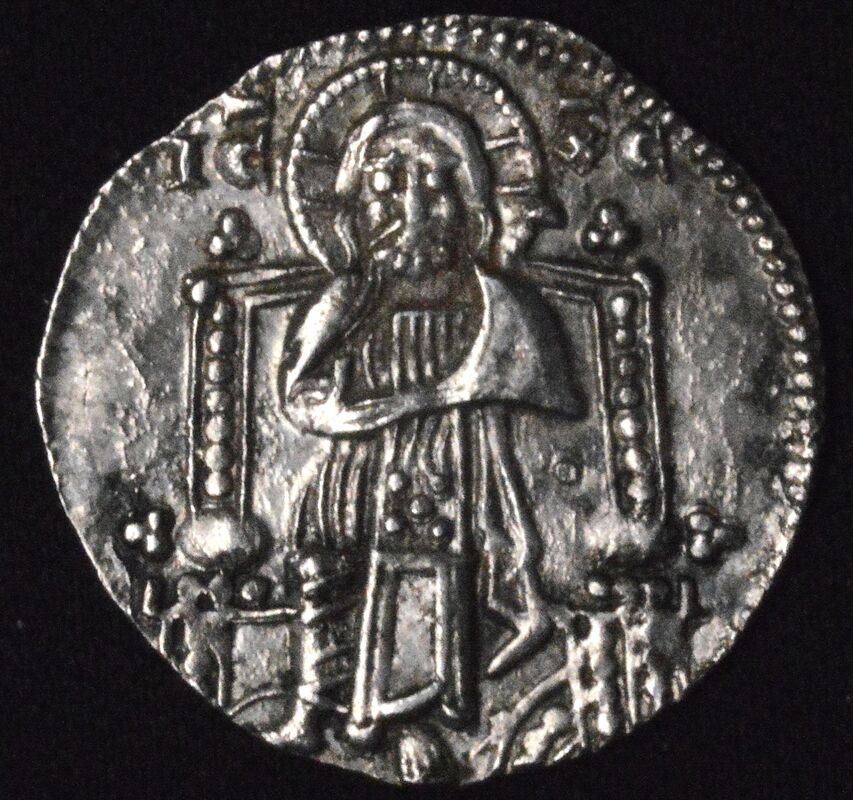 Jacopo Contarini Grosso Doge & St. Mark / Christ Enthroned on Reverse Jacopo Contarini Grosso Doge & St. Mark / Christ Enthroned on Reverse (2nd One. I got a duplicate to replace the first one posted first. This is a much better looking example, however, it lacks any luster the first one demonstrates clearly when seen in hand Once again!! Jacopo Contarini, born in Venice in 1289, embarked on his educational journey around the age of 20, likely enrolling in one of the renowned universities such as Bologna. During his early years of study, he focused on Latin, philosophy, and theology, preparing himself for a future in public service and Venetian politics. Coming from a noble family, Jacopo's education aimed to equip him with the knowledge and skills necessary to serve Venice's growing political and diplomatic ambitions. His formative years coincided with Venice's expansion as a powerful maritime republic, inspiring his aspirations to play a significant role in shaping the city's future leadership. 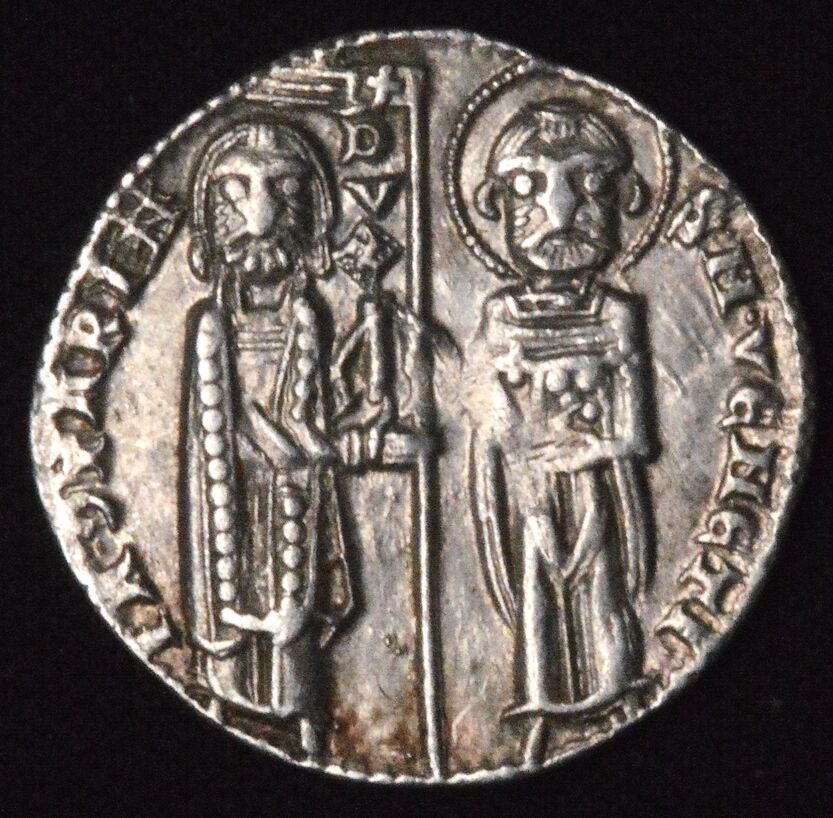 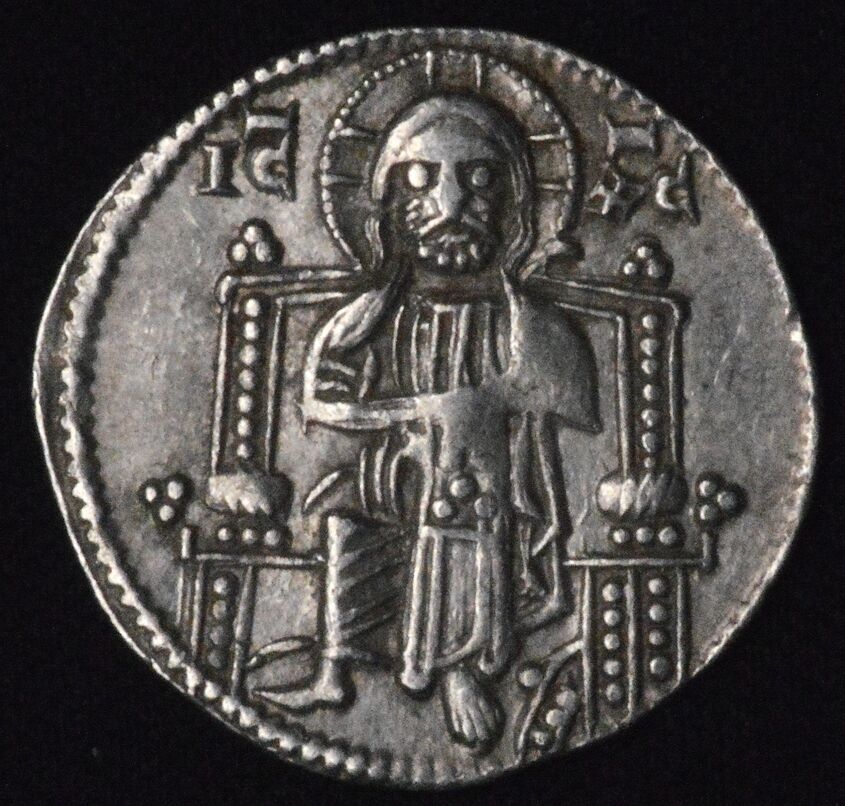 1394 Italy Venice Silver Grosso, Antonio Venier (Christ Open Mouth) Reverse photo shown firstAntonio Venier 1394 Italy Venice Silver Grosso, Antonio Venier (Christ Open Mouth) Reverse photo shown firstAntonio Venier (or Antonio Venier) was a prominent Venetian statesman and doge who served as the 66th Doge of Venice from 1382 until his death in 1400. He was known for his diplomatic skill and leadership during a period marked by political stability and territorial expansion for Venice. Venier's reign was characterized by efforts to strengthen Venice's maritime power and its influence in the Mediterranean. His tenure also saw diplomatic negotiations and alliances that helped secure Venice's position as a major maritime republic. Venier was respected for his wise governance and dedication to the prosperity of Venice during a pivotal era in its history. This particular issue caught my attention. Christ has a circular mouth and I found it so unique for a coin this historic to have such a look. I bought it sight unseen except off one picture. 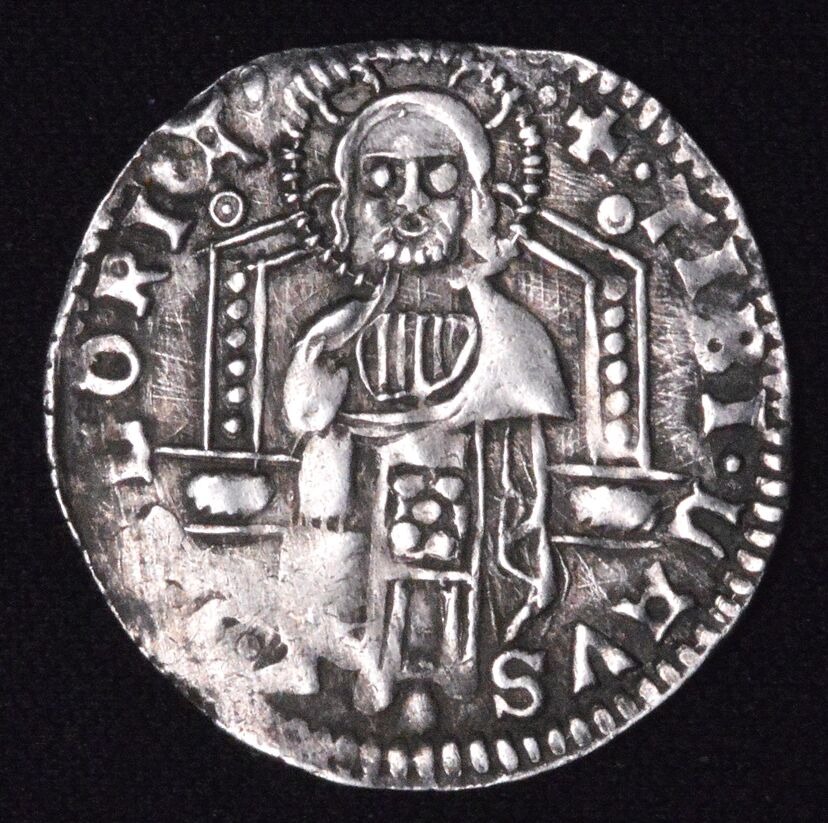 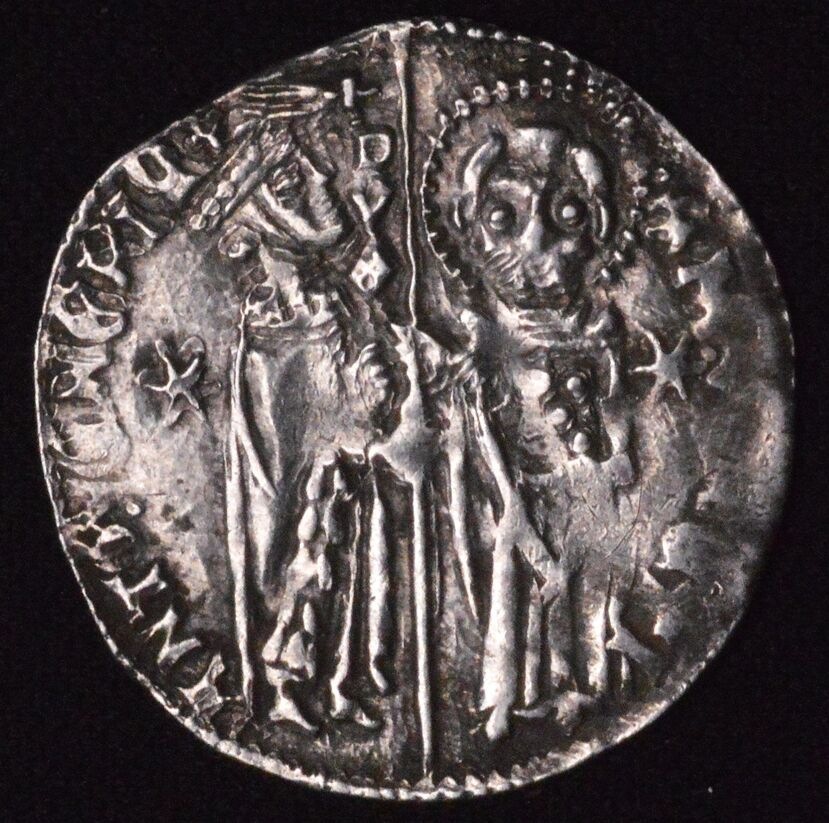 1394 Italy Venice Silver Grosso, Antonio Venier *Just another one* 1394 Italy Venice Silver Grosso, Antonio Venier *Just another one*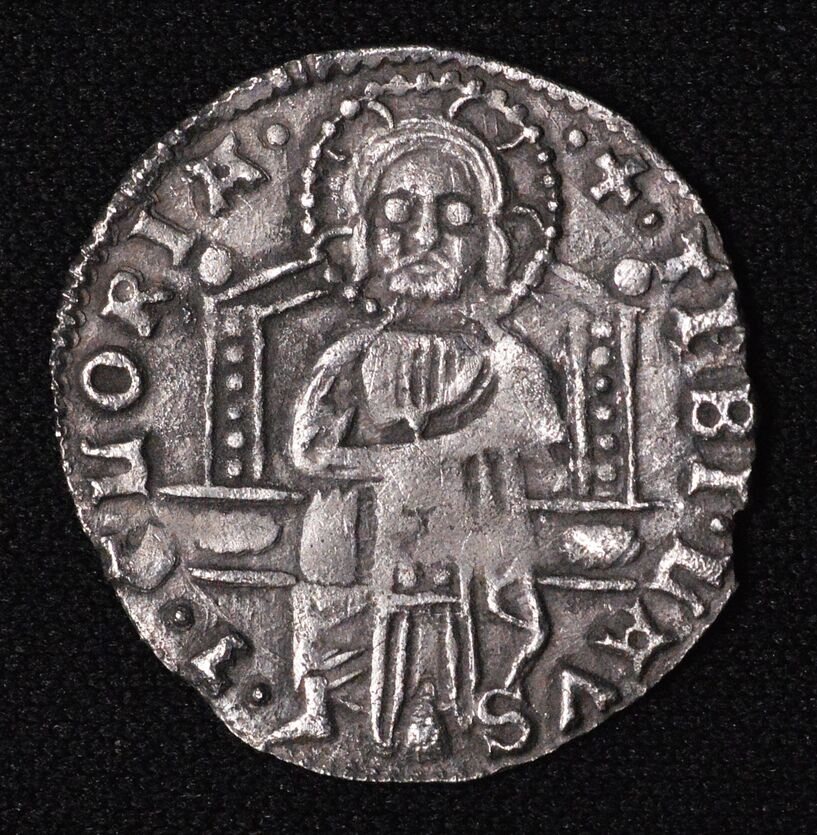 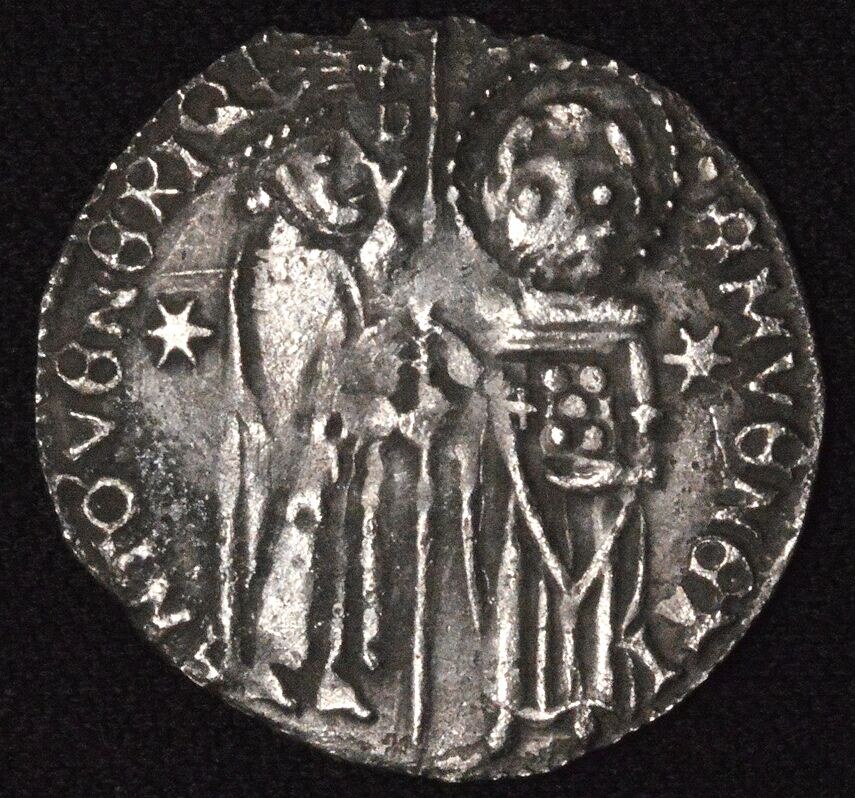 Agostino Barbarigo Marcello (1/2 Lira) ND (1486-1501) XF45 NGCAgostino Barbarigo Marcello Agostino Barbarigo Marcello (1/2 Lira) ND (1486-1501) XF45 NGCAgostino Barbarigo Marcello served as the Doge of Venice from 1486 to 1501, a period marked by political stability and the expansion of Venetian influence in the Mediterranean. As doge, he was known for his diplomatic skills and efforts to maintain Venice's dominance amid changing alliances and regional conflicts. The coin, a 1/2 Lira minted during his reign, reflects the era's artistic and monetary standards, often bearing his name and image, symbolizing his authority and the prosperity of Venice at the turn of the 16th century. His leadership helped uphold Venice's reputation as a powerful maritime republic, securing its economic and political interests during a dynamic period in Italian and Mediterranean history... 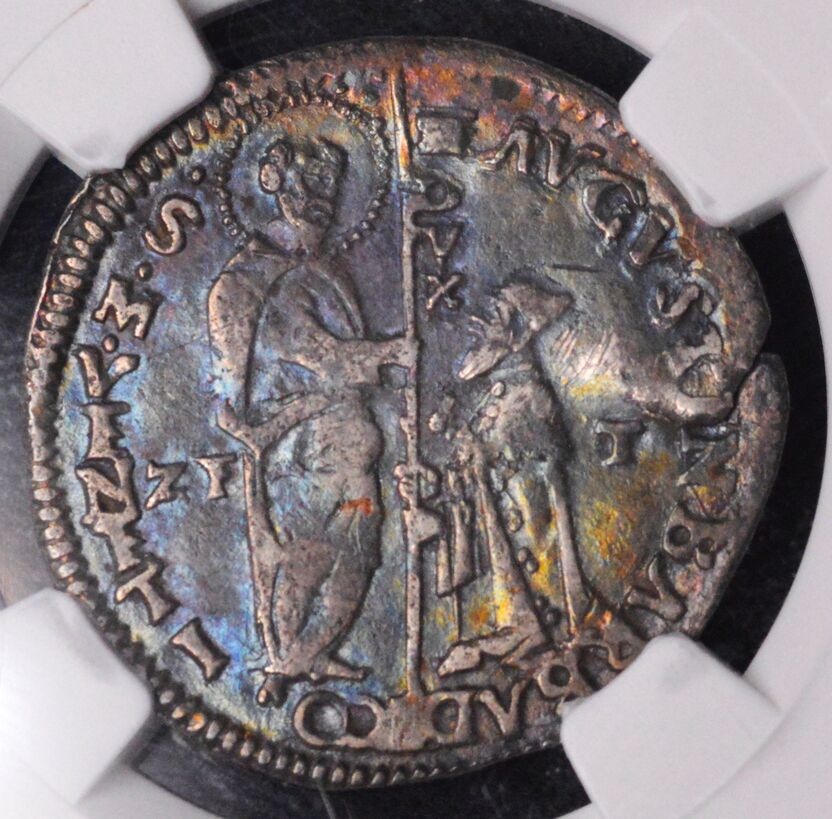 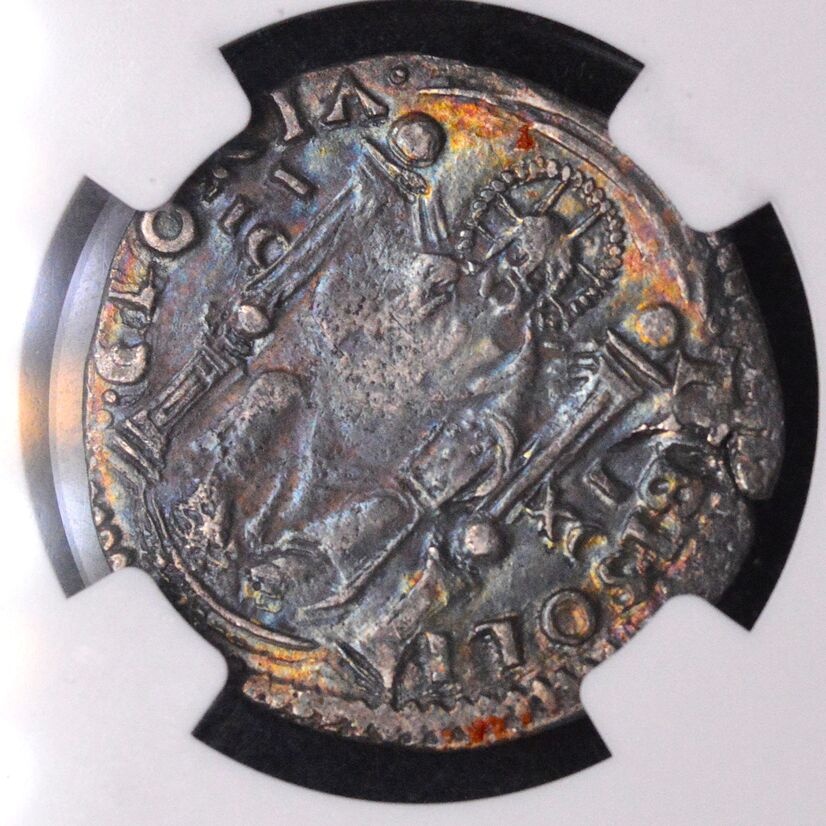 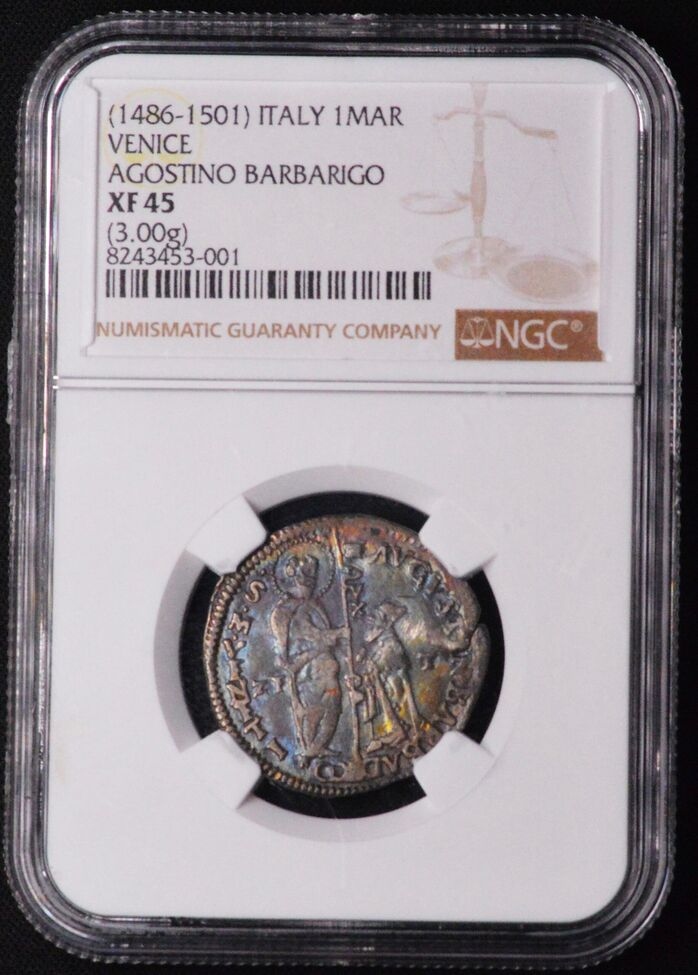 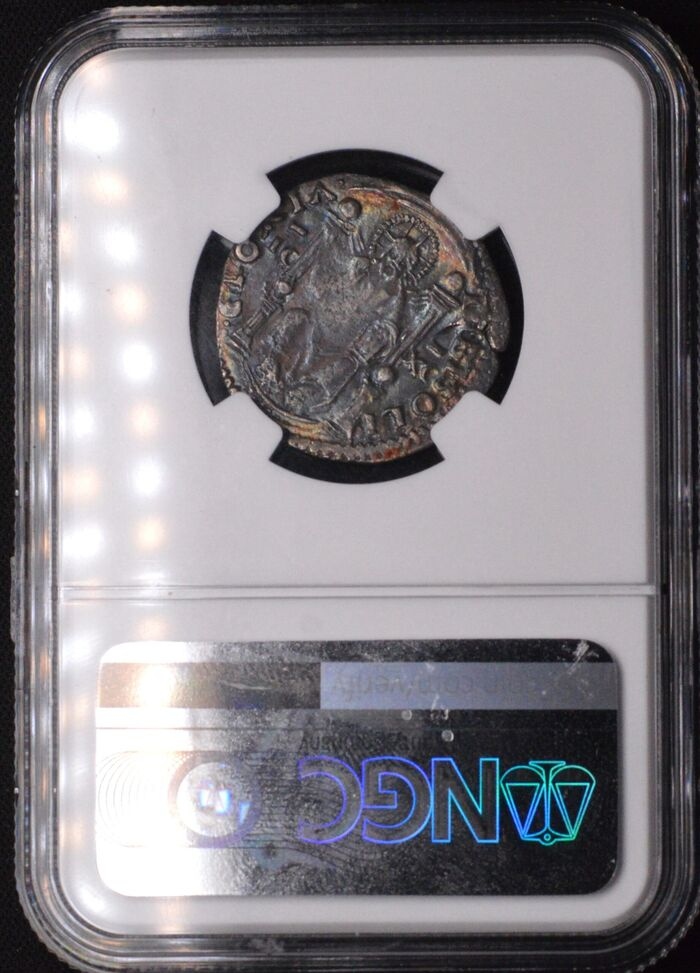 Time for Gold. These are Zecchinos: Venice. Ludovico Manin gold Zecchino ND (1789-1797) NGCLudovico Manin Time for Gold. These are Zecchinos: Venice. Ludovico Manin gold Zecchino ND (1789-1797) NGCLudovico Manin was the last Doge of Venice, serving from 1789 until 1797. He is best known for presiding over Venice during its final years as an independent republic before the fall to Napoleon Bonaparte. Manin's reign was marked by political instability and external pressures from revolutionary France and other European powers. Facing the inevitable, he made efforts to defend Venice's sovereignty, but ultimately, the city was conquered in 1797, ending over a millennium of Venetian independence. Ludovico Manin's leadership symbolizes the decline of the Venetian Republic and its transition into history, marking the end of an era in Italian and European history. 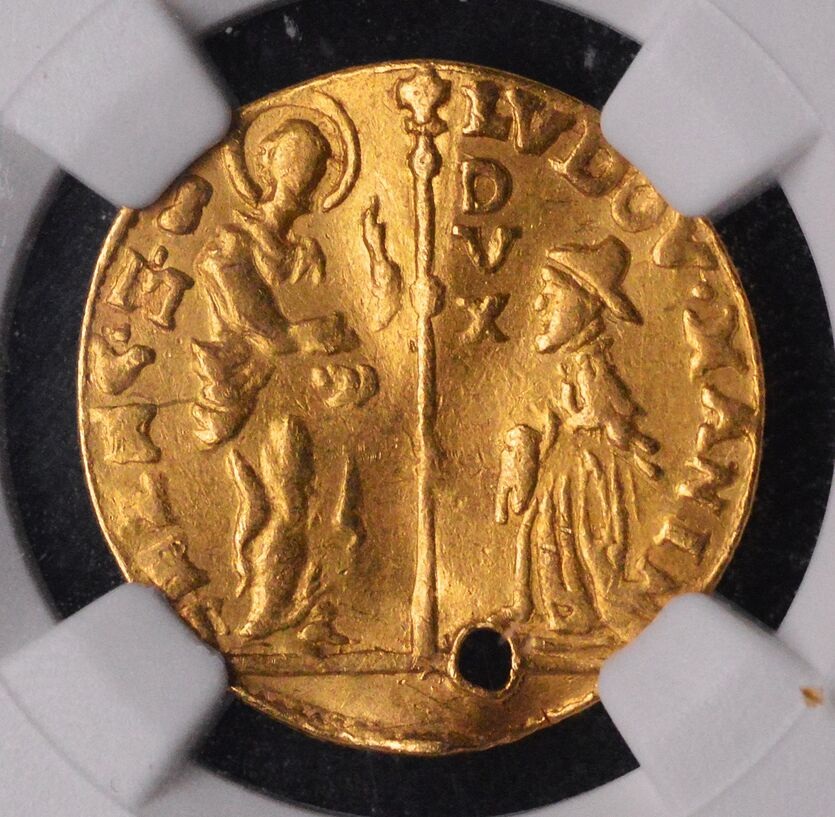  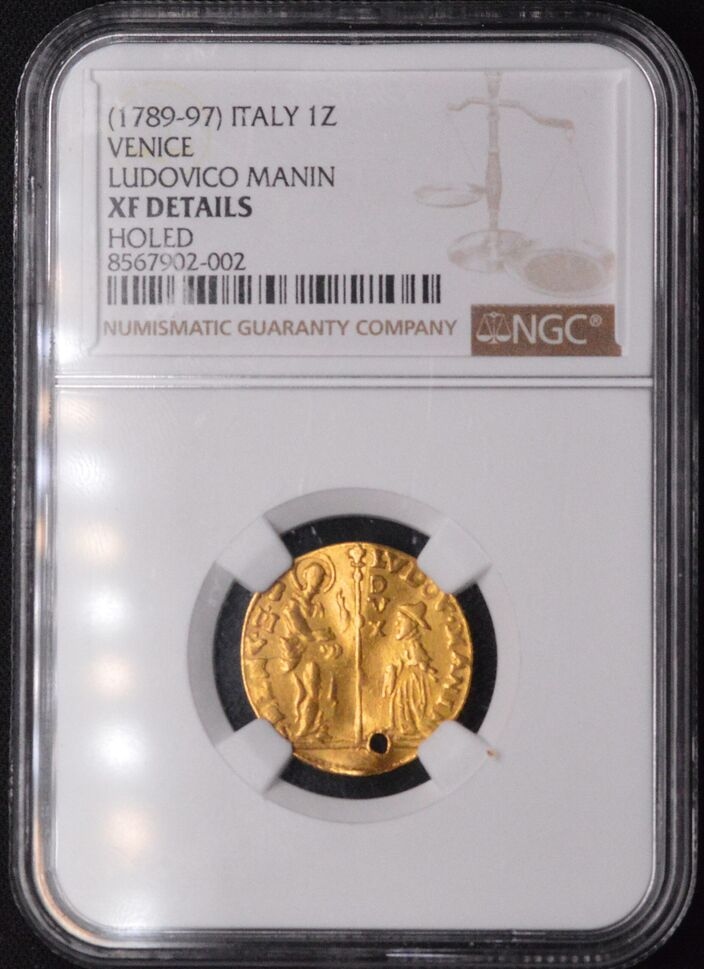 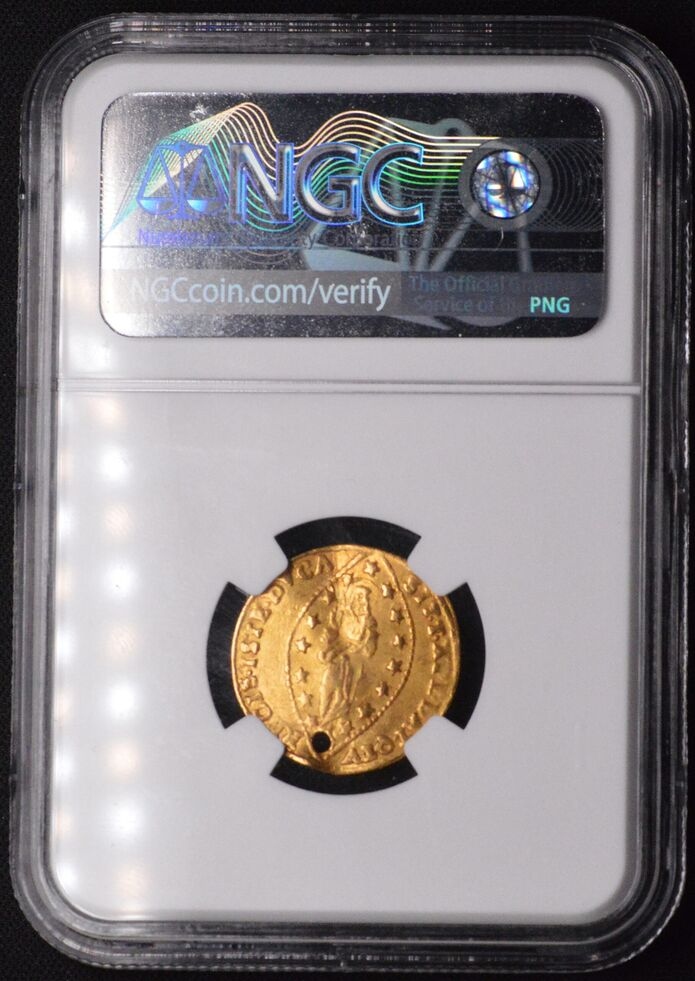 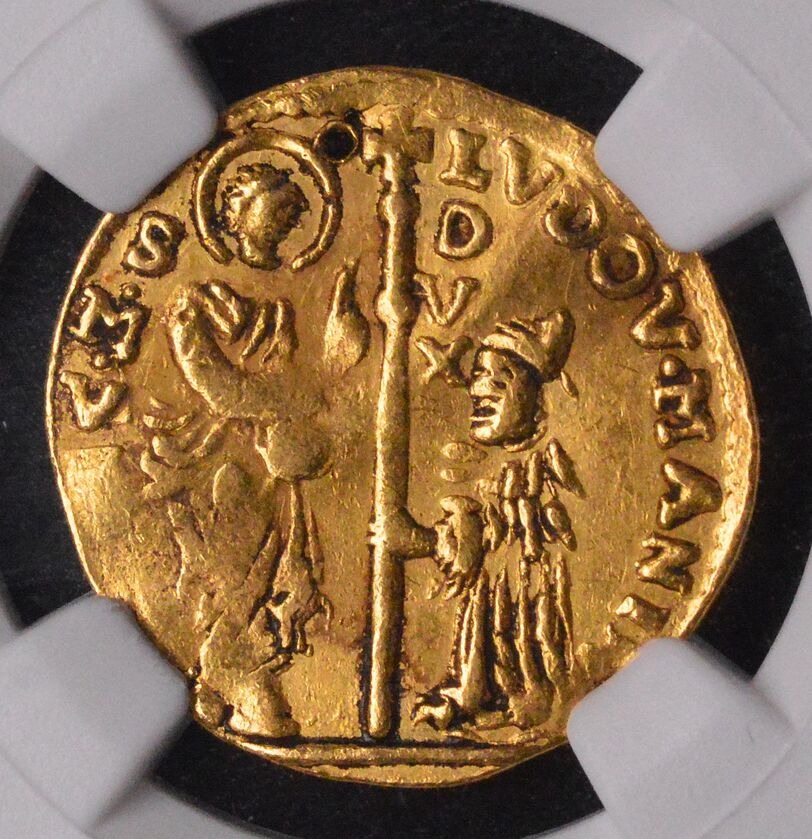 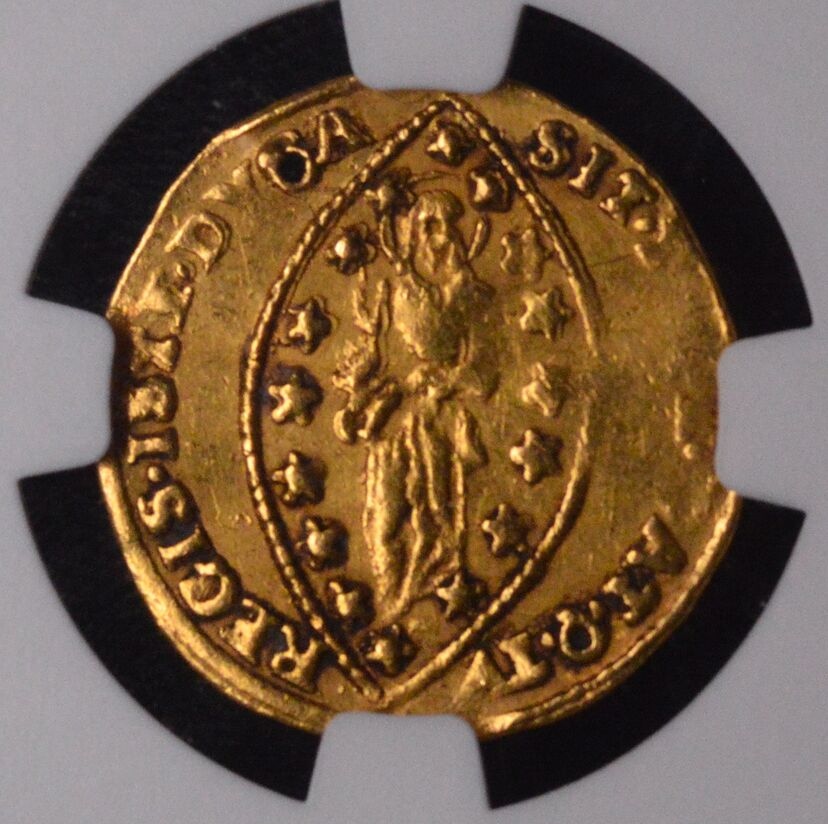 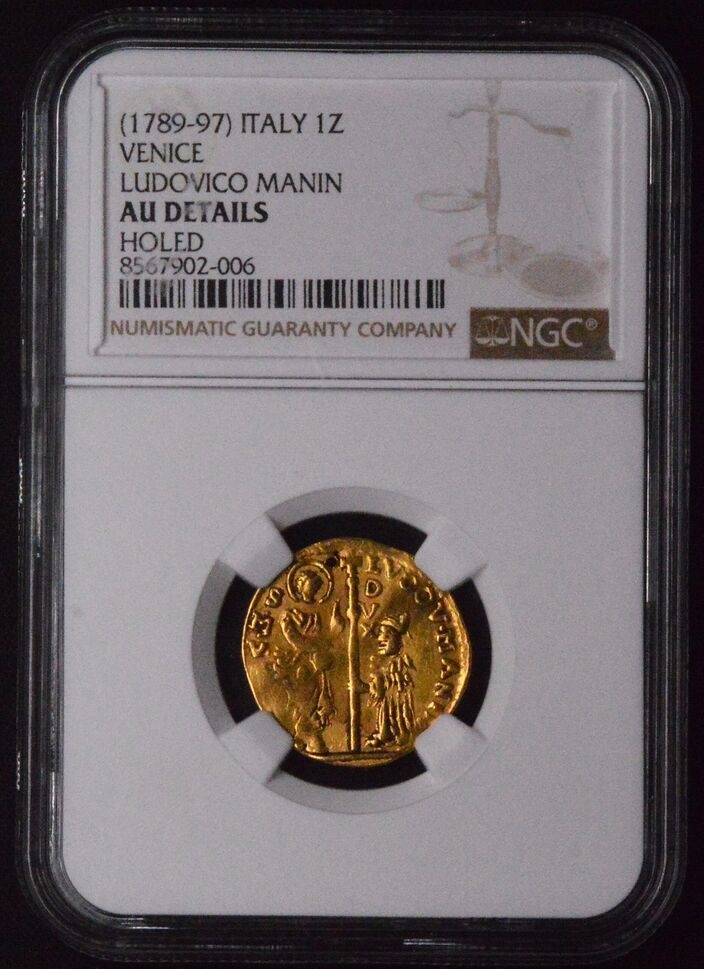 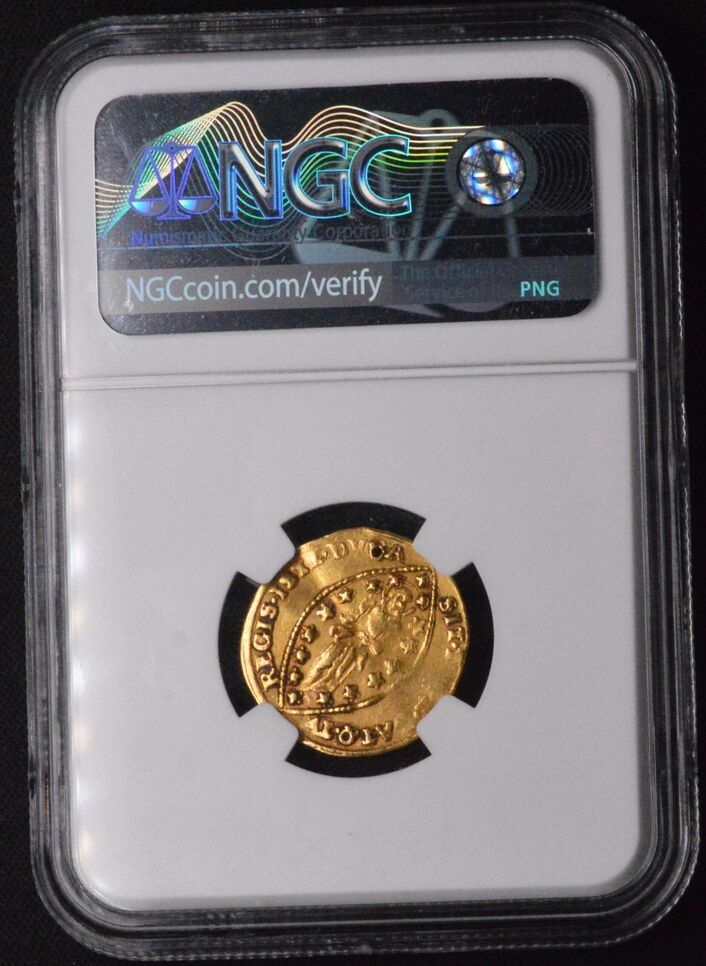 Leonardo Loredan 1501-1518 Silver Soldino NGC VF Details Leonardo Loredan 1501-1518 Silver Soldino NGC VF DetailsBought this priced right. Not a huge lover of the size or series, but impulse bought for the price. Not a Grosso, a Soldino, but still neat and won't get another thread so it's put here. Leonardo Loredan was a prominent Venetian statesman and the 75th Doge of Venice, serving from 1501 to 1521. Renowned for his wisdom, diplomatic skill, and leadership, Loredan played a key role in navigating Venice through a period of political challenges and conflicts, including wars with major European powers. His tenure was marked by efforts to strengthen Venice's political stability and its influence in the Mediterranean. As doge, he was highly respected for his dedication to the Republic's prosperity and for maintaining Venice's status as a leading maritime power during the early 16th century. 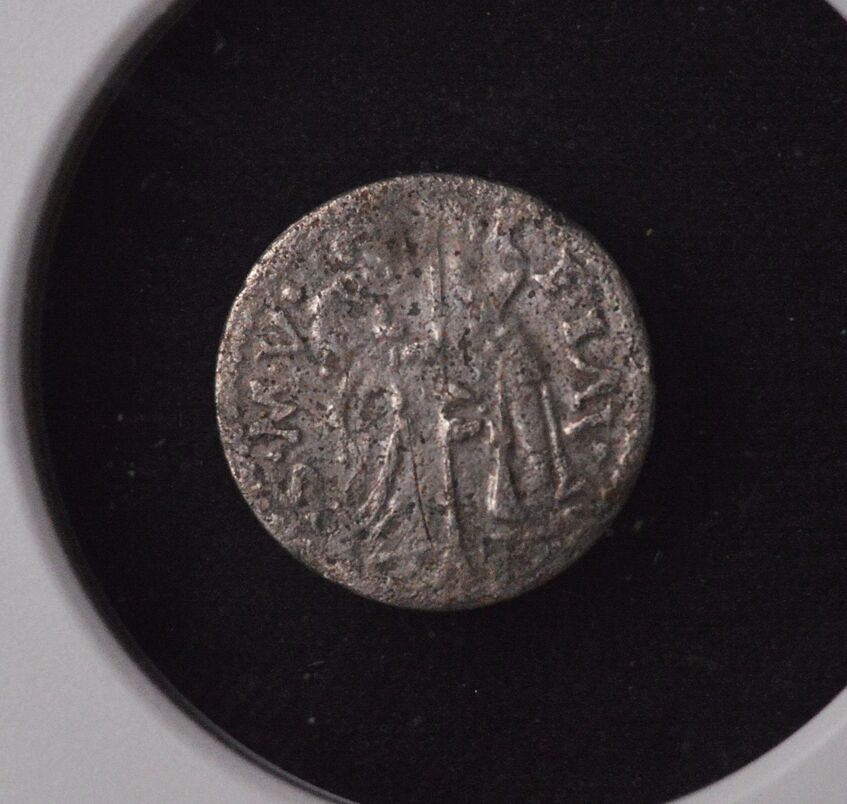 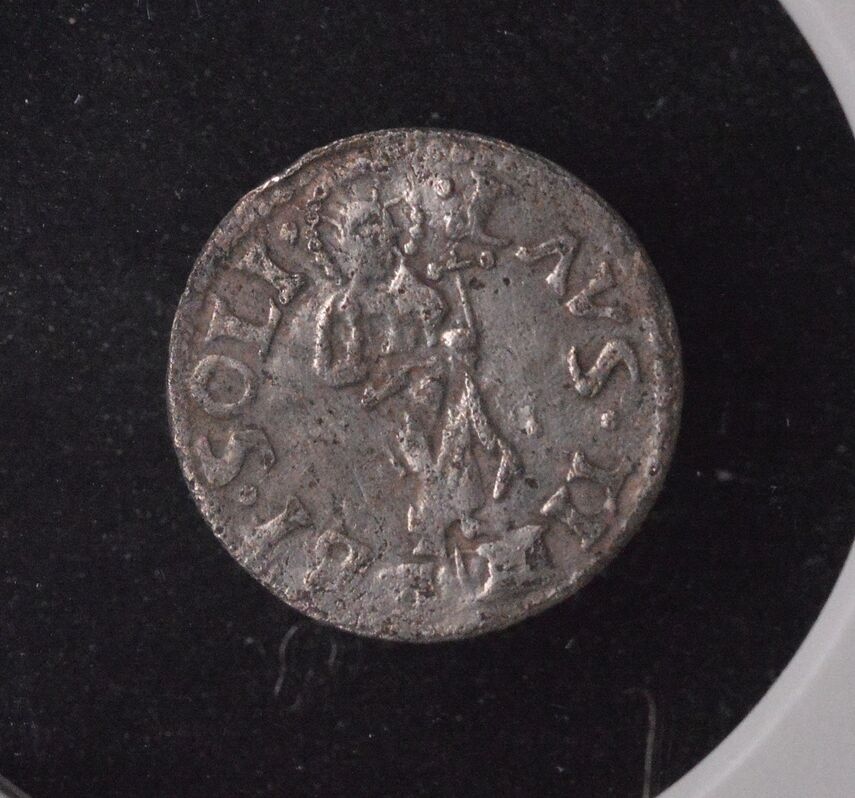 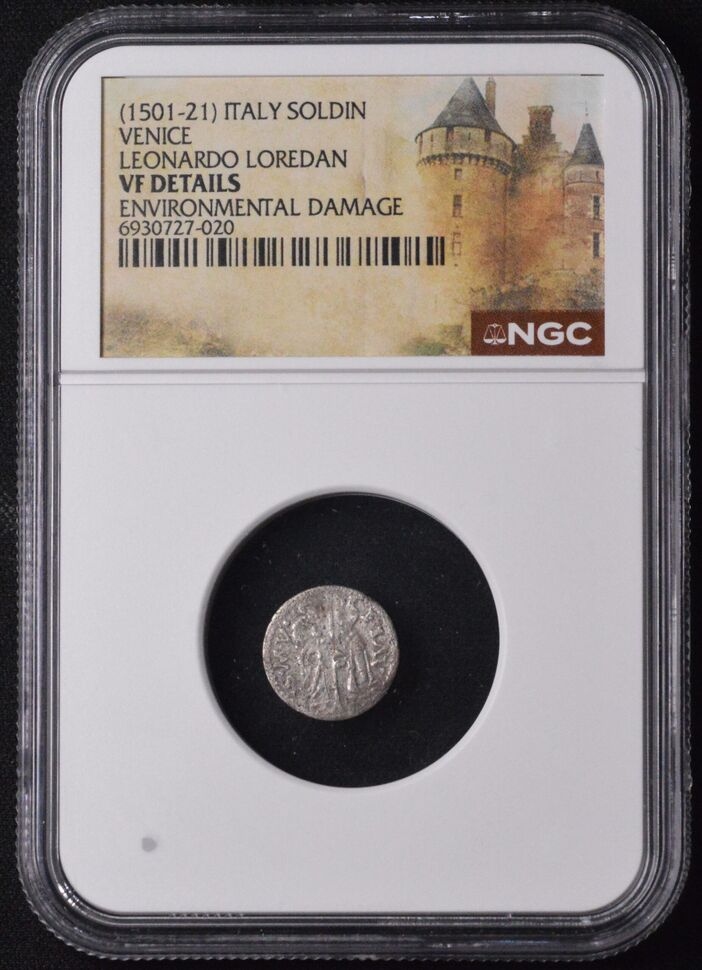 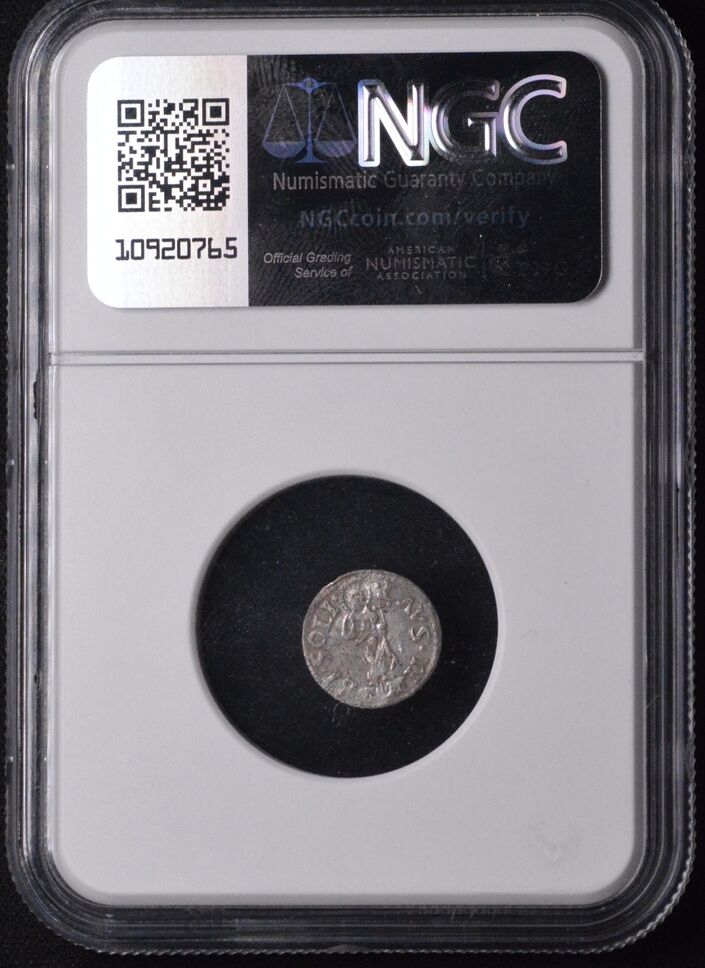 This is the collection. It is big in the sense of the simple variety and choice. I will add to it as I get more Doges in time, and there are a few Mules I've seen too. I love Italian Medieval Gold, Byzantine Gold, and Grossos Edited by newtraffic2
11/30/2025 12:08 pm
|
|
|
|
Valued Member
 United States
106 Posts |
Out of deep respect and admiration for the country of Italy and its rich history... I made a separate thread for all the players who wanted to take the idea of the Grosso and make it with their own silver or Electrum. Yes, Electrum. The last photo features Manuel I Aspron Trachy (Electrum) Gold/Silver Alloy another similarity to the Grosso with the two high priests and Christ on the obverse. Let's start with the Crude Bulgarian ripoff. Who can blame them? Everyone loves knocking off Italia, even back then for world and international trade & commerce. Ivan Alexander Michael Asen Medieval Silver Coin Jesus 1st example (Crude) Reverse side posted firstIvan Alexander (also known as Ivan Alexander of Bulgaria) was a significant medieval Bulgarian ruler who reigned as Tsar from 1331 to 1371. He was a member of the Shishman dynasty and is remembered for his efforts to strengthen and unify Bulgaria during a period of internal strife and external threats. Ivan Alexander's reign saw a flourishing of Bulgarian culture, arts, and religion, including the commissioning of important religious and literary works. He also faced challenges from the Ottoman Turks and neighboring states, but his rule is often regarded as a time of relative stability and cultural renaissance in medieval Bulgaria. His legacy remains prominent in Bulgarian history as a wise and pious ruler who sought to restore the strength and prestige of his kingdom. 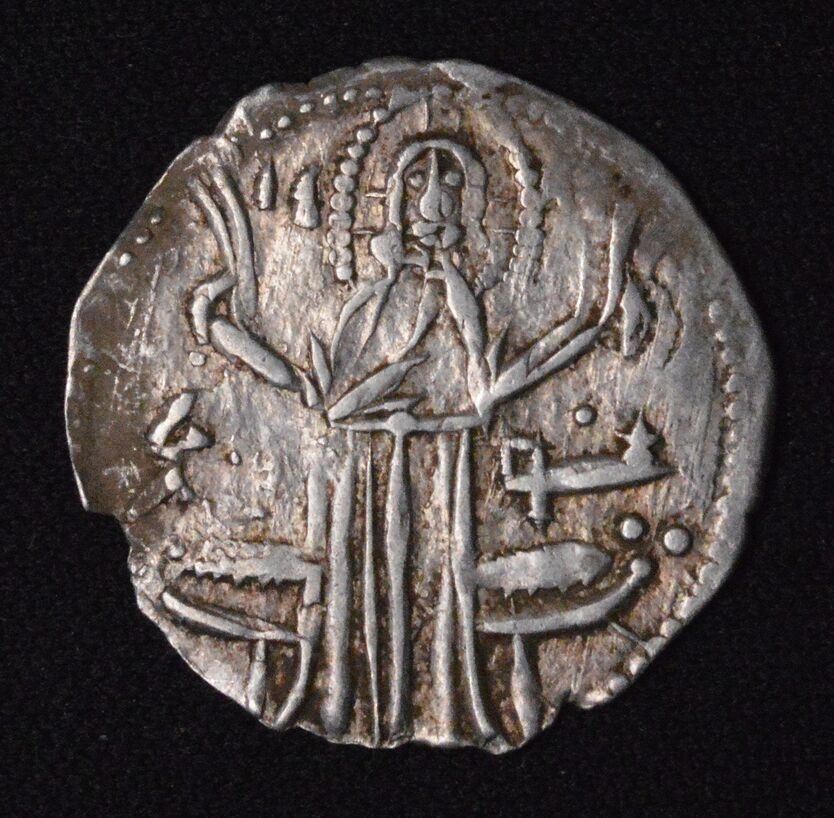 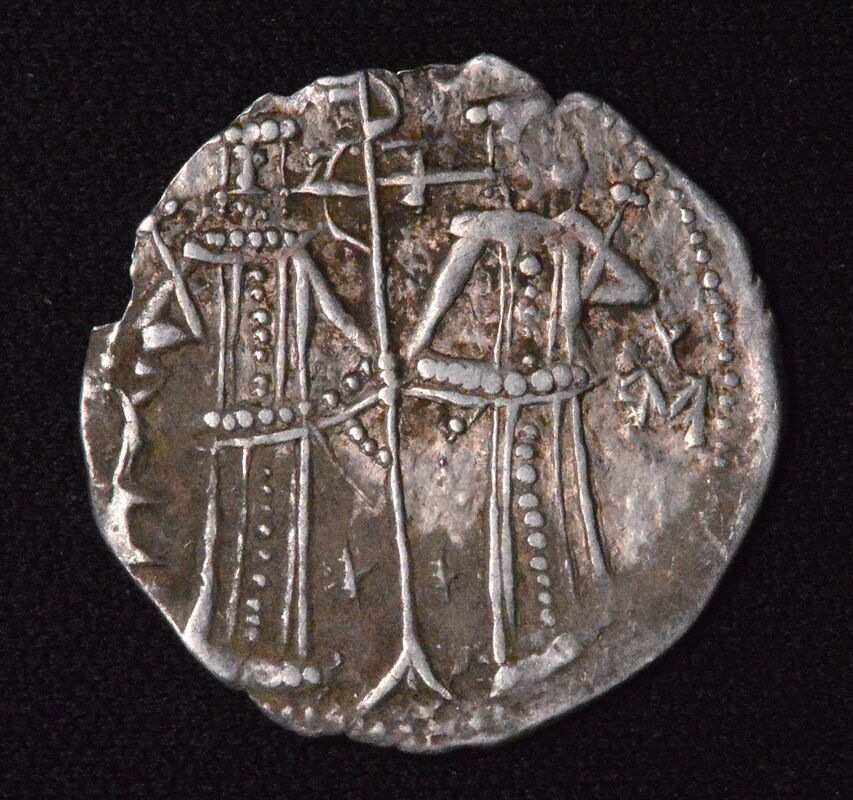 Ivan Alexander Michael Asen Medieval Silver Coin Jesus 2nd Example by (newtraffic) Ivan Alexander Michael Asen Medieval Silver Coin Jesus 2nd Example by (newtraffic)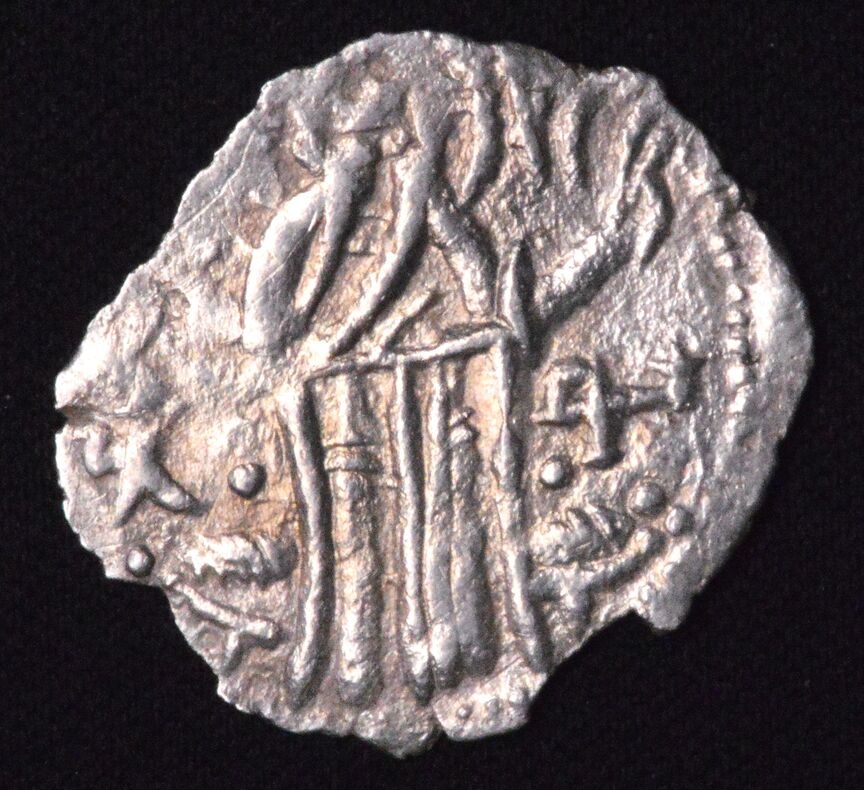 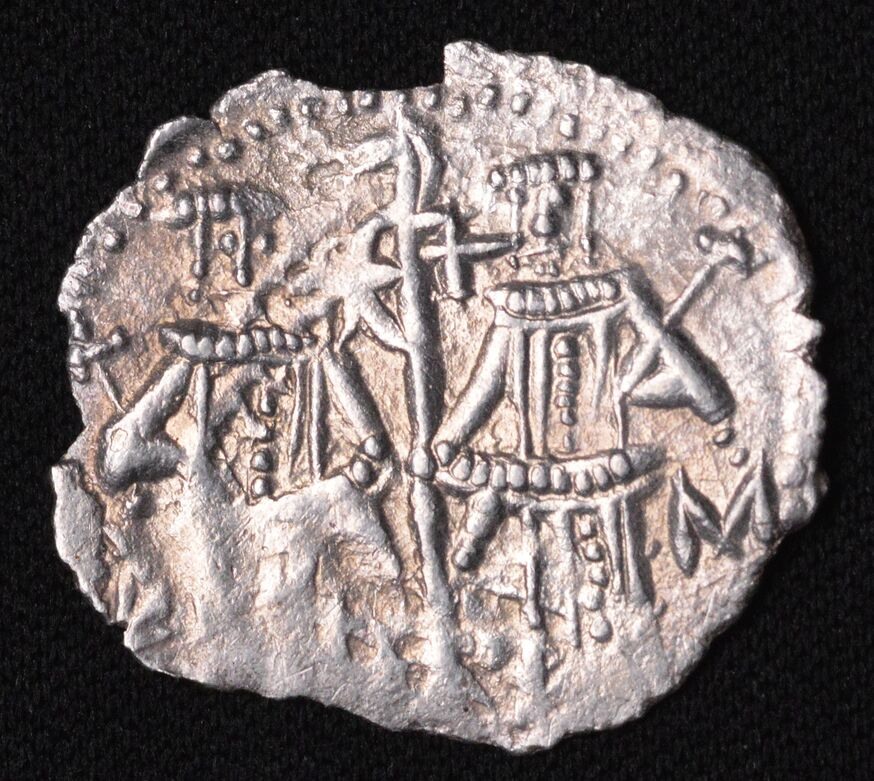 Next up, the Byzantine issues. Byzantine to me = Italy. They had more right to steal, however, they were deeply broke and indebted to the Italian government. Hence my theory as to why Genoa took longer than they should have to arrive during the Ottoman siege. Just my opinion. When you owe them money, they will mess with you. Easily Ottoman could have been defeated, easily! If, the right countries came in huge numbers through the Mediterranean Sea and then the Aegean Sea they would have provided enough support longterm. Anyhow, coins not political history right? This is a gorgeous set of Byzantine coinage. They had more right to borrow, as they were representing the Eastern Roma empire, just in a tough neck of the woods by that time. If anyone wants to see the great documentary on the final fall of Byzantine / Constantinople let me know. It's roughly one hour and made me teary eyed by the end as it was such a valiant effort done by both Emperor Justinian / Constantine XI Palaiologos. Here's a Silver Basilikon OF Andronicus Palaeologus ByzantineAndronicus Palaeologus was a Byzantine nobleman and later became the last ruling dynasty of the Byzantine Empire. He was born around 1258 and belonged to the Palaeologos family, which gained prominence in Byzantine politics. In 1282, Andronicus became Emperor after overthrowing the previous ruler, his father-in-law, Emperor Michael VIII Palaeologus. As emperor, Andronicus was known for his military efforts to defend and expand the empire, but his reign was also marked by internal conflicts and challenges from rival factions. Despite his efforts to strengthen Byzantium, the empire continued to weaken due to external pressures from the Ottoman Turks and other enemies. Andronicus ruled until 1328, and his reign is remembered as the final period of the Byzantine Empire before its fall in 1453. 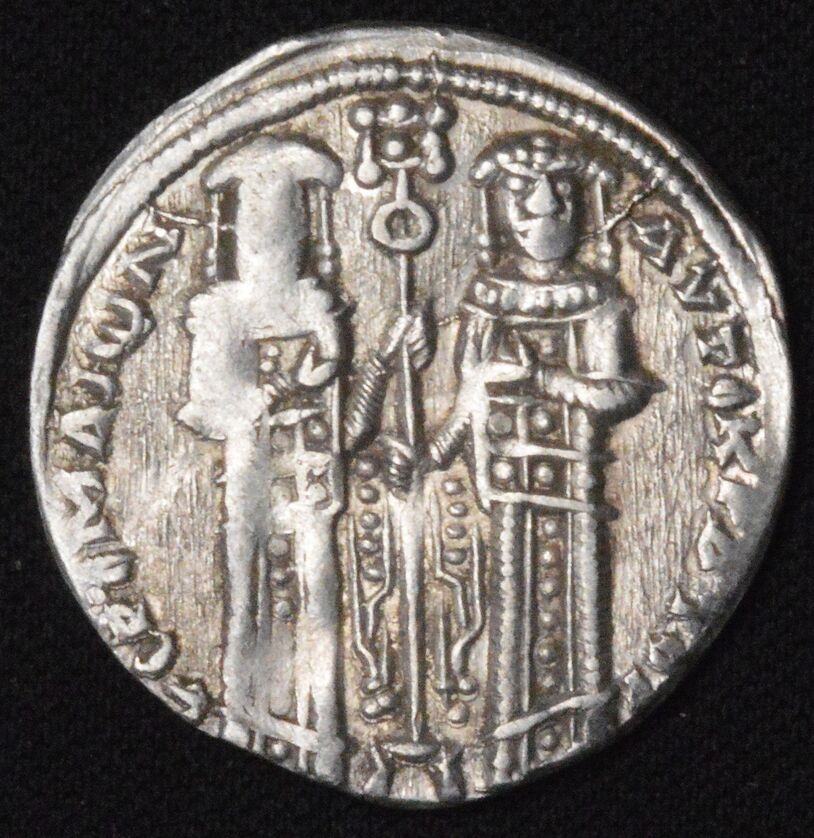 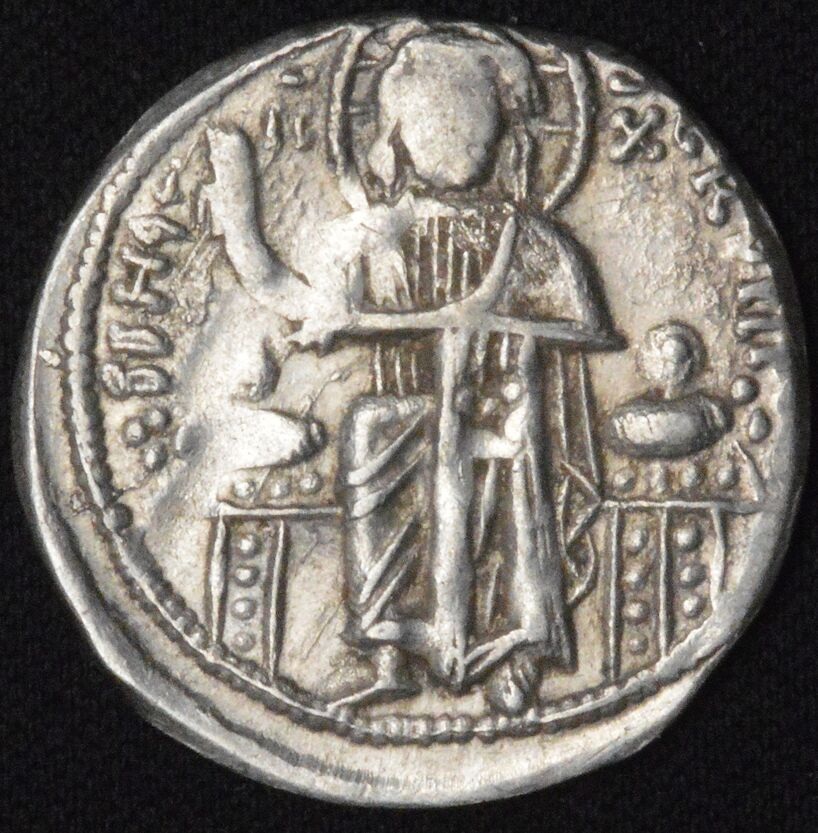 As a treat, here is one of my prized Gold/Silver (Electrum) coins I own from the Byzantine empire, which to be relevant to the thread, has the same design as the Grosso ever so similarly. Manuel I Aspron Trachy (Electrum Gold & Silver) "Cup Coin"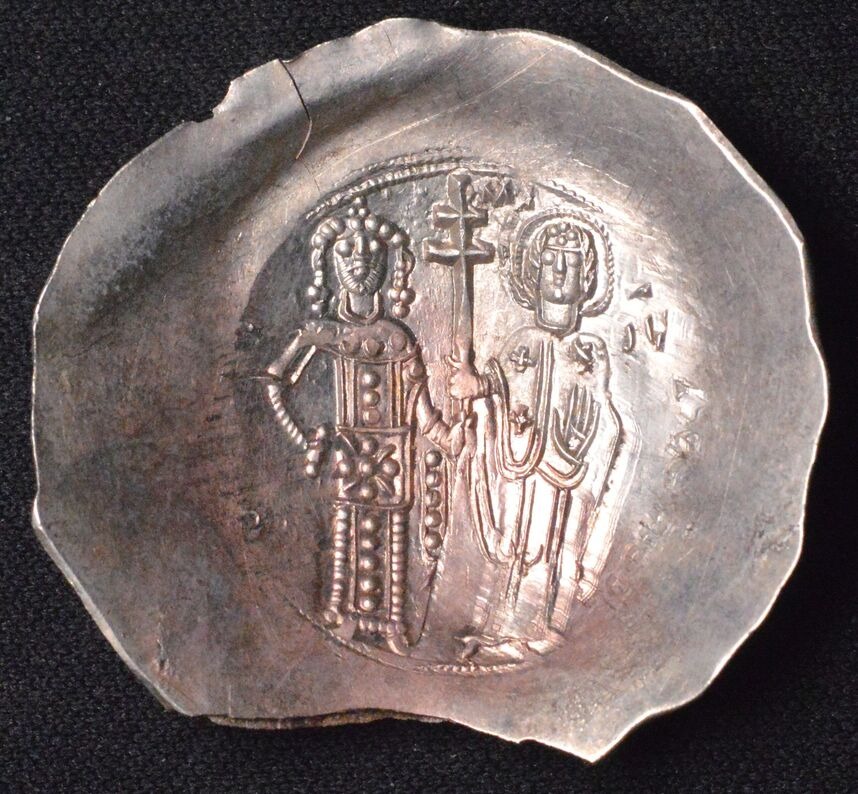 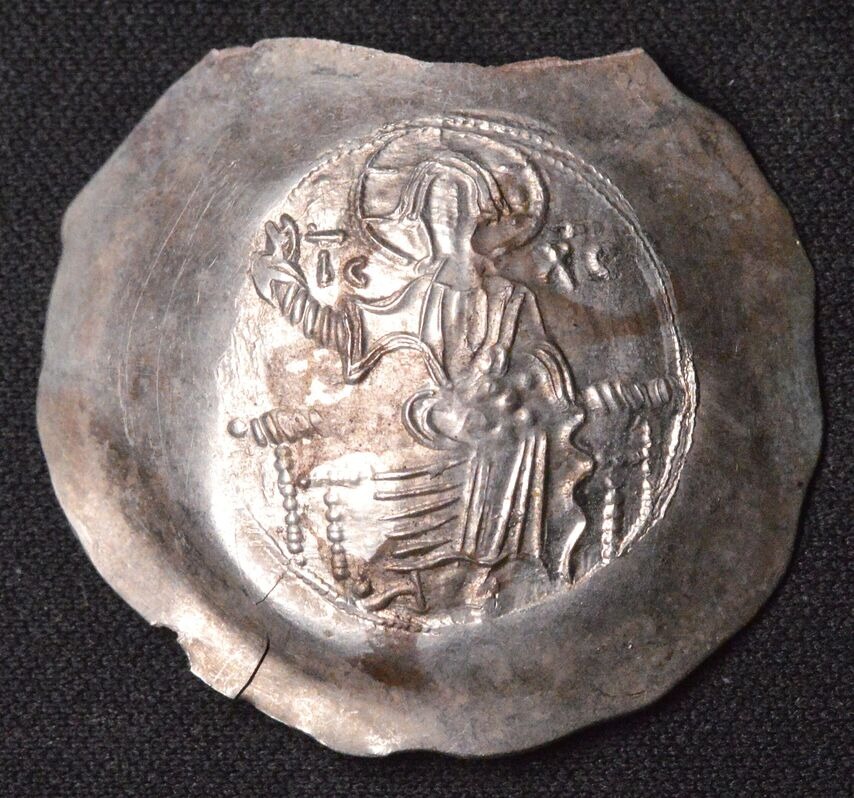 Manuel I Komnenos Manuel I Komnenos was a Byzantine emperor who ruled from 1143 to 1180. He was a member of the Komnenos dynasty and is known for strengthening the empire and expanding its influence. During his reign, Manuel I worked to restore the power and prestige of Byzantium through military campaigns, alliances, and building projects. He also supported the church and promoted religious and cultural activities. Manuel I's rule was marked by attempts to regain territories lost earlier and to increase the empire's influence in Europe and the Middle East. Overall, he was a powerful and active leader who played an important role in Byzantine history. My coin family. Enjoy these posts, they are made right out of my brain. No pre planning or research, this is why I love old Italian history. It comes to me so quick! My ancestors would be very proud with how I represented them and I am a huge fanatic of Medieval Philosophy, Religion, and the Monarchs/Rulers/Empires of those times. A Roman thread will be another time. One of my largest by far collections is Roman. From BC - AD and ends strong with Byzantine coinage, copper, silver and gold. Edited by newtraffic2
11/30/2025 12:43 am
|
|
Pillar of the Community
 United States
5029 Posts |
You have some very nice examples posted. A lot of information as well.
|
|
Pillar of the Community
 United States
8070 Posts |
Yes, very nice coins! Some of those grossi are super: sharp strikes, little wear. I would suspect one or two would grade at XF, but it's not worth it unless you're into slabs (I'm not). The trachy and basilikon are also pretty drool-worthy!  Unfortunately the basilikon doesn't fit any of my collecting themes, or I'd be on the hunt after seeing yours. We will let the mods determine whether to move the thread to the Ancient and Medieval sub-forum (I think only the zecchini are after 1600). However: Quote:
No pre planning or research ... so, hopefully no offense if a few of the comments are discussed and/or improved on Quote:
Byzantine to me = Italy. Yikes! The Byzantine empire was out of Italy before any of the coins you've posted, maintaining only a tiny foothold in the far south into the 11th century. It mostly faced east of the Adriatic after 750 A.D. when it lost central Italy to the Lombards (who then gifted it to the papacy). Quote:
Jacopo Contarini, born in Venice in 1289, embarked on his educational journey around the age of 20, likely enrolling in one of the renowned universities such as Bologna. This statement is far more likely to apply to a pope or scientist. I didn't find any evidence for Doges before Gritti (late 15th c.) attending universities. Medieval royal (and patrician) families tended to have erudite figures come to the court to teach their children rather than vice versa. Quote:
Let's start with the Crude Bulgarian ripoff. I would call that a little harsh when it was the Venetians, after all, who "ripped off" the design of the trachy to use for the grosso in the first place! The "recycling" of established designs was done for all kinds of reasons back then. But enough mincing of words on my part. My earliest grosso is this one of Pietro Ziani (1205-1229). 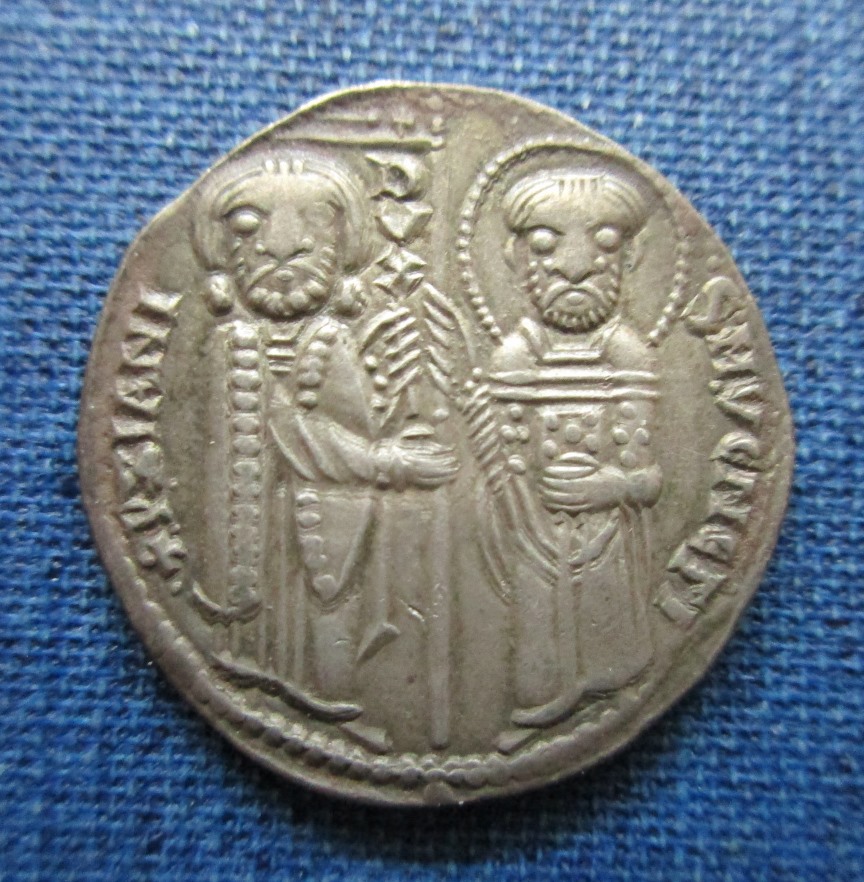 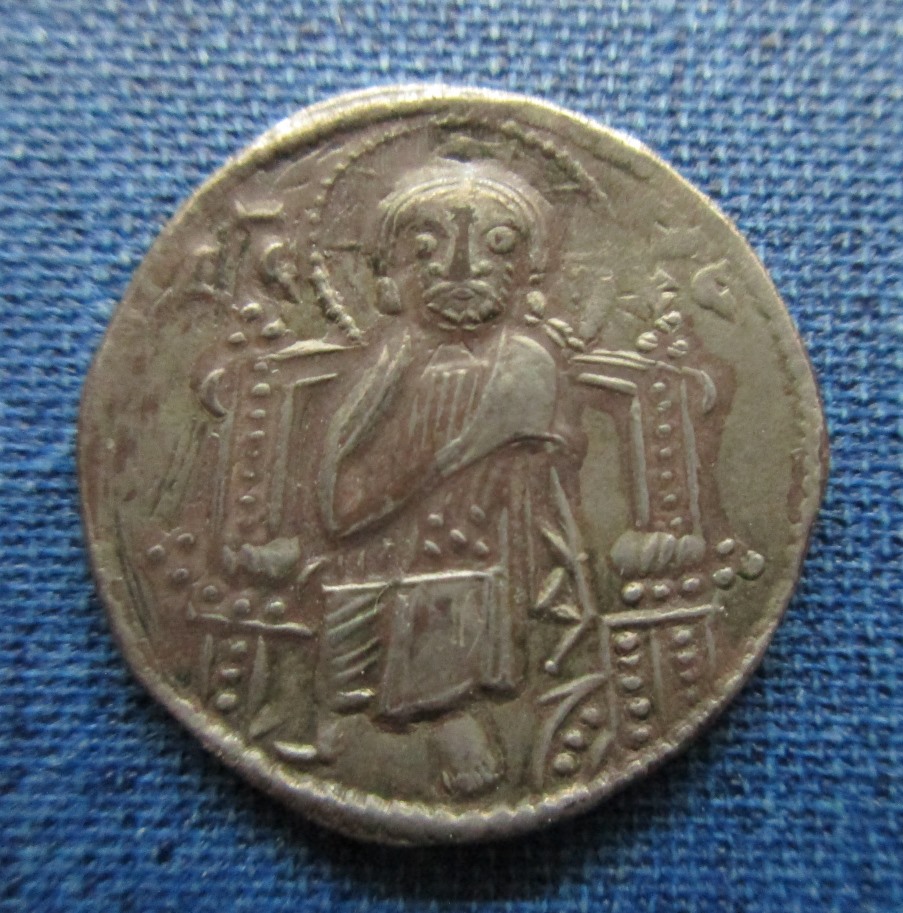 I'd like to get an "original" of Dandolo so I've got the first, but they get a bit pricey. Edited by tdziemia
11/30/2025 08:26 am
|
|
Valued Member
United States
106 Posts |
Nice! Only one addition for right now,
I consider Byzantine Italian, even after separation from Rome. They were very much mixed and a continuation. I wasn't sure who started the design behind the Grosso, but if it was used in Byzantine long before Venice, then I tip my hat off to the Byzantine's for using it successfully first. However, many others did use that great design for their own commerce.
|
|
Pillar of the Community
United States
8070 Posts |
Quote:
I wasn't sure who started the design behind the Grosso, but if it was used in Byzantine long before Venice, then I tip my hat off to the Byzantine's for using it successfully first. The grosso design was inspired by your Byzantine trachy. On one side it has a saint (Mary) conferring power to a secular authority (the emperor) by handing him the long patriarchal cross. On the other side Christ enthroned. The Venetians just morphed Mary into their patron saint (Mark) and replaced the cross with their own symbol of power, a flag. And they made it flat. That happened around 1192. Yes, from there it got copied across all of southeastern Europe. Edited by tdziemia
11/30/2025 2:34 pm
|
|
Moderator
United States
197248 Posts |
Very interesting and nice examples!  |
|
Pillar of the Community
Canada
5299 Posts |
I find it interesting that all your Venetian gold is holed. The one example I got is also holed, and I wonder if that is a coincidence, or common, and if so, then why?
|
|
Valued Member
United States
106 Posts |
You know? I would like to know too. My reason, I bought them at melt. I could have had nicer, but the price lured me in. One day, I will buy a better example, but I am satisfied owning this at melt. Let's see if there is a reason they come holed? I would never hole a coin like this ever, but someone did.
|
|
Pillar of the Community
United States
8070 Posts |
Quote:
I find it interesting that all your Venetian gold is holed. The one example I got is also holed, and I wonder if that is a coincidence, or common, and if so, then why? I spend a fair amount of time looking at medieval Italian coins, and hadn't noticed that, but just checked MA-shops and indeed about 15% of their Venetian ducats are holed. They circulated pretty widely in the eastern Mediterranean as a trade coin, so maybe they were used as jewelry/decoration in similar ways that Ottoman coins came to be holed. |
|
Pillar of the Community
United States
8070 Posts |
Since newtraffic teed this thread up as educational, here is some more information on medieval numismatic innovation in Venice and, more broadly, Italy. It is believed that the first grosso/gros/groat was struck in Venice (as mentioned previously, in the mid-1180s) so that they would have a stable unit of currency for trade with the Islamic world (A. Stahl, Zecca (2000). This has supplanted an earlier theory that it originated to pay troops embarking on the 3d crusade. Both Byzantium (milliaresion/trachy) and the Islamic caliphate (dirham) had silver coins of reasonable value to use in exchange, whereas Italy had only debased tiny "denari piccoli" containing less than a quarter gram of silver at this point. The Venetian grosso appears to have been specified at around 2.18 grams and about 98% fine. This became the first enduring "large" silver coin of the middle ages for western Christendom (of course, the French and English followed with their versions, as did the other major Italian city-states). The next great Italian innovation (again, in the numismatic framework of Western Europe) was the return to gold in 1252, first in Genoa with the quartarola of 0.88 grams, then in Florence with the florin. Day et al. (MEC 12, p. 267) point out that the Genoese quartarola exactly matched the theoretical weight of the Sicilian gold tari, even though that type was not struck so precisely and had become rather debased. The Venetians were late to the game with a larger gold coin to match the florin, but still won it: the Venetian ducat was introduced in 1285, then outlived the florin by a couple of centuries. Venice had another innovation around 1331, with the introduction of the silver soldino, the first coin of medieval times pegged at the intermediate value of 12 denari in the penny-shilling-pound (denaro-soldo-lira) system. The grosso, on the other hand, floated in value (it was worth 32 denari or 2.67 soldi at this time). Finally, it was Venice who struck the first "testone" of Italy - a large silver coin bearing a portrait of the ruler. It was the lira of Nicolo Tron struck in 1472-1473:   The coin was so controversial in its use of the doge's portrait that on Tron's death, the Venetian ruling council forbade any future depiction of the doge, except on his knees before Saint Mark as had previously been the custom (MEC 12, p. 651). Edited by tdziemia
12/01/2025 12:06 pm
|
|
Moderator
United States
197248 Posts |
Quote:
Since newtraffic teed this thread up as educational, here is some more information on medieval numismatic innovation in Venice and, more broadly, Italy. Excellent! |
|
New Member
United States
48 Posts |
A great book is Zecca by Alan M Stahl that covers the mint in Venice. Great looking coins and I can see the Doge name on the right hand side of the coins but is there a website or a book that tells us how the name is spelled on the coin itself?
|
|
Pillar of the Community
United States
8070 Posts |
Numista should have a lot of them.
Many of the coins posted here are in good enough condition to read:
1st coin - IA 9TARIN (Jacopo Contarini)
2d coin - PE GRADONICO (Pietro Gradenigo)
3d coin - same as 1st coin
4th coin - difficult to read, but same as 5th voin
5th coin - ANTO VENERIO (Antonio Venier)
6th coin - AVGVSTINO BARBADICO (Augustino Barbarigo)
and so on
|
|
Valued Member
United States
106 Posts |
(1378-1385) Lombardy, Milan Italy - Galeazzo II Visconit 1 Grosso : The Galeazzo II Visconti 1 Grosso is a silver coin from Milan, Italy, dating back to the late 14th or early 15th century. It was issued during the reign of Galeazzo II Visconti, a powerful ruler who helped make Milan a major city in Italy. The coin usually features the image or symbols related to the Visconti family, like a heraldic coat of arms or a portrait, and has Latin inscriptions. Coins like this were used for trade and to show the authority of the ruling family. It's a fascinating piece of history that gives us a glimpse into medieval Italy and the importance of coinage in establishing power and wealth. 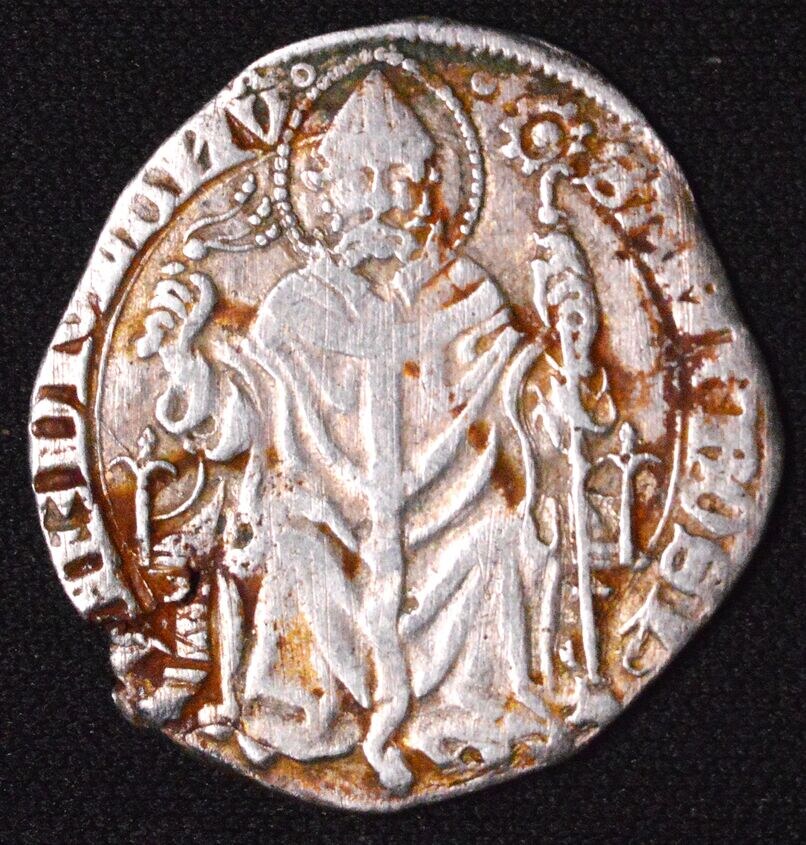 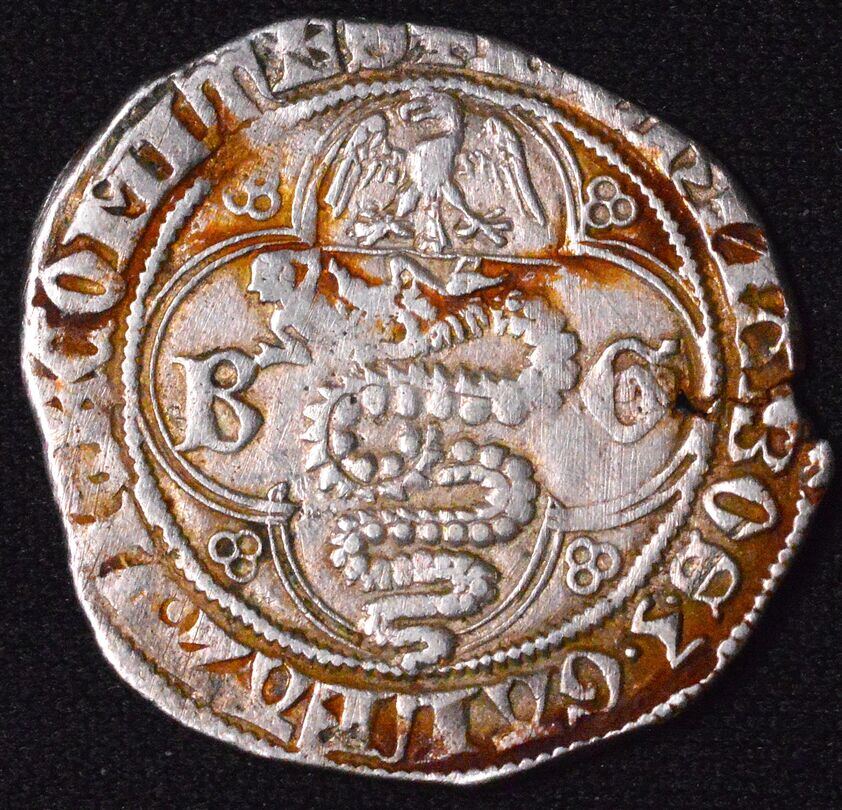 1382-1400 Doge Antonio Venier 1 Grosso with Jesus Christ on Obverse: Antonio Venier 1382-1400 Doge Antonio Venier 1 Grosso with Jesus Christ on Obverse: Antonio Venier was a prominent Venetian statesman and doge who served as the 66th Doge of Venice from 1382 until his death in 1400. He was known for his diplomatic skill and leadership during a period marked by political stability and territorial expansion for Venice. Venier's reign was characterized by efforts to strengthen Venice's maritime power and its influence in the Mediterranean. His tenure also saw diplomatic negotiations and alliances that helped secure Venice's position as a major maritime republic. Venier was respected for his wise governance and dedication to the prosperity of Venice during a pivotal era in its history. 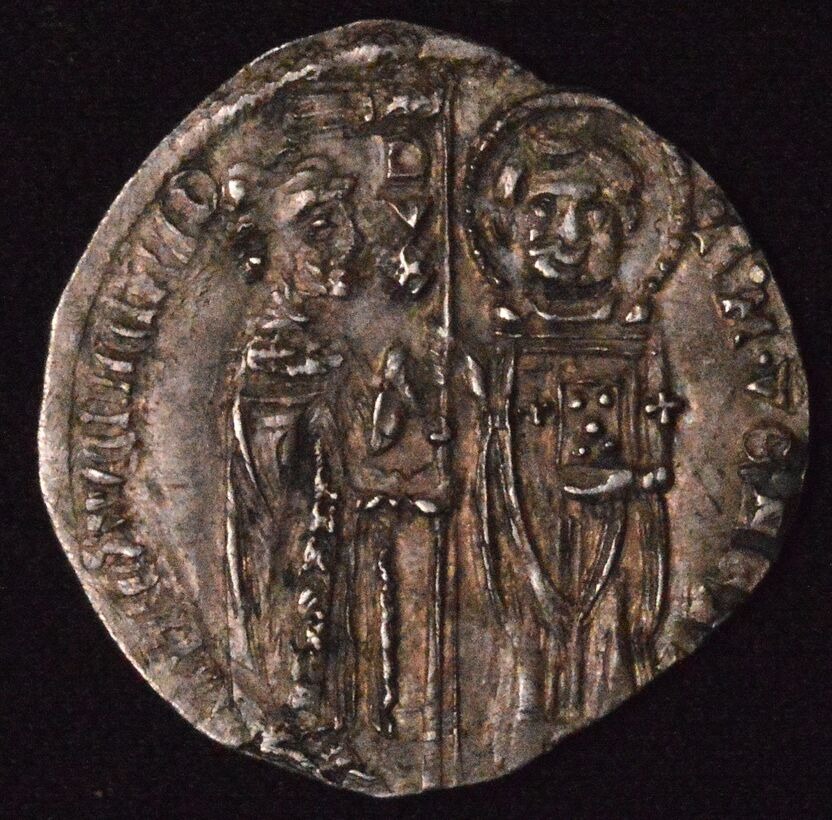 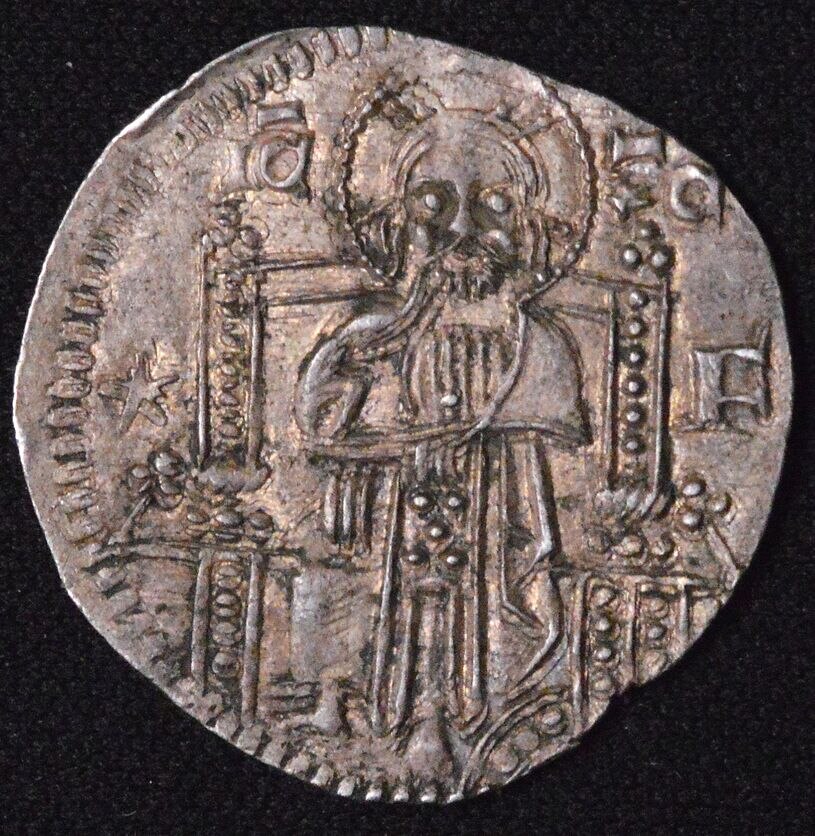 Plan to really keep adding Doges maybe a new example every few months. If I may, I also want to share that my Italian friends and I, and Latin friends will be collaborating on Youtube to delve more into Italian history (And US) since we have a lot of coins; gold, medieval, ancient and world. Give us a follow https://youtube.com/@TheKingsCoins I plan to do video form of this thread and the others with maybe some graphics and actual coins in video!
Edited by newtraffic2
12/02/2025 12:54 am
|
|
Pillar of the Community
United States
8070 Posts |
I LOVE medieval Milan coins and the iconography/heraldry on them. Yours was struck in the names of Bernabo and Galeazzo II (as in the initials B and G), who co-ruled in Milan 1378-1385. A couple of observations on the grossi of the major medieval Italian city-states. 1. They tended to feature the city's patron saint! We've seen Saint Mark repeatedly on your great Venetian coins, now St. Ambrose on Milan coins and every Florentine coin of every denomination (!) featured St. John the Baptist until around 1530. Genoa is the only exception, and I can't quite figure out why, except to guess that their trade in the Islamic world was so important that they wanted their coins to fit in, and images of persons were not used on coins there after about 700 A.D. From the 13th century, central Italy cities launched a type called the grosso agontano which imitated an earlier Milan grossi, with an image of a bishop-saint on one side, and a cross on the other. 2. As mentioned upthread, the grosso had a value that fluctuated over time, at the whims of the ruler (or maybe his CFO  ). So, unlike our monetary system, where a quarter is always 25 cents, the grosso could be worth 18 denari (as with yours), or more. Here is a later Milan grosso valued at 5 soldi (60 denari) issued by the young Gian Galeazzo Maria Sforza with his uncle Ludovico as regent (1481-1492): 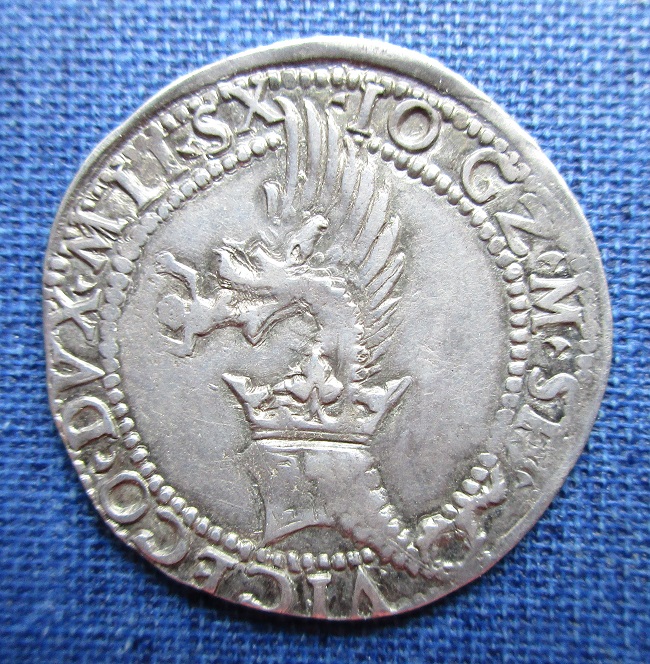 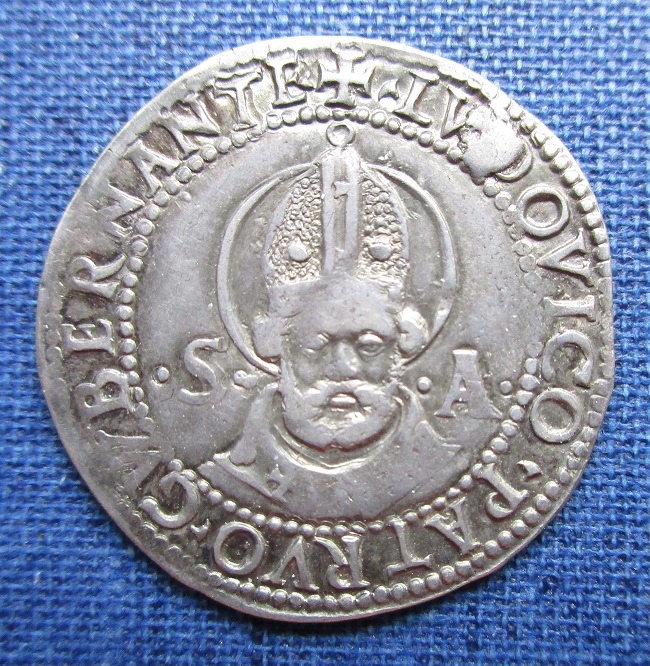 |
| |
Replies: 66 / Views: 4,768 |
To participate in the forum you must log in or register.
Disclaimer: While a tremendous amount of effort goes into ensuring the accuracy of the information contained in this site, Coin Community assumes no liability for errors. Copyright 2005 - 2026 Coin Community Family- all rights reserved worldwide. Use of any images or content on this website without prior written permission of Coin Community or the original lender is strictly prohibited.
Contact Us | Advertise Here | Privacy Policy / Terms of Use
|
| Coin Community Forum |
© 2005 - 2026 Coin Community Forums |
| It took 0.64 seconds to rattle this change. |
 |
|
| |
| |




 Posted 11/30/2025 07:21 am


