| Author |
 Replies: 18 / Views: 4,086 Replies: 18 / Views: 4,086 |
|
Pillar of the Community
United States
4000 Posts |
I think I've heard this referred to as "shadow rippling"? I assume it has something to do with Die Deterioration? But, how does it become incuse?  EDIT: I guess I should mention it's a '64P. 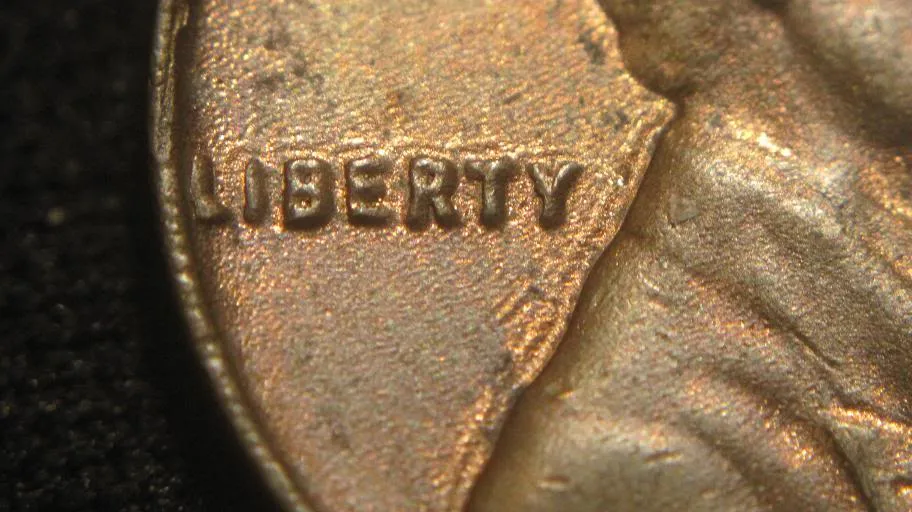 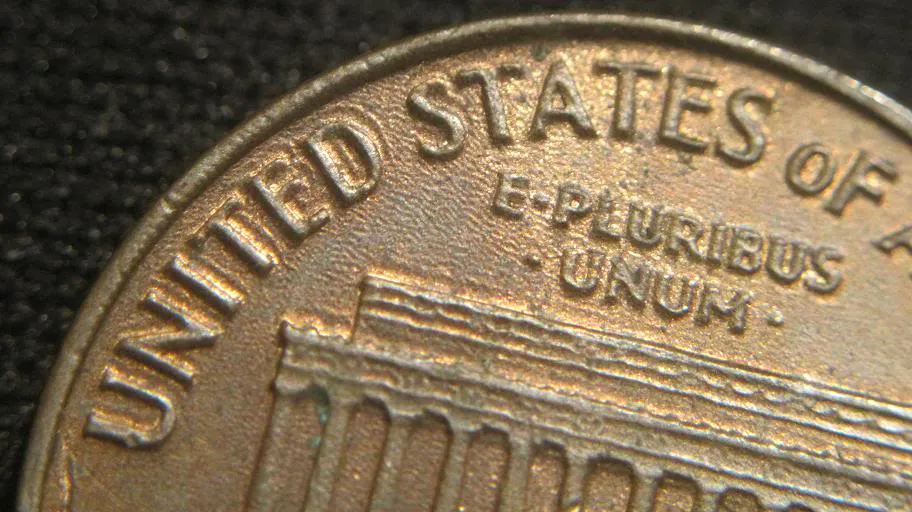 Edited by Scooby Due
07/15/2010 02:08 am
|
|
|
|
Pillar of the Community
United States
602 Posts |
Good question. Call it a DD and sell it on ebay. WOLF |
|
Bedrock of the Community
Canada
10743 Posts |
|
|
Pillar of the Community
United States
2742 Posts |
This coin was altered outside the Mint. Exactly how it's done is subject to debate. Traditionally it's been linked to the use of a rotating brush.
Error coin writer and researcher.
|
|
Pillar of the Community
 United States
4000 Posts |
Thanks Mike. I assume you've examined these up close. Now I'm intrigued by how this could be done, especially when looking at the "D" in UNITED. There is a mirror image inside the loop of it. The "shadow" runs around the entire coin with no signs of any other damage to the devices (at least that I can tell).
|
|
Pillar of the Community
United States
1882 Posts |
Methinks Scooby and Mike are talking about two different effects on that coin...
|
|
Pillar of the Community
United States
2742 Posts |
I don't know exactly how the effect is produced. Far more severe examples exist and they're totally incompatible with anything a coinage press could produce. So I feel safe in extrapolating from them to more modest examples like the coin shown here. Unlike Die Deterioration, the letters are often thinner than normal and the coin's weight is also often reduced. Notice as well that the design rim shows the same pattern of "ripples". You won't see this in a genuine case of Die Deterioration. How about a photo of the edge, while we're at it? A genuine error will show no effect on the edge, while these "rippled" coins often do. Error coin writer and researcher.
|
|
Pillar of the Community
United States
1882 Posts |
Mike, are you saying the reflective doubling around the devices and letters were also post-mint?
|
|
Pillar of the Community
United States
4000 Posts |
I'll weigh it and get a pic of the rim when I get home tonight after work.
|
|
Pillar of the Community
United States
613 Posts |
I think I understand what Mike is talking about. Some kind of rotating tool that has moved the metal around. Are there any microscopic scratches that your photo's aren't picking up on?
|
|
Pillar of the Community
United States
2742 Posts |
In answer to Steve199's question, yes, all of the odd effects are post-mint.
Error coin writer and researcher.
|
|
Bedrock of the Community
United States
62064 Posts |
I always thought the ripples were caused by heating the coin. But this one doesn't look blackened. Maybe an oven.
|
|
Pillar of the Community
United States
4000 Posts |
OK. Weight is 3.09 g. Here are pics of the rim. I also noticed (this time), that there is an extra "flap" of metal on most of the devices, best shown on the left side of the "U" and "N" below, which may help in the diagnosis or support the oven theory. 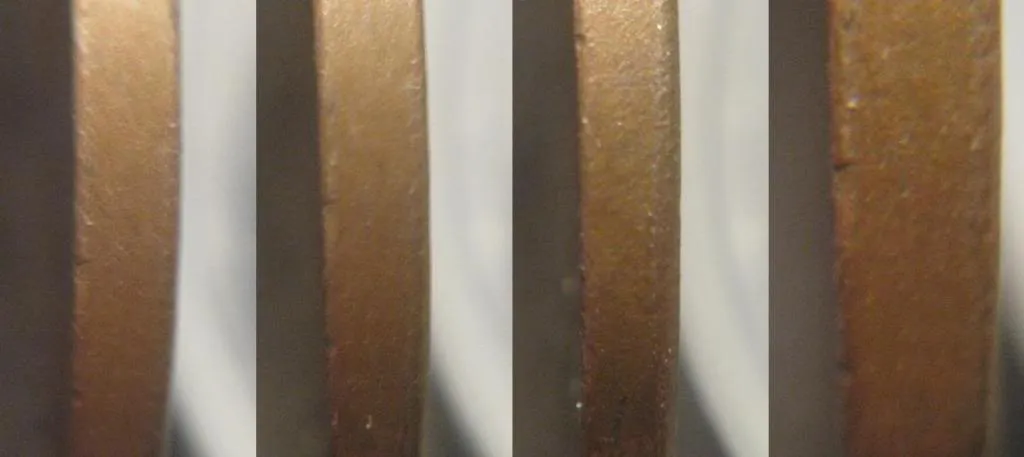 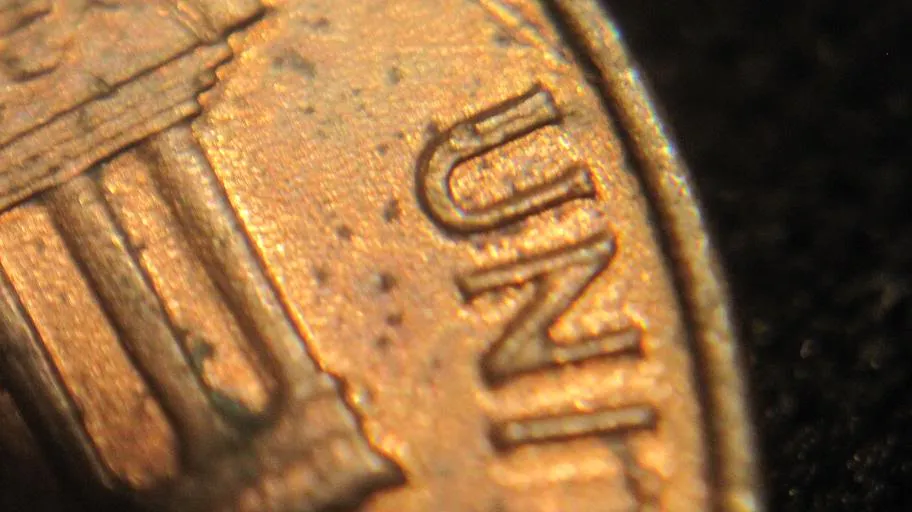 |
|
Bedrock of the Community
United States
19995 Posts |
Did someone say rippled surface? 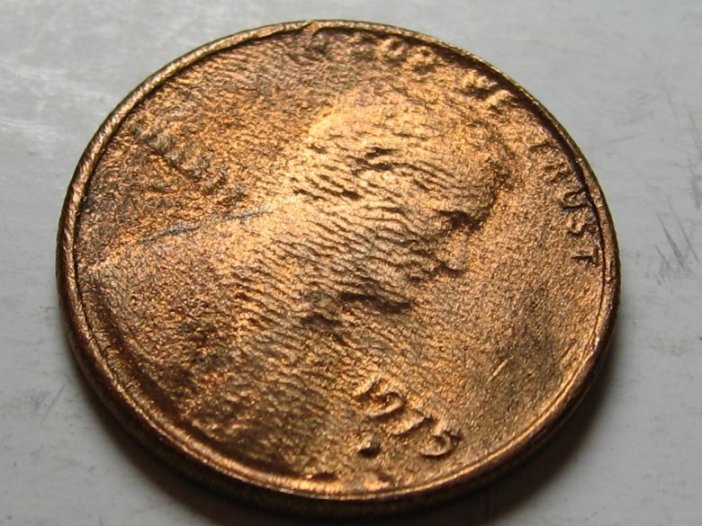 |
|
Pillar of the Community
United States
4000 Posts |
Wow! So, I guess that's where my coin was headed if they decided they wanted it well-done instead of medium-rare?
|
|
Pillar of the Community
United States
2742 Posts |
Scooby, you photographed the edge, not the rim. There's a difference. Anyway, the edge looks a little rougher than one would expect but not egregiously so. BadThad did post a much more severe rippled cent.
Error coin writer and researcher.
|
| |
Replies: 18 / Views: 4,086 |







 Posted 07/15/2010 06:07 am





