| Author |
 Replies: 10 / Views: 1,498 Replies: 10 / Views: 1,498 |
|
|
Pillar of the Community
United States
573 Posts |
Tell me what you think caused this one. Because the rims are intact, it seems that it must have been done during the minting process. Was this created by a huge gob of grease? Or was something else covering the die? Your thoughts are appreciated. 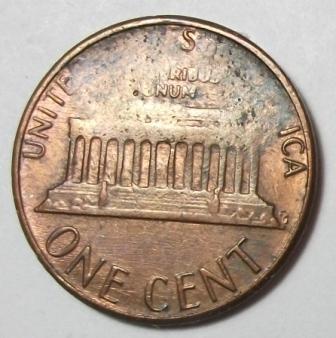 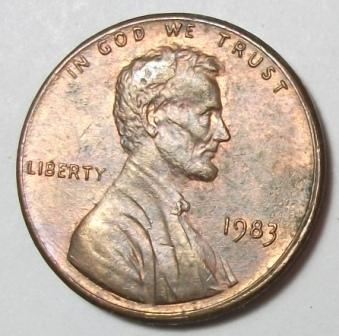 |
|
|
|
Valued Member
United States
186 Posts |
At first looks like grease.... but I think it's from heat.
|
|
Pillar of the Community
United States
613 Posts |
I agree with CEO, something just doesn't look right for it to be a grease job.
|
|
Moderator
 United States
16684 Posts |
You can see where the metal has bubbled. Looks to have had a torch put to it. Definitely post mint.
swcoin.ecrater.com
|
|
Bedrock of the Community
United States
62064 Posts |
I don't think a Zincoln would hold up under a torch. The copper plating would just burn. I'm think a Struck Through Grease. |
|
Pillar of the Community
United States
4541 Posts |
i dont know but its cool!
|
|
Pillar of the Community
 United States
573 Posts |
If this was done with heat/a blowtorch, wouldn't the rim also be damaged? It's intact. That's what made me think this was done during the minting process. What made me question whether this was created with a grease-filled die was the irregular, rough surface of the damaged area. Normally, doesn't a Greaser leave a pretty smooth surface? The surface here is irregular and pitted (those aren't bubbles but holes). That's when I began to wonder if the damage was caused by something else. |
|
Valued Member
United States
314 Posts |
I dont' think you would get the discoloration in the planchet if it were a grease job. That what puts me in the category of the PMD'ers and their blowtorch job. |
|
Bedrock of the Community
United States
17884 Posts |
Grease. Yes, with a torch or heat you can get the inner zinc core to melt (about 800 degrees) but that would not cause the lettering to flatten out. The copper shell would retain their shape. So how do you smooth out the surface again? The striking of the coin has stretched the copper into its new shape which increases its surface area. You can't just compress it back down into a smaller area. And if you heat the coin too much or keep the core liquid too long it will dissolve the copper shell. A Grease Fill of the die will give the result of the missing details seen on this coin. The coloring could easily have come later. |
|
Valued Member
United States
380 Posts |
|
|
Valued Member
United States
142 Posts |
If the copper is intact, it is probably a Struck Through (Grease) Filled Die. I would agree that heat couldn't arbitrarily flatten out design elements. Besides, I have seen a heated Lincoln Cent and the zinc gets wavy and the copper will split in sections. |
| |
Replies: 10 / Views: 1,498 |
|







 Posted 08/21/2010 7:56 pm





