| Author |
 Replies: 23 / Views: 2,573 Replies: 23 / Views: 2,573 |
|
Pillar of the Community
United States
4000 Posts |
This coin has what appears to be Feeder Finger Damage on the reverse. What I'm curious about is the look. The area has so much more of a "highly polished" look to it. Almost as if the metal was freshly scraped. I tried my best to get the difference in the color to show up. Just trying to figure out why it would look so different. 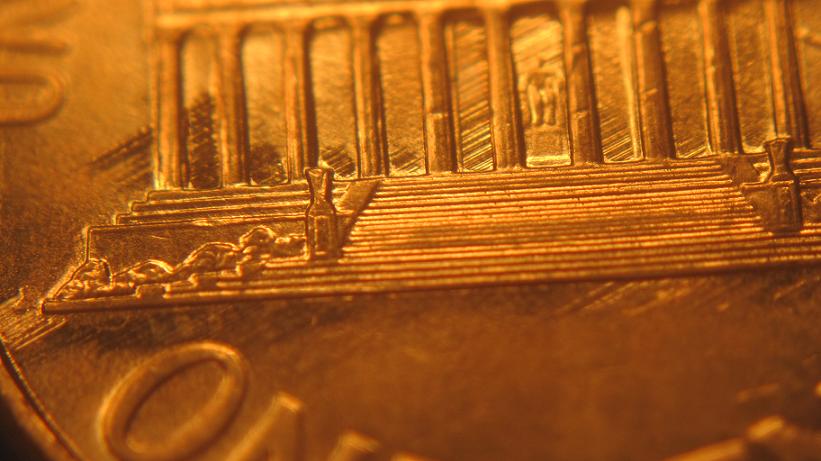 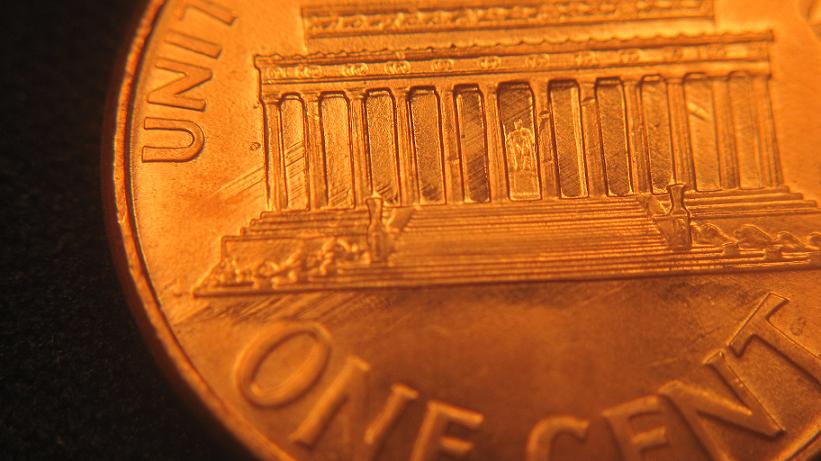 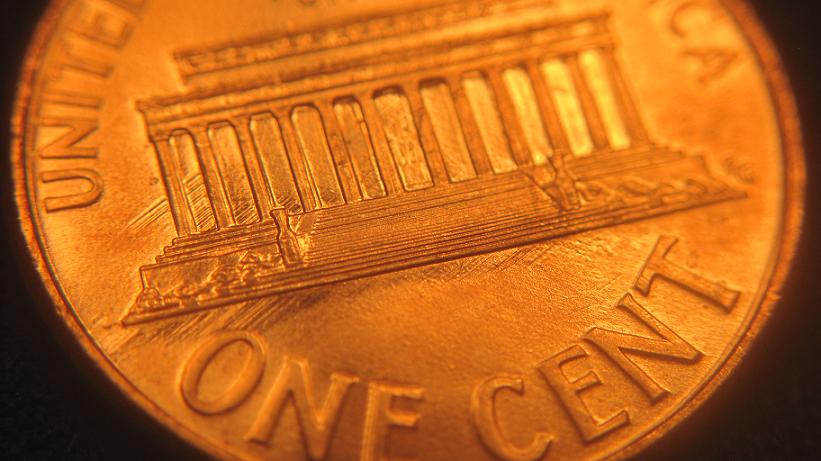 |
|
|
|
Pillar of the Community
United States
3592 Posts |
I know exactly what you mean Scooby...I thought it was just a weakness in the strike due to grease.Looks like I was wrong but I'm glad you posted so I can see the real reason.
|
|
Pillar of the Community
United States
900 Posts |
Could it be caused by die polishing?
|
|
Pillar of the Community
United States
601 Posts |
I think you gave yourself the reason in your OP Scooby-
|
|
Valued Member
United States
287 Posts |
what year is it, just wondering...
|
|
Pillar of the Community
 United States
4000 Posts |
It's a 1997.
I was under the impression they polished the dies with a wire brush, which results in sporadic die polishing lines. These are perfectly perpendicular like feeder fingers would leave and how could they get that "mirrored" look with a brush? Am I missing something?
|
|
Bedrock of the Community
United States
62064 Posts |
I've see that pattern before and thought it was like a sanding block/metal blade or something with a square shape. The area looks box like instead of like lines from a wire brush.   Edited by coop
04/01/2011 2:04 pm
|
|
Valued Member
United States
260 Posts |
That first image is really cool. A keeper. My first guess would have been polishing too but it looks more ingrained than just polishing.
|
|
Pillar of the Community
United States
1944 Posts |
what ever the cause - you have found a pretty cool looking coin. a "keeper" in my opinion. very cool - find.
|
|
Pillar of the Community
United States
601 Posts |
Think about it Scooby- when you scrape any metal- it leaves a shiny mark. Now think about the feeder finger getting caught by the dies and being ripped out. What's left on the die is a "shiny" gash, which produces a mirror image on each coin it subsequently coins.
I'm not suggesting you should have known. But in my way of looking at the process, it's the only logical conclusion.
I've been wrong on numerous occasions and have always learned from the situation, so I hope if I'm incorrect that someone will say so.
|
|
Pillar of the Community
United States
4000 Posts |
This is different, though. The whole area surrounding the gouges looks "polished". In between the finger damage (if that's what it is), around the finger damage. As if a whole section of coin were scraped off, then the feed finger damage occurred. I'm not trying to argue, just get my head around it. How many "fingers" are on a feeder anyway? These are really tight gouges.
|
|
Pillar of the Community
United States
601 Posts |
Only one finger Scooby, and I'll show it to you if we ever meet! lol
It's simply a piece of metal that grasps the planchet and places it between the dies. Don't imagine a hand, it's just a "grabbing" tool, that handles the planchet. If it's caught in between the dies and ripped out, it'll leave a gash on the die, that's what you're seeing, the scrape from the metal feeder.
|
|
Pillar of the Community
United States
601 Posts |
Feeder Finger Die Scrapes (FFDS? No, let's not do that!) like yours are very dramatic looking, there may not be a strong market for them now, but I think they'll develop a strong following. I'm socking them away myself. Cool coin!
|
|
Pillar of the Community
United States
4000 Posts |
Quote:
Only one finger Scooby, and I'll show it to you if we ever meet!  OK - I know when to let it go. |
|
Pillar of the Community
United States
601 Posts |
No not at all man, I want to make sure you get what I'm trying to describe, in all seriousness.
I used to have some feeder fingers that were struck by token dies, super dramatic looking pieces, I wish I could photograph them to be more like Coop....an image would probably help in this situation.
|
|
Pillar of the Community
United States
3640 Posts |
So at what stage of the process would the feeder damage occur ? Blank to planchet, planchet to press (pre punch) or any step in between ? Seeing as those marks are only in the fields they were either caused pre punch or a composition problem or there was a problem with the die at punch. Just curious as I hear this Feeder Finger Damage thing quite often. |
| |
Replies: 23 / Views: 2,573 |







 Posted 04/01/2011 11:21 am





