| Author |
 Replies: 11 / Views: 2,004 Replies: 11 / Views: 2,004 |
|
|
Valued Member
United States
232 Posts |
Edited by tershaffer
04/05/2011 12:14 am
|
|
|
|
Rest in Peace
United States
1943 Posts |
|
|
Pillar of the Community
United States
3592 Posts |
Very common on 80's cents
|
|
Bedrock of the Community
United States
62064 Posts |
Die abrasion. Thinning the field of the die to cover a clash? 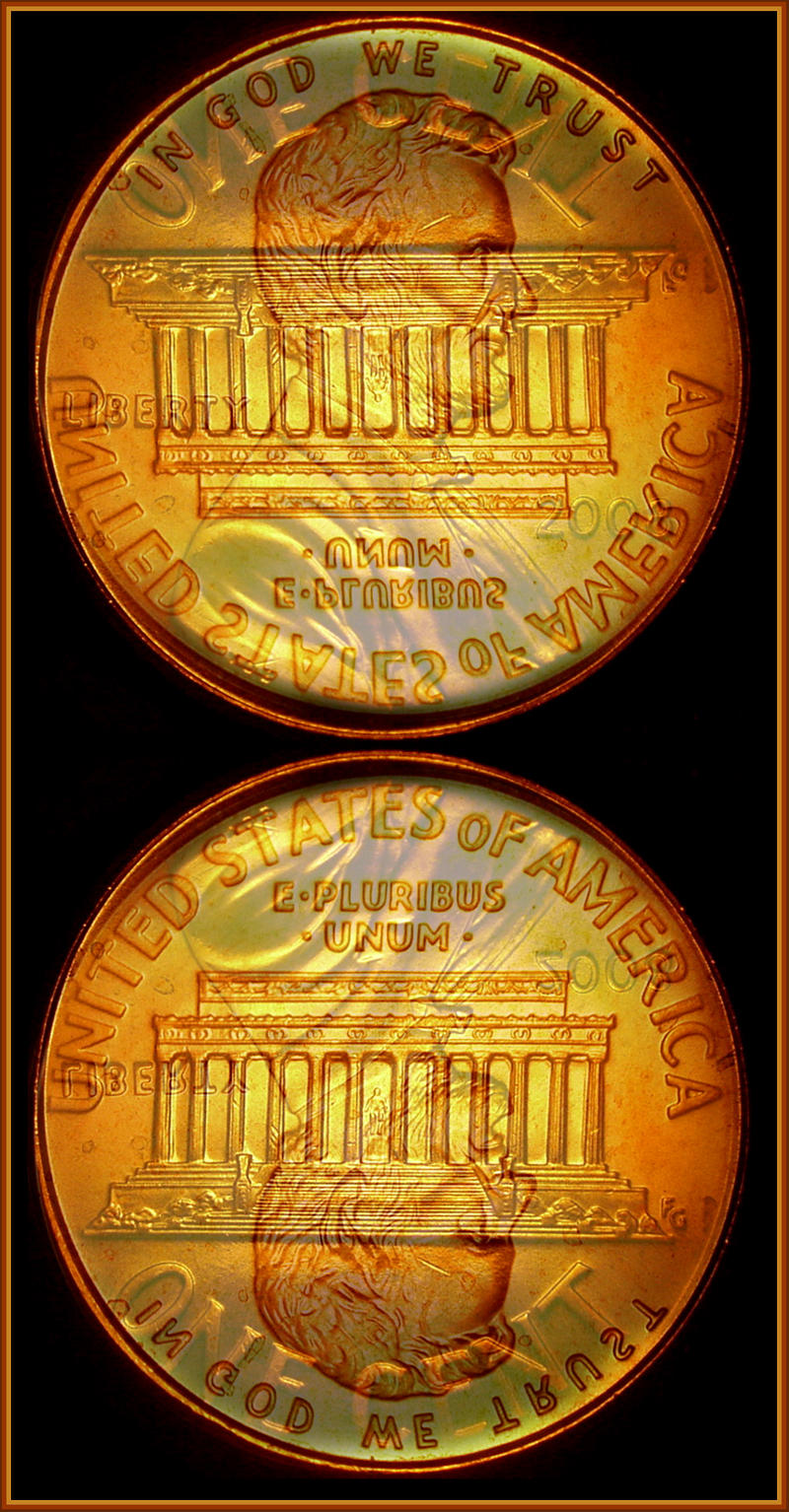 |
|
Valued Member
United States
326 Posts |
They vary many degrees from slight to off center. Most prevalent in the 80's.
|
|
Valued Member
United States
326 Posts |
Wow coop. I have never seen a coin like that. Is it just a photo error or a real coin error?
|
|
Bedrock of the Community
United States
62064 Posts |
That is just an overl lay of the position of where the fields would touch each other during a clash. Knowing where the outline of the fields/devices will help explain how a clash would show on each of the other other dies. Fields being on the outside face of the die, devices deep into the die. Where fields and devices are, outlines the opposite dies during a clash. This knowing the position will help to identify what could be affected during the clash and after cleaning it would help to show what area metal was removed to cover a clash. But I've seen one case of where the die clash was so deep the ovlerlays show what you were looking at. https://www.coincommunity.com/forum...lash_OBV.jpghttps://www.coincommunity.com/forum...lash_REV.jpg |
|
Valued Member
United States
326 Posts |
Do they ever get out into circulation?
|
|
Bedrock of the Community
United States
62064 Posts |
The nickel one did in the last to links. But that is an extreme example of a clash. That is why I call it the strongest die clash I've seen. Most of the time they just affect a certain area. Other times more of an area is affected. The more affected examples carry the premium.
|
|
Pillar of the Community
United States
7629 Posts |
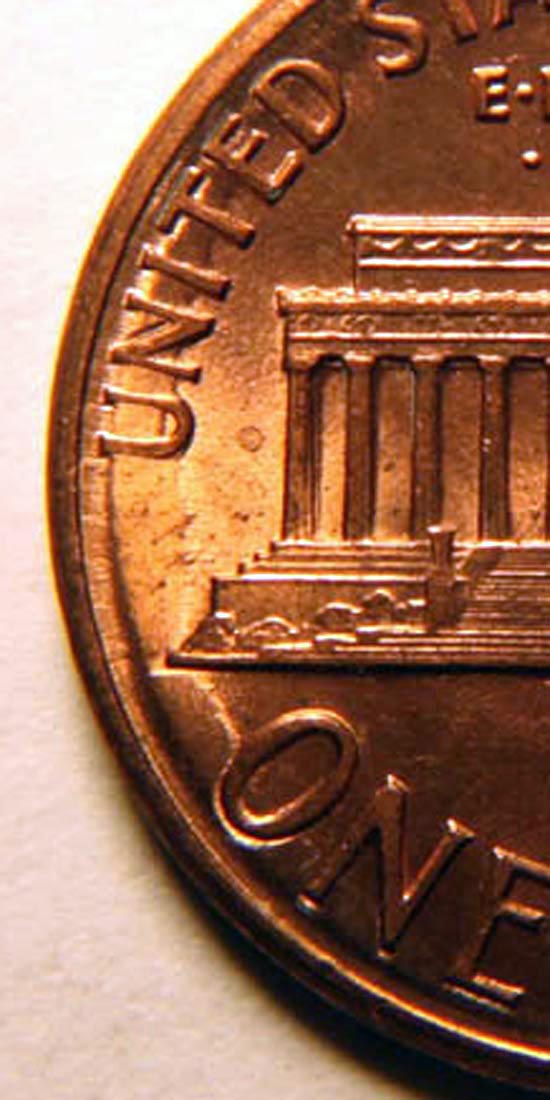
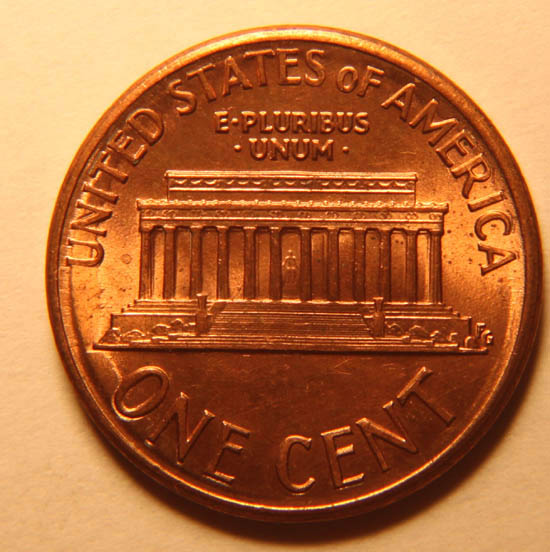
Die clashes are common. Only if they are more extreme do they have any value at all. Coop's image uses partial transparency to show the position of the design elements in relation to one another when the dies are aligned in the press to make coins. It is not an error coin. Your coin, however, has nothing at all to do with die clashes, which makes me wonder why Coop raised the topic in this thread. What you have is common Die Deterioration caused by die overuse. It is common and does not warrant any premium value. It is not an error, it is an example of what happens when dies get old. |
|
Bedrock of the Community
United States
62064 Posts |
I mentioned it as one area on the die is affected more than the rest of the die. Giving me the thought of over polishing to remove a clash. Overall the die wear is not even.
|
|
Pillar of the Community
United States
7629 Posts |
Nor is it always. Die abrasion does not look like this.
|
| |
Replies: 11 / Views: 2,004 |
|






 Posted 04/05/2011 07:54 am





