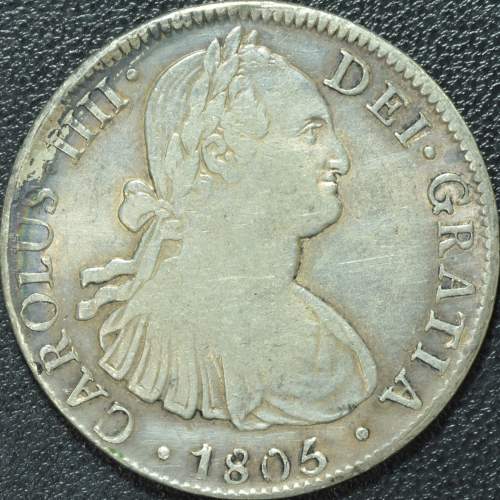
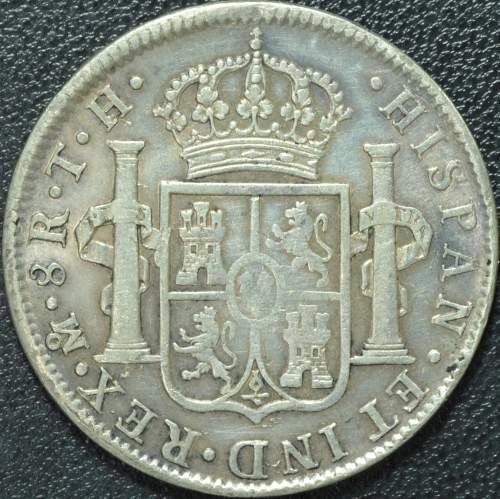
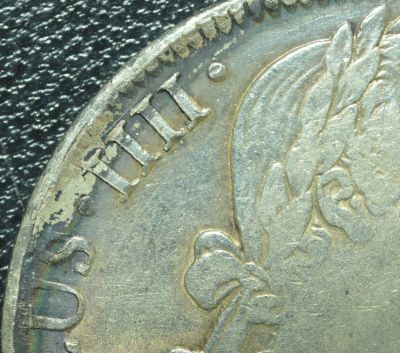
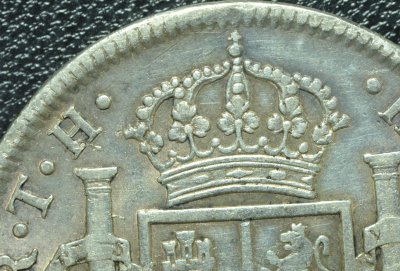
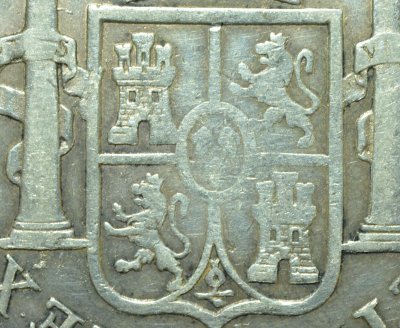
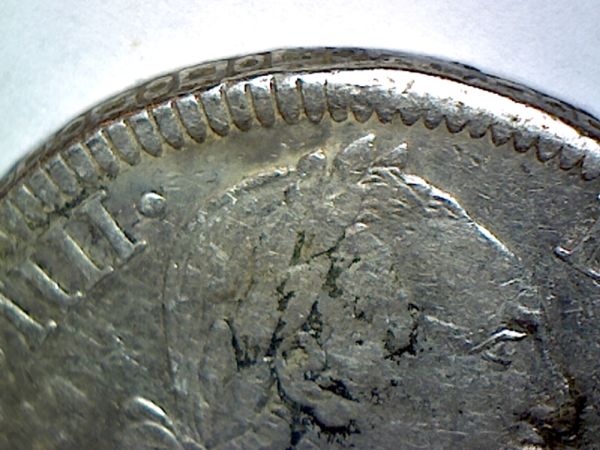
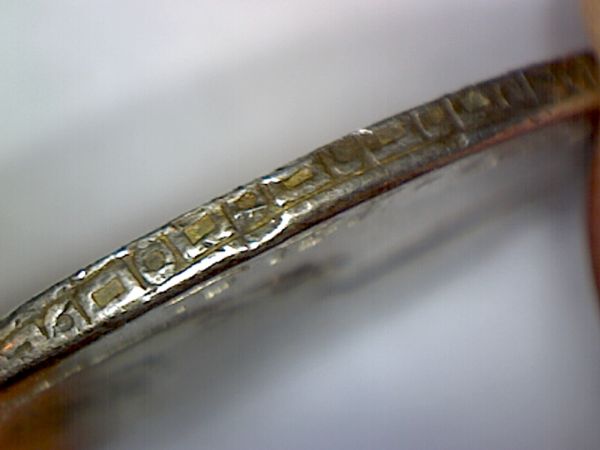
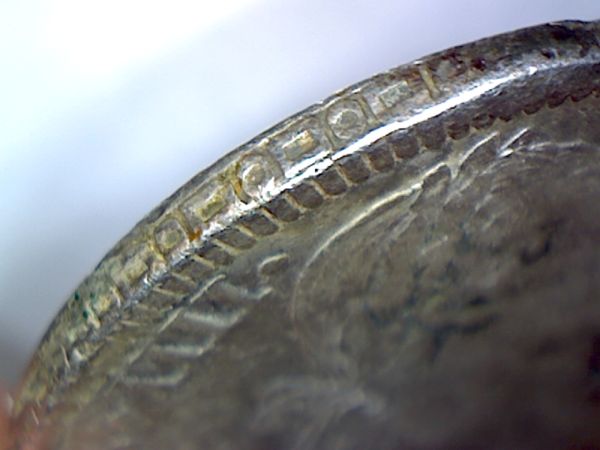
I guess based on the SG, that the edge design fooled me and that some re-examination of Class 2 versus Class 3 is in order (specifically for the coins using your particular edge design). It may be more modern than I suspected.
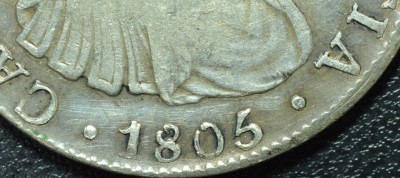
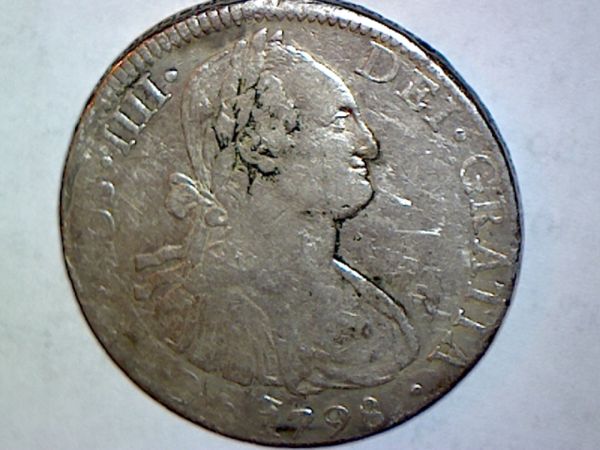
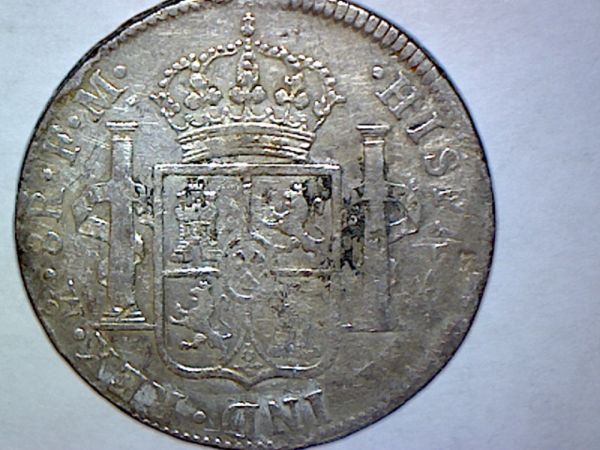
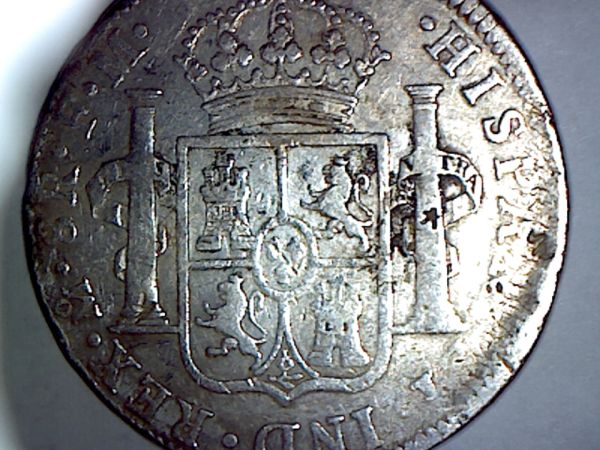
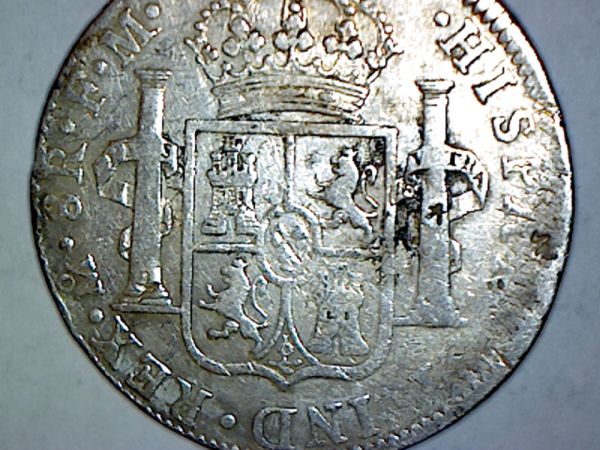
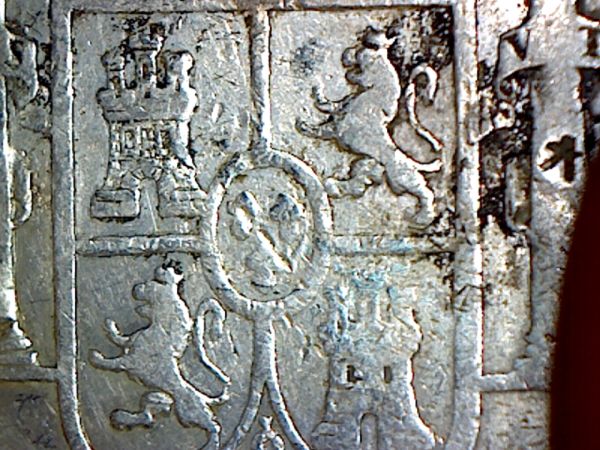
The SG of this last 1805 coin would indicate that the coin most likely falls into Class 3 Numismatic Forgery and that it was very unlikely that it was made to circulate. It was definitely made with a late transfer type die pair. That means it was made after 1830 but could have been made last year as well. Class 2 is post 1830 but also pre-1940 and must have circulated.
Since your 1805 is under 600 fine it has only two places (based on average population of classes) where it could fall based on assay only. Since Class 1 is eliminated by the die making technology it must fall into the category of Numismatic Forgery Class 3 post 1930. I have yet to identify a Class 2 with silver content that low. Typically the copies I have discovered are in the 875-925 range.
Had it been above 700 fine it could possibly be classed as a Class 2 because many of them were also transfer impressions. They were made from 1830 to 1930. The key difference is actual circulation usually best determined by a very close visual inspection of the surfaces. This effect could be faked so in some cases the line is blurred.
The Class 2 Silver counterfeits are normally much closer to 900 fine. There are references from the 1830's about coins up to 16% low in silver content (740 fine) being made after 1830 that were accepted in China until the Schroff's were instructed on how to use SG. By the 1840s the coins in Class 2 were about perfect in silver content within the limits of SG accuracy. A US report from the early 1850s classed the counterfeits as perfect in alloy.
John is using the original definition we had for Class 2 which was age based not silver content based. The coins made with transfer technology and those made with German silver were initially going to be placed in Class 2. However in the final analysis very few cases of GS or coins that were beyond all doubt post 1830 transfer types (galvanic and impact methods) were actually discovered. By my count there were only 6 coins. There are over 500 Class 1 about 100 class 2 and 200 class 3 coins.
There were a more significant number of early partial transfers (probably a punch duplication process envisioned by Bolton) which number about 40 coins. Therefore these 46 coins meant we had to rethink the classification system.
These few coins would force a reclassification and enlargement of both Class 1 and 2 into at minimum of 4 sub-classes each. It would also generate more heat than substance since among collectors some were adamant that their coins were Class 1 not Class 2 because of the "early transfer" methods. The line between early transfer and later transfer methods was also indistinct on well worn coins and the possible case of high silver examples made from hand engraved dies only complicated the issue. Coins made using hand engraved dies are at present impossible to separate without XRF tests which might end up inconclusive anyway.
So holding onto the 1830 break as an absolute would leave us with eight categories instead of two:
Class 1a - Heavily debased - pre-1830 - nontransfer type.
Class 1b - Heavily debased - pre-1830 - early transfer type
Class 1c - High silver - pre-1830 - nontransfer type
Class 1d - High silver - pre-1830 - early transfer
Class 2a - Heavily debased - post-1830 - nontransfer type
Class 2b - Haevily debased - post-1830 - late transfer type
Class 2c - High silver - post-1830 - nontransfer type
Class 2d - High silver - post-1830 - late transfer type
The 1c and 2c types of which perhaps 6 examples exist would cause a lot of arguments which might not be able to be settled yet. The Class 1d is one for which I have never seen an example but even if I did the problem of distinguishing it from a 2d could be difficult when heavily worn.
So to accommodate all the known facts and to eliminate the potential disputes it came down to an easy fix. Take the 46 or so known problem examples and classify them by high or low assay (divided at 700 fine). By my estimate this placed 6 coins into Class 1 that were likely made after 1830. Not a bad fix to eliminate 6 almost unpopulated categories.
So in the end we have a few known post 1830 heavily debased coins in Class 1 and ALL high silver coins are in Class 2 regardless of exact date of production.
I hope that explaination helps.
Class 2 coins include a few SLIGHTLY debased coins but none under 700 fine.
Class 1 coins are the under 700 fine heavily debased copies made to circulate using various die and mold making technologies.
The selection of 700 fine as the dividing line was based on existing reports from 1830 to 1850. All Riddell coins (all class 1) are under 700 and all reported silver restrikes that were discovered in China are over 700.
Finally regarding ring. In my case, I have been told by my wife who is a wonderful singer that I have a tin ear.

Therefore my comments on pitch might not be the best. But I have observed that some high silver coins ring differently than others and I suspect that internal crystalline forms (cast versus struck) might be the cause. I do know that internal laminations can screw up the ring too.
Ring was a method relied upon by the Chinese Schroffs until they used SG. I tend to bypass ring.












 Posted 01/11/2013 1:58 pm