Serial
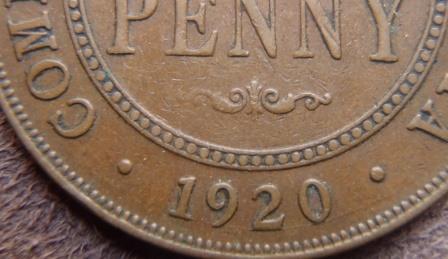
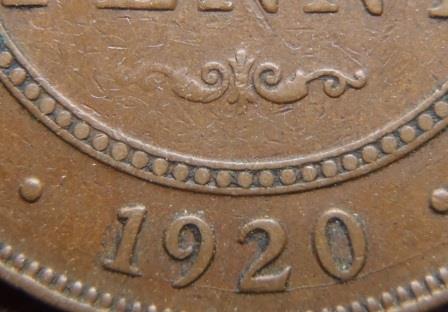
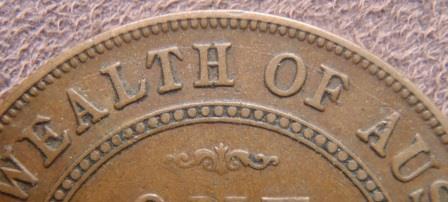
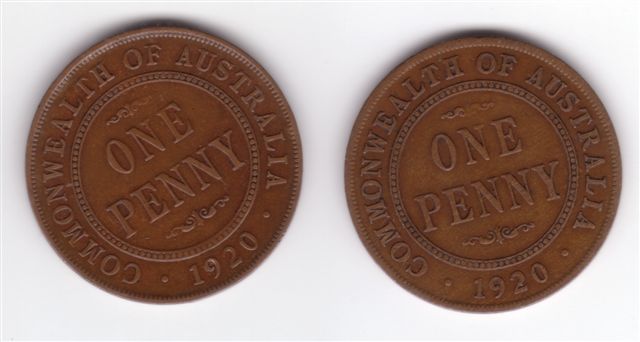
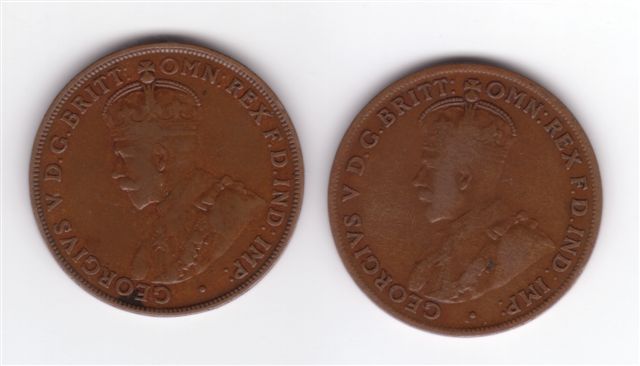
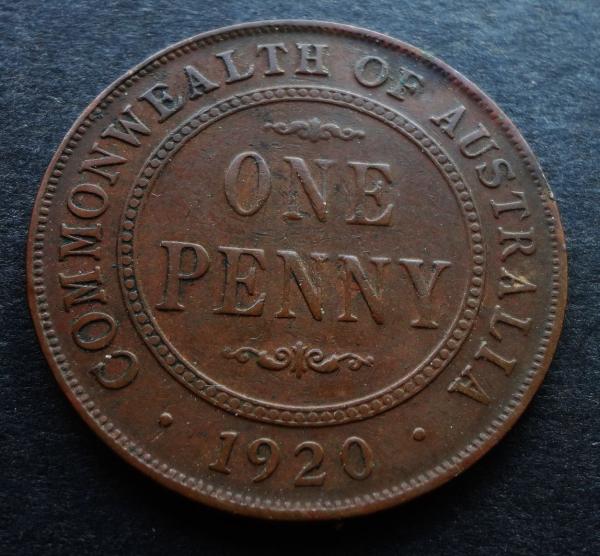
For the No Dot pennies (which are all FBL) these are the markers that I look for.
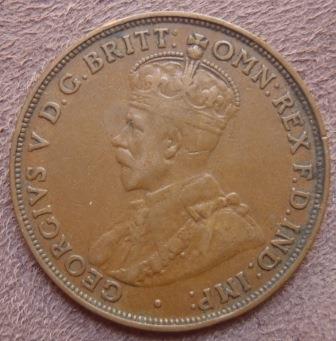
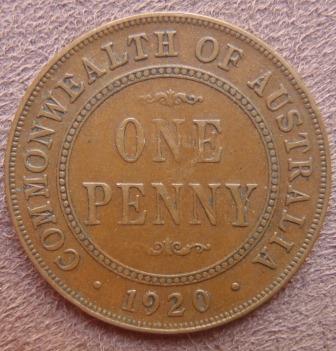
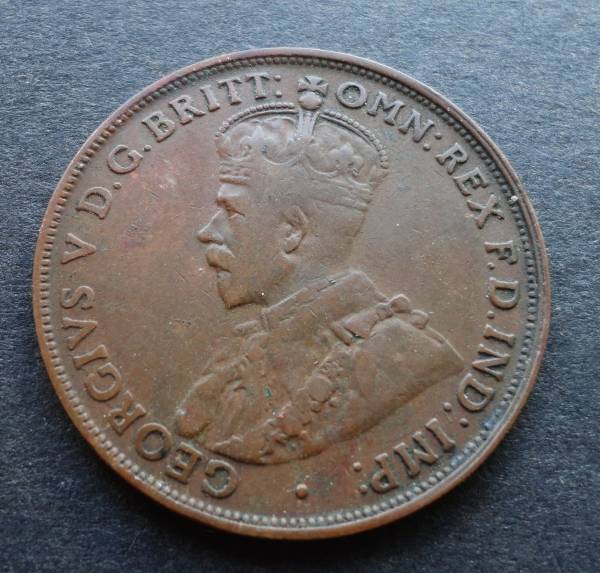
1 a die pair with 2 dots on the front edge of the kings nose and a dot to the left of the foot of the Y. it may develop die cracks through MP GEORGIUS VDG BRITT. It may have clashed dies.
2 a die pair with a bulge at VDG and a dot to the left of 19, it may develop a die crack through AUSTRALIA and stippling below the date. Note that the Obverse die was also later paired with a Dot Over reverse so these may be Perth minted No Dots.
3 a die pair that has only minute obverse and reverse faults but develops die cracks through COMMONWEALTH OF AUST, IA, 1920 and GEORGIUS VD, BRITT, MP. It may have clashed dies.
4 a die pair with a faint dot on the right edge of the 3rd A and a dot next to O in OMN, it also has a mark in the denticles below the king and may have diecracks in EO and MP and may have clashed dies.
5 a die pair with no reverse faults but is distinct by a large defect in the denticles below the king, some coins are triple clashed.
I have not given all the faults, just the ones you might see on a crappy auction image. Some faults are just visible (at the right angle and with the right light) to see with a 15X loupe.
Dies 1-3 are about 5 to 10 times more common than the last 2 dies. There may be one or two dies that are genuine No Dots but I cannot be certain as my examples are not in high enough grades to be certain about them.
A no dot is a negative, it is hard to prove a negative but once I have at least a few decent coin or 20 average circulation coins with no visible dot then I would feel reasonably confident to call a die a No Dot die. As some of the die pairs are only found in fewer than one in every thousand 1920 pennies then once I pass 20,000 X 1920 will I feel reasonably confident that I have identified all the dies. There appear to be no die pairs with no fault either side.












 Posted 07/28/2013 05:31 am