| Author |
 Replies: 9 / Views: 2,007 Replies: 9 / Views: 2,007 |
|
|
Pillar of the Community
United States
2760 Posts |
|
|
|
|
Pillar of the Community
United States
1812 Posts |
 I like how the error and variety coins of this era seem to have been widely circulated. Years before the internet age, and long before I started collecting error coins, I purchased (or should I say overpaid) for a G/VG 1864 Two Cent Piece with a 180 degree rotation. At the time of purchase I remember the Dealer mentioning how rare the coin is, and now in the internet age where questions are answered with a stroke on the keyboard, along with instant global access to darn near any coin being auctioned or sold, I found my rare 1864 piece to be so common that it rarely commands a premium. Quote:
Fits well in my rotated large cent collection - even with the cleaning, low grade and scratches.
I also have some early 1/2 Cents that had received the dreaded "scratches" notation from ANACS, and while they may not sell for what I had originally paid for them, I still like them the same as I did before knowing they were considered "problem" coins. |
|
Bedrock of the Community
United States
17884 Posts |
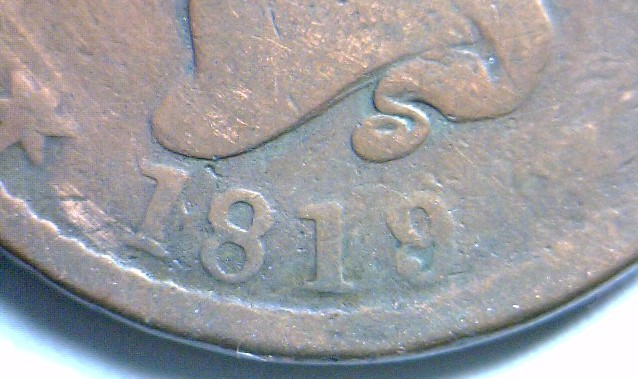
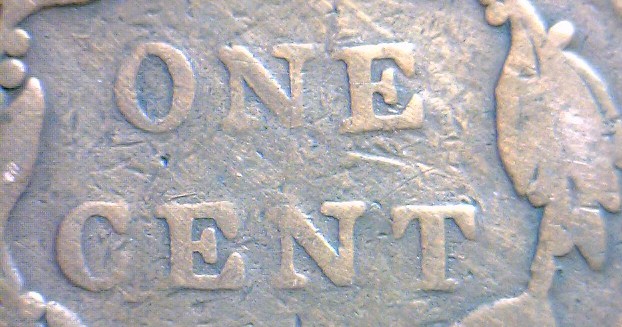
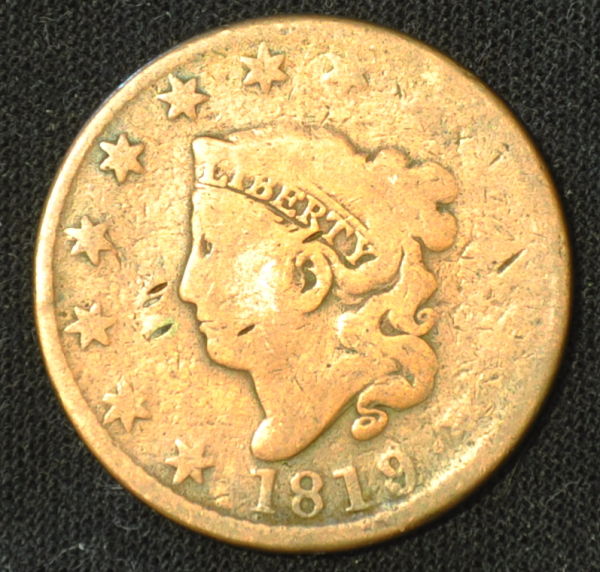
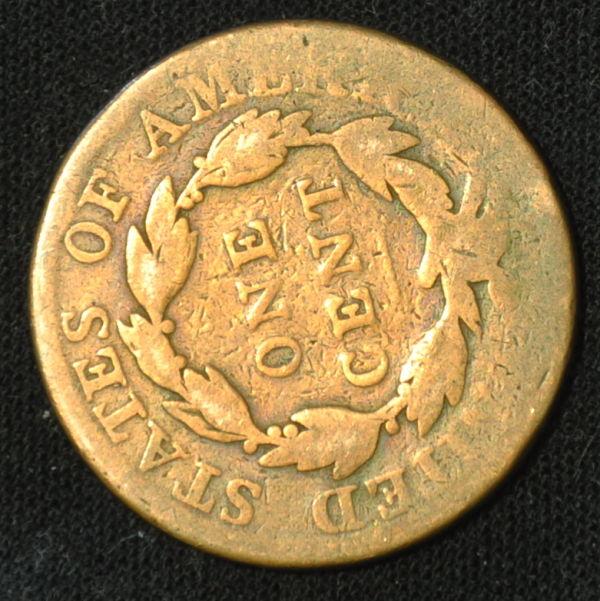
1819/8 N-1, commonly comes with rotated reverse. The reverse die may have been loose in the die cup because it comes with a wide range of rotations.
Edited by Conder101
07/25/2013 11:05 am
|
|
Pillar of the Community
 United States
2760 Posts |
Broken-coin, I went to a big coin show with a printout of the rarity of rotated dies on coins (from rotateddies.com). A dealer with a rotated 2-cent piece was very interested in how rare it was. He was disappointing when he found it was an R1. Welcome the internet.
Conder101, think I overpaid at $15?
|
|
Pillar of the Community
United States
9811 Posts |
Quote:
Fits well in my rotated large cent collection - even with the cleaning, low grade and scratches. Sounds just like some of my 2 cent pieces in my variety collection!  I just can't say no to any of them - no matter how bad they look!  That is cool regardless of the problems "Buy the Book Before You Buy the Coin" - Aaron R. Feldman - "And read it" - Me 2013! ANA Life Member #3288 in good standing since 1981, ANS, Early American Coppers Member (EAC), Colonial Coin Collectors Club member (C4), Conder Token Collector Club member (CTCC), Civil War Token Society (CWTS) member, Liberty Seated Collectors Club (LSCC) & Numismatic Bibliomania Society member (NBS), USMex, Member in good standing, 2¢ variety collector. See my want page: http://goccf.com/t/140440 |
|
Bedrock of the Community
United States
17884 Posts |
|
|
Moderator
 United States
16711 Posts |
$15 is indeed fine.
I agree, common with rotation in fact, many of the Matron Heads.
swcoin.ecrater.com
|
|
Pillar of the Community
United States
2077 Posts |
Quote:
I like how the error and variety coins of this era seem to have been widely circulated. I think it was the 55 double die that got non collectors seeking out errors. Nowadays there are people that will look at their pocket change under magnification and if they see the slightest amount of doubling, they think they have something special. And this whole thing with extra trees, cactus thorns, etc on State Quarters is way over the top. BTW, that rotation is more than typical, not rare, but less seldom seen. I would have spent $15 on it, but I'm a poor gauge of what a large cent is worth. Edited by OldSkoolMadSkilz
07/26/2013 6:30 pm
|
|
Bedrock of the Community
United States
17884 Posts |
Quote:
I think it was the 55 double die that got non collectors seeking out errors. It was what got COLLECTORS to start paying attention to errors. Before the mid 60's error coins were generally considered to be dogs and most "self respecting" collector didn't want to have anything to do with them. Dealers would often throw them away in the trash. The few collectors of errors were said to collect FIDO's (Freak Irregular Defective Oddities) Even the 55 DDO wasn't an instant or great success. But it did get collectors looking. Then followed the BIE craze in the late 50's, and then the next ground shaking discovery the 38 D/S nickel the first overmintmarked US coin known. (There are others known today but when the 38 D/S was discovered in 1962 or 63 no one had ever conceived of an overmintmark.) |
|
Valued Member
United States
324 Posts |
I would also add Leroy Van Allen and his VAM work also caused a very big increase in last 10-15 years. |
| |
Replies: 9 / Views: 2,007 |
|









 Posted 07/25/2013 11:03 am


