| Author |
 Replies: 20 / Views: 7,341 Replies: 20 / Views: 7,341 |
|
Pillar of the Community
United States
1674 Posts |
Recent acquisitions. Main post is after the pictures. First one, attributed to Mozambique: 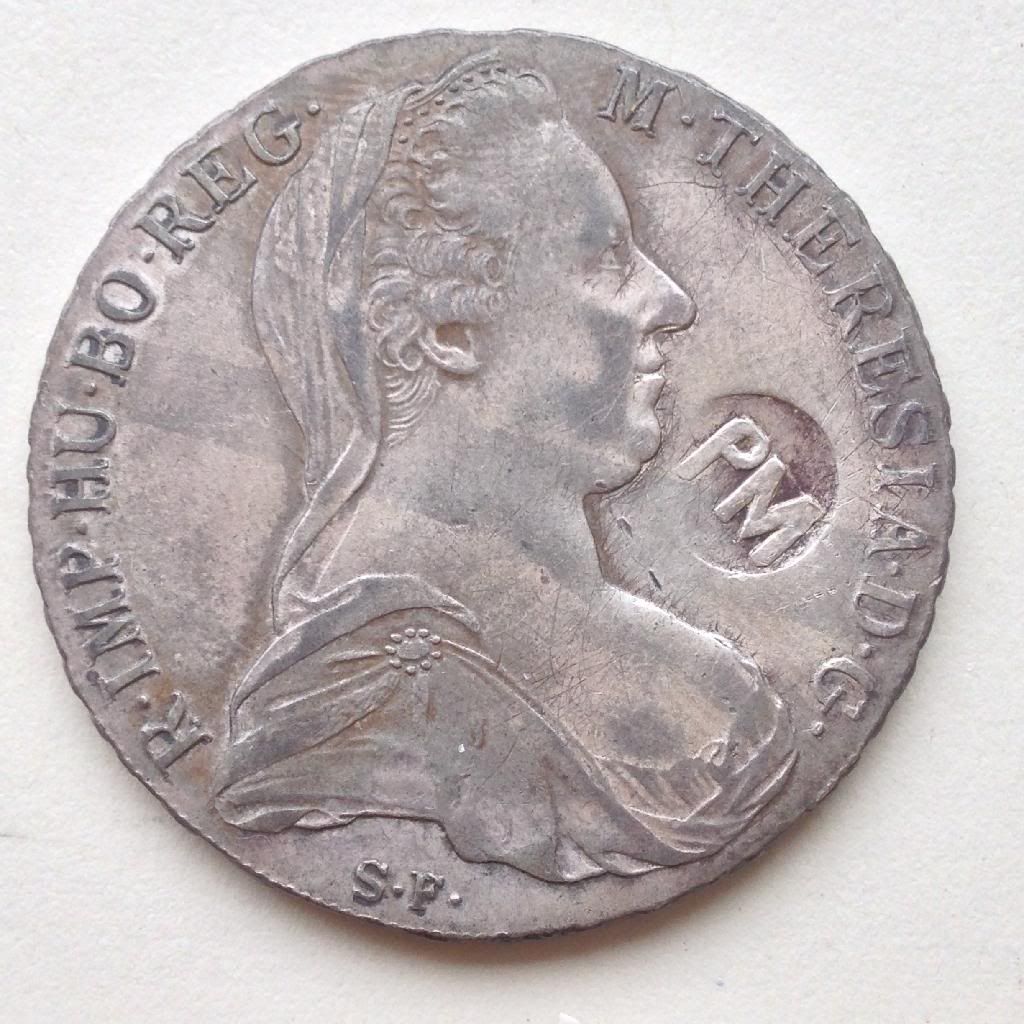 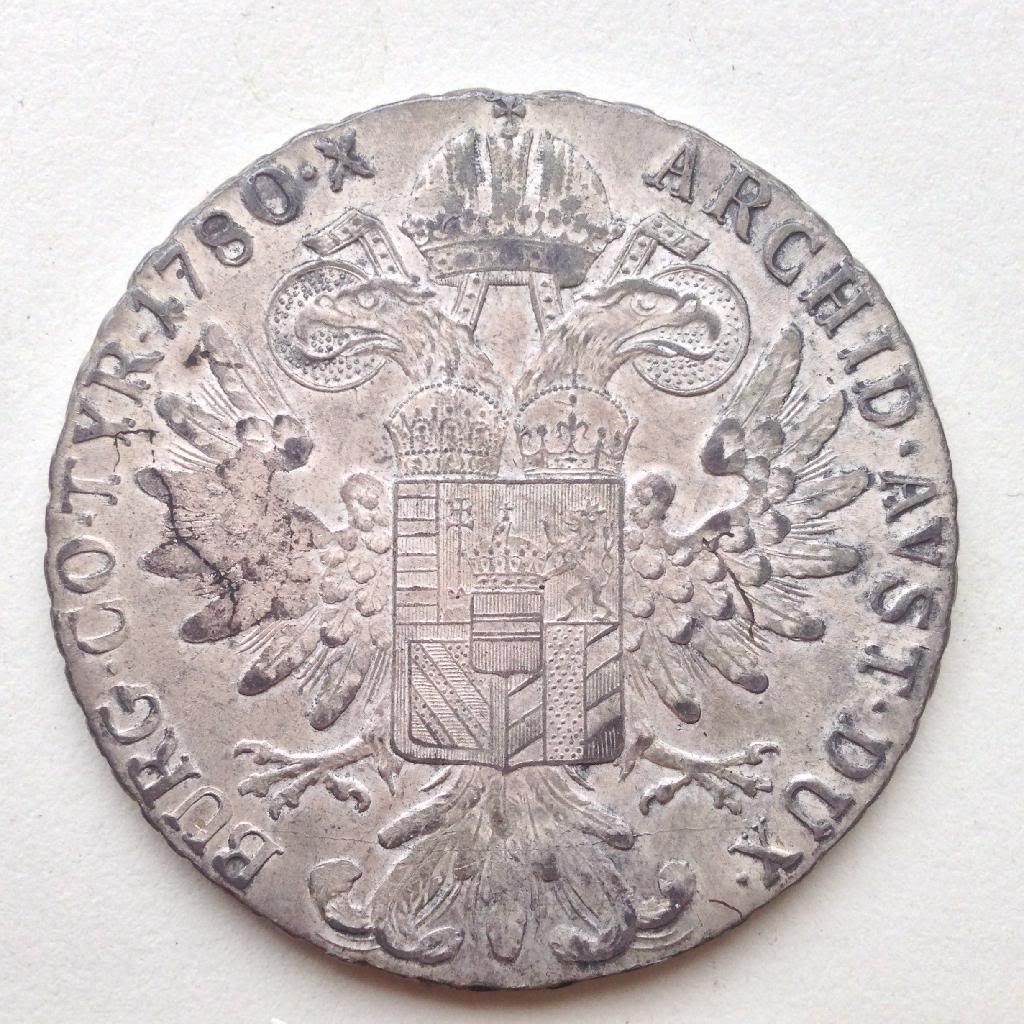 Next two are attributed to Pemba Island, Zanzibar: 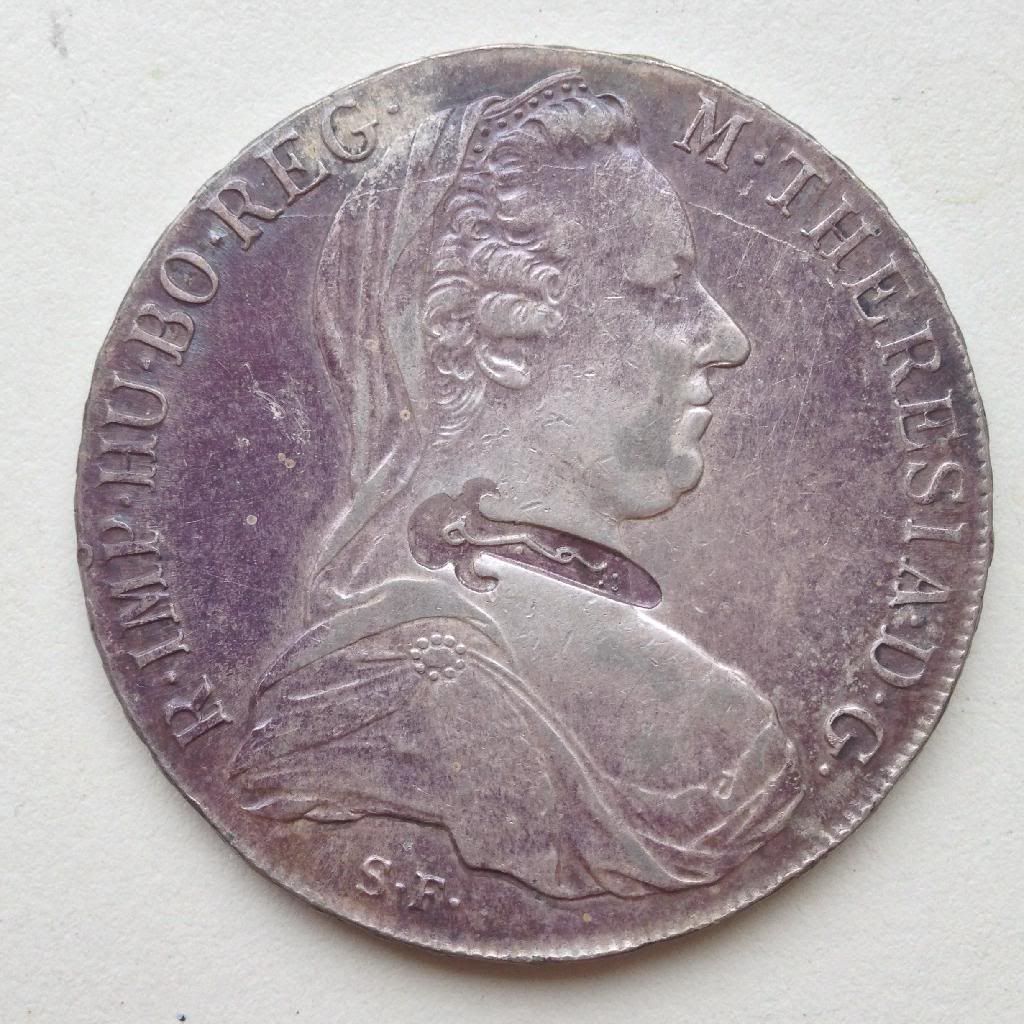 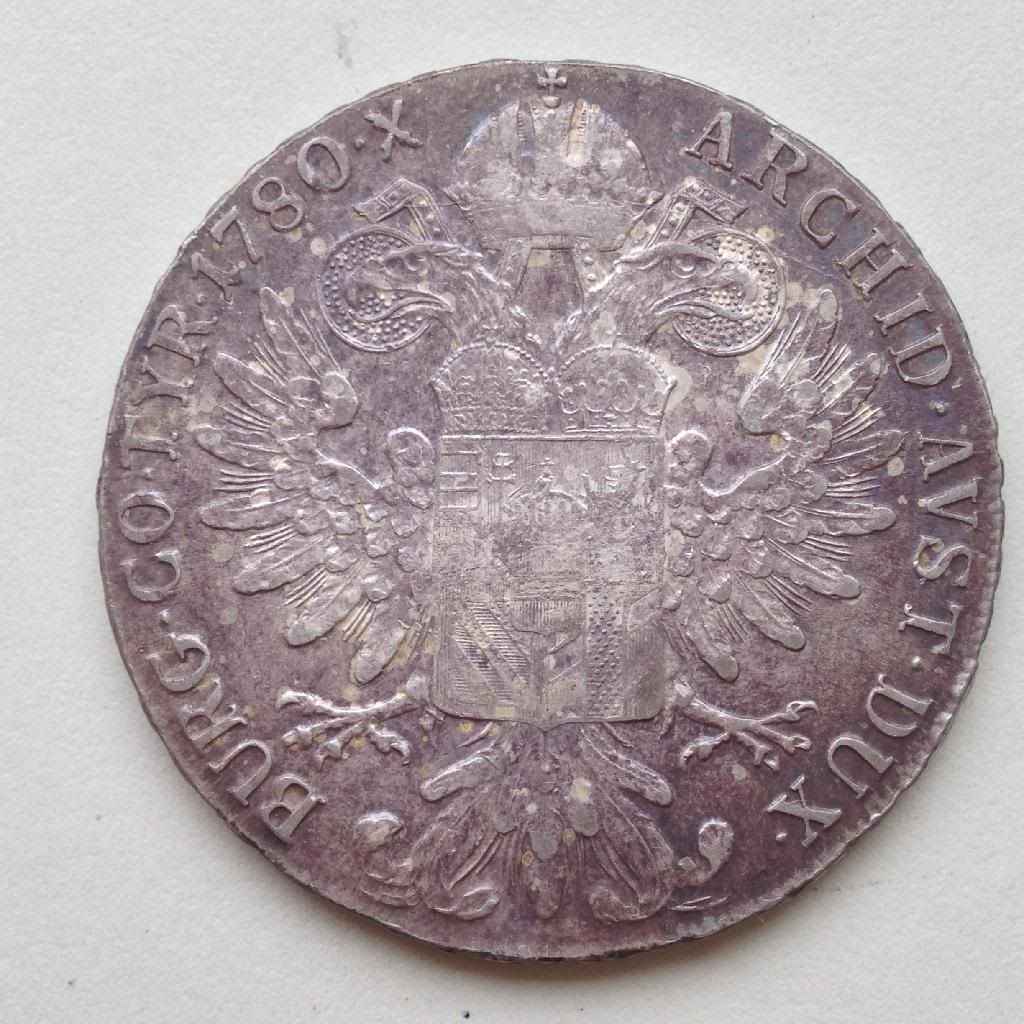  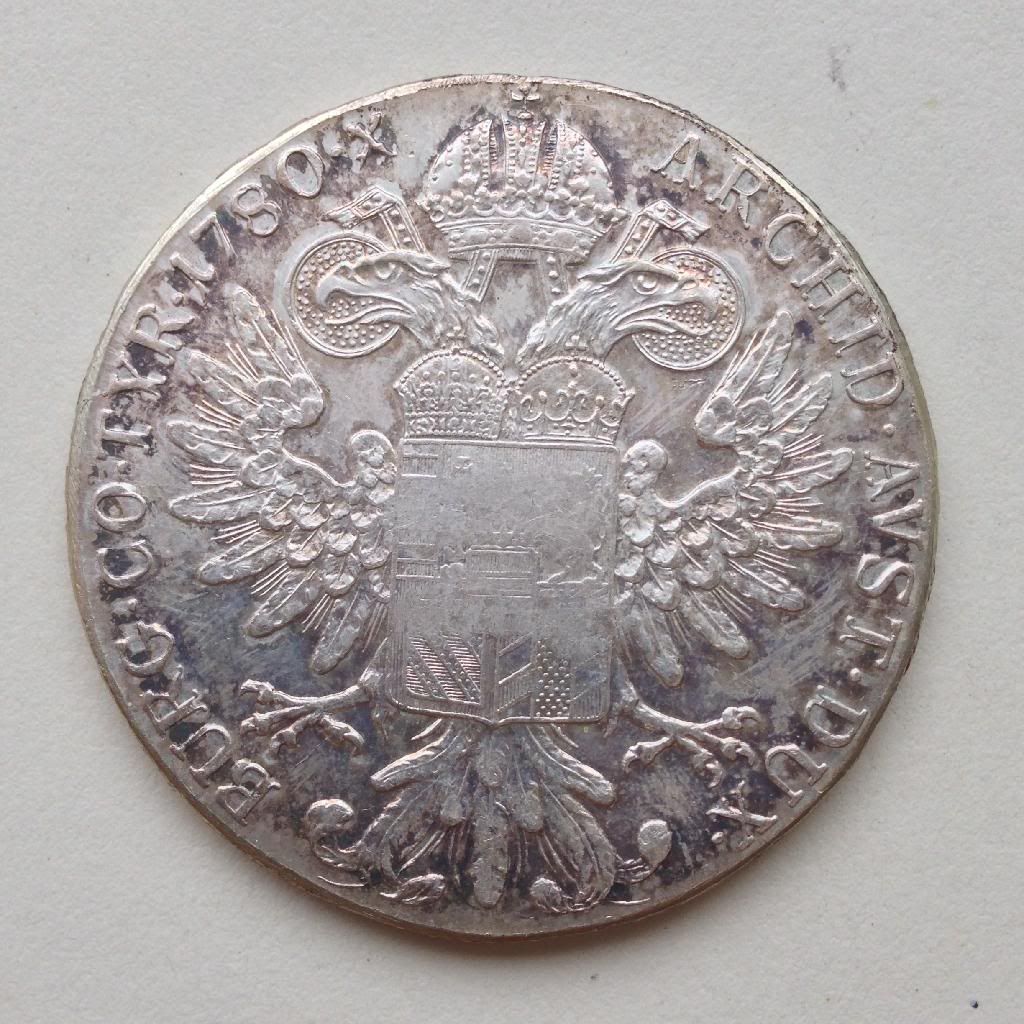 Last one attributed to Ras Bab al Mandab: 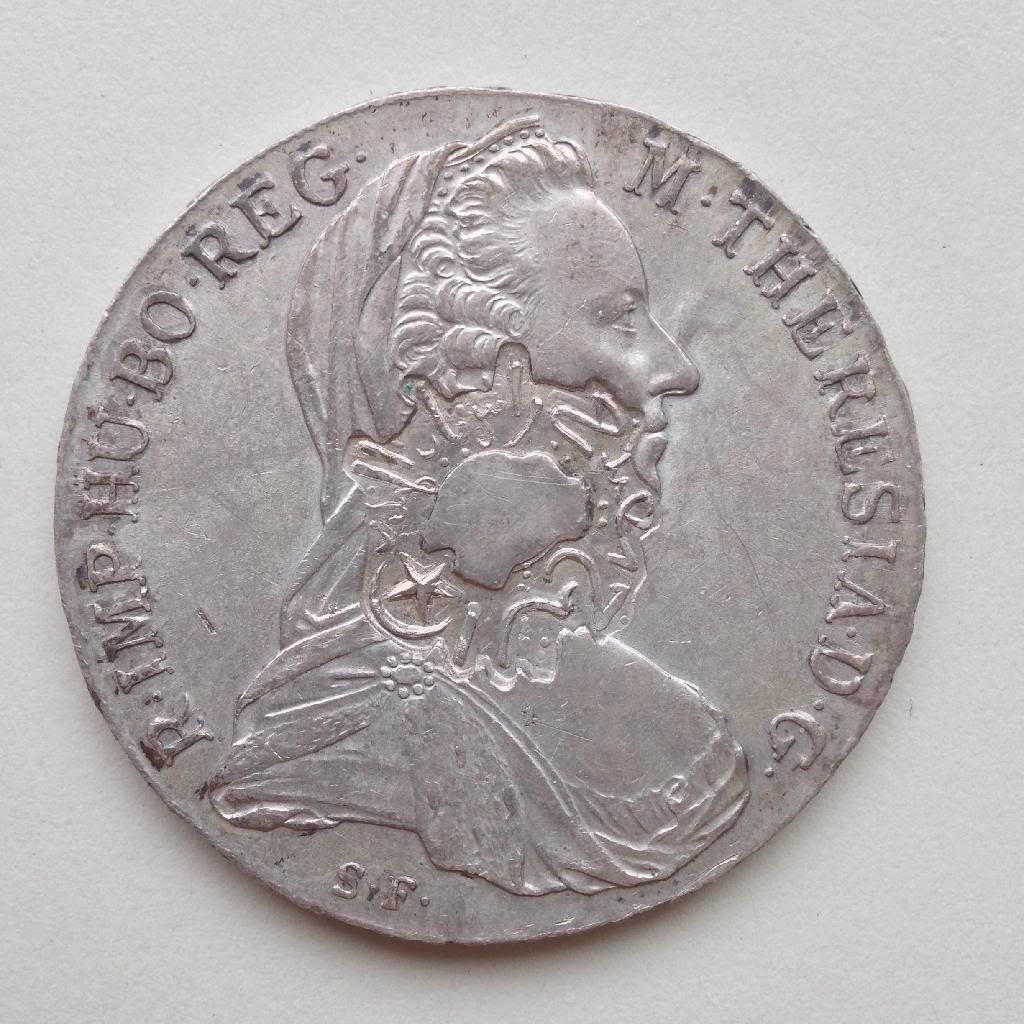 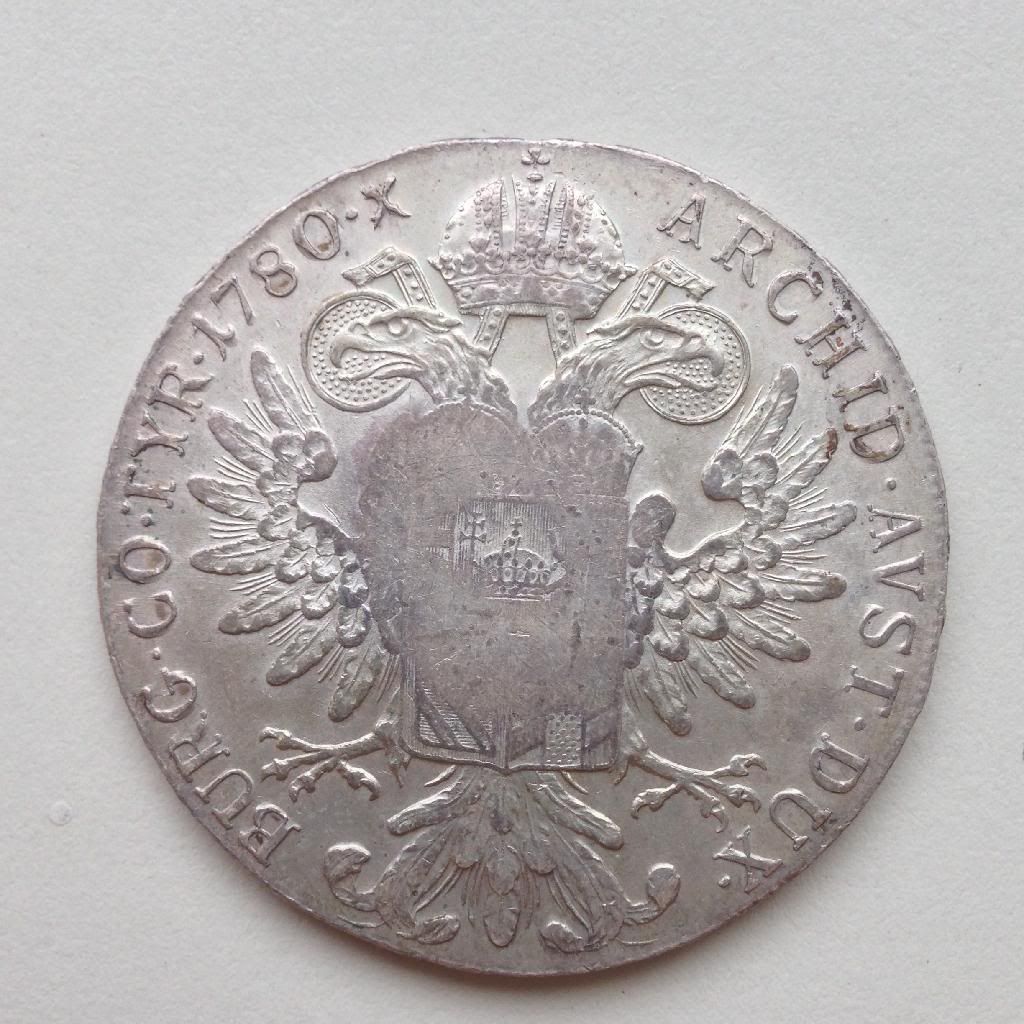 These are interesting and highly controversial counterstamps. The last three, for example, are only known on host coins made after 1945, and which only appeared on the market in the 1960's. The prevailing theory is that they were commissioned by collectors traveling through the region, and were fantasy pieces that should have happened, but actually did not. The first piece, attributed to Mozambique has some historical background in the form of late 19th century pieces bearing the counterstamp. However, the vast majority of the host coins are mid 20th century or later. The few late 19th century variant bearing this counterstamp really mean nothing as far as origin. The first two coins actually appear to be the same variant, with coarse edge legends as described by Hafner. The last two also appear to be the same variant, but different from the first two. So all 4 of these are likely mid 20th century in origin. Oddly enough, even with this being common knowledge, the Pemba and Ras Bab al Mandab pieces are very rare and go for high prices at auction, especially the latter one which is arguably the rarest (or possibly second rarest) counterstamp found on MTT thalers. Just some cool stuff that you don't get to see very often :) Edited by Numismat
04/08/2014 12:15 pm
|
|
|
|
Pillar of the Community
778 Posts |
Very Interesting.
Thanks for showing (and discussing)!
|
|
Pillar of the Community
2087 Posts |
Numismatist: you would be horrified at someone coming onto this forum and bragging about the latest Chinese fake Dollars they had just bought. So why are you bragging about buying equally destructive (numismaticly speaking) items.
I am astounded. For some reason people seem to think that counter stamps on MTTs are valuable. They often point out they are found on 20th century coins yet the fact that they are produced to sell to collectors just doesn't seem to figure in the equation. Lets stop the euphemisms they are fraudulent. As you accurately point out the first one is on a coin that dates to 1932-1935. The counter-mark was used in the late 19th century. So that leaves only one conclusion the mark is a fake. With that coin That's disappointing as the only confirmed genuine counter-marking was Mozambique. All the rest are regarded as Fakes. They IMHO are worthless travesties that fools pay ridiculous amounts for.
Addtional note: the PM countermark was used between 5-18 January 1889 and teh punch was then destroyed on the 19th. A total of 120,000 to 160,000 Silver coins were estimated to have been counterstamped of which 40 % were MTT. Broome in a 1972 paper notes ( my paraphasing) that it is very difficult to identify MTT varities to dates and he noted that counter-marks could help attribute the coins.
What Horrifies me is because of the counterfeiting of counter-marks this valuable numismatic means of dating varieties has been destroyed by idiot collectors who think its cool to buy fakes and perpetuate the market for these tools of numismatic destruction.....IMHO the buyers, sellers and creaters of these fakes are akin to the buyers of looted Antiquities and art work. IMHO any one boasting of owning such numismatic travesties is a vandal not a collector!!
Now that Ras Bab al Mandab countermark is still being put on MTTs Theres probably over a 1000 of them in the collecting community. What do they sell For €2000.00 or higher. But why? look at Mel Wacks 1980s Bicentennial Thaler counter-stamped MTT. Although the case its in states a maximum mintage of 1500, Mel Wacks informed me he probably produced less than 100. Its value today may be US$300.00 Or take the 1963 Missouri numismatic societies counter-stamped MTT 400 were produced of which aproximately 200 still survive ( the unsold coins were melted down down by the dealer, who had them, during the reign of the Hunt brothers. Current value may be US$200.00. Both those legit American produced Counterstamped MTT have much more numismatic importance ( and Rarity) than the travesities Numismat has displayed here
Edited by austrokiwi
04/09/2014 2:55 pm
|
|
Pillar of the Community
France
1591 Posts |
I didn't wanted to come into this topic, as I don't have enough knowledge in this area, but considering recent auctions I've been watching ... I had a huge doubt when I saw this post.
Thanks for confirming this austrokiwi.
Numismat : if you don't mind, can you tell us where you got those form ?
Frühwald have been disseminating those fakes (and others, mostly counterstamps) during recent auctions (the latest two at least).
Thanks !
|
|
Pillar of the Community
2087 Posts |
Heres the real countermarks: Have a good look IMHO they should be worth considerably more than the coins Numismat HAs displayed. They are genuine dateable items of considerable rarity. Firstly Mel Wacks coin( using a proof base coin). Maximum mintage was actually not more than 100. the mark on it is interesting it shows a map of the region the MTT ruled in:  Then the Missouri coin. Its very high quality produced on coins purchased direct from the Vienna mint. the counter marking is on both sides of the coin (technically challenging). This coin, like the Mel Wacks coin, should be the US$2000.00 items!!   |
|
Pillar of the Community
United States
1761 Posts |
HMMM ... I looked at his pedigree card and post numbers but still thought these were Fe/Ni or German Silver (Cu/Zn/Ni) or debased silver with copper MODERN "PALE" looking silver peices with edges appearing like the coin was made last month. Yes - shiny - but with wear on high spots - never aged toning ... etc., one interesting thing I noticed with counterstamps - again - now that I am doing the Mexican War Of Independence thing ... if you look with a loop at 45* and do the usual up & down tilt - authentic countermarks will in "most" areas around the recessed borders INTO THE COIN have FLOW LINES. Just a thought ... sure ... in this Mexican WOI series a flat counterstamp surface against a cast host area w/o the mark is a given ... I wonder however on the edges of these Chinese pieces how well those bordered edge countermarks "REVEAL" flow lines with a loop? Just thinking ... takes alot of presure ... they might ... information revealed is that they are using good presses with tons of presure ...
John Lorenzo
United States
|
|
Pillar of the Community
 United States
1674 Posts |
Colonialjohn: These are mid century pieces, struck in Vienna as far as I can make of the Hafner descriptions. Austrowiki: I am not bragging here, the purpose of my post was to bring attention to the fact that these are spurious 20th century issues that collectors still pay top dollar for. We are actually making the same point here. I believe you misread my post. Mathieu: Not sure if you read the part after the pictures, but if you didn't then your doubts are well placed. The coins were purchased from a pawn shop on ebay. |
|
Pillar of the Community
2087 Posts |
Quote:
Austrowiki: I am not bragging here, the purpose of my post was to bring attention to the fact that these are spurious 20th century issues that collectors still pay top dollar for. We are actually making the same point here. I believe you misread my post. The title of your post and the first part of the body of your post are very easily misread as you put it. Hence the strength of my posts. Words like "interesting" are not applied to Chinese fakes why are you applying them to Middle Eastern Fakes. Quote:
These are interesting and highly controversial counterstamps. The last three, for example, are only known on host coins made after 1945, and which only appeared on the market in the 1960's. The prevailing theory is that they were commissioned by collectors traveling through the region, and were fantasy pieces that should have happened, but actually did not. In particular the following statement of yours is particularly concerning.....In it you declare they are fantasy pieces Youur claim that they should have happened is in light of how the MTT was actually traded is farcical. Any one familiar with how the MTT was traded would know that counter-marking the coins would actually decrease their value in the regions where the Counter-marks were supposed to have been used. Accordingly countermarking of MTTs in the East African and Middle Eastern region was very unlikely. You said( I would remind you: Quote:
The prevailing theory is that they were commissioned by collectors traveling through the region, and were fantasy pieces that should have happened, but actually did not. |
|
Pillar of the Community
United States
1761 Posts |
OK. Sure ... these may be earlier 20thC pieces like mid-20thC ... but I would tend to think later Chinese ... would need the coins in hand ... but MODERN is MODERN ... no need to quibble on this fact IMO? ... after reading the Austria post ... I would consider the authenticity of the HOST COINS here and FORGET the counterstamps ... not sure if this helps the authenticity here ... you seem to think genuine fantasy or modern host and real counterstamps ... in this vein ... if you find a buyer ... OK ... whatver ... <BG>. With this combination ... what an EASY series to FAKE ... again ... the fabric of the host coins here do not resemble silver ... are they suppose to ... ?
Edited by colonialjohn
04/10/2014 11:11 am
|
|
Pillar of the Community
United States
1674 Posts |
Austrowiki, the "should have happened" is something I picked up from a source while researching the counterstamps. And there is nothing wrong about the word interesting, for these are certainly interesting pieces in many ways, not just the controversy behind them. You are just splitting hairs and you being mad about these pieces is pointless. They are restrike host coins with fantasy or modern counterstamps and everyone that collects them knows this. There is no fire here for you to put out.
Colniajohn - the coins are correct silver purity, have been tested via multiple methods. These are known types as described in the Hafner catalog, they are not Chinese counterfeits. I have never seen a high quality Chinese counterfeit of these anyway, does not make sense to make them unless they are faking earlier and valuable types. The host coins here without the counterstamps would just be worth melt value anyway.
Edited by Numismat
04/10/2014 5:47 pm
|
|
Pillar of the Community
United States
1761 Posts |
OK ... I surrender ... even in U.S. Colonials modern fantasies can bring good money and provides collectors an out on the fantasy track on some pieces they will never own ... etc ... I think the way you INITIALLY presented these 20thC types was just a bit weak ... not a concern but a reason for the SLIGHT controversy which developed ... or was it confusion ... <VVBG>. Fantasy - http://www.stacksarchive.com/viewlo...0a7e9612ac12Is there a sucker born every minute ... depends on your viewpoint ... <BG>. AMEN. Edited by colonialjohn
04/10/2014 11:09 pm
|
|
Pillar of the Community
United States
1674 Posts |
colonialjohn - yea I get that. I initially presented them as legitimate collectible pieces, which I strongly believe they are, but I can see why that would cause some controversy. The thing here is that people spends thousands on these pieces even knowing full well they are mid century fantasy pieces. Every auction record I could find for them noted that they are spurious issues. The "Unusual World Coins" Krause publication has tons of fantasy pieces, and you don't see people creating controversy over these, not sure why the ones I posted would be any different. I guess it's just a matter of one person having an opinion they feel very strongly about, but the market seems to disagree with.
|
|
Pillar of the Community
Hong Kong
1270 Posts |
Quote:
the purpose of my post was to bring attention to the fact that these are spurious 20th century issues that collectors still pay top dollar for Numismat, I understand you and thank you for this thread. I am a general coin collector and I learn and know a lot of knowledge about coins from June 2012 when I join this forum. Again, it is this thread to intrigue me to re-examine my only MTT restrike countermarked, it was bought in 2011. At the time I bought this coin, I know little about MTT restrikes, I bought the coin from a reputable ebay seller as I trusted him. Unfortunately, when I re-examine this MTT restrike countermarked last night carefully, I find the host coin should be a H58 specimen which was minted in 1932-35 according to Hafner. So the Mozambique countermark must be fake. I got a lesson again. It is really very risky to buy a MTT counterstamp specimen. If I buy again, I will do better as I learn something from the forum. See the pictures of my coin. It is 27.98 grams, 40.1-40.7 mm. 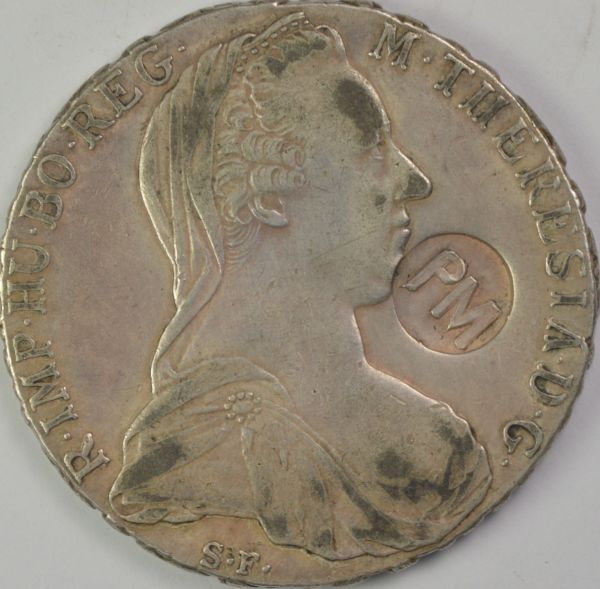 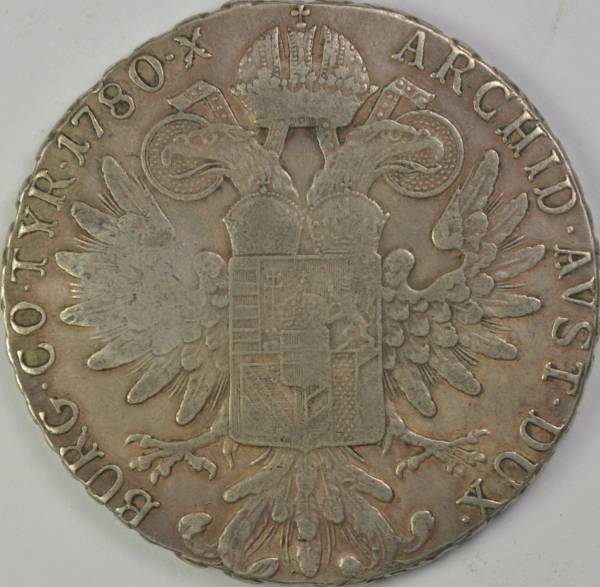 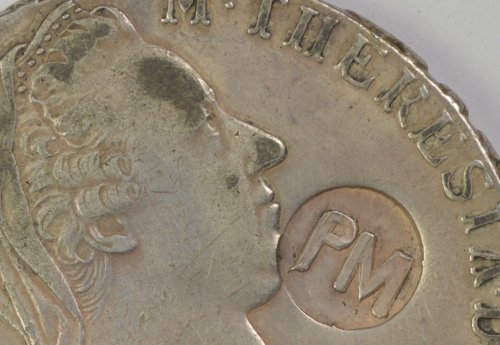     |
|
Pillar of the Community
2087 Posts |
Quote:
colonialjohn - yea I get that. I initially presented them as legitimate collectible pieces, which I strongly believe they are, but I can see why that would cause some controversy. The thing here is that people spends thousands on these pieces even knowing full well they are mid century fantasy pieces. Every auction record I could find for them noted that they are spurious issues. I guess it's just a matter of one person having an opinion they feel very strongly about, but the market seems to disagree with. Actually if you look at the way these fakes are advertised...the words dealers use are euphamisms such as "Spurious", "doubtful" etc. What they don't use is the word fake......as the moment they do their sales will drop. This one person is doing a Mini Seminar at the ANA's Summer seminar.....on exercise will involve going through an auction catalog of counter-marked MTTs identifying the base coins from the auctioneers pictures. The aim is to sure the participants understand how to identify the coins and also warn them about the fake counter-marks that are out there. The fact is there are a huge number of dealers and collectors who rely on the fact that many customers and fellow dealer have no idea of how to identify MTT. so they use euphemistic terms to sell these fakes, this protects them from complaint and liability. I believe this is a passing phase. The market for counter-marked MTTs is such that more and more counter-marks are being produced and overloading the market... so for now the market may be good for such fakes but there is a huge Risk that the market will collapse( and I assure you that as I continue to do presentations and publish articles I am doing my best to ensure that it does). For any one looking to buy such items are you really prepared to take a loss? |
|
Pillar of the Community
United States
5362 Posts |
Modern fakes like these counter stamped MTTs - Numismatic Forgeries is a far better name for them - have no place in US coin sales unless they are marked COPY or unless they were made in or imported into the US before 1973 - that is the strict reading of ANA Member and Dealer Ethics rules as they combine with the HPA. The ONLY exceptions made to the rule by the ANA are for items that are "generally accepted" by the numismatic community as collectable items provided they are PROPERLY described and are specifically NOT DESCRIBED as genuine. This covers restrikes, replicas,copies and counterfeits which are not technically genuine but which trade freely in the collector community as collectable coins. Among those coins that are the covered by this exception are things like the 1804 Draped Bust Dollar and the 1913 V nickels. The former was a restrike of sorts made at the mint ca. 1836 and the latter the 1913 V nickel was an unauthorized counterfeit made in the mint and smuggled out presumably by a worker who produced them. These coins and many others warrant an exception because they are accepted by the numismatic community as collectable. The issues as I see them are; 1). How recently can one of these be made? 1800, 1900, 2000? 2). What does it cover? Circulating coinage? Anything at all that someone wants to collect? 3). WHO DECIDES? Personally, I can see many logical exceptions to this rule for instance counterfeits that were made and circulated before 1789 - before there even was a USA. These would have to be exempt if there are reference books on the subject and there are collectors for the various series. Secondly counterfeits of coins that are no longer monetized are a good exception as long as the counterfeits were made WHILE the originals still circulated. These are coins like Mexican 8Rs that circulated in the US before 1857 that were specifically demonetized. But I am not so sure as coinage that was demonetized by the introduction of the EURO. US counterfeiting laws seem to make all US issued coins regardless of date or denomination illegal. The 1965 coinage act made all US coins monetary and gave them legal tender status even if they were not circulating. Yet there is an exception for the 1804 Dollar. The 1913 V nickel was never authorized as monetary but V nickels themselves remain legal tender. Yet this coin is exempt. Those two exceptions seem to provide precedence for the Counterfeit Capped Bust half dollars (Davignon) to come into the exempt category. Also, the CCC Three Cent Silver copies noted in Hancock and Spanbaur which that book reported as existing BEFORE 1970 - also seem OK as exceptions. So where is the LINE to be drawn? How do we draw a line? As I see it the earlier the counterfeits were produced the better. In addition the longer ago that the coins left circulation as monetary items the better. But I think we can all agree that a numismatic forgery of a US dollar dated 1804 that was imported from China last week is NOT A VALID EXCEPTION. Any suggestions on where and how to draw this line that is legal and still accommodates actual GENERAL collector interest while avoiding the real JUNK (in which class I would put these MTTs)? |
|
Pillar of the Community
2087 Posts |
In a private communication Numismat has informed me that these counter-marked coins are in Krause's Unusual world coins catalog. I had never ever thought Krause would list such items, so I checked my old copy and they are there. According to Numismat the current valuations are somewhere around US$1000.00 for some types. As I noted Earlier the counter-marks by Mel Wacks and the Missouri Numismatic society are more important numismatic and are rarer. Those two real counter-marks should be setting the market levels not the "fantasy/fake issues. Whats even worse is that Krause doesn't even warn readers that these Countermarks are regarded as Fakes and that as a general rule they are found on mid 20th century base coins. Today I will be drafting a letter to Krause asking them:
- why they are listing these coins?
- Why they haven't added a comment that they are generally regarded as Spurious( euphemism for Fake)
- Why they haven't listed the MIssouri and Wel wacks examples
The situation is very much like one you might see in the art world. Quote:
Hypothetical: A painting has been long recognized as a valuable and rare old Master. Its listed in Art books and auction Catalogs as a genuine piece. The owners who have spent many dollars on it are proud of it. Suddenly a researcher discovers the painting is a fake. What then happens is the art experts with years of reputation at stake then have to justify their earlier assessments, the owners of the painting face a potential massive loss and much worse the embarrassment of being made fools of. The result is instead of reviewing the facts and the evidence, emotion and ego comes into play and the researcher finds themselves at the centre of a major controversy. The reality with these counter-marked MTT.
- There are a significant number of dealers, publishers like Krause, and collectors who have an interest in these spurious countermarks being worth a lot.
- There are very few dealers and collectors who have developed an Eye for identifying MTT to mint and date of striking with the result;
- IN the current coin market it is unlikely that buyers who rely on dealers knowledge will challenge the authenticity of the counter-mark and the dealers expertise. SO;
- Dealers rely on the perceived doubt on these issues but they use the word "spurious" rather than fake. "Spurious" sells "fake" doesn't
If you look at the same counter-marks on non MTT base coins there is a significant price difference( often around half the value of the MTT version). IMHO the reason for the price differential is the inability of people to identify the MTTs minting date...in this case doubt = money. I used to want to own some of these coins... I actually have one Mozambique "PM" example. The Base coin is holed and was struck in Florence between 1814-1828/35. More than likely it is one of the true counter-marked coins. However no one ( because of the "fakes") will ever be able to say it is genuine so destroying the coins numismatic value and likely its monetary value. I believe in time the value of these fakes will drop substantively. It doesn't actually take long to learn how to identify MTT to period and place of striking. I assure you when you do have the relevant experience and knowledge when you see one of these fakes it just looks incredibly wrong. I mean wrong in the manner of seeing a 2010 quarter being sold as a 1920s coin. I would say this to Numismat and other who have these fakes. Make sure you establish the provenance of the coin before you buy it. If the fake is one of the coins sold in the Hans Schulman auctions of 1956 and 69, or was part of the Hal Wallis Collection sold by Paul Bosco in 1997 then relax a little. I agree those coins do have a fantasy value and will likely retain their value. If you can't trace it back to those auctions then its quite possible you have a new version( produced in the last 10 years. The fact is those counter-marks are being reproduced today( I believe Spain is one location where it is happening) counterfeiters will get greedy and more of these travesties will come onto the market and will ultimately destroy the market. Edit: There is one other point I really should make clear. NUmismat quoted the views of other when he said these fakes were issues that should have occured. I have traced that view( could go back even earlier) to Paul Bosco in his 97 catalog of Hal Walls collection of trade coins. Paul Bosco writes "It is possible that someone attempted to fill a gap in the numismatic record by making coins that the countries involved should have made" Given the knowledge and zeitgeist at that time( 1997) thats not an unreasonble statement. However the knowledge and zeitgeist was wrong. The MAria Theresa thaler should never be understood as coin of a particular country. It was an international coin, that flowed through porous borders like water through a sieve. The coin flowed through an extensive trading net work. It was continually on the move. when Muscat traders valued the coin more highly than their colleagues in Zanzibar Arabic sailors would buy the coin in Zanzibar and sell in Muscat. The form of the coin was well known. There were clear trading customs involving bartering techniques, particular one was expected to examine the coins being traded and it would be expected that you would reject some( to not do so would be impolite or reflect badly on your reputation as a trader). These customs were applied in all the regions that Arabic trading routes extended to.. covering Egypt, Sudan, Timbuktu,Northern Nigeria, Ethiopia,and the states bordering the red sea and Persian Gulf. As well as the whole East coast of Africa, across to Ceylon and even Indonesia. So when MTT were traded the coins were examined and coins that did not "meet the grade" were rejected or if it was a Schroff ( currency/ bullion trader) would have been accepted at a significant discount in value. Accordingly Counter-marked coins would have been devalued considerably, and it is the predominant reason for the very short period of counter-marking in Mozambique. Yes it could have been used to limit export of the coins....but any Ruler preventing the flow of MTTs in such a manner would have found they had shot themselves in the foot financially! So when you understand the market for the MTT, counter-marking seems ridiculous. In Indonesia the MTT reached an End station in the trade route..it was often melted down so counter-marking there was less problematic Edited by austrokiwi
04/13/2014 02:48 am
|
| |
Replies: 20 / Views: 7,341 |








 Posted 04/09/2014 1:12 pm


