Thats nice about the waffler theory....The people spotting the errors arent perfect either...LOL
One day the mint will use robotic scanners like the ones I built back in 2000 for a company called Robotic Vision Systems in Hauppaugue NY to sell to Motorola....
The 200 machines did the job of 3500 people and put 3500 Motorola Employees out of work unfortunately but it was 100% accurate in spotting error IC chips then removing them and destroying them ..The good ones were wrapped up in ESD wrapping and tagged.LOL
This was back in 2000!...Youd think the mint would change its standards so errors were at an alltime minimum like shock sensors to monitor dies so when stress is detected a new die could be instantly switched in..IDK if I can come up with cost saving solutions down the road IDK what else to say....LOL
Anyways heres the guide as to how
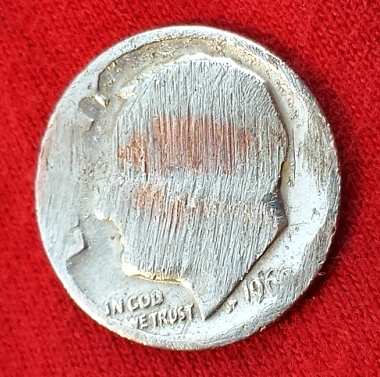
US coins were handled way prior to the waffler.. .LOL...The law was first enacted in 1890....Where was the waffler then?...Only pennies got the waffler starting in the 50's or the 60's I beleive according to my research
(a) The Secretary of the Treasury may mint and issue only the following coins:
(1) a dollar coin that is 1.043 inches in diameter.
(2) a half dollar coin that is 1.205 inches in diameter and weighs 11.34 grams.
(3) a quarter dollar coin that is 0.955 inch in diameter and weighs 5.67 grams.
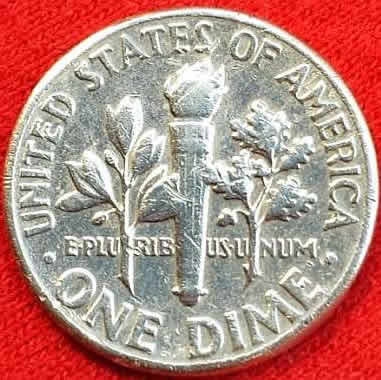
(4) a dime coin that is 0.705 inch in diameter and weighs 2.268 grams.
(5) a 5-cent coin that is 0.835 inch in diameter and weighs 5 grams.
(6) except as provided under subsection (c) of this section, a one-cent coin that is 0.75 inch in diameter and weighs 3.11 grams.
(7) A fifty dollar gold coin that is 32.7 millimeters in diameter, weighs 33.931 grams, and contains one troy ounce of fine gold.
(8) A twenty-five dollar gold coin that is 27.0 millimeters in diameter, weighs 16.966 grams, and contains one-half troy ounce of fine gold.
(9) A ten dollar gold coin that is 22.0 millimeters in diameter, weighs 8.483 grams, and contains one-fourth troy ounce of fine gold.
(10) A five dollar gold coin that is 16.5 millimeters in diameter, weighs 3.393 grams, and contains one-tenth troy ounce of fine gold.
(11) A $50 gold coin that is of an appropriate size and thickness, as determined by the Secretary, weighs 1 ounce, and contains 99.99 percent pure gold.
(12) A $25 coin of an appropriate size and thickness, as determined by the Secretary, that weighs 1 troy ounce and contains .9995 fine palladium.
(b) The half dollar, quarter dollar, and dime coins are clad coins with 3 layers of metal. The 2 identical outer layers are an alloy of 75 percent copper and 25 percent nickel. The inner layer is copper. The outer layers are metallurgically bonded to the inner layer and weigh at least 30 percent of the weight of the coin. The dollar coin shall be golden in color, have a distinctive edge, have tactile and visual features that make the denomination of the coin readily discernible, be minted and fabricated in the United States, and have similar metallic, anti-counterfeiting properties as
United States coinage in circulation on the date of enactment of the United States $1 Coin Act of 1997. The 5-cent coin is an alloy of 75 percent copper and 25 percent nickel. In minting 5-cent coins, the Secretary shall use bars that vary not more than 2.5 percent from the percent of nickel required. Except as provided under subsection (c) of this section, the one-cent coin is an alloy of 95 percent copper and 5 percent zinc. In minting gold coins, the Secretary shall use alloys that vary not more than 0.1 percent from the percent of gold required. The specifications for alloys are by weight.
(c) The Secretary may prescribe the weight and the composition of copper and zinc in the alloy of the one-cent coin that the Secretary decides are appropriate when the Secretary decides that a different weight and alloy of copper and zinc are necessary to ensure an adequate supply of one-cent coins to meet the needs of the United States.
U.S. Code › Title 31 › Subtitle IV › Chapter 51 › Subchapter II › § 5113
31 U.S. Code § 5113 - Tolerances and testing of coins
(a) The Secretary of the Treasury may prescribe reasonable manufacturing tolerances for specifications in section 5112 of this title (except for specifications that are limits) for the dollar, half dollar, quarter dollar, and dime coins. The weight of the 5-cent coin may vary not more than 0.194 gram. The weight of the one-cent coin may vary not more than 0.13 gram. Any gold coin issued under section 5112 of this title shall contain the full weight of gold stated on the coin.
(b) The Secretary shall keep a record of the kind, number, and weight of each group of coins minted and test a number of the coins separately to determine if the coins conform to the weight specified in section 5112(a) of this title. If the coins tested do not conform, the Secretary—
(1) shall weigh each coin of the group separately and deface the coins that do not conform and cast them into bars for reminting; or
(2) may remelt the group of coins.
Current through Pub. L. 114-38. (See Public Laws for the current Congress.)
US Code
Notes
Historical and Revision Notes
Revised Section
Source (U.S. Code)
Source (Statutes at Large)
5113(a)
31:350.
R.S. § 3537; Sept. 26, 1890, ch. 945, § 1, 26 Stat. 485.
#8192;
31:398(5).
July 23, 1965, Pub. L. 89-81, § 108(5), 79 Stat. 255.
5113(b)
31:351.
R.S. § 3538; Aug. 23, 1912, ch. 350, § 1(last par. words before 7th comma under heading "Assay Office at Salt Lake City, Utah"), 37 Stat. 384.
In subsection (a), the words "for the dollar, half dollar, quarter dollar, and dime coins" are added because of the restatement. The words "0.194 gram" are substituted for "three grains", and the words "0.13 gram" are substituted for "two grains", for consistency in the revised chapter.
In subsection (b), before clause (1), the words "Secretary shall keep a record of the kind, number, and weight of each group of coins minted" are substituted for 31:351(1st sentence) because of the source provisions restated in section 321(c) of the revised title. In clause (1), the words "deface the coins that do not conform and cast them into bars for reminting" are substituted for "shall be defaced and delivered to the superintendent of melting and refining department as standard bullion, to be again formed into ingots and recoined" for consistency in the revised chapter and to eliminate unnecessary words. In clause (2), the words "if more convenient" are omitted as surplus.
Amendments
1988—Subsec. (a). Pub. L. 100-274 inserted at end "Any gold coin issued under section 5112 of this title shall contain the full weight of gold stated on the coin."
LII has no control over and does not endorse any external Internet site that contains links to or references LII.












 Posted 07/27/2016 9:15 pm


