| Author |
 Replies: 31 / Views: 5,394 Replies: 31 / Views: 5,394 |
|
Valued Member
China
106 Posts |
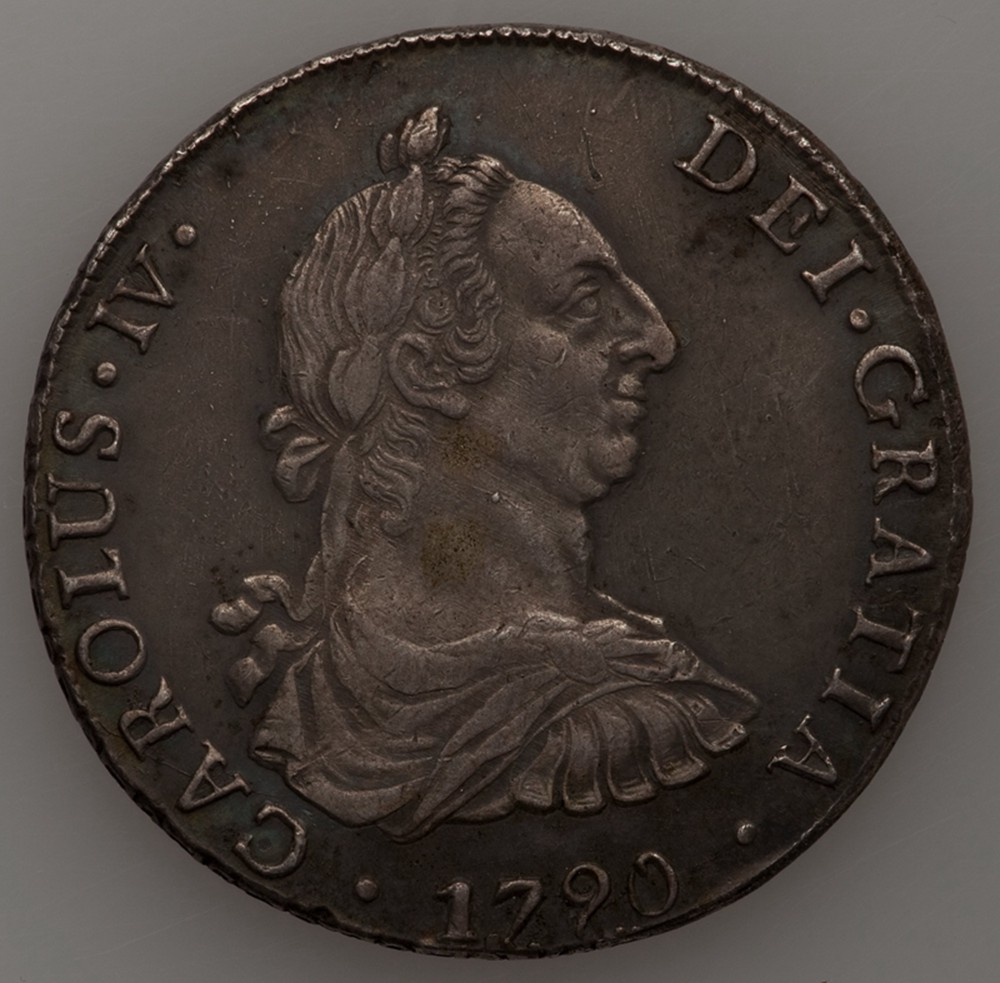
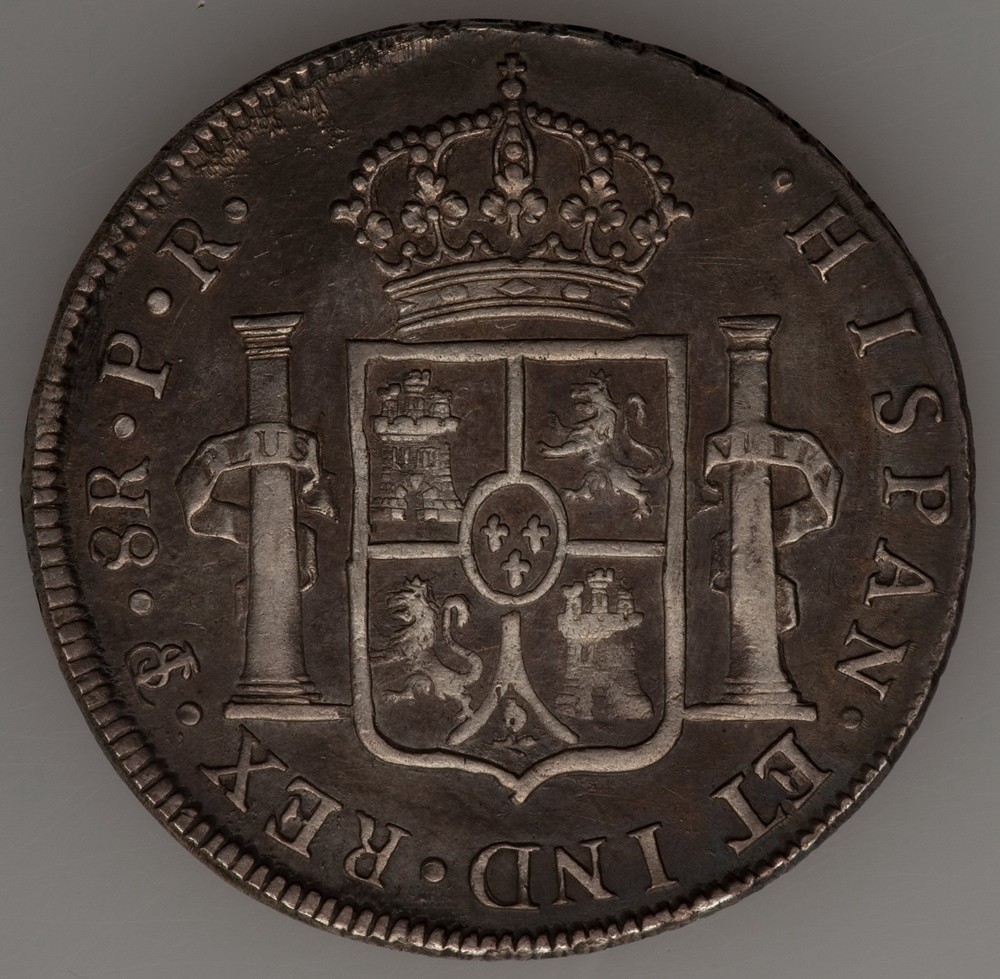
with some luster.Purchased from a Moroccan seller. 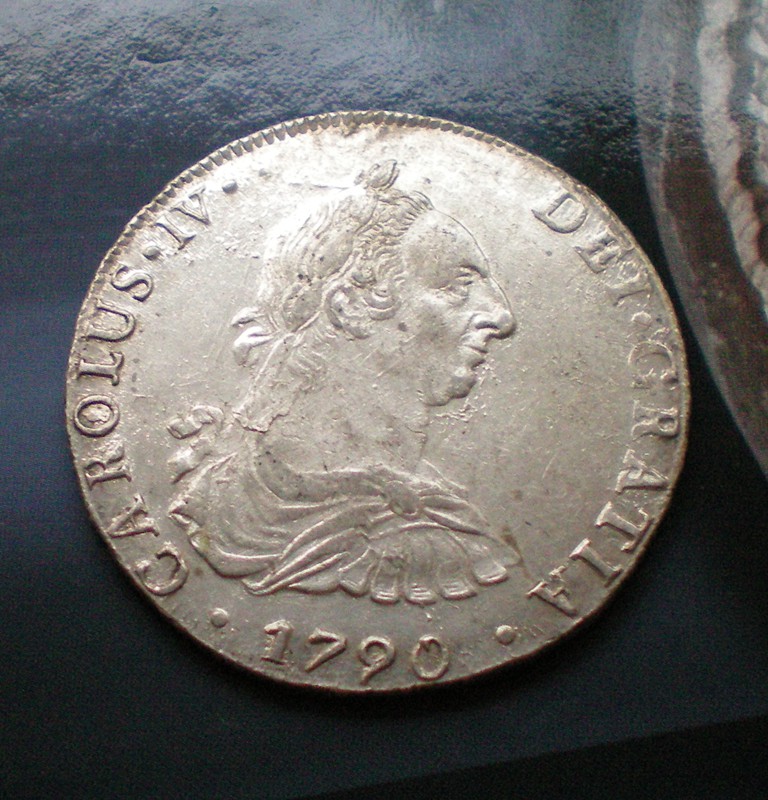 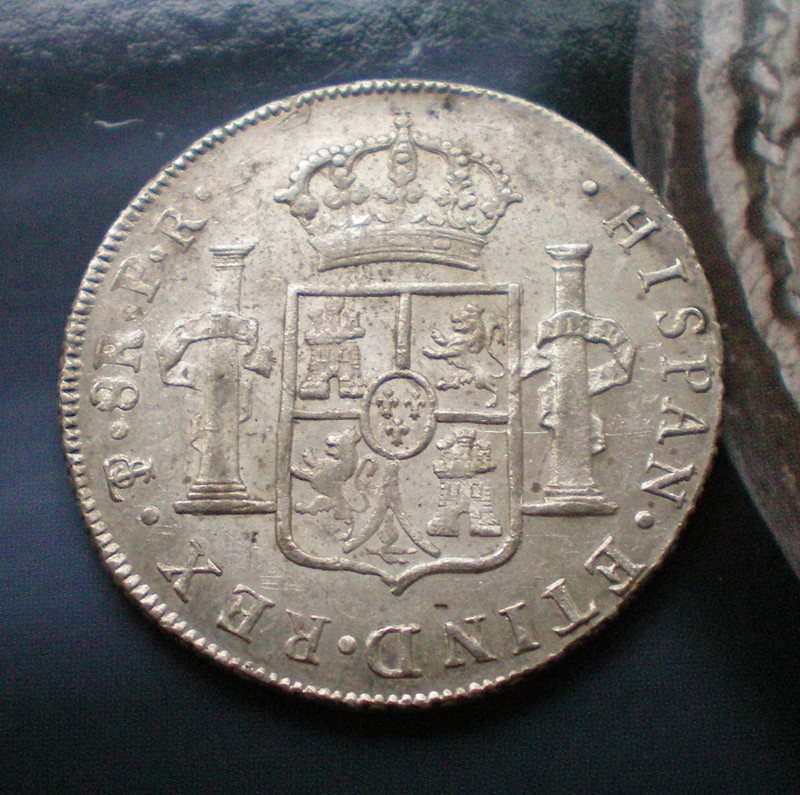 |
|
|
|
Pillar of the Community
United States
4883 Posts |
Pretty coin not typically found in such a high grade, but it's so risky to be buying these raw, especially when it's a long distance transaction. What look to be some raised features on the portrait and in the field around the chin worry me a bit. I'd like to see the edge, and (as usual) weight and specific gravity might be revealing.
Colligo ergo sum
Edited by Lucky Cuss
08/06/2016 9:53 pm
|
|
Valued Member
 China
106 Posts |
the edge pic: 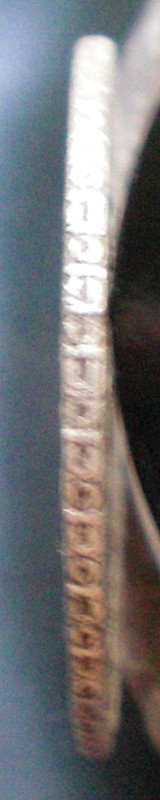 and the weight I'll tell you later. |
|
Pillar of the Community
United States
5362 Posts |
Hate to say it but the edge detail is simply WRONG for a Spanish Colonial 8R. So unless that picture is a double exposure run to your nearest Post Office and return the coin for a refund.
|
|
Pillar of the Community
Hong Kong
1270 Posts |
|
|
Valued Member
China
106 Posts |
|
|
Pillar of the Community
United States
4883 Posts |
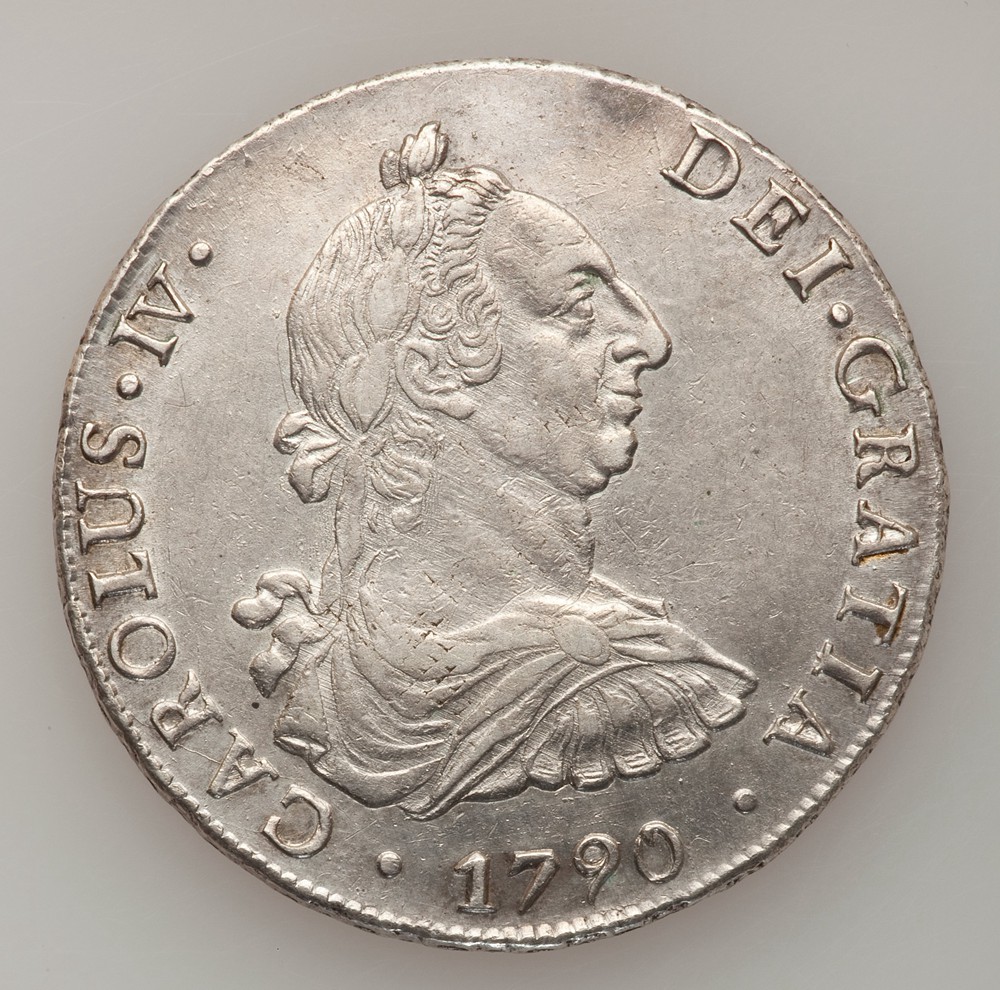
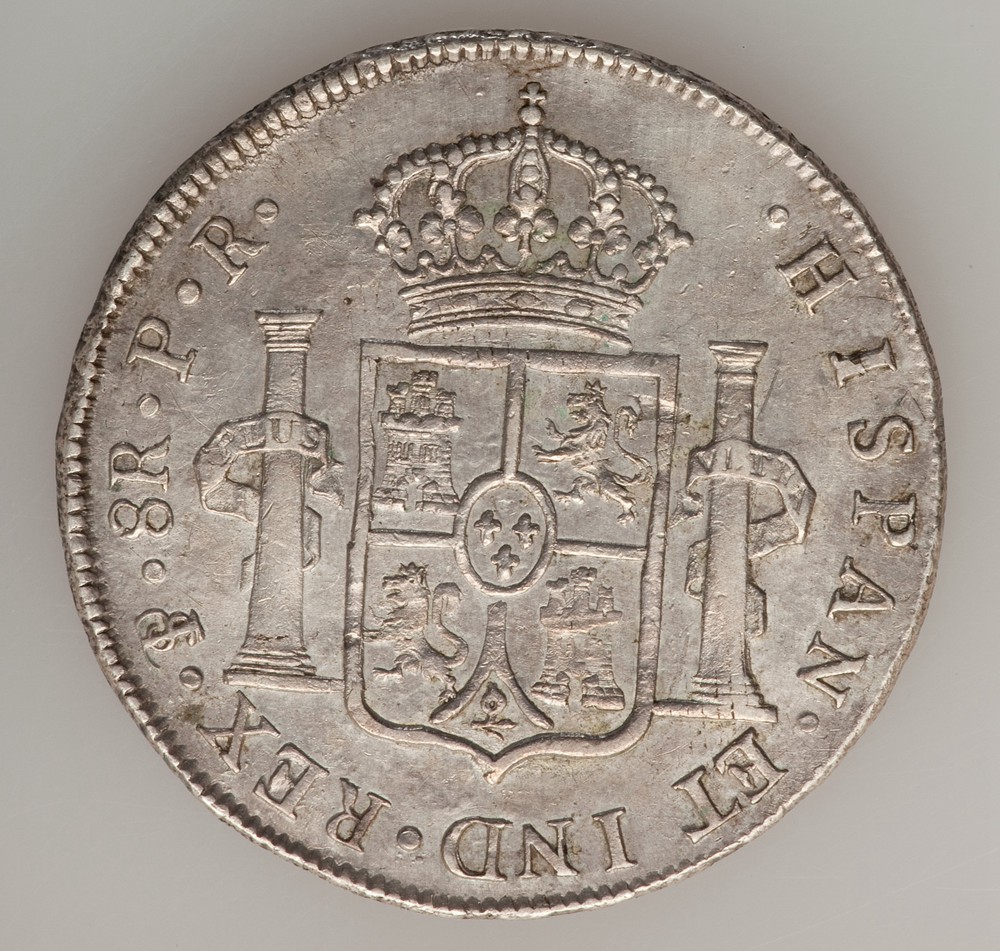
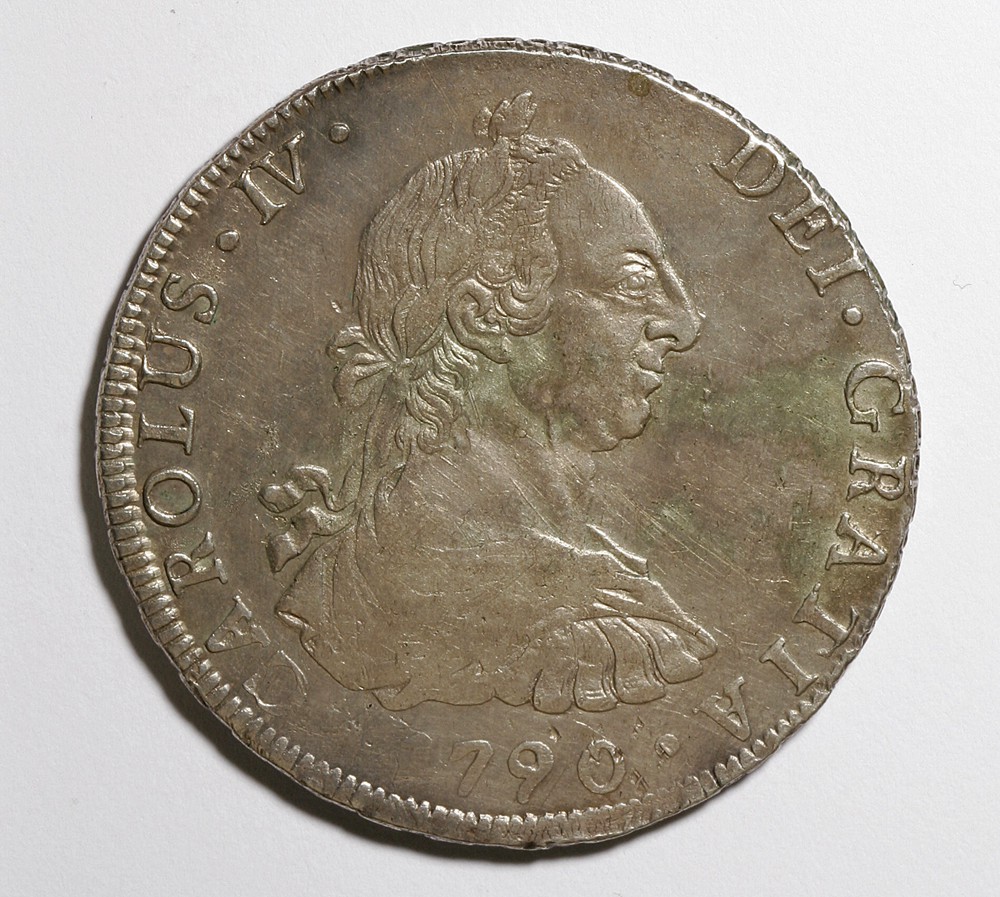
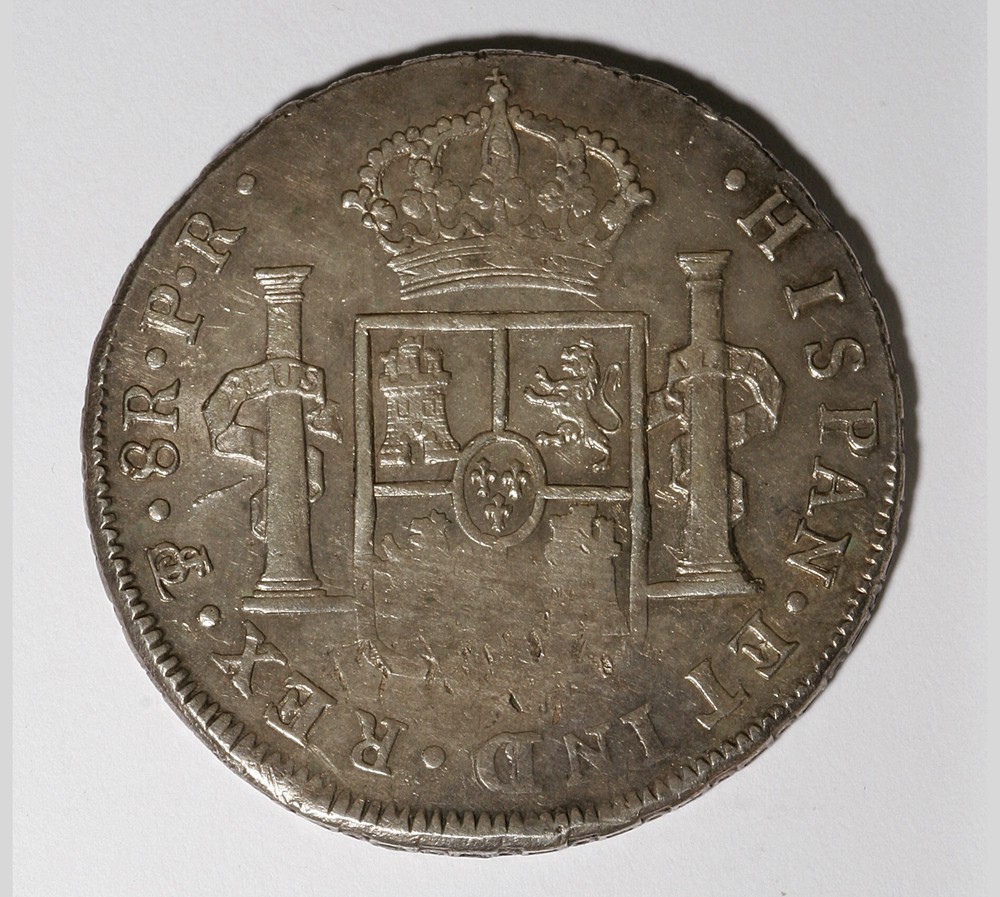
The first and the second of this most recently posted trio share key reverse characteristics - the lower right castle is abnormally lacking in detail (in quite the same fashion, actually), and the edge of the shield outline surrounding the upper left castle is misshapen in the same way for each. That second one really looks like a casting, and the dentils near the date are again a red flag. So I'm suspicious of both.
The third one's upper left castle is oddly tilted, and there're those problematic ledges peripheral to the dentils once more.
Even genuine examples of the coins from this mint can exhibit bizarre anomalies, so I won't dismiss these latest specimens out of hand, but the portrait ocho reales as a type is and has been just so long and widely forged that you'd be best served by presuming any such are fakes until proved otherwise. As good as these images are as a starting point, more data would be helpful - shots of the edges, weights, specific gravities, maybe even analysis via xray flourescence. But from what I see so far, none of the three exactly inspires confidence in their authenticity.
Colligo ergo sum
Edited by Lucky Cuss
08/08/2016 10:03 pm
|
|
Valued Member
Norway
89 Posts |
Hard to be 100% sure from a distance, but they look all very fake to me. Do they all come from the same source? Unfortunately, the situation has become so bad that when it comes to milled 8 reales it's "guilty until proven innocent" to me.
|
|
Pillar of the Community
United States
5362 Posts |
As pointed out above there are some oddities visible here that would need to be reviewed closely. I would want to see - at minimum - the edges of the coins - the weights and specific gravities before making a preliminary decision.
It is fairly certain that these are not Contemporary Circulating Counterfeits. They are most likely Numismatic Forgeries.
Proving they are genuine requires more proof than is yet available.
|
|
Valued Member
China
106 Posts |
To swamperbob:
Then I am at ease,cause the other 3 coins of Bolivia 1790 are all from Heritage action archives.
As you study on 8r counterfeits and forgeries or in other word,fakes,you may suspicious about all the raw 8r coins.I can understand this doubts.But to my exprience 8r fakes can be indentified at the first sight,only contemporary counterfeits needs more research on them.And I don't think counterfeits take a large quantity of the 8r in the world coin market.If the Counterfeits was made by real silver on standard,then there is no need to make them. So usually the Counterfeit was found only in the VF or below,so that these coin can mixed with the genuine coins in circulation without notification.That's the commen senses.
So when comes a 8r coin with AU condition or above,either it is a genuine one or it is fake.
PS: the edge of potosi 8r is difference from the mexico city mint or the lima mint.Typically the potosi mint 8r edge is crude and not as standard as the mexico mint.I guess the technique of potosi mint was far behind the Mexico mint.
|
|
Pillar of the Community
France
1591 Posts |
Could you please post a clear picture of the rim of the first coin, as asked ?
I also see odd things which go beyond Potosi's mint rim pattern crudeness.
|
|
Pillar of the Community
Hong Kong
1270 Posts |
@nicolashsing, your last three coins are eye-appealing. I would lean towards they are real. I am sure you know the first coin posted is a counterfeit. Can you tell the weight of the first coin and do you think it is made of silver.
|
|
Pillar of the Community
United States
4883 Posts |
nicolashsing -
That swamperbob has doubts about these Heritage specimens certainly shouldn't lead you to be sanguine regarding your example. He literaly "wrote the book" on this genre. The knowledge required to sort out the wheat from the chaff for these is highly specialized, and I wouldn't expect the large auction houses to necessarily get it right. I'll even go so far to say that NGC and PCGS could easily (and on occasion have been known to) mistakenly certify copies. In fact, if I saw either the second or the third above in one of their slabs, I'd still be a bit hesitant, and my expertise is really just that of a rank amateur.
Colligo ergo sum
Edited by Lucky Cuss
08/09/2016 10:31 am
|
|
Pillar of the Community
United States
5362 Posts |
Regarding Heritage the fact that their archives includes photos of similar or even identical die types is no guarantee that the first coin is genuine. It is not even a guarantee that the three coins are genuine.
The last Auction of 8 Reales - the FoxLair II sale (ex: Ralph Poucher) included three Counterfeit coins that had been certified by PCGS. So there are some errors. In fact there are entire die types in the Heritage archives that I view as suspicious because some tested examples of identical coins are definitely counterfeit (broken castle variety at Potosi for example). I view the archive as the "best available" but not 100% error free.
I AM NOT SAYING that all three of the 1790 Carolus IV coins are counterfeit. They may all be genuine - but I would want to do my own tests to determine to the best of my ability that they are genuine. None of the TPGs or auction houses are an absolute guarantee.
|
|
Pillar of the Community
United States
1962 Posts |
Some of the commentary on this and the associated 1791 Lima piece has been, frankly, vague to the point of being rather useless for ADVANCED analysis of such tricky pieces (I see some things that concern me, there are so many fakes of 8R, yada, yada). These thoughts seem to derive from what people think SHOULD be assumed (to some extent rightfully so, esp. for beginners who don't know what they're looking at) when the supposition is that the pieces are not from solid "reputable" sources. Here we have a Chinese poster, talking about coins from Morocco off ebay... and that sets off common sense warning bells. Then, essentially working backwards, things that are "wrong" are observed. In reality, for these examples, if they were seen in PCGS/NGC holders, 95% of people seeing them wouldn't be concerned. That said... In regards to this 1790 Potosi and the 1791 Lima nicolashsing posted about, they are (2) of the curiously sizable batch of high-grade 8R offerings from seller "morfodi" out of Morocco (who formerly operated under the ID "marocoins"): http://www.ebay.com/sch/m.html?_ssn...n=r1&scp=ce0He has sold a steady trickle of Spanish coinage over the past several years... some nothing special Colonial bust 8R, I recall quite a few peninsular bust 2R... Then, around April/May, he started selling what generally appear to be quite high-grade pieces... mainly Mexico bust 8R, with a few each of pillar 8R, Lima/Potosi busts, a Seville bust 8R, etc. mixed in. High-grade as in luster, maybe with some hairlines, and a few pieces with some accretions as if they were hoard finds... He doesn't always have the clearest pics, but most looked "OK" in terms of being genuine. However, he's continued to list more... almost all lustrous AU-UNC types. WAY TOO MANY... Most of these still look pretty decent to me, I will admit... BUT, given the amount of pieces he has now offered, from increasingly varied mints (more Lima/Potosi mixed in...) - UNLESS he came into one heck of a hoard - there is NO WAY any of these are genuine. That... is scary. Assuming these are fakes, they are VERY good - mostly better than anything I have seen before with bust 8R. Good surfaces, convincing luster, generally correct detailing and most quirks visible (rim oddities, extra metal, strike, etc.) at least acceptable for each mint/year... To my eyes, they are good to the same level as those 1870s-90s Mexico Cap & Ray fakes that started popping up out of Spain and from the Chinese nonsense-name sellers over the past few years or so (these have been discussed on here... and Bob, you and I talked about them). |
|
Pillar of the Community
United States
4883 Posts |
I concur that the Heritage trio can't be pronounced bogus. I'd simply say that based on the photo evidence that can be assessed, they have "one strike" against them, and we're never going to get more data to give them a definitive thumbs up or down. My main point would be that validation of the coin with which their thread was started can in no way be inferred from the circumstance that these three were archived by Heritage.
Colligo ergo sum
|
| |
Replies: 31 / Views: 5,394 |







 Posted 08/06/2016 10:19 pm