



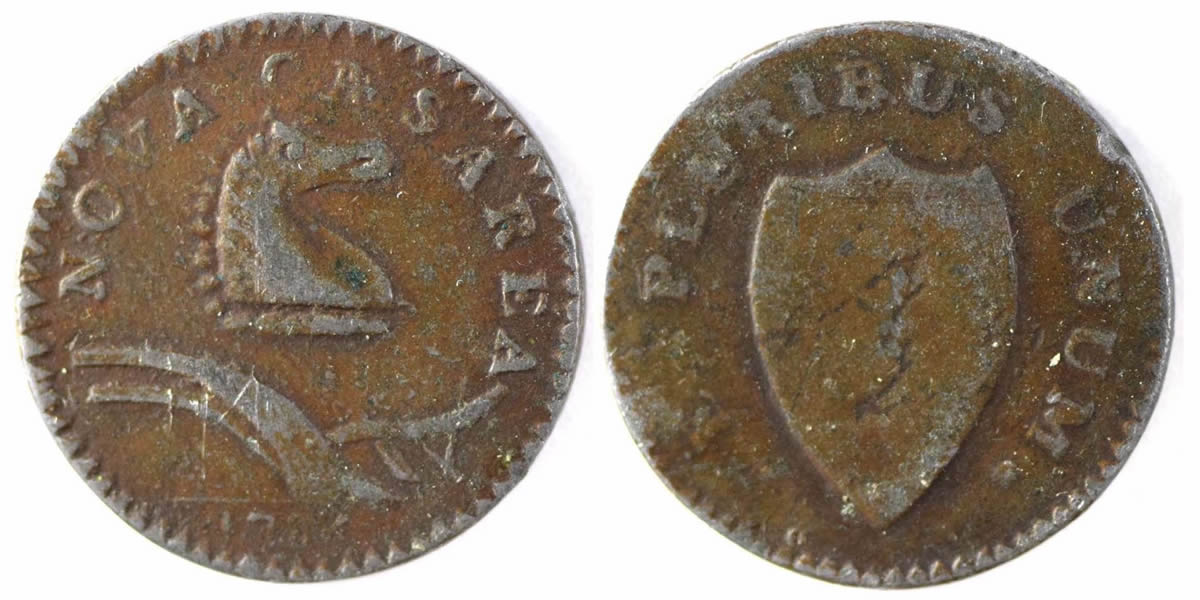
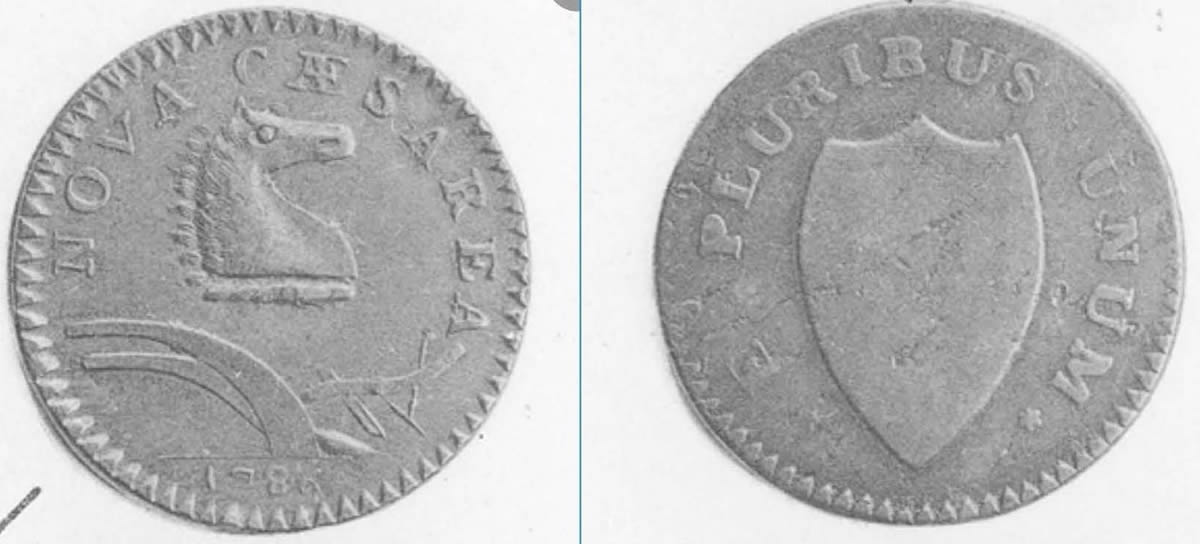
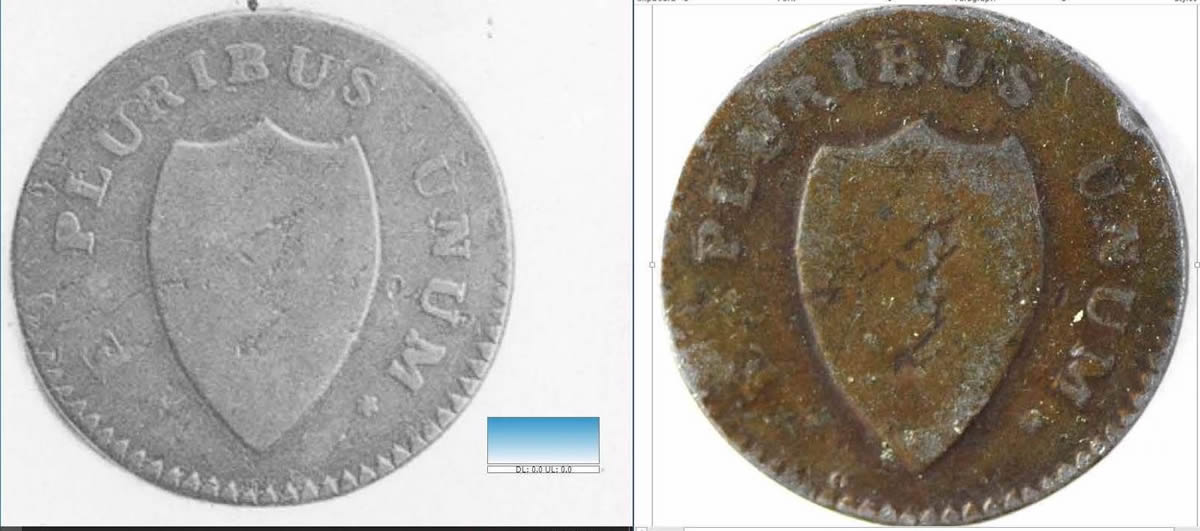
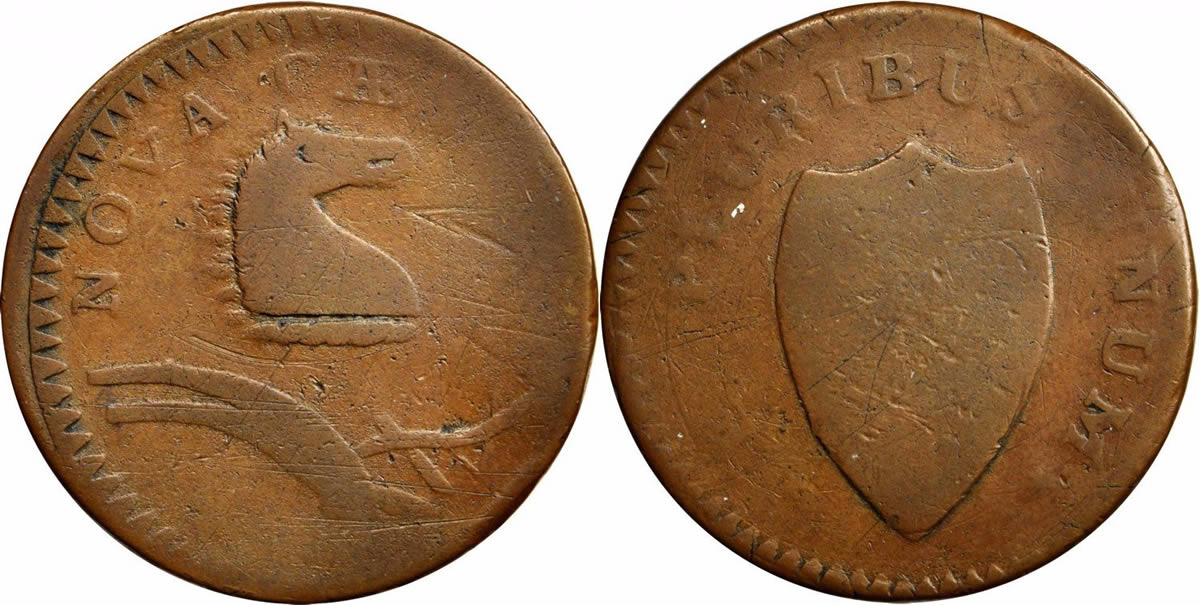
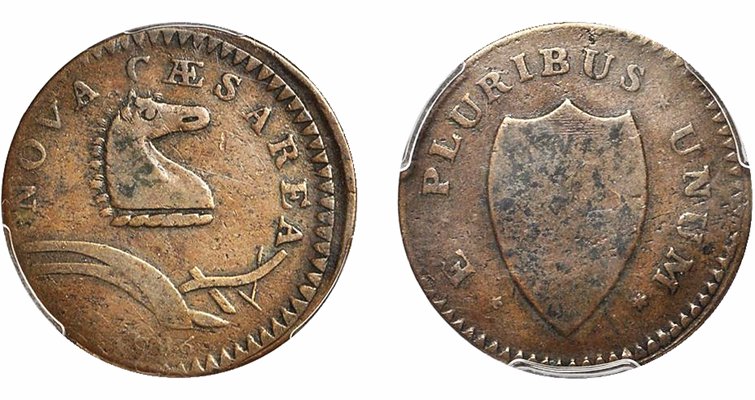
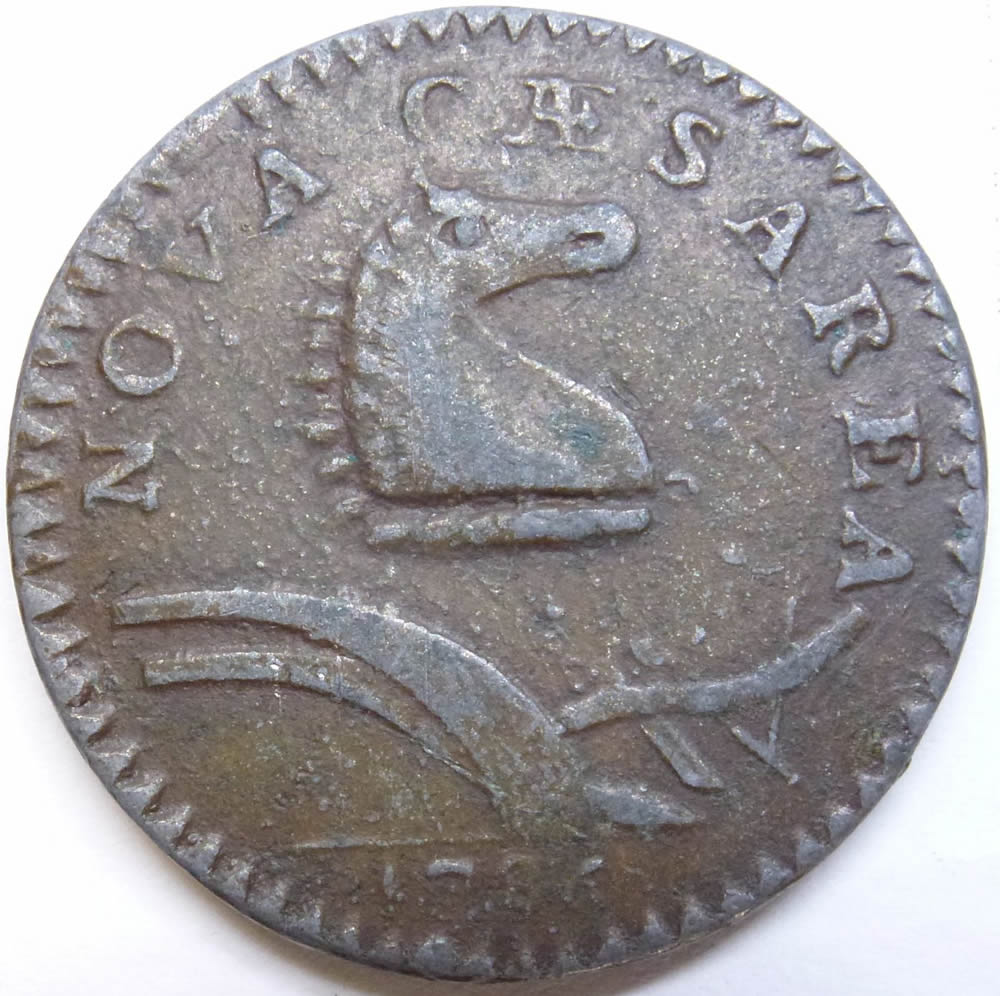
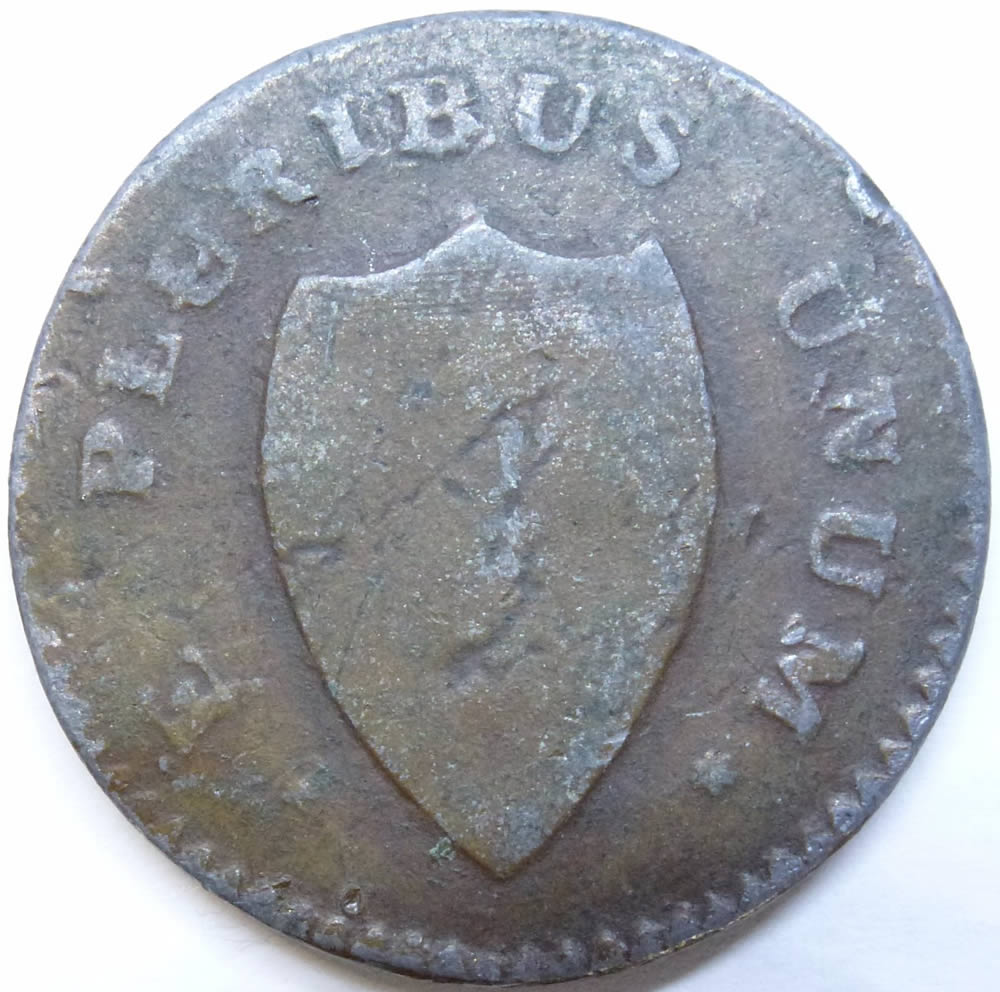
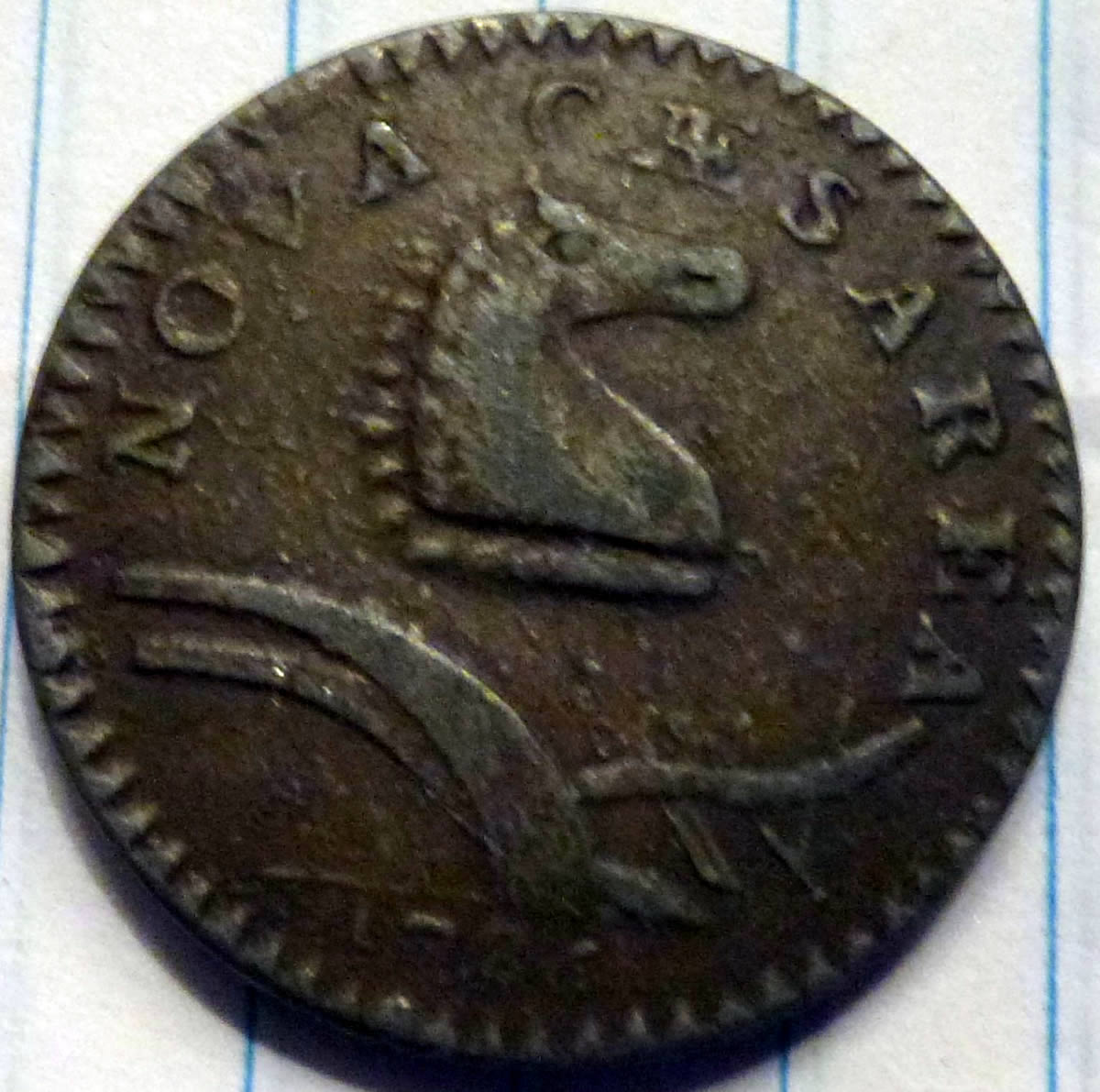
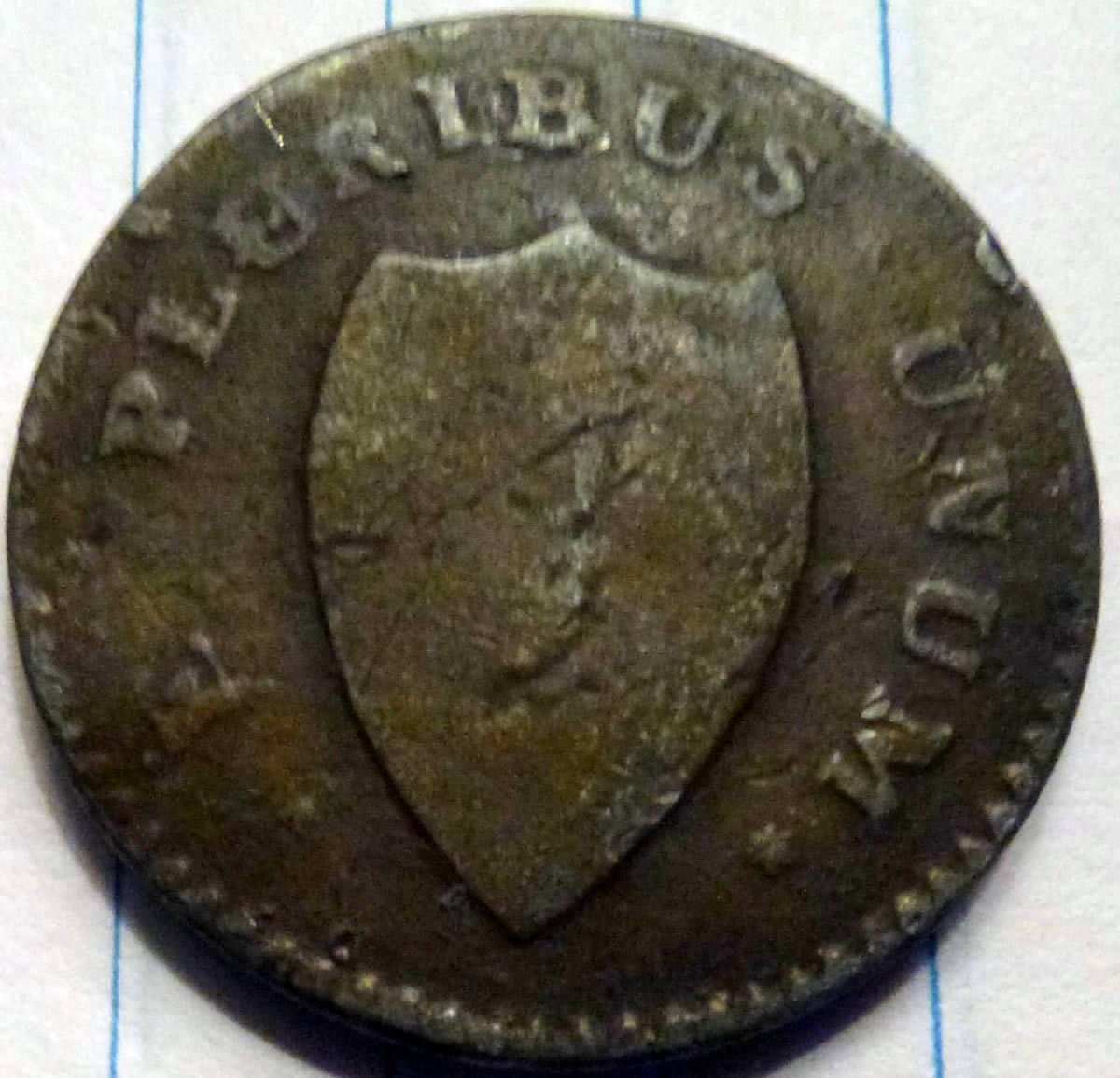
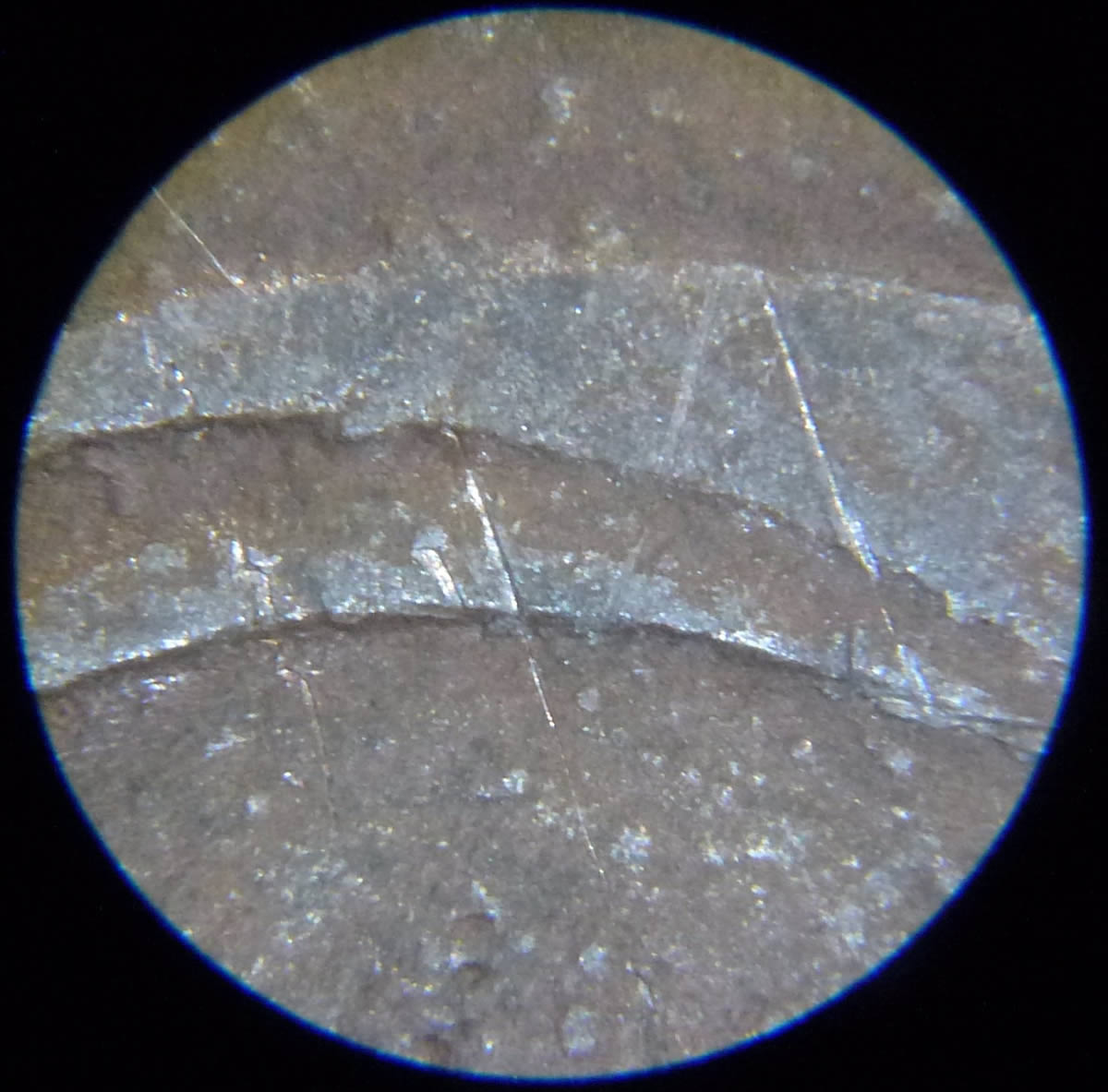
Spence, your point well taken, I do not take offense!
Albeit, I am new here and yes this coin brought me here...this is not my first rodeo as far as coins. This NJ copper coin was a calculated risk, not a lottery play. Lottery is pure luck, but if you never play, you will never win. I do not regularly buy lottery tickets, except maybe 2-3 times a year, because I consider it gambling/pure chance. One has zero or negligible control over the odds of winning the lottery. However, in coin collecting (with some research, luck, and looking in the right places) one can increase the odds of coming upon something numismatically rare (or monetarily valuable...if that's what you are after).
How many of us go to coin-shows armed with research and knowledge hoping to score a nice piece? Did Mike Ringo at the 1987
ANA convention tell the seller of that Maris 24-Q (one of three discovered since 1881) that he should ask more than $400 for that R8 coin? That same coin 30 years later sold for over $50,000? Mike Ringo probably was not sure either what he got, but he knew it was something different...and he took a chance. And he (numismatically) scored!
For many like me,
ebay is our "coin-show" opportunity to find an unattributed piece as we "walk between the isles" of listings. One may argue, that there aren't many bargains to be found out there anymore, unless you specialize in some obscure variety of an already obscure coin type, for example the NJ colonials. I bought my first NJ copper by chance about 15 years ago and bought only a handful since. None are worth more than possibly a couple of hundred except maybe one worth a thousand. But I find them interesting, intriguing, and they are also coincidentally my "home state's" coin.
A quick background since I did not post my background info yet: I have been collecting coins since the early 80s and been buying here and there during my combined 17 years working overseas. I did not catalog my coins (yet), but never sold one yet either. I am pretty sure that I do not have any rare pieces, but some I am sure considerably appreciated over the years. The only part that concerns me about my coins' monetary value is that I do not pay more than fair market value. Hoping that one day they may become more valuable because enjoying numismatic collecting should not become a luxury. If this NJ copper coin would have turned out to be real, I would have kept it for a while and not necessarily sold it.
Back to the NJ copper in question: during my
ebay "bottom-feeding" I identified the coin from the Maris I. plate as a 24-Q which is "very scarce". Next checked if I could find recent auctions so I can confirm the "Q"-reverse variety and make sure that it's not a similar but much more common variety (P and S reverse). From the auctions I was able to find out how many are known, arrived to a potential grade, and a recent market value. Three of the five known examples were discovered since 1881. One of these three in 1987 and a second one in 2016. Coincidentally both of these coins sold at auction in Nov 2016 and Mar 2017. I felt the risk of being a fake less compared to another rare-variety that had no examples discovered since 1788 or even 1881.
Next I went to check into the seller. This
ebay seller is a small consignment business with over 5,900 feedback, zero neutrals, and 2 negatives from a year ago...both seemed to be buyer-related. The seller's inventory had a few coins but mostly antique items, photo, paintings, vintage electronics, etc. So not a coin dealer...albeit he did seem to grade the other coins he had for sale correctly. He did write in this NJ copper coin's
ebay listing description that he knows of Maris plates but does not have access to the reference. So the seller seemed to hoped the market-place will take care of the final price. So with the seller seemingly "cleared" of any nefarious intent, I figured that there are two choices: the person who consigned it to the seller does not know what he/she has, or they know it's counterfeit/copy but want to "insulate" themselves from the sale by having the seller take the risk. This is either to protect their own
ebay feedback or to defraud the seller AND the potential buyer.
So I called
ebay and asked them what my options are if the coin was a fake. They said I would receive a refund if claimed within 30 days. I asked them to note our conversation in their record, and note that I called about my concern the day before the listing ends. I also told them, that either this coin is a fake (which the consignee may not know) or the seller AND the consignor does not know the potential real value of this coin.
A few days into the listing for this NJ coin the bid was still at around $128 and stayed there all the way until the day before the listing's end. I wondered that I may be wrong with the variety identification, but I went back and double-triple checked the print-outs (and my connecting lines drawn on them) of the two recent auction examples, the Maris plate coin, and the auction piece. It's a 24-Q, no doubt.
So I decided to take a calculated risk, not unlike Mike Ringo did in 1987. A few hours before the auction ended the bid was still at only $250. I thought that I will be able to get it for a few hundred dollars maximum. In the last 10 minutes, the price dramatically increased to over $720...and in the last 5 seconds it jumped to over $3,000. So there were at least one or two others who waited in "ambush" hoping to score! :) I paid with Paypal using my credit card. So I have
ebay, Paypal, and as a last resort "reverse charges" on my credit card as options for a refund.
The rest of the story you already know from my posts above. Apparently, my nearby NGC-certified coin dealer (admittedly not a colonials specialist) upon examining it did not find anything suspicious. He did not weigh it though. Last night I contacted the seller (small consignment company) and explained to him what's going on. He said that he feels he should have done more research on this coin, and asked me to send him my research on it to help him figure things out. I suggested to him (and he agreed) to hold the payment to the consignor in escrow until this gets sorted out. He also extended the deadline for returns/refunds if I decide to send it to NGC for authentication. I also suggested (and he agreed) to ask the consignor about the provenance of the coin. He seemed amicable, but at this point it does not matter because I have a strong documented case with
ebay if I decide to file a claim.
At this point, this is how I see things:
- Return the coin to the seller for a refund
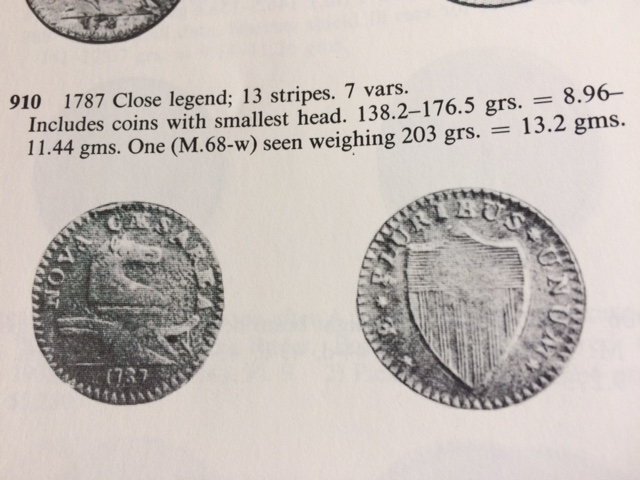
- Send it to NGC in hopes that it's a genuine but "fat" NJ copper that is about 30-45 grains heavier than the heaviest (Breen 910) documented NJ copper at 203 grains (1% chance?)
- Send it to NGC hoping that it's a genuine NJ cent that was minted on a different material because copper became scarce in 1788 (1% chance?)
- Send it to NGC and get it authenticated as an early counterfeit (20% chance? // worth $100-200 // and have the seller refund the difference (too complicated?)
- Send it to NGC and have it come back as a modern forgery (80% chance?).
I am curious and would not mind sending it to NGC, but I am concerned that (even if the seller honors an extended deadline)
ebay may not allow a claim past 30 days AND if sending to NGC may void
ebay's return policy.