| Author |
 Replies: 11 / Views: 2,977 Replies: 11 / Views: 2,977 |
|
|
New Member
United States
6 Posts |
I recently purchased the 2009 set of NGC PF70UCAM slabbed silver State Quarters off of ebay, and just about all of them have this odd property. On examination they're consistently diagonally streaked on the matte surface on both the obverse and reverse. By streaked I mean instead of a consistent matte finish they have fine diagonal lines in them (most are at a 45 degree angle). The streaking is only on the matted surfaces, including the outer area of the rims. It's difficult to get a clear picture of what I'm describing (the matted portions of the rims in particular), but the larger surfaces of the reverse are quite obvious to the naked eye under most lighting conditions. These are difficult to detect on the obverse, and take quite a bit of manipulation of the light source to spot clearly, much less image. Online, the images of the reverse of the 2009 coins range from showing the streaks to not (and none of the obverses do), so I'm not sure if there are quarters out there without the streaks or if the ones not showing them simply used lighting to wash the lines out. If I took a light and shone it on mine head-on the matte finish would appear flawless. Since I couldn't find any examples of these online, here are a few shots of the obverse. It was somewhat difficult to get good examples of this side so I chose to put it below, though I do have the reverse available (lines in the matte can easily be seen in the images on NGC's site so I figured this would be more useful).  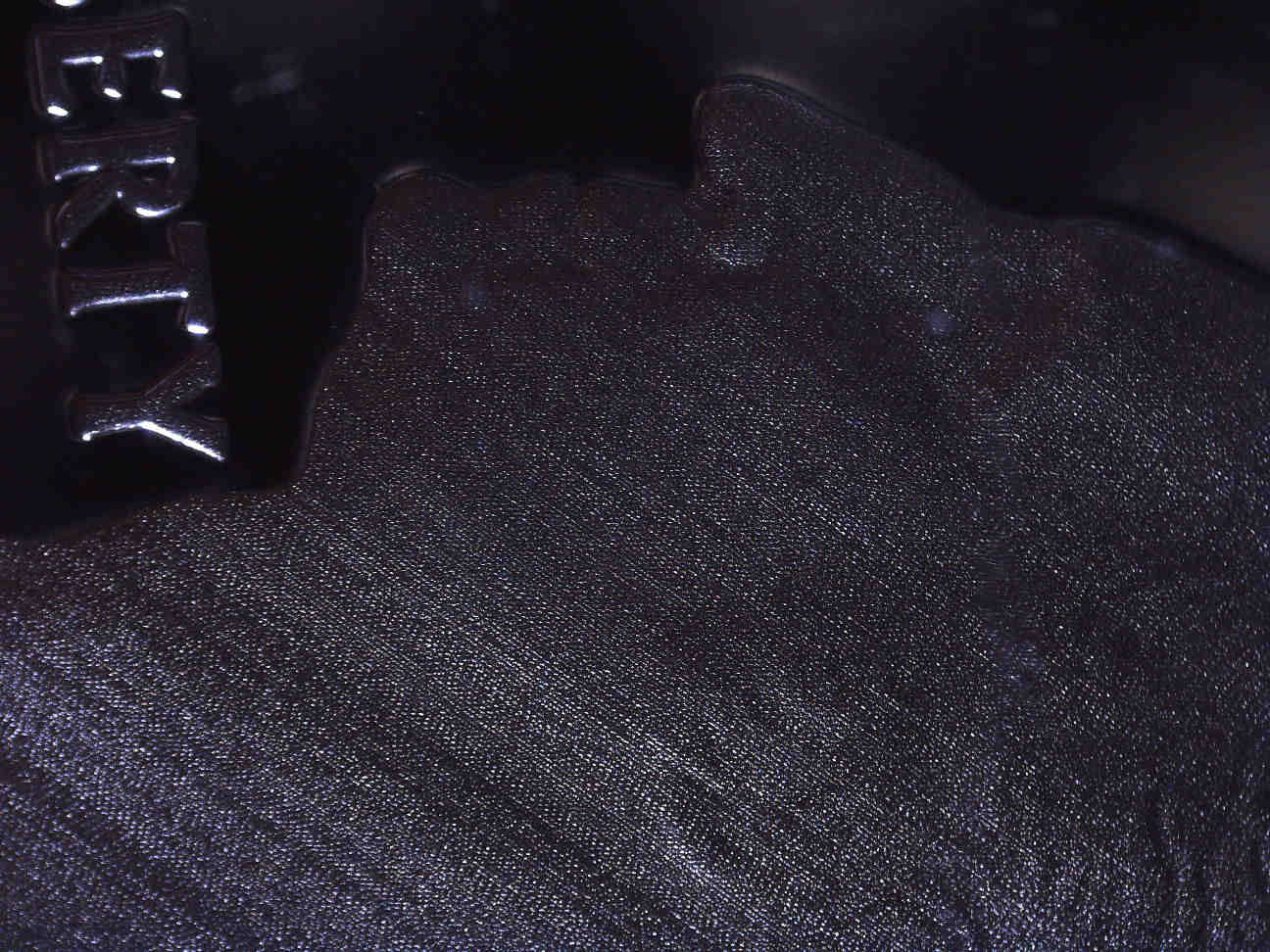 Does anyone know anything about this? Was this intended by the mint? I didn't follow the release of the State Quarters and proofs, and couldn't find any information about this particular issue online. If it was intentional, does anyone know why they decided to do this? I also purchased a PCGS slabbed 2004 set with a PR69DCAM grade. Inspecting the Iowa coin, I noticed some odd lightning-like patterns coming off of Washington's face, or something similar to the arcs on a plasma ball from science shows or science museums. My best guess is that it has something to do with the stress from the strike, but I have no idea. Has anyone seen similar to this? Is there a term to describe what has happened to this particular coin? 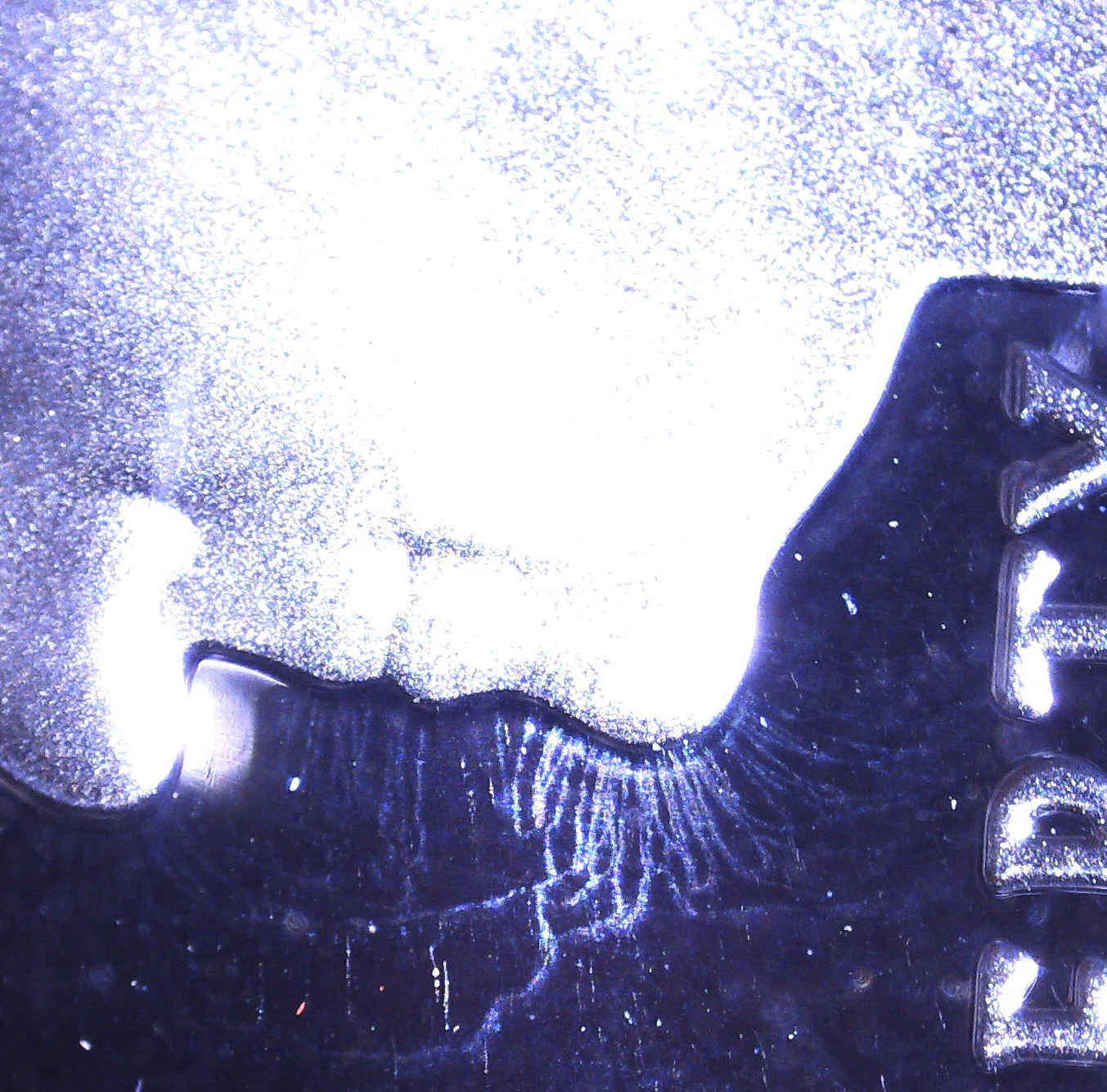 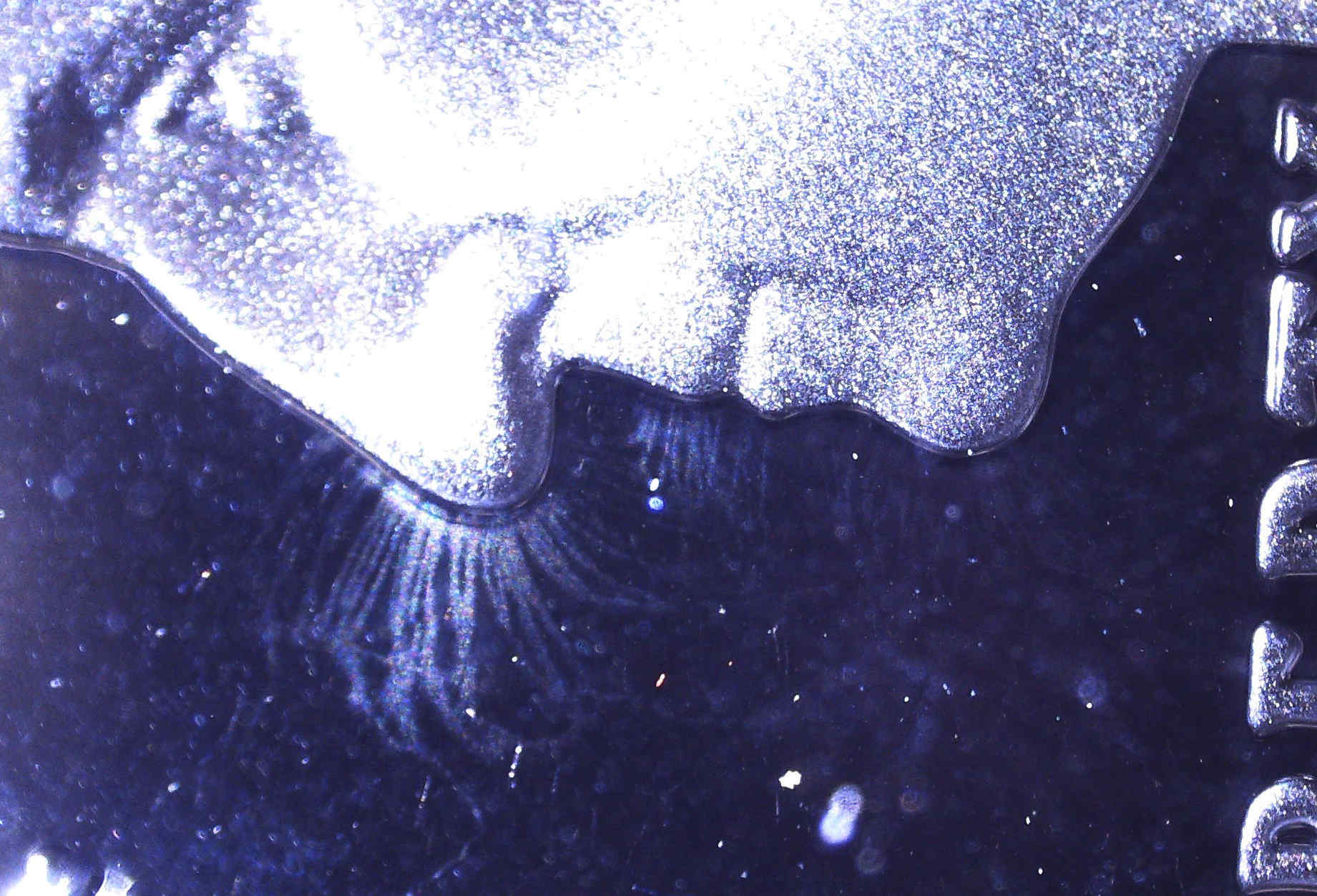 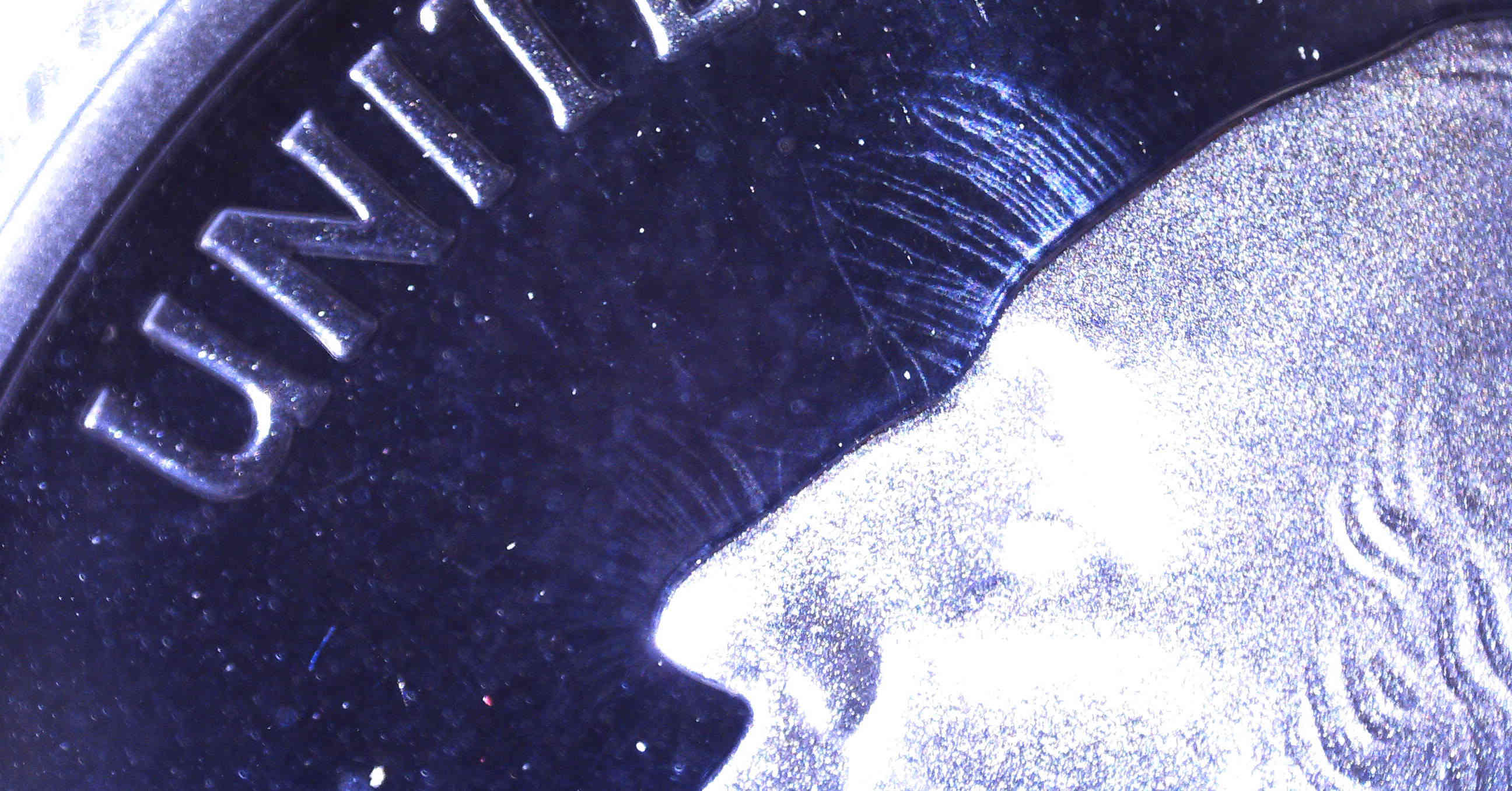 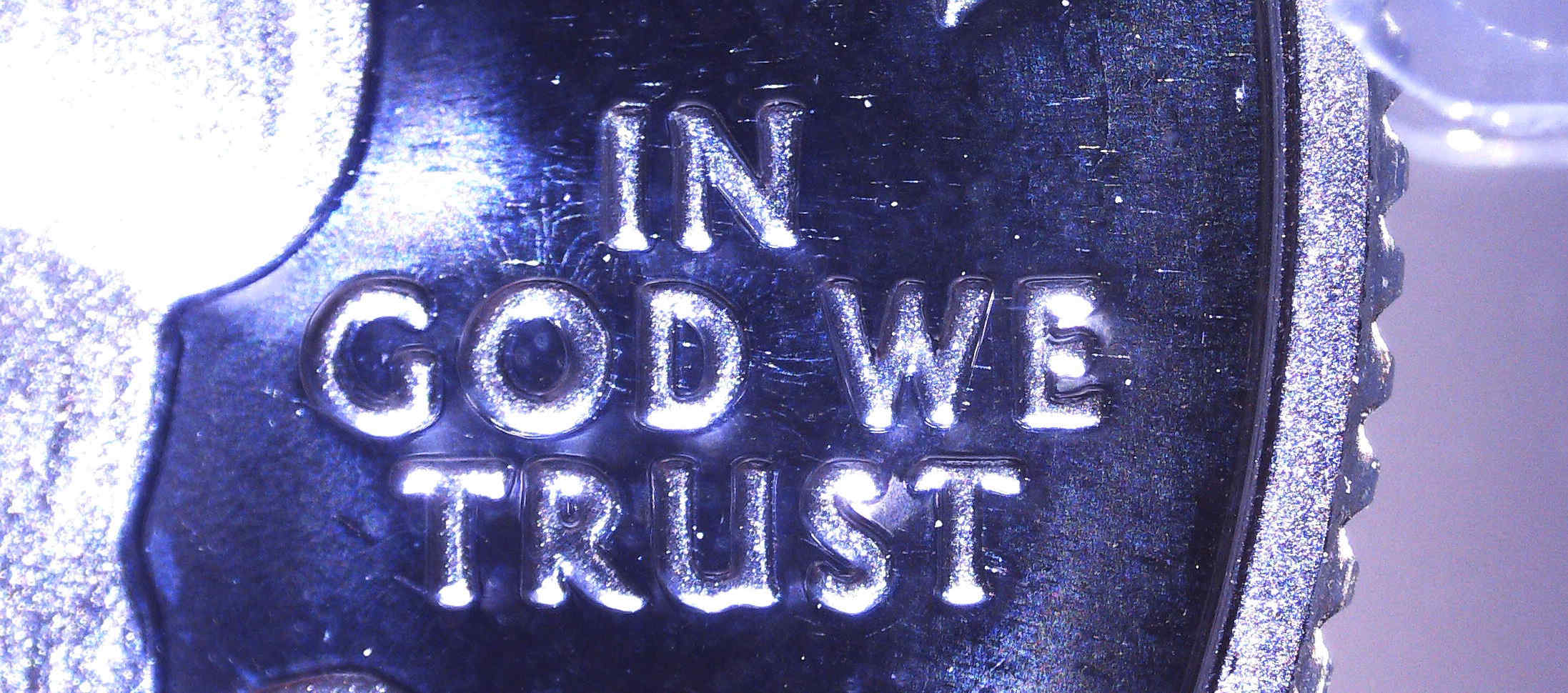 Edited by ClydeHenderson
01/01/2018 9:37 pm
|
|
|
|
Bedrock of the Community
United States
12477 Posts |
I would venture to guess that the lines in the frosted areas on the 2009 are due to the computer-controlled laser etching that is used to create frost on the dies. There seems to have been a malfunction, like when your printer starts running out of ink, kind of...
In Memory of Crazyb0 12-26-1951 to 7-27-2020
In Memory of Tootallious 3-31-1964 to 4-15-2020
In Memory of T-BOP 10-12-1949 to 1-19-2024
|
|
Pillar of the Community
United States
3463 Posts |
 to the forum! Are we seeing this coin through the plastic holder or a raw coin? Edited by cwb
01/01/2018 01:51 am
|
|
New Member
 United States
6 Posts |
@cwb: Thanks for the welcome. Through the slab, but I've done as much maneuvering of the coin and light source to ensure that the artifacts I'm referring to and that are showing up in the photo are actually on the coin and not a consequence of light reflecting off of the slab.
@spruett001 Interesting theory. It would hold consistent with the prevalence of images of 2009 coins online with these lines on them. I guess this would make it a more/quite common error then. Very strange that this made its way out of the SF mint then.
Edited by ClydeHenderson
01/01/2018 4:29 pm
|
|
Bedrock of the Community
United States
94367 Posts |
to the CCF! |
|
Bedrock of the Community
United States
62064 Posts |
It looked like George's brows were going crazy. He better take the weed eater to them. LOL
|
|
Pillar of the Community
United States
3463 Posts |
I have to wonder if the marks aren't from micro cracks in the plastic case.
|
|
New Member
United States
6 Posts |
@coinfrog:  @coop: You should see it without magnification; it looks like it's been scratched or doctored in some way. I was afraid I'd managed to find a set of fake PCGS 70's until I got it under magnification. @cwb: I was thinking the same thing at first, but after looking at them long enough (as well as the reverse of others online) I figured it had to be the coins and not the holders. I focused down the scope to the surface of the coin itself before taking the pictures. You can even see the specs of dust in the first picture on the mirrored surface of the coin. If you look at that first one, above "LIBERTY" between the 'R' and the 'T' you can see an out-of-focus spot that was on the exterior of holder at the time. If the lines were caused by the holder wouldn't they be similarly out of focus? ...and wouldn't the flat, mirrored surfaces of the coins show the lines as well? I could try zooming in on Washington's face for some more shots if anyone's interested. Initially I wanted to ensure I captured the continuity of the lines in the frosted matte. It gets a bit unclear when you start zooming in further, and the obverse is very hard to photograph. Here are some of the reverse images I took (sized down for the board). You can find fairly high-res photo's of the reverse of the 2009's on the grading sites. They're not scoped, but the lines do show on a number of them. This is the reverse of the PF70UCAM Silver D.C. Quarter, which of all the images I've searched for had similar lines (I still haven't found anything visible on the obverse). All of the other quarters in the 2009 set that I purchased have these lines on both sides, and they're all NGC slabbed PF70UCAM (which is why I'm really questioning whether it was a mint error. I would have thought they would have known about it and flagged it as such?) I chose the D.C. quarter because the lines were the most visible there (and also the PR quarter), as the frosted surface area on their reverses are the greatest out of all the 2009's. 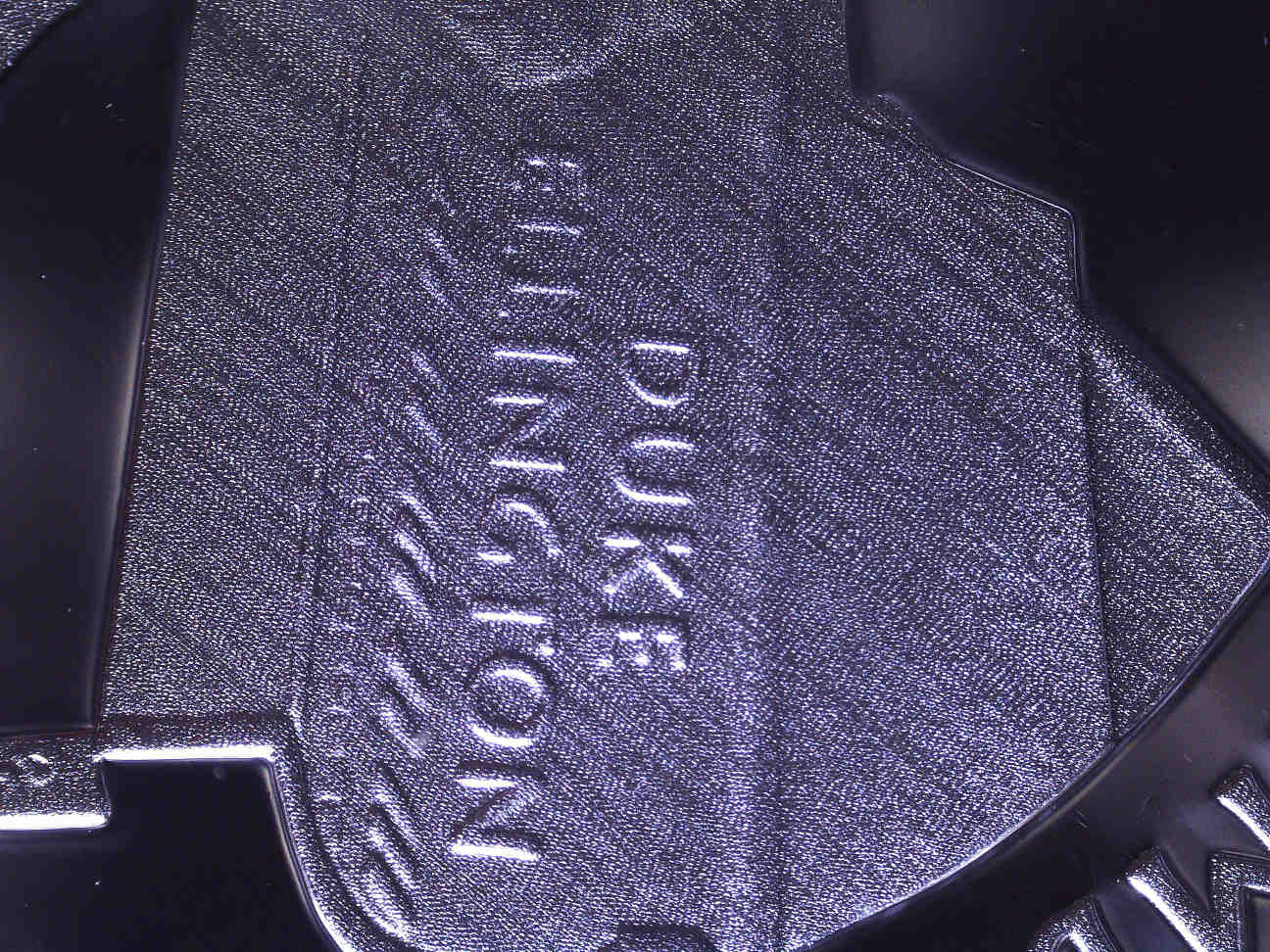 This one I like because it demonstrates what I described earlier: the horizontal lines reaching all the way out to the edge of the coin, effecting every frosted surface. 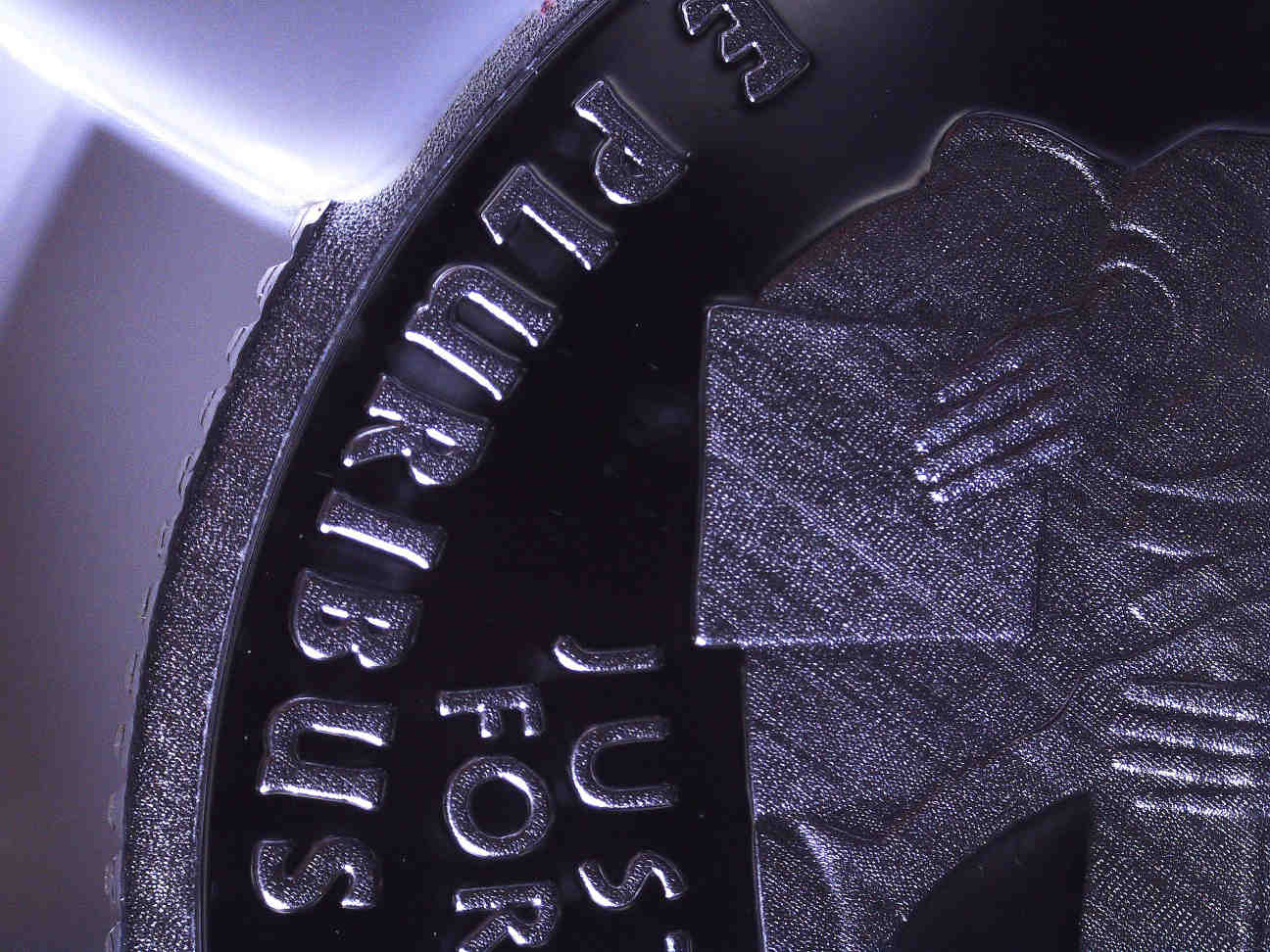 Does anyone have the 2009 set as well or know anything about this design? Was this by design, something on yours too, or likely a die error as @spruett001 suggested? It's certainly not on the 2004's, and I have some more from other years coming soon in the mail, so I'll keep this up-to-date if I find any more. Let me know if more pics would help. I'm really at a loss here. Edited by ClydeHenderson
01/01/2018 9:40 pm
|
|
Moderator
 United States
195712 Posts |
to the Community! |
|
New Member
United States
6 Posts |
@jbuck  ...sorry, I'm all danced out. If they're not pressure or stress lines, would the second question from my first post be more fitting for another forum/sub-forum? |
|
New Member
United States
6 Posts |
@spruett001 It turns out that you are correct. They slowly phased in the laser etching of the frosted surfaces on the dies for Washington quarters in 2009. The US Mint HQ confirmed your theory, and they stated that it was an issue they had with proofs during the early years. They state that they have worked towards doing a better job at randomizing the patterns to give an effect similar to the older sand blasting method. Coins for other years are as follows: 2006: Silver Eagle 2007: Presidential dollars2009: Washington quarters2010: Lincoln Cent, Jefferson Five Cent, Roosevelt dime, Kennedy half...so by 2010 entire proof sets were done with the newer laser system. I don't have any more recent year slabbed proof quarters to analyze the frosted finish but I could probably pick some up fairly easily. I linked to a nice write-up of the issue below. They refer to it as "snake-skin", and there are some really interesting pictures that compare the old method with the new. Unfortunately no recent proof coins either. https://www.NGCcoin.com/boards/topi...-proof-coin/https://www.NGCcoin.com/boards/topi...s-2006-2010/No one there seems to have mentioned however, the pattern of lines under certain lighting conditions. It's unfortunate that the file size is limited to 300k. I have some really nice high resolution images from my scope that show amazing levels of difference between the two. Here's a 2004 followed by a 2009 proof (both PCGS PR69DCAM). 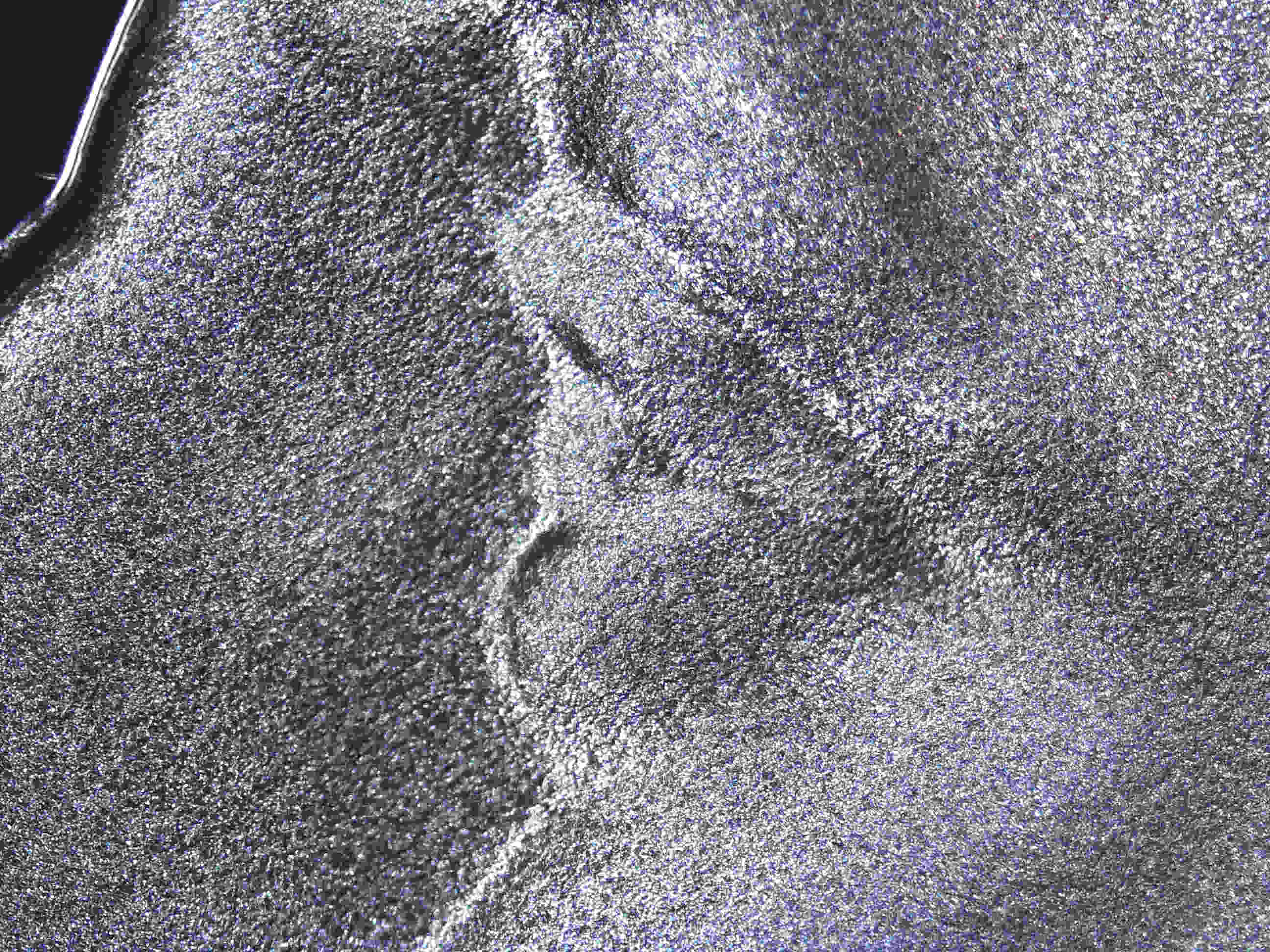 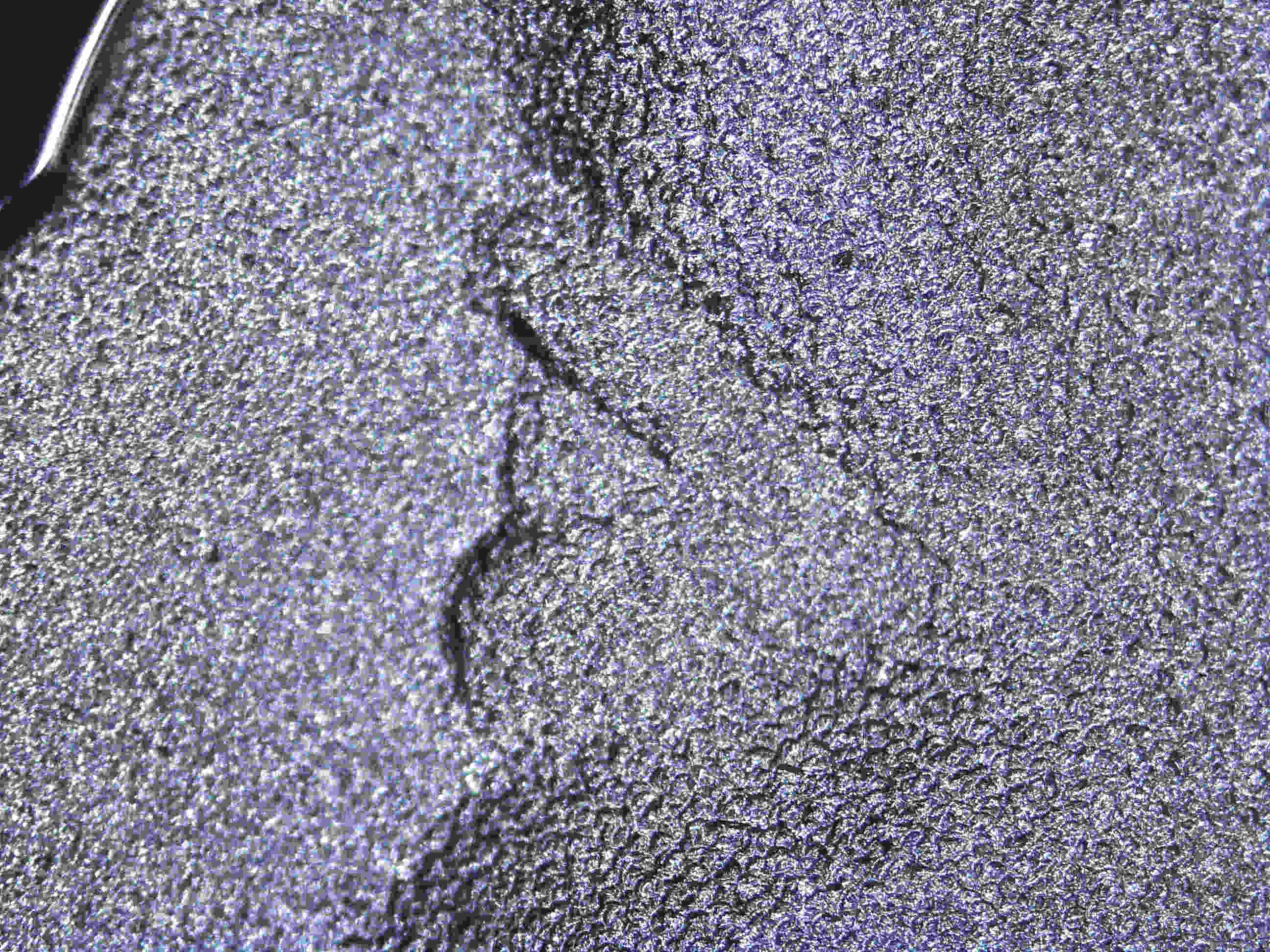 Edited by ClydeHenderson
01/25/2018 11:04 am
|
|
Bedrock of the Community
United States
62064 Posts |
The 2019-s proof silver eagles shows a different frosting pattern available. 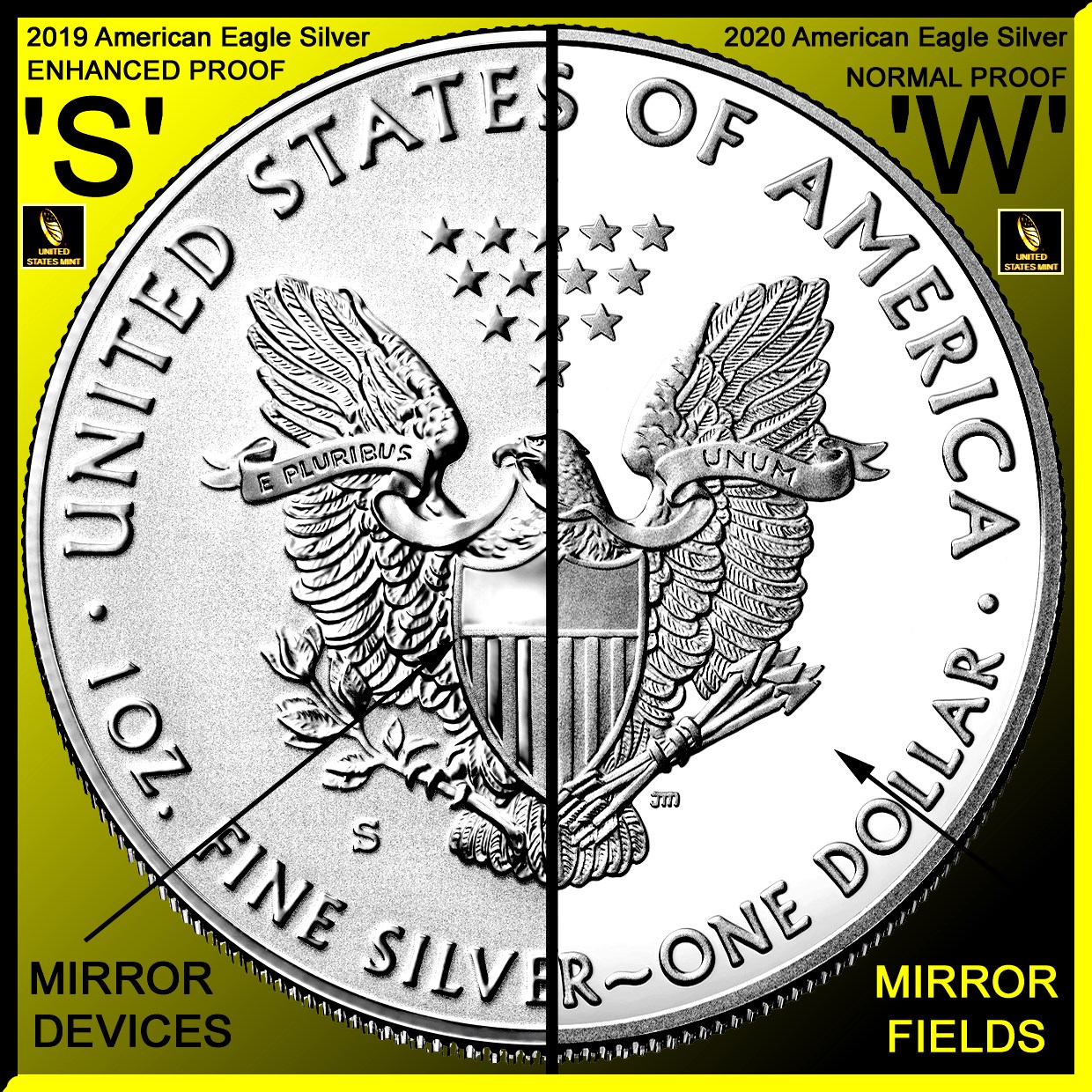 |
| |
Replies: 11 / Views: 2,977 |
|






 Posted 01/01/2018 01:51 am





