| Author |
 Replies: 20 / Views: 12,282 Replies: 20 / Views: 12,282 |
|
Pillar of the Community
Canada
1931 Posts |
Hi, I will try to explain as best as I can what I am seeing on this coin. I assume I'm allowed to put it here because it's the only forum that said errors. ok, this is a silver 1940 canadian dime. the weirdness on the rim is obvious, but down at the bottom where it says 10 cents there is a crack that runs all the way across the bottom. I have looked at under a 10x loupe and it runs under the lettering not through it. what would that be called? thanks malissa 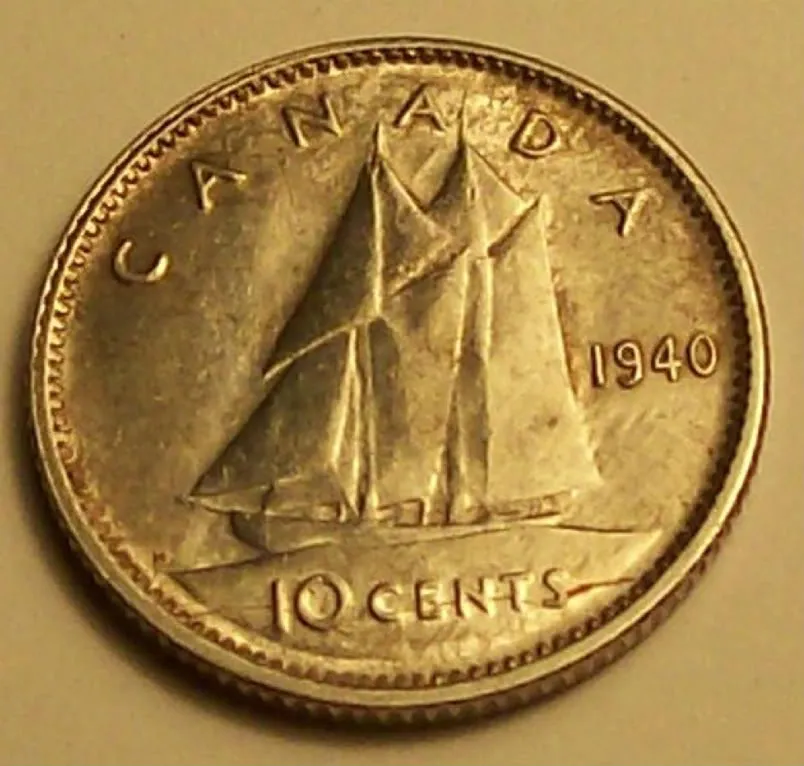 |
|
|
|
Moderator
 United States
6563 Posts |
|
|
Pillar of the Community
 Canada
1931 Posts |
and what is it called when the rim at the top looks like that. like the rim is "bleeding" over to the front of the coin? and does it look to you
that the lower edge of the coin is thicker than it is at the top. could this be somehow not stamp on straight? I dont know the right terminology to even ask my own question. lol
|
|
Moderator
United States
6563 Posts |
Quote:
"bleeding" over to the front of the coin?  Guess I'm not seeing what you are seeing It does kinda look a bit concave like someone hit it very evenly in the center of the coin without leaving any damage...but it could be the lighting or angle of the pic. |
|
Pillar of the Community
Canada
1931 Posts |
top right of the coin over the can in canada. you can see that the rim edges actually come right up over the front rim of the coin so that it looks like that part of the coin has two edges.
|
|
Moderator
United States
6563 Posts |
Have you looked at it in hand or just from photos. If just from pics then it's a normal optical illusion with coins  |
|
Pillar of the Community
Canada
1931 Posts |
no no, I looked at it in hand. thats why I had it bagged seperately. I was goin to post to ask why the edge would have a rollover like that and then I noticed the crack.
|
|
Pillar of the Community
Canada
1931 Posts |
i wish I could better explain. you know how theres a flat area all around the coin then the denticles from there? start by looking right at the edge under the word cents and follow all the way around counter clockwise. the flat area gets thinner and thinner until it hits the top and then it splits into that weird part where it looks like the edge rim comes up and over to the front of the coin.
|
|
Pillar of the Community
United States
3507 Posts |
Hi,
It's called being struck by a slightly misaligned die.
I hope that helps.
Thanks,
Bill
|
|
Moderator
United States
6563 Posts |
Geez Bill you could have showed up a bit earlier before I embarrassed myself  |
|
Pillar of the Community
Canada
1931 Posts |
lol thanks very much. so does that make this worth less than the book value. do I lower it a grade or mark it damaged or what?
|
|
Pillar of the Community
United States
3507 Posts |
Hi,
It does not add to the value of the coin:-)and since it is a normal part of the minting process, in this case it doesn't really hurt the value either.
Theoretically, the same coin struck better would be worth a hair more but we aren't talking about a very high value coin to begin with.
Graceoutcast, I've heard things described a coupla thousand different ways so from the description given, I had a good idea what was being asked:-)
You did good:-)
Have Fun,
Bill
Edited by foundinrolls
07/13/2008 01:13 am
|
|
Pillar of the Community
Canada
1931 Posts |
Wow I am just going through one folder of the silver dimes and so far here's what I've found 1940- die crack and misaligned die 1941-misaligned die 1942-die crack in same place as the 1940 1943 with all sorts of problems that I don't know the name for. here's the pictures lets see what you think! (1043dime) 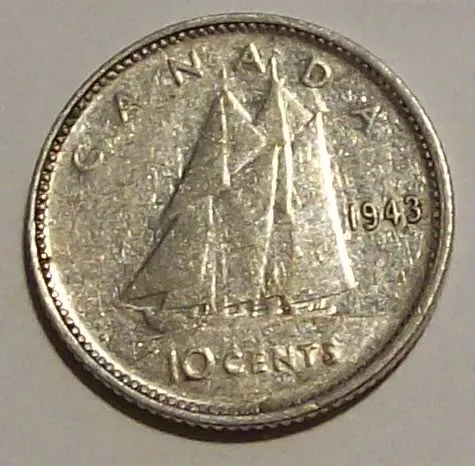 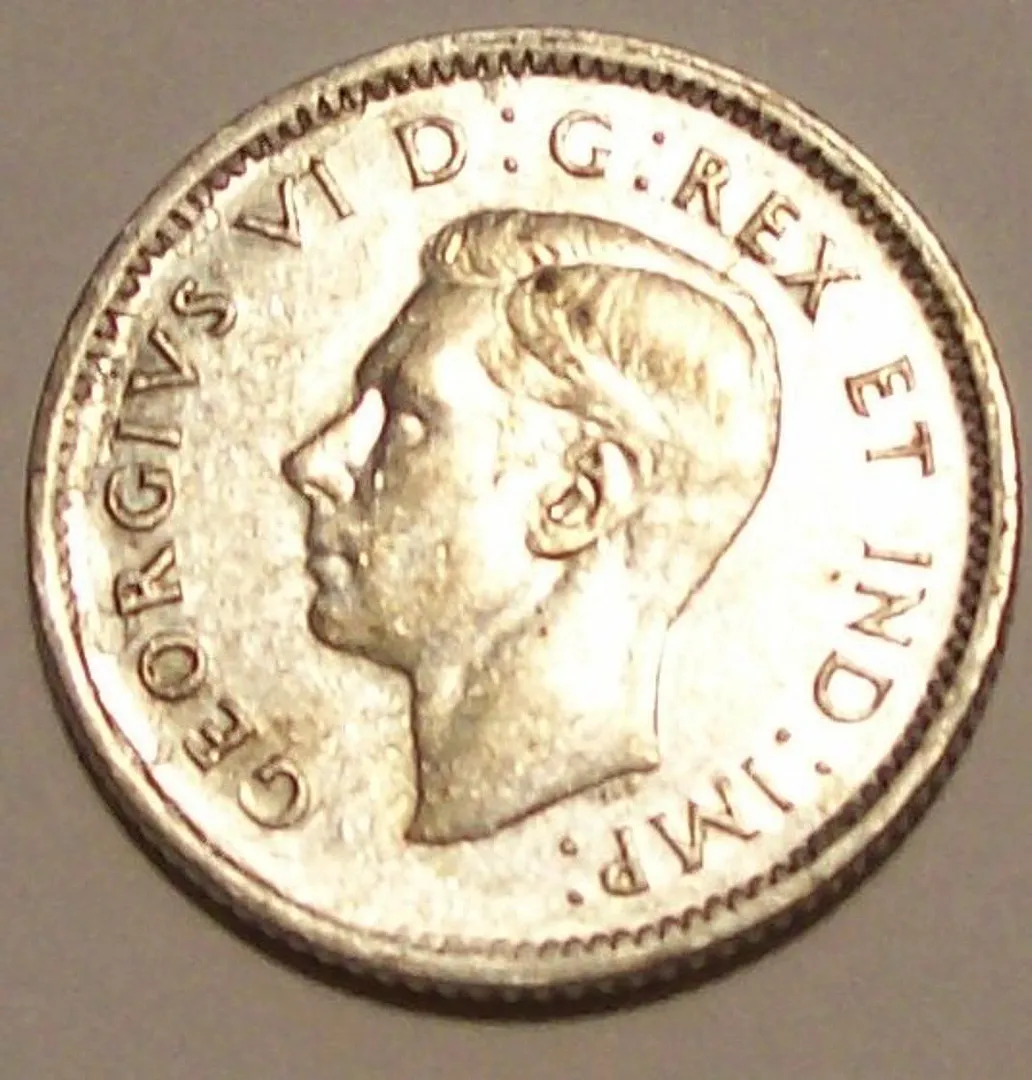 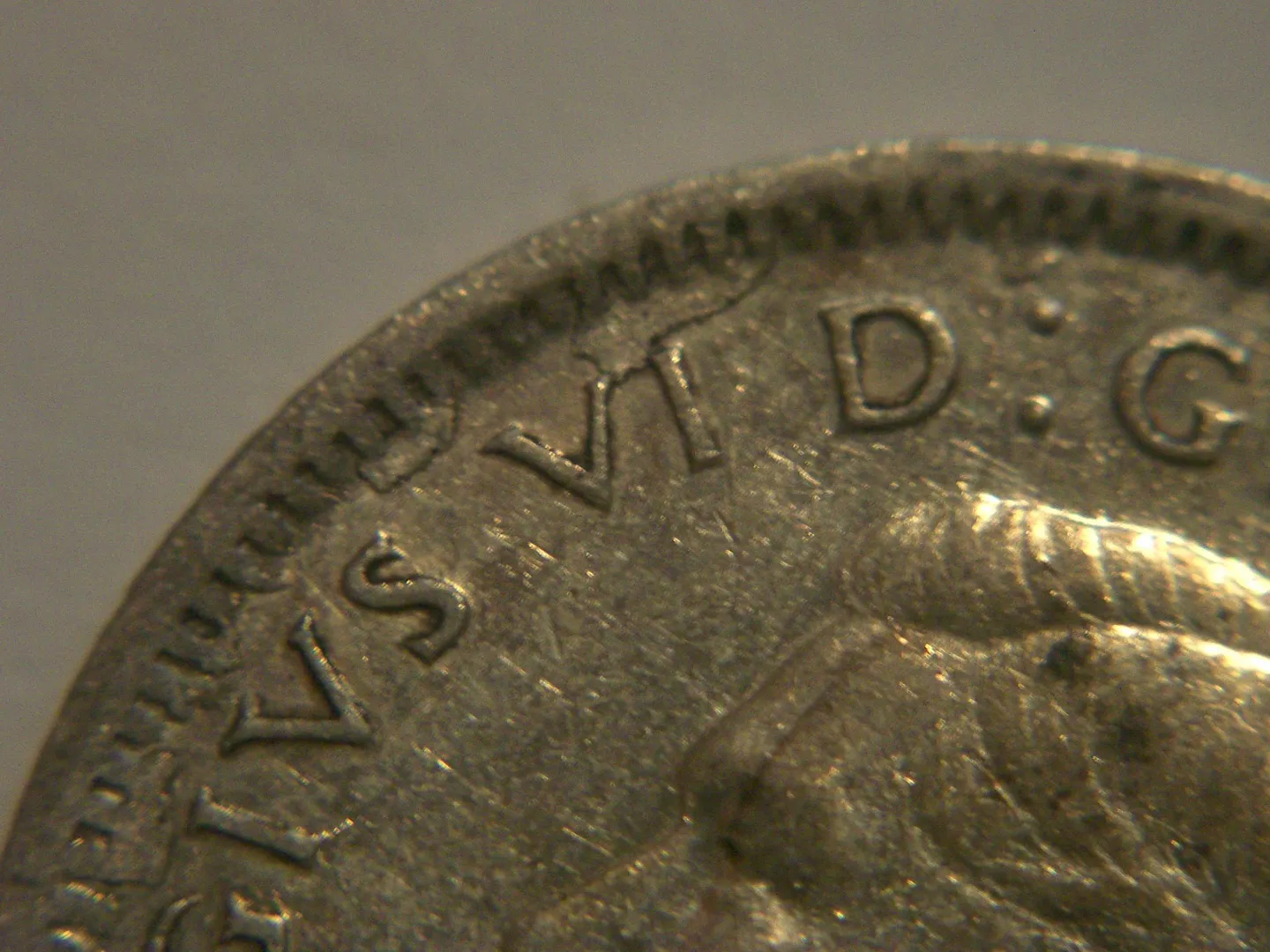 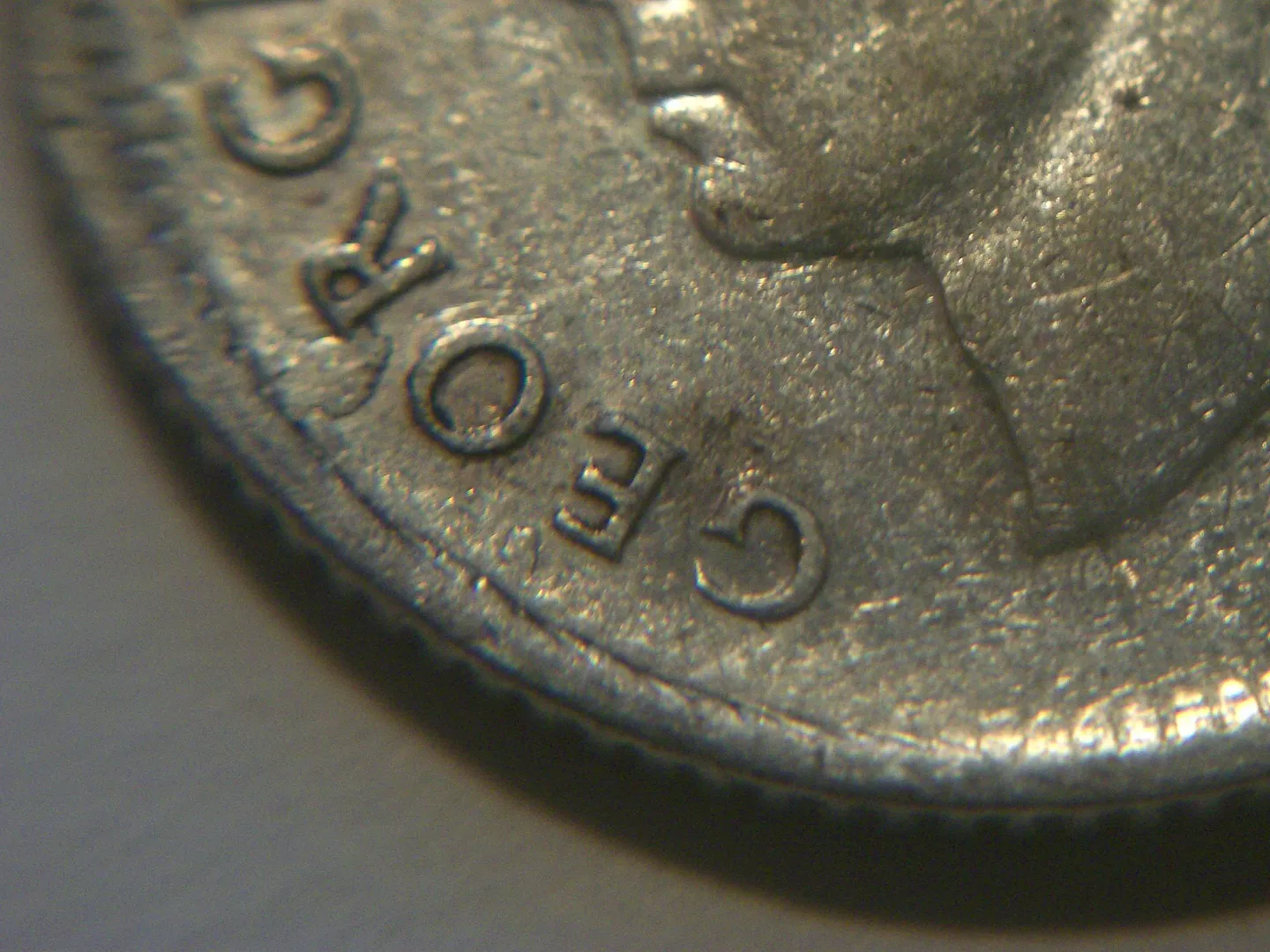 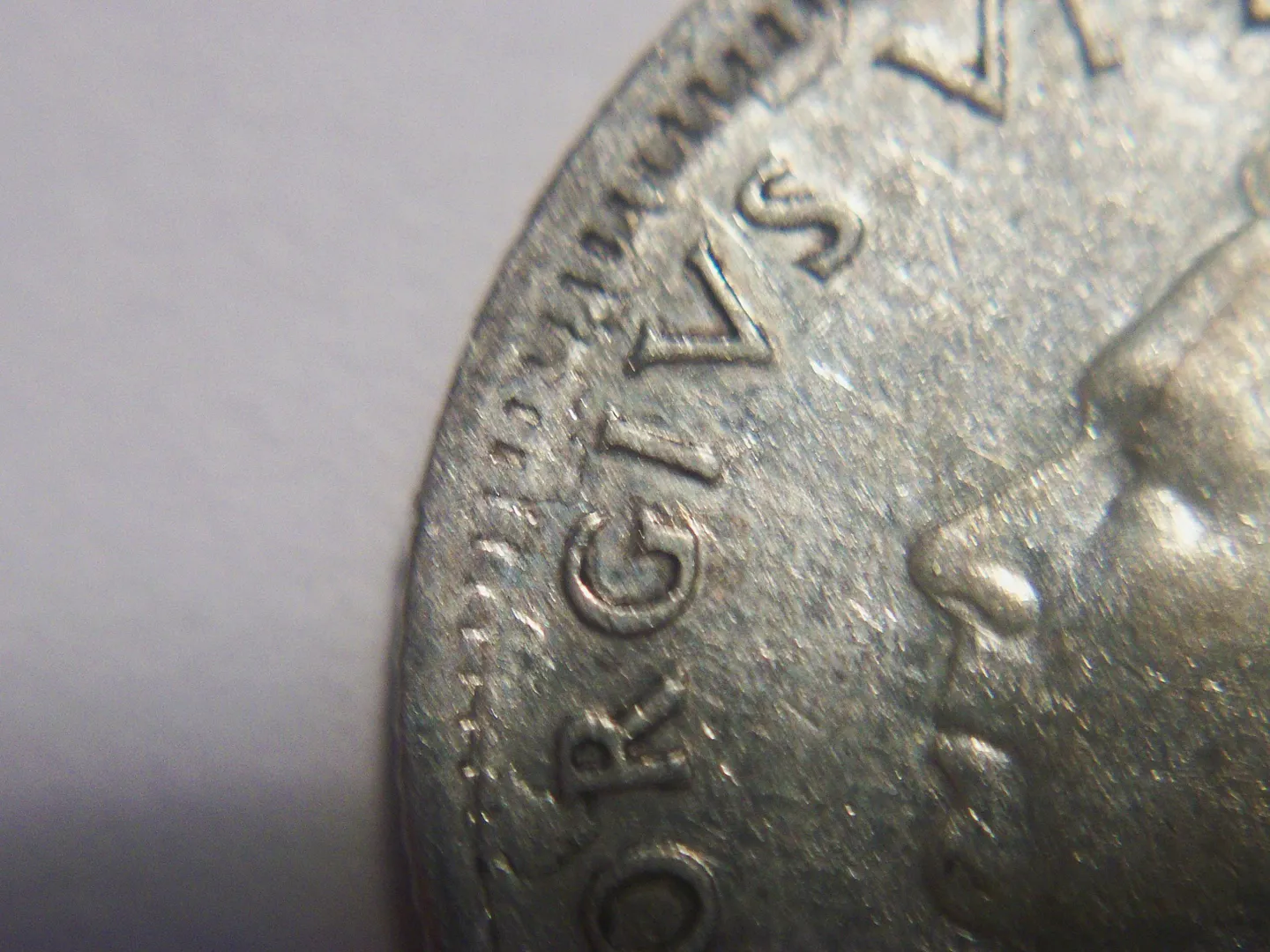 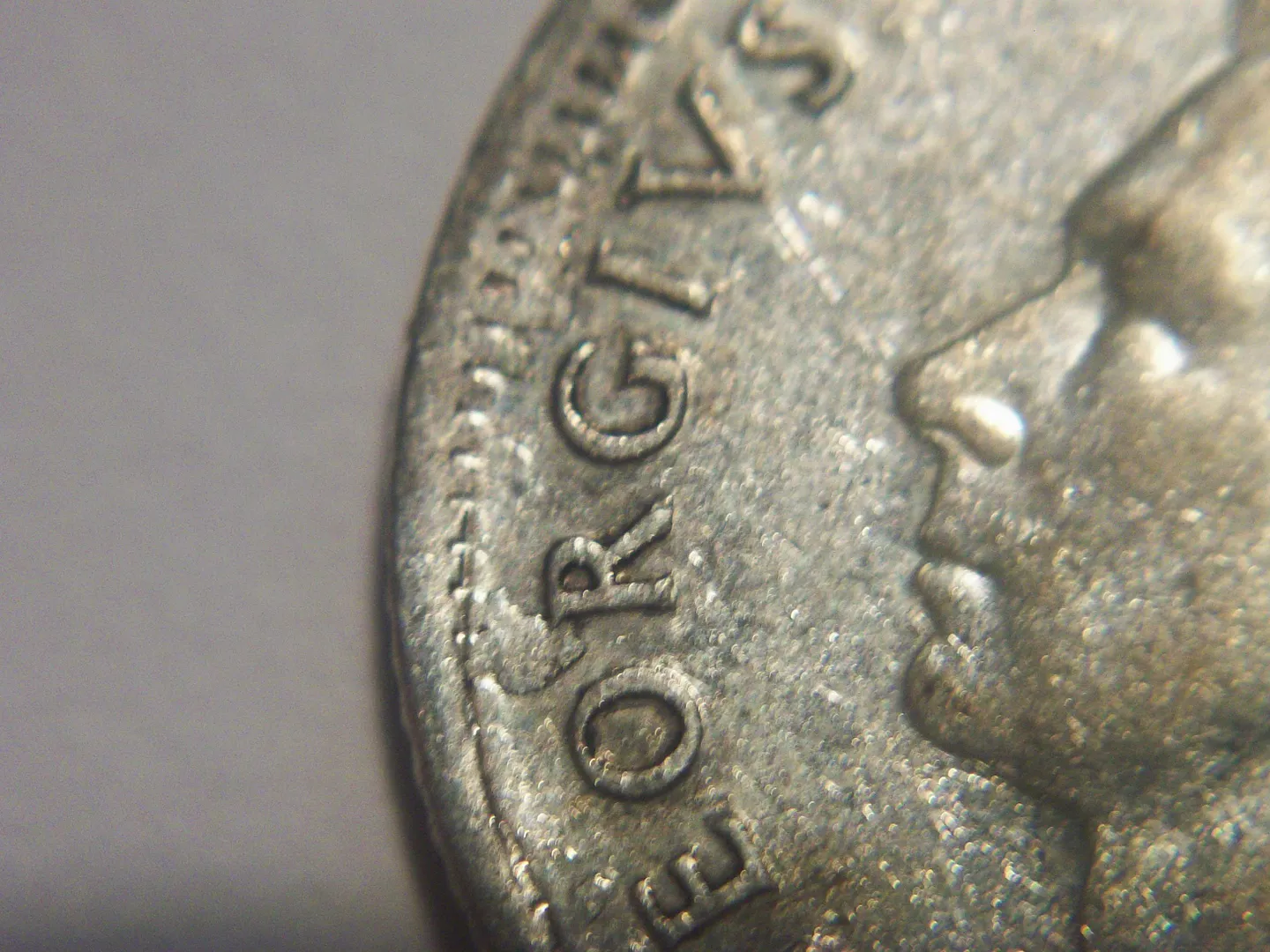 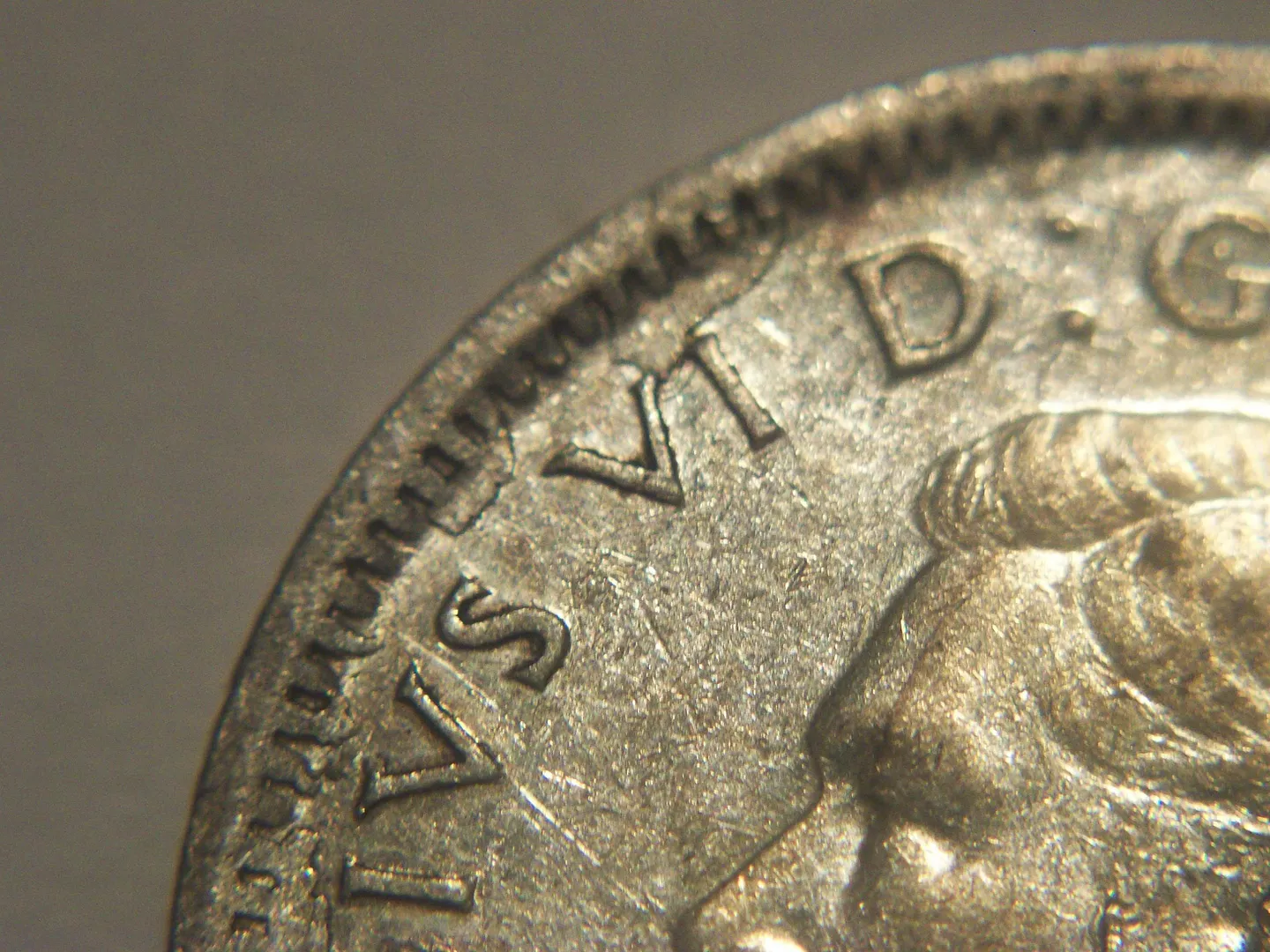 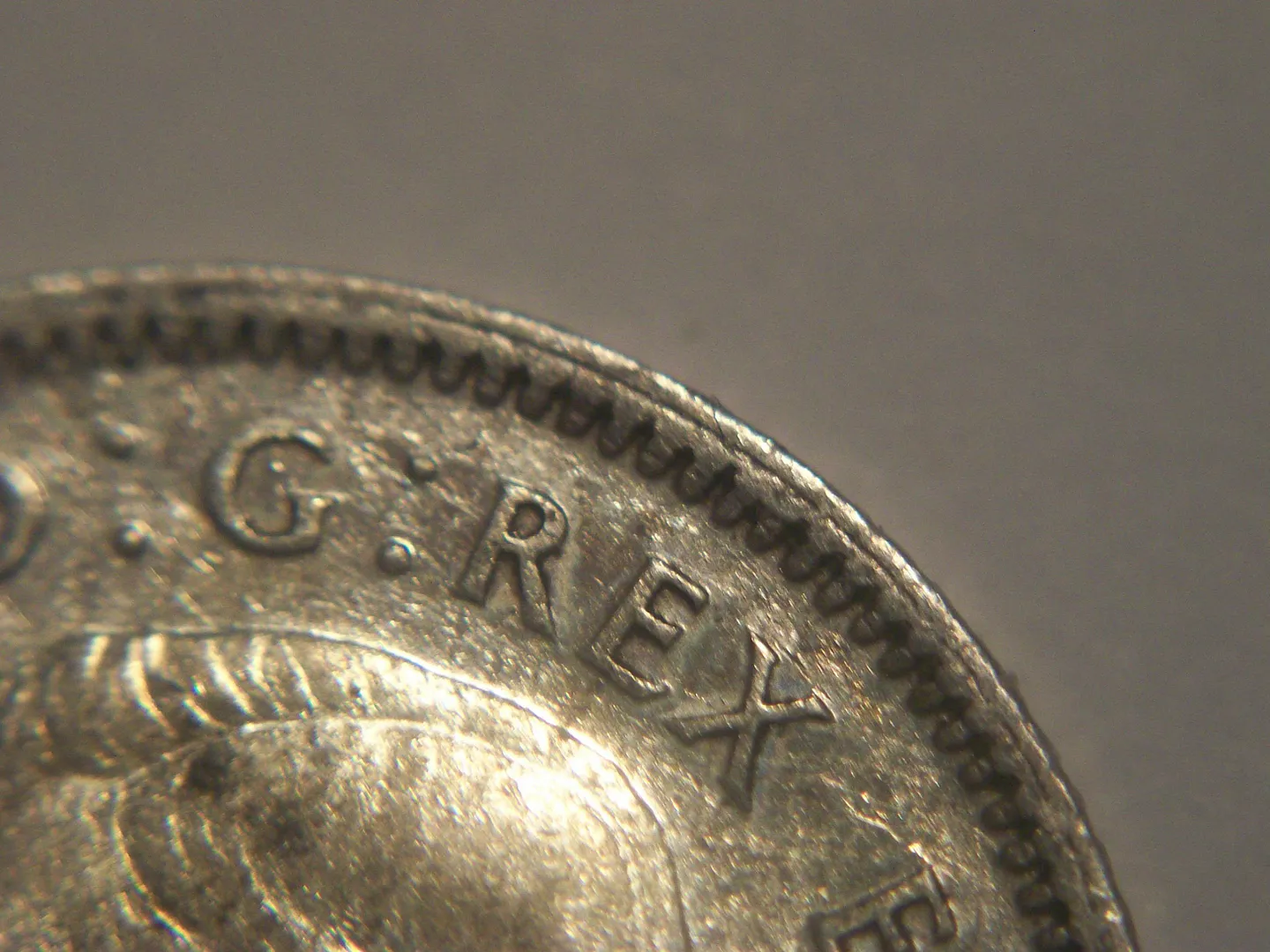 |
|
Pillar of the Community
Canada
1931 Posts |
sorry those pictures are huge!! that happens every once in a while. I'm not sure how I do it so not sure how to not do it either
malissa
|
|
Rest in Peace
United States
1943 Posts |
Malissa, your 1943 appears to have small laminations. This is where the alloy of the metals is not mixed properly and starts to flake. The high edge on your 1940 dime above is called a fin. But yours is a small one. As the dies come together the pressure will sometimes force some of the metal up the side of the die. I personally wouldn't label this coin as a misaligned die on the holder. The reverse die is uncentered a little but still within mint tolerance. To be a MAD it should have some of the design missing. That being said, I like that you're looking thru your coins and noticing these mishaps. It's fun to look through the coins you've had sitting around and make discoveries like this. Keep posting more as you find them.
|
|
Bedrock of the Community
United States
62064 Posts |
The 1940 dime at the top is not a die crack. If it were a die crack the crack would be seen through the devices (letters in this case). It is a die scratch/gouge. The outside edge of the die is the field. When a scratch or gouge happens it affects only the field and not the devices deeper into the field. a die crack would show through all the letters and not just the field.
The rim distortion is from a miss aligned die (MAD). One die is usually permanently mounted (anvil) the other is adjustable (hammer). When the two are aligned the coin looks normal. When the one that adjusts is not exactly centered you see where the rim is distorted only on one edge of the coin. If the rim was off on both sides of the coin it would be an off center. There are varying degrees of MAD and most times it is also within tolerance. Only extreme examples warrant a premium.
|
| |
Replies: 20 / Views: 12,282 |










 Posted 07/13/2008 12:36 am


