| Author |
 Replies: 15 / Views: 2,580 Replies: 15 / Views: 2,580 |
|
|
Pillar of the Community
United States
4233 Posts |
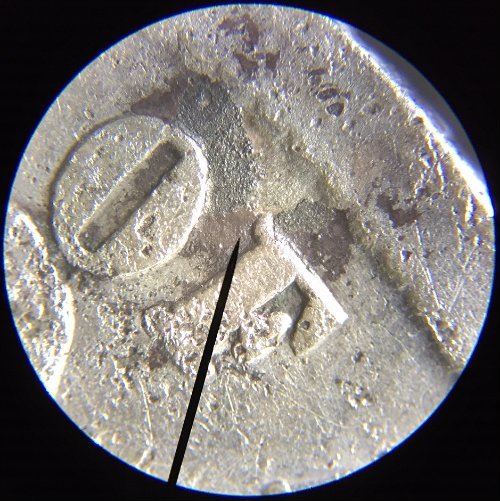
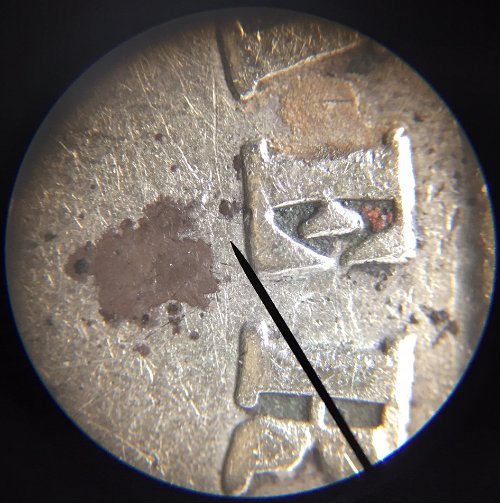
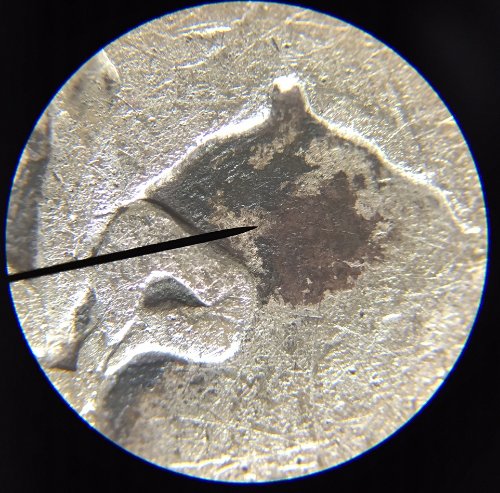
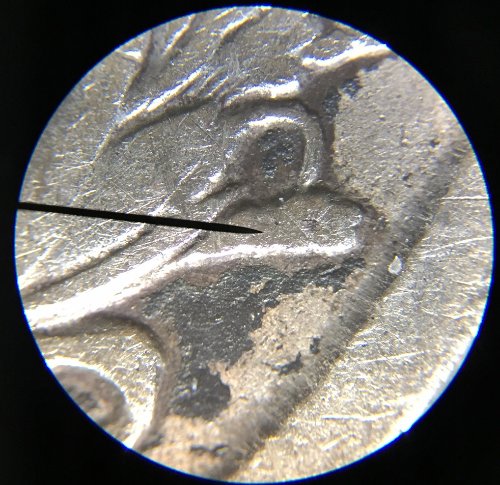
I haven't attempted to "clean" a coin since I was 13 years old, and that was a while ago. But I've read so much about acetone on this forum that I thought I'd try it on a "junk" coin. Following the strategy laid out in several videos, I gingerly soaked for 30-60 seconds, then gently rolled (not wiped!) cotton swabs across. Nothing. So I soaked again for a couple minutes, then not quite so gently "rolled" some swabs, lathering on the acetone each time. Nothing. Then I left it in the acetone overnight, probably 20 hours or so, then aggressively went at it with the Q-tips. Before and after images. Note the unchanged blob to the right of Liberty's nose, for example. It's practically three-dimensional, and this stuff must be asphalt from getting run over by a Model-T, or some kind of impervious extraterrestrial life form. Bottom line I guess is don't expect miracles from acetone. (white/gray color difference is lighting not coin) 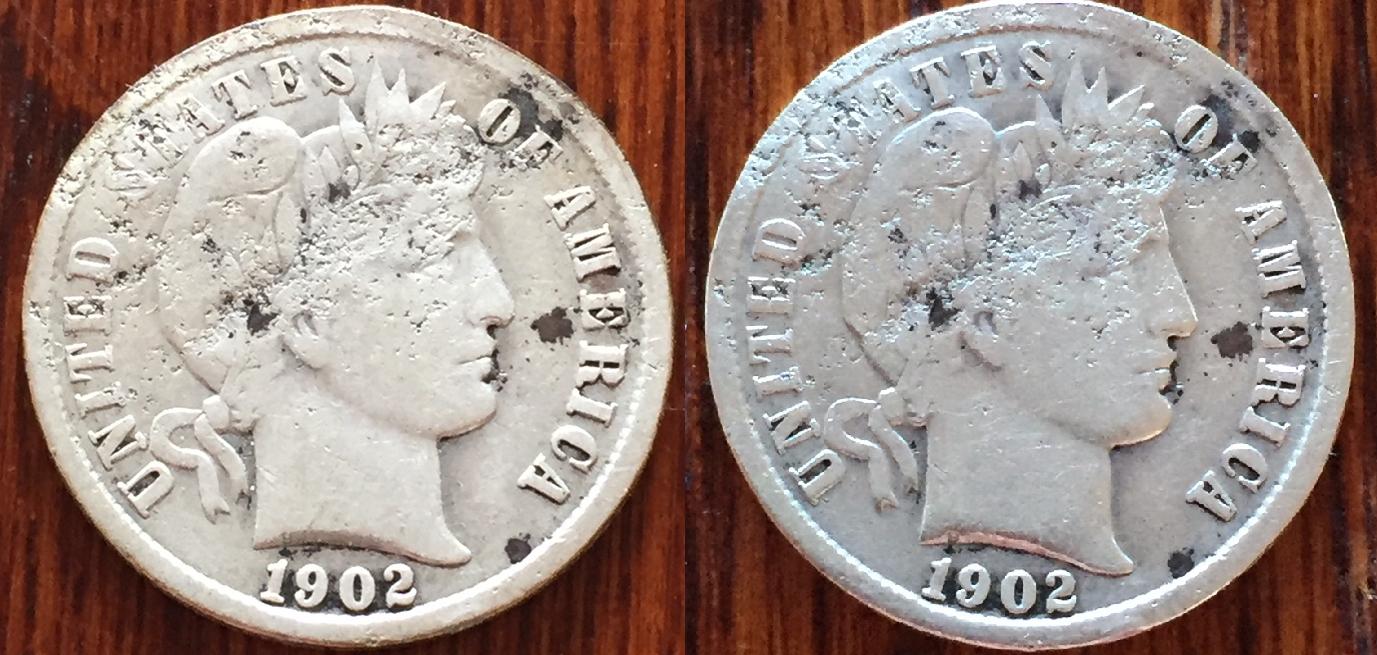 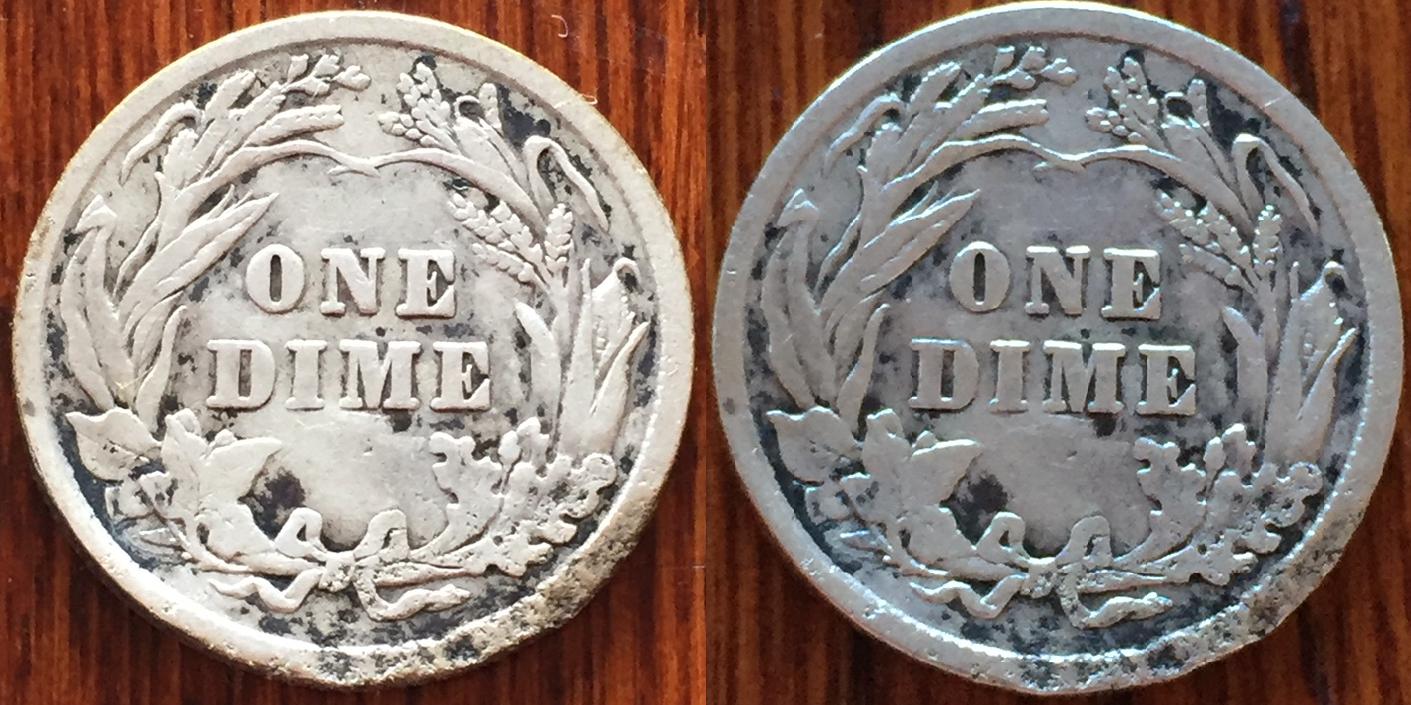 |
|
|
|
Pillar of the Community
United States
2023 Posts |
Yeah, acetone isn't a cure-all. I wouldn't be so aggressive with the swabs and a longer soak can't hurt, but some things it can't help. The first couple of rounds you did would be okay in some cases, like removing gunk -- which is kinda what you have, just the wrong kind of gunk.
|
|
Pillar of the Community
United States
3479 Posts |
Try hot water. I know it sounds stupid but after soaking a coin in acetone with no results, I soaked it again with hot tap water and gunk came right off. I posted the before and after here somewhere if someone wants to dig It out. I believe it was a with a Franklin half. |
|
Pillar of the Community
 United States
4233 Posts |
MikeF - interesting, I'll try that.
Hopefully it's obvious that I don't really care about whether I succeed or not with this particular coin, just thought it was a good one to experiment on.
|
|
Pillar of the Community
United States
4703 Posts |
If it is terminal toning, basically corrosion that has eaten into the coin, then acetone won't work. On a coin like this, no reason not to dip it to complete your experiment.
|
|
Bedrock of the Community
Australia
21789 Posts |
Acetone is a powerful organic solvent. It will not dissolve metals or their oxides or sulfides which are INorganic. Any black or or gray gunk on a coin which is not removed by acetone is almost certainly a sulfide or an oxide. That is why it is perfectly safe to remove purely organic stains from a coin, without disturbing the patina, or the metal underneath it. It also explains why acetone is unable to remove the black stains seen on the OP's Barber dime. The black stains can be removed, but you need the skills of a museum professional, who do this sort of task, but almost always on ancient coins recovered from direct soil contact burial. Acid  in various dilutions are used, and that is why the skills and experience of a museum professional are essential for this job. Even so, calculated risks must be taken, because some disasters inevitably happen. Don't ever attempt to use acid on a similar coin to the OP's. Almost 100% chance of destroying it. |
|
Rest in Peace
United States
18456 Posts |
Your coin has an obvious attempt of a Harsh cleaning . Those black spots are the remaining issues after that rough cleaning ,so seems about right that the acetone will not do anything beneficial to that coin .  |
|
Pillar of the Community
United States
5825 Posts |
Quote:Any black or or gray gunk on a coin which is not removed by acetone is almost certainly a sulfide or an oxide. That is why it is perfectly safe to remove purely organic stains from a coin, without disturbing the patina, or the metal underneath it. It also explains why acetone is unable to remove the black stains seen on the OP's Barber dime. Well said. Acetone only deals with gunk, goo, glue, etc. |
|
Pillar of the Community
United States
7375 Posts |
The black stuff might be some kind of environmental damage. As long as you're pulling out the stops with nothing to lose in this experiment....do you have a pressure washer?  |
|
Pillar of the Community
 United States
2365 Posts |
Since you are 'experimenting' I'd suggest that in addition to acetone you might try xylene. Both are organic solvents but they can remove different junk from the coin. Acetone is a polar, organic solvent. It works differently from xylene which is non-polar. I'm not a chemist but have learned that fact from the chemists in this forum.
When I try acetone and it doesn't remove all the junk then I try xylene and sometimes it removes it because polar dissolves polar junk and non-polar dissolves non-polar junk.
Member ANA and EAC "You got to lose to know how to win". Dream On by Aerosmith |
|
Pillar of the Community
Canada
9586 Posts |
After acetone I use Verdi-care
|
|
Valued Member
United States
175 Posts |
If you do try xylene make sure there's plenty of ventilation. It's some nasty stuff.
|
|
Bedrock of the Community
United States
20753 Posts |
Usually if Acetone doesn't work, distilled water too has no effect, the coin may be really in sad shape. Might not be worth saving after all that.
|
|
Moderator
 United States
34531 Posts |
"If you climb a good tree, you get a push."
-----Ghanaian proverb
"The danger we all now face is distinguishing between what is authentic and what is performed."
-----King Adz
|
|
Pillar of the Community
United States
4233 Posts |
|
|
Pillar of the Community
United States
7375 Posts |
|
| |
Replies: 15 / Views: 2,580 |
|










 Posted 02/02/2019 12:27 am