| Author |
 Replies: 16 / Views: 2,886 Replies: 16 / Views: 2,886 |
|
Pillar of the Community
United States
6202 Posts |
Found this one in an envelope labeled "freaks". My local coin club had be go through a collection of cents for them and they gave me this one as "payment" for pulling out all the errors and varieties from the collection for them. Works for me. So this looks like a clamshell to me, but... As I am not an error person I question how exactly does a coin get that much wear on it before someone notices that a third of it is falling off? Comments welcome as I'd like to understand this coin better as it is one for my collection. 1919 Lincoln Wheat cent - clamshell lamination 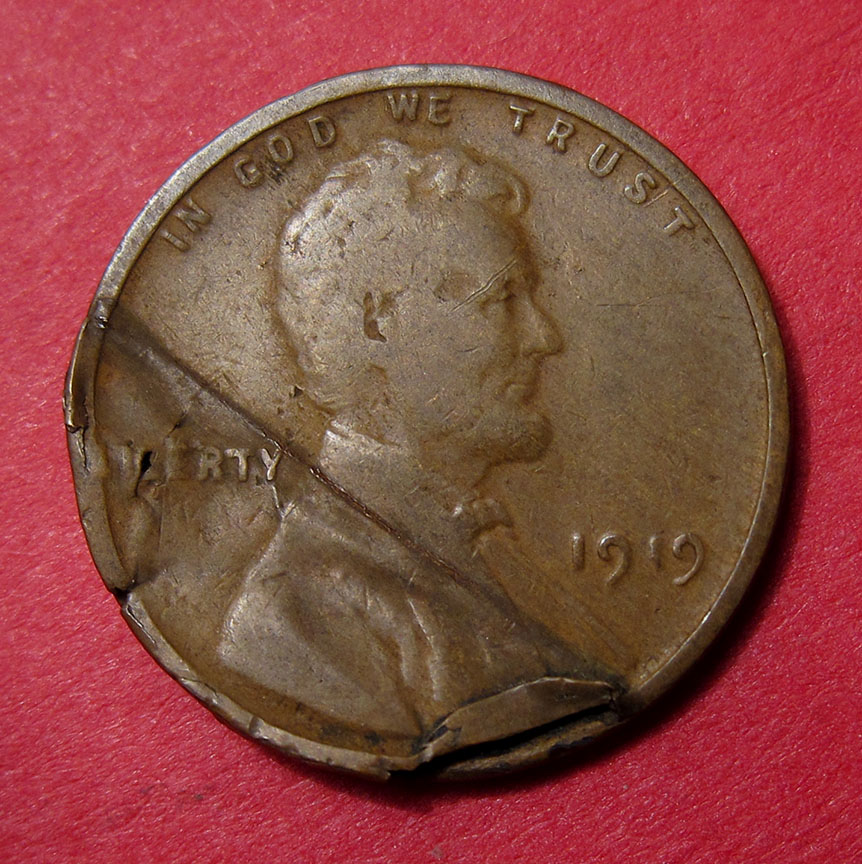 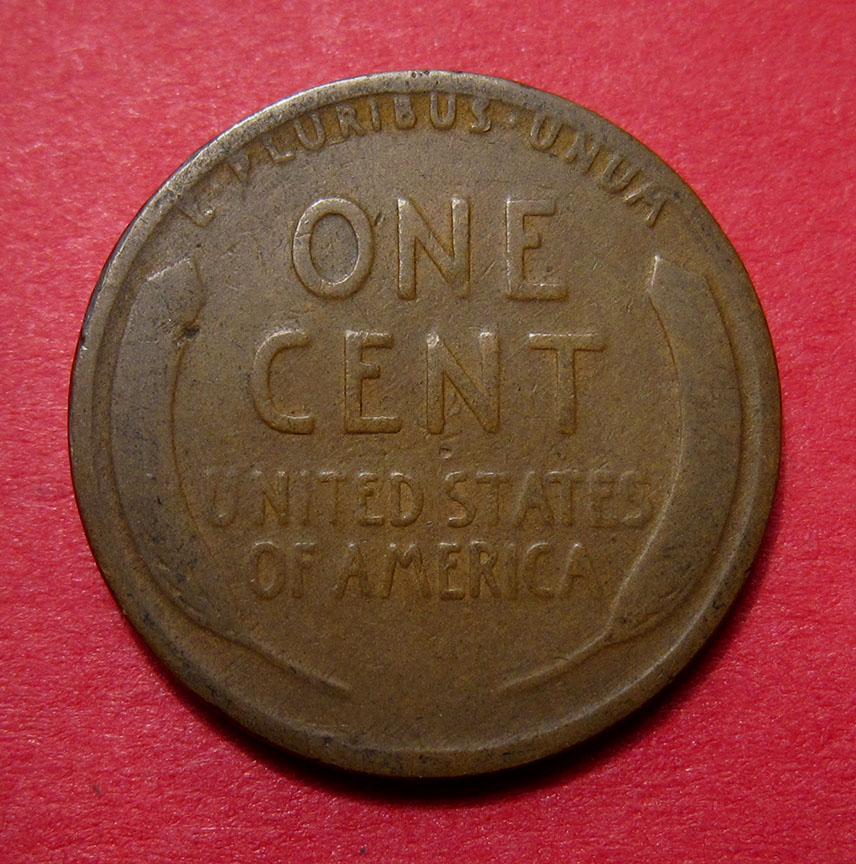 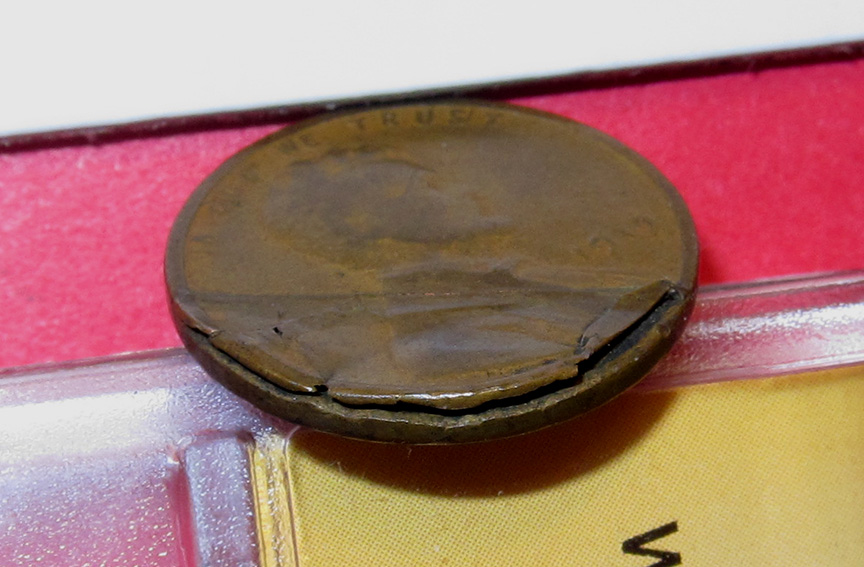 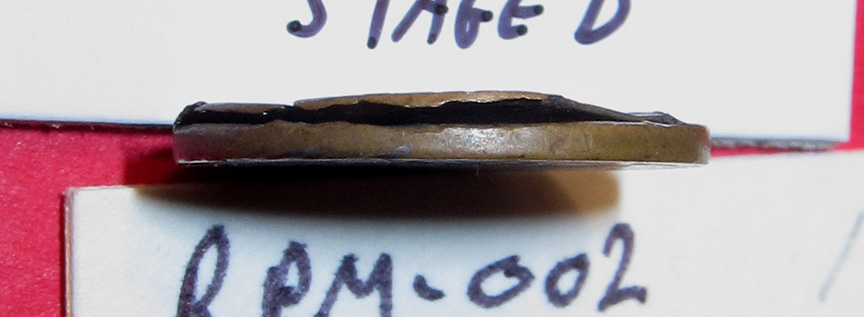 |
|
|
|
Pillar of the Community
5464 Posts |
I don't know but it's a great example! Don't mess with it. Looks like it's ready to break off.
|
|
Pillar of the Community
United States
5887 Posts |
Very nice one!
-CH27
Collector of U.S. Coins, Varieties, and Colonial Coinage
|
|
Bedrock of the Community
United States
94367 Posts |
Never seen anything like this. Hard to account for the sharp straight crease, but I'm no expert.
|
|
Pillar of the Community
United States
2156 Posts |
Wow. Looks like if you touch it it's gonna break off like a potato chip.
|
|
Bedrock of the Community
Canada
21929 Posts |
Strange that it never got pulled before it got so much wear.
Looks like someone folded it back causing the crease.
Nice payment for your work.
|
|
Pillar of the Community
 United States
906 Posts |
Wow, quite an unusual and interesting find. Congrats.
|
|
Pillar of the Community
United States
8946 Posts |
Nice example TB, no clue either.
|
|
Pillar of the Community
United States
2624 Posts |
|
|
Pillar of the Community
 United States
6202 Posts |
Thinking JimmyD may have hit on something there. I looked at the crease under the scope and while it's not fresh, it seems like back years ago the coin was circulated with a split for quite some time until a collector spotted it and pulled it. Then, someone lifted the flake to see what was going on, and subsequently pushed it back down. The way the crease looks on the coin supports this lifting and lowering theory.
Anyway, maybe that's the story and maybe not, but that's what is making sense to me right now based on what I see on the coin.
|
|
Moderator
 United States
34564 Posts |
Very interesting to look at!
"If you climb a good tree, you get a push."
-----Ghanaian proverb
"The danger we all now face is distinguishing between what is authentic and what is performed."
-----King Adz
|
|
Pillar of the Community
United States
6202 Posts |
Wasn't going to post this one as I tend not to post stuff I am selling. But it shows very clearly why the straight line part of the clamshell coin doesn't bother me at all. A fair number of the really large laminations have fairly straight lines involved, so I think that is pretty normal on the clamshell. It's just been lifted up and folded back down somehow without breaking off. 1911-D Lincoln Wheat cent - lamination peel 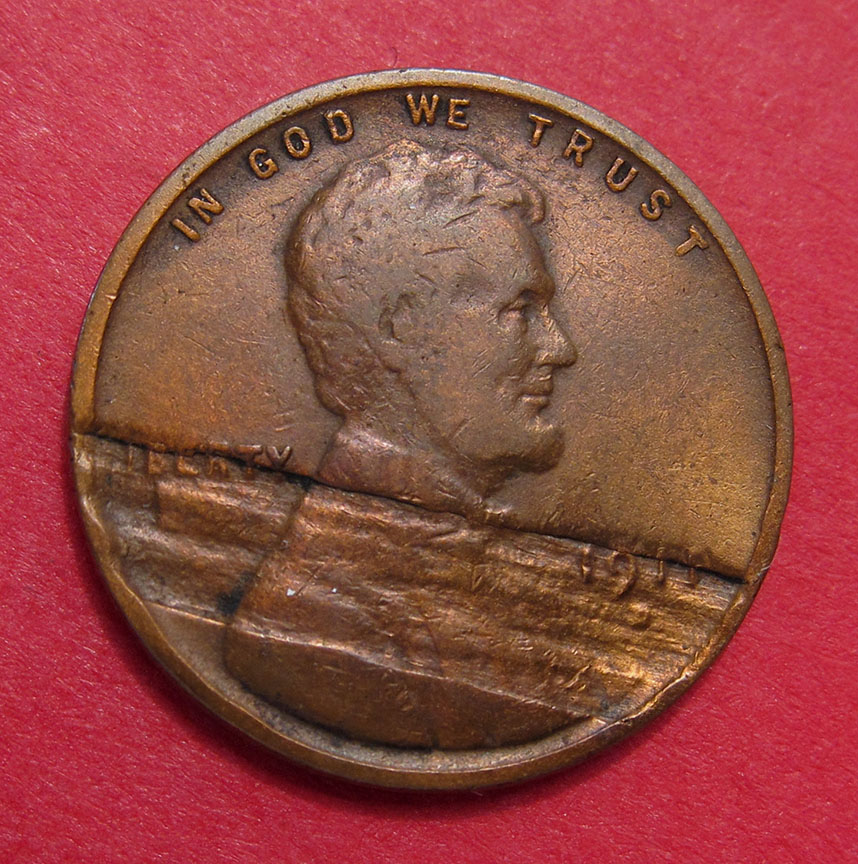 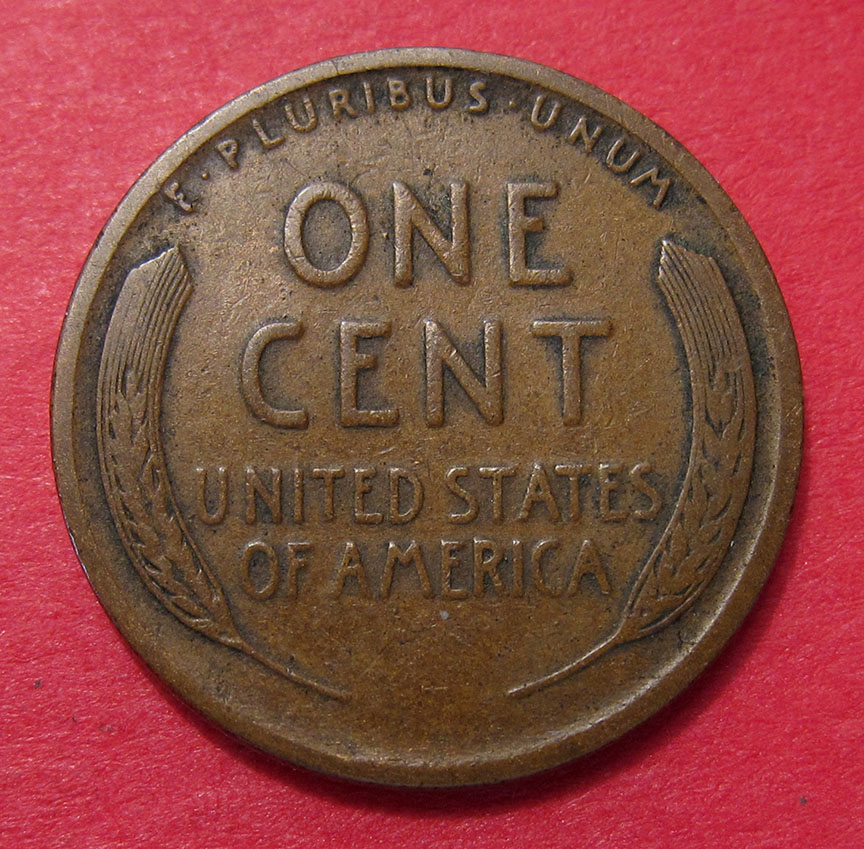 |
|
Pillar of the Community
United States
2624 Posts |
|
|
Bedrock of the Community
United States
79716 Posts |
|
|
Pillar of the Community
United States
2624 Posts |
Error-Ref.com Lists "clamshell" under "Split planchets". The photos on "Doubled Dimes" also shows a crease line.
|
|
Bedrock of the Community
United States
62064 Posts |
Another clam shell planchet issue: 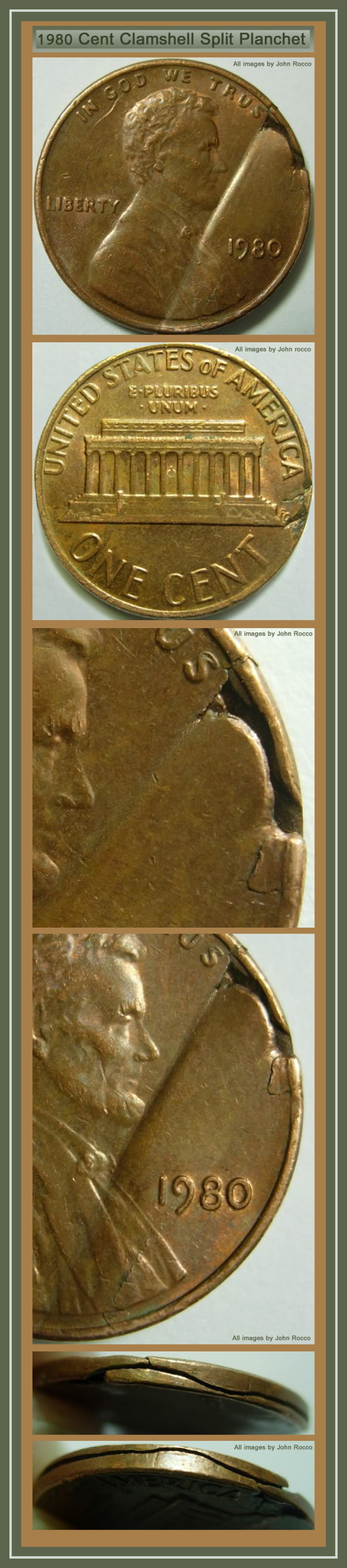 |
| |
Replies: 16 / Views: 2,886 |







 Posted 04/19/2019 8:01 pm





