| Author |
 Replies: 37 / Views: 3,728 Replies: 37 / Views: 3,728 |
|
Pillar of the Community
United States
1161 Posts |
|
|
|
|
Pillar of the Community
United States
4423 Posts |
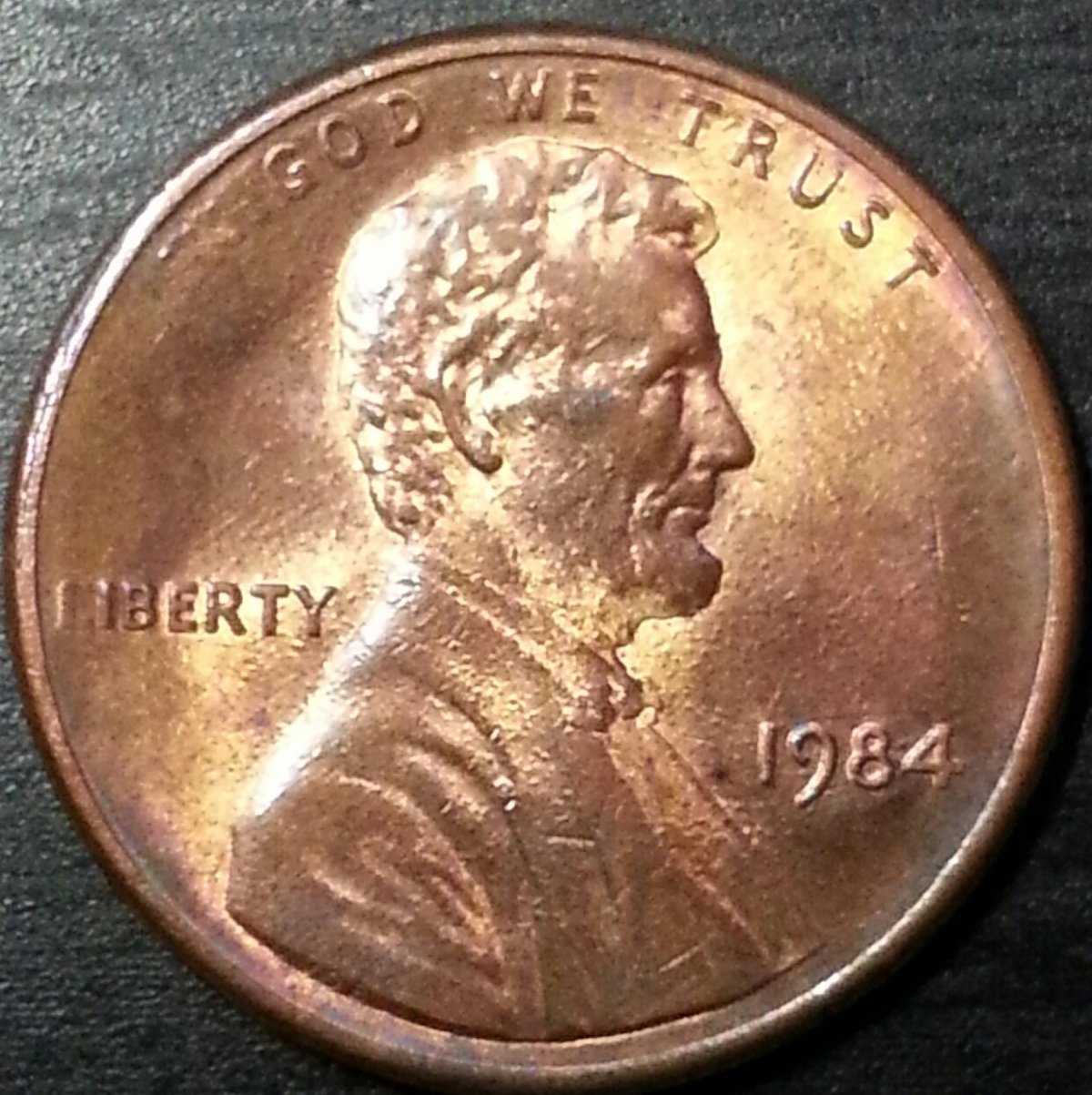
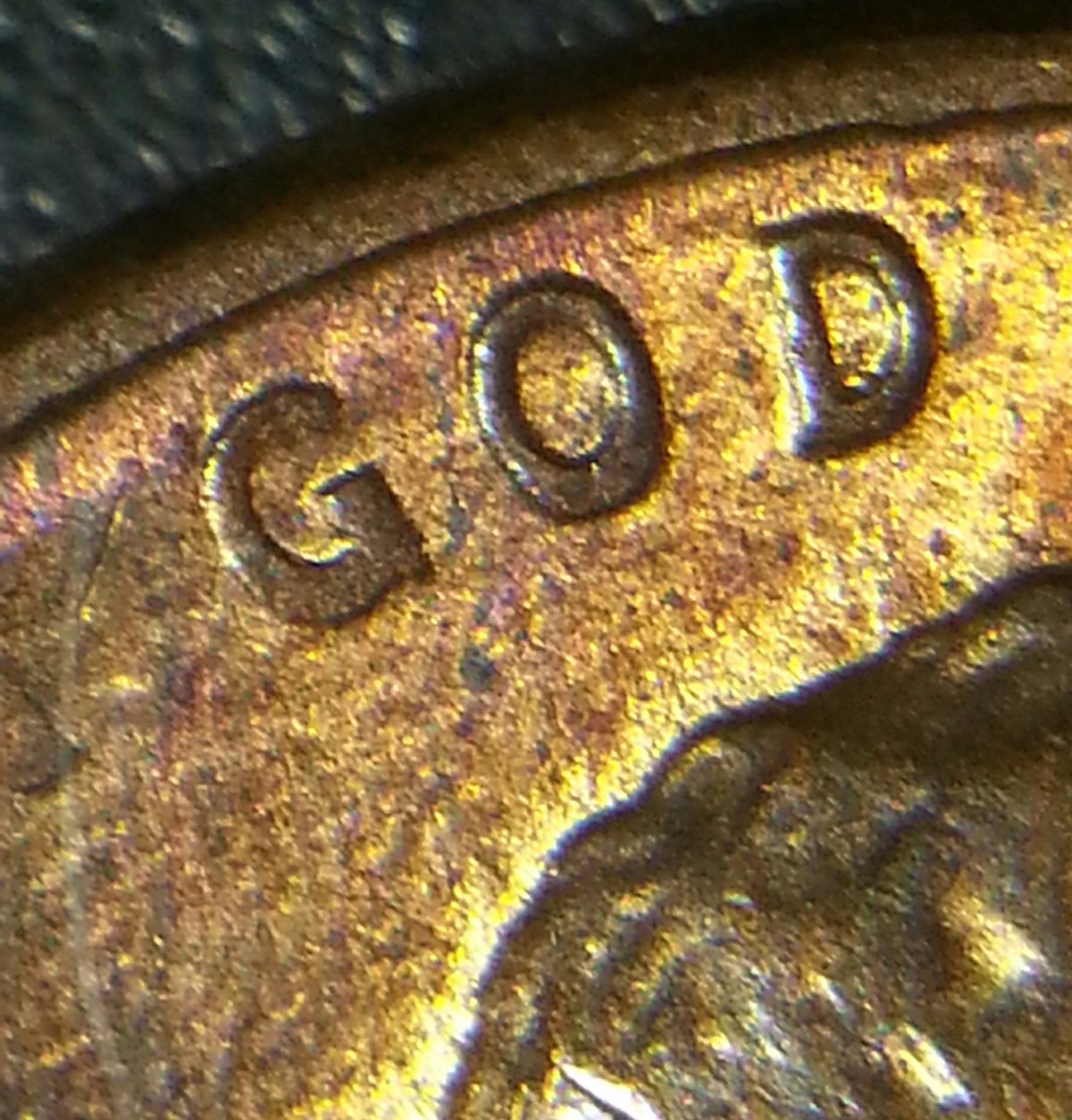
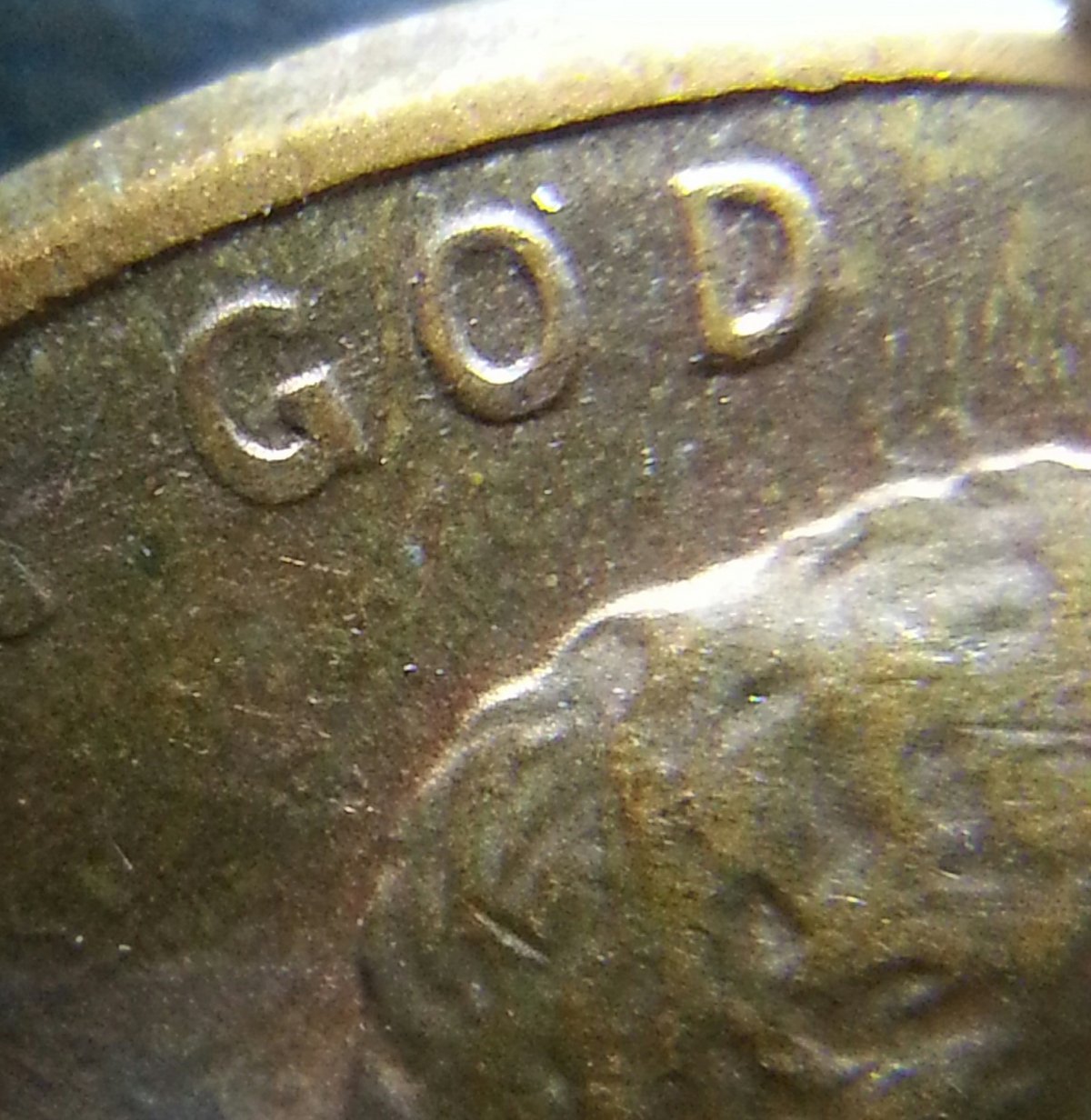
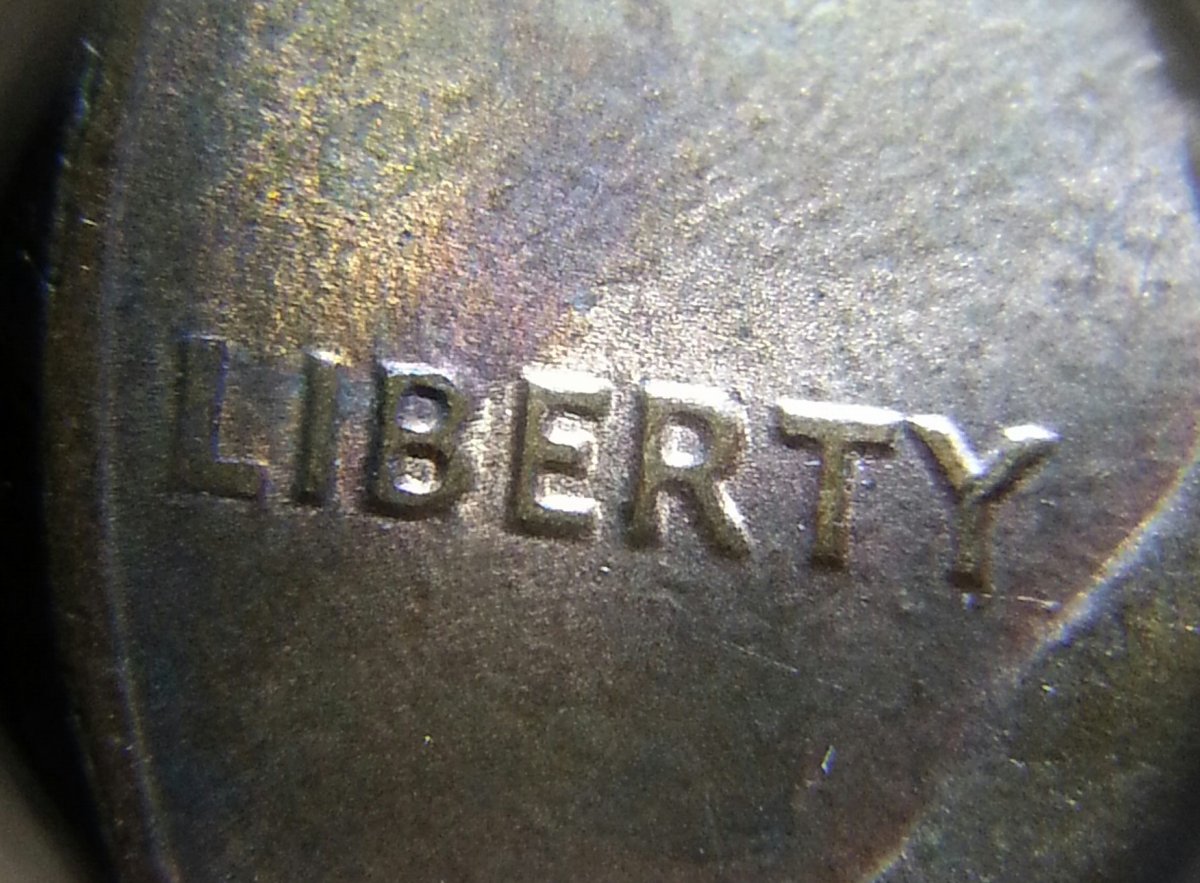
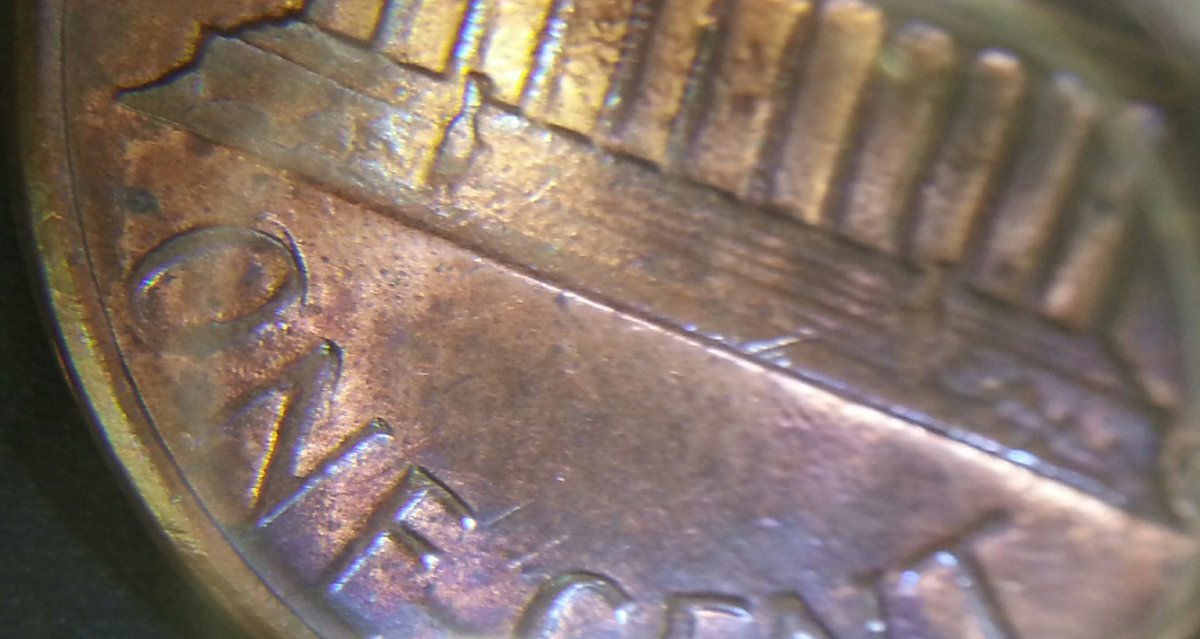
Not DDO-003. There's no extra thickness on LIBERTY on your coin. I think this is a combination of Die Deterioration and circulation wear. |
|
Pillar of the Community
 United States
1161 Posts |
|
|
Pillar of the Community
United States
1543 Posts |
|
|
Pillar of the Community
United States
1161 Posts |
These forums sometime feel like the good ole boys club. Seems like unless your part of the club, you never get the nod, it's always MD or PSD or Die Deterioration then one of the "boys" post something that doesn't even look close to being the examples on the various websites and it's like "yes that's it, it's the best blah blah blah" funny environment for a public forum. They even lock a thread about errors and varieties in the errors and varieties forum |
|
Pillar of the Community
United States
646 Posts |
Well its usually the correct variety when someone more active on here posts a coin because they usually know more about coins and only post coins they know are the correct error they think it is. And if the coins to you look nothing like what they're attributed as, then that probably explains why your coin isn't the DDO you thought it was. Keep searching though, you'll get better at attribution the more experience you get!  |
|
Pillar of the Community
United States
1070 Posts |
Well, the "good ole boys" know way more than us rookies. Keep searching. You'll know when you find something.
Cheers,
R2018
|
|
Pillar of the Community
United States
1161 Posts |
I hear that cherrypickers but I can pull several example of things I have posted that were actually that variation or error and one of the good ole boys drops a line like doesn't look great or just die cracks or it's barely there, and then a good ole boy posts and even though no one sees it (they say so right in the thread) the good ole boys cheer them on with no pushback. I'm all for experience and it's necessary but not like it's been in here lately, dropping one liners to get the post count up with no explanation.
|
|
Pillar of the Community
United States
1543 Posts |
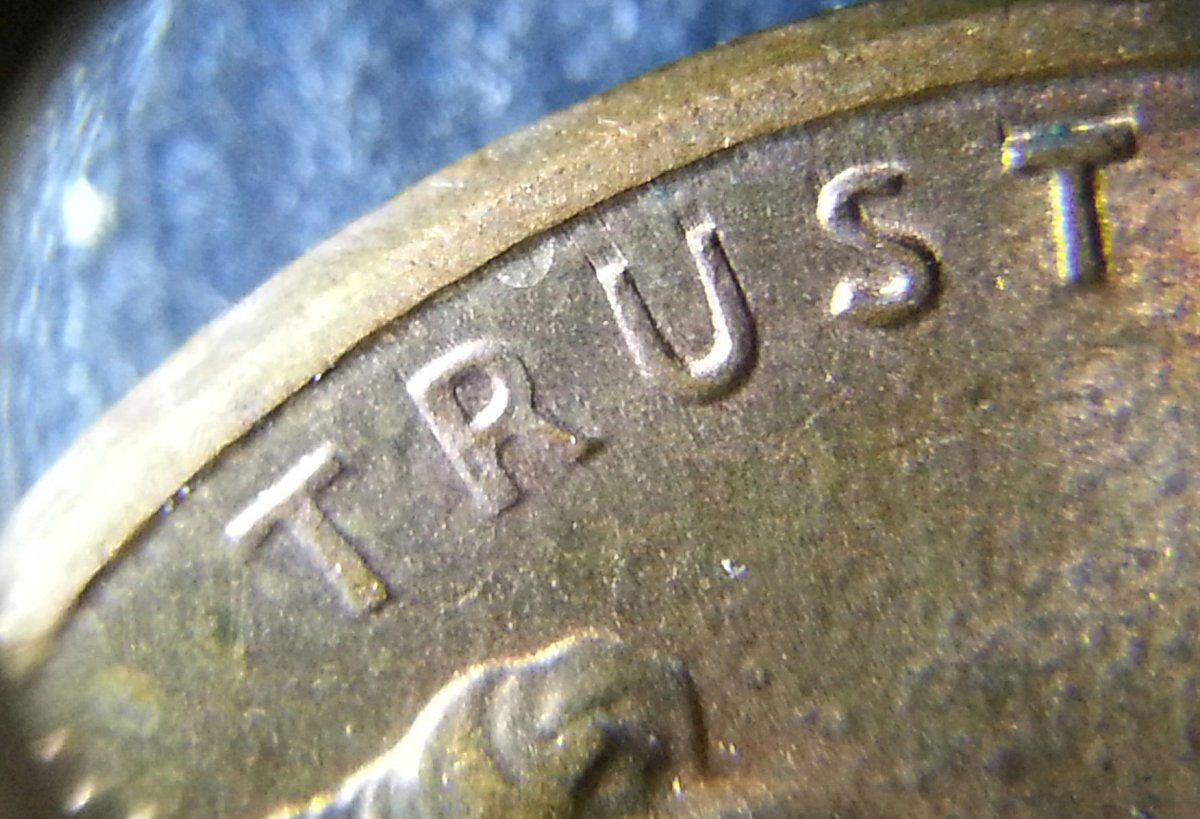
Quote:it's always MD or PSD or Die Deterioration Those are much more common, plus I think people tend to be reserved with their opinions unless they are absolutely sure. Wouldn't want to get someone's hopes up. I'm not seeing doubling on the obverse, though there is maybe something on the r and d in god we trust. If there is too much light the doubling might not show in the photo and in my opinion there in too much light in the close up of liberty. This does look strange to me though. 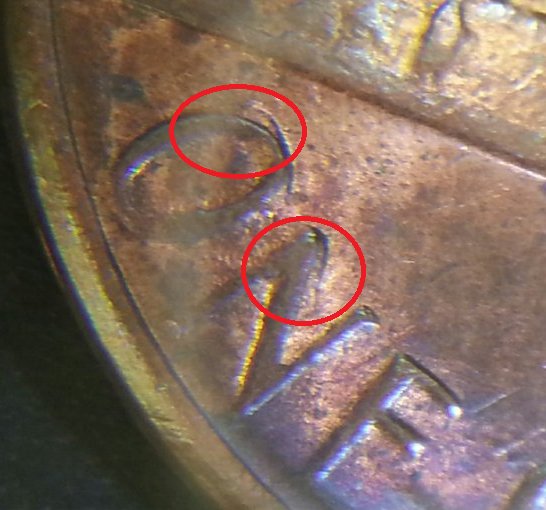 Keep in mind this is all my opinion. You have the coin in hand and, ultimately, will have to be the one to decided what it is or isn't. |
|
Pillar of the Community
United States
1161 Posts |
Rookie this isn't aimed at you, to be honest your post on here are actually very informative and you don't just shoot people down without giving a reason you tend to give reasons and back your stuff up. Maybe these guys have just been doing this too long and they can't stand answering posts of people that are incorrect in their assumptions but it doesn't set a good tone for the rest of the forum
|
|
Pillar of the Community
United States
1161 Posts |
Thanks gincoin I absolutely hear what you're saying but the reason we come on here is to learn and get an explanation no just post count. But when one of the good old boys post something and it doesn't look anything like any of the variations on any of the websites or books why are they quick to say yep that's it? why are they not as reserved when it's them anybody can be wrong at any time?
|
|
Bedrock of the Community
United States
62064 Posts |
1. Devices that look wider than normal and are flat are usually Struck Through Grease errors. 2. Devices that look thinnner/shorter than others are often the case of die polishing, the removed part of the fields, leaving the devices thinner looking than normal. 3. Devices that are looking wider on the fields towards the closest rims is called Die Deterioration. 4. Devices that are enlarged on the devices that make them wider/taller than normal are called doubled dies. Keep in mind that you can have one or more events happen on the same coin during the same strike. The areas on the image with the red circles around those devices are die polishing that reduced the over all size of the devices. Nothing is doubled. Just areas are reduced. |
|
Pillar of the Community
United States
1161 Posts |
Ok coop I fully understand all that, but you are saying that the letters in God don't look taller/wider? I can literally transpose them onto the attribution on variety Vista and it's exactly the same, so what gives 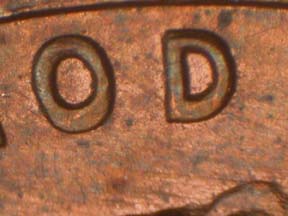 Edited by CoinTheTerm
08/27/2019 5:24 pm
|
|
Pillar of the Community
United States
1070 Posts |
CoinTheTerm, thank you for kind words, but I'm least knowledgeable on this forum. I still have lots to learn just like you. There are lots of doubled dies that people post here and I get wrong or miss a picture where doubling actually takes place. I just give my opinion and trying to contribute to the forum. Keep asking questions and posting pictures. You'll eventually find a nice Doubled die, just got to be persistent. It takes time, effort and knowledge. Keep checking this site daily to learn and also do your own research on different sites so you know what to look for. There are SOOOOO many varieties it's hard to know all of them. Best of luck to you bud. It took me couple of months to find a legit doubled die. My first 200 posts or so were MD or Die Deterioration. Cheers |
|
Pillar of the Community
United States
4423 Posts |
I felt that the same way when I started out a few years ago. When I first found the doubled stripe shield cents a lot of the "good ole boys" of the time dismissed it and completely disagreed. And when I got a few of them confirmed by Wexler, they still disagreed. When it comes to varieties there is no absolute yes or no. There's disagreements and debates on numerous varieties. Some sites list a variety while others refuse to. Just look at the Roosevelt dime doubled lips, the 1992 Lincoln doubled eye, the 1968 Lincoln DDOs, etc. It's all based on a single person's understanding of the hubbing process, Die Deterioration, the design among other things. For many people this understanding comes from years of research and searching through coins. After many years I've noticed a lot of subtle differences in the design from year to year and how some minor imperfections like on your coin are more likely to occur in some years rather than others. On your coin there is a noticeable Ridge Ring (a form of Die Deterioration very common on 1980s zinc cents) which is making the parts of the letters towards the rim thinner than usual. So the bottoms of the letters look thicker compared to the unusually thin tops. The word IN is noticeably weak and nearly gone, this same weakness is also affecting GOD to a lesser degree. This could be circulation wear, a weak strike, a grease strike, or a combination of those three. Die Deterioration and circulation wear. Sorry our responses may seem very dismissive on occasion but it is incredibly time consuming to type out a thorough response like this. I usually just say whether I agree or disagree with the OP, my evidence, and if I disagree what I actually think it is. If you ever want a further explanation, ask please! P.S. I see even the most experienced variety collectors get stuff wrong on occasion. I'm not perfect either. Don't be afraid to disagree with anyone, make your own opinions, do your own research, gather your own evidence, or question someone else's opinion. Edited by Tanman2001
08/27/2019 5:51 pm
|
|
Bedrock of the Community
United States
62064 Posts |
Note on the inside centers of the 'OD'. They are smaller on the DDO. On the grease filled issue cents they are normal in size.  Again, not the centers of the devices. The DDO is always smaller on this area. (inside the devices) |
| |
Replies: 37 / Views: 3,728 |









 Posted 08/27/2019 4:31 pm





