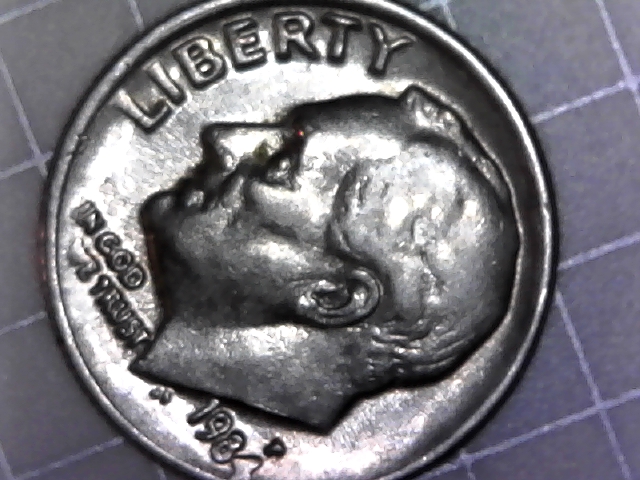
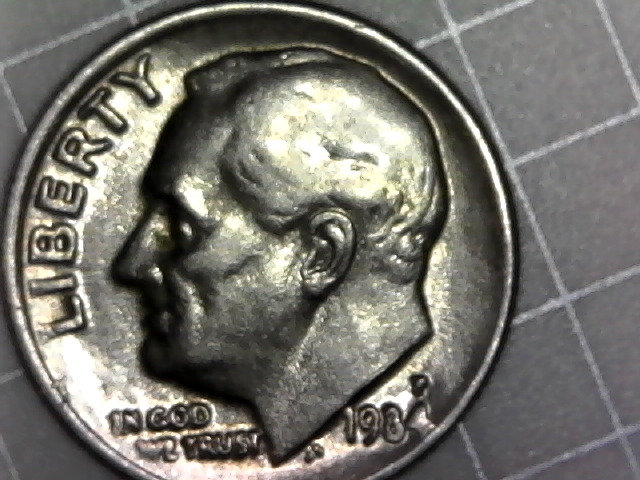
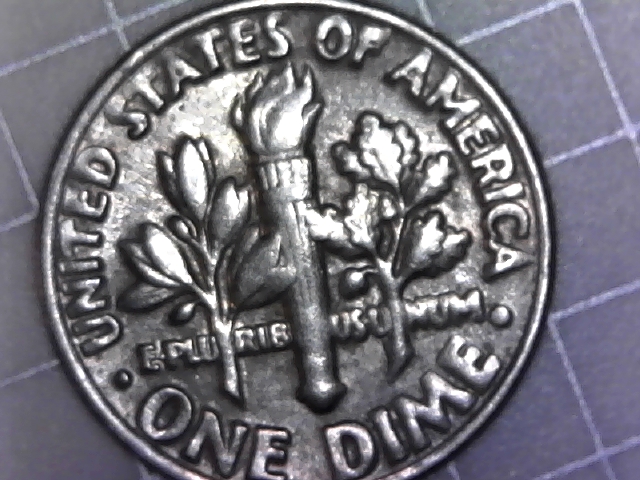
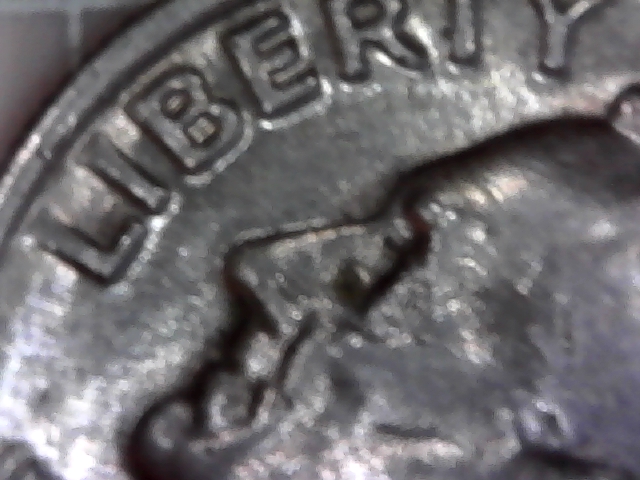
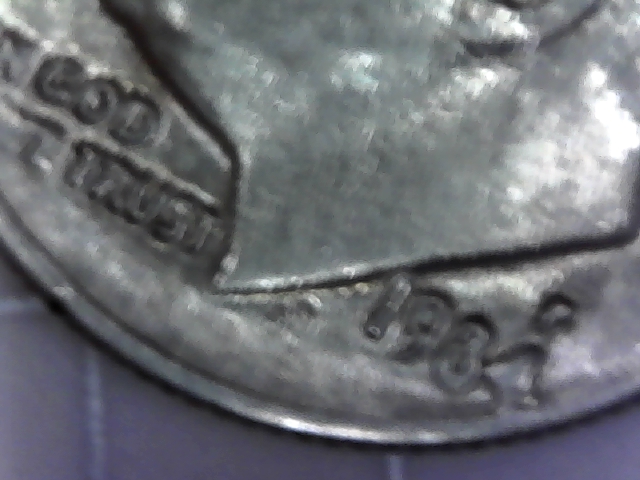
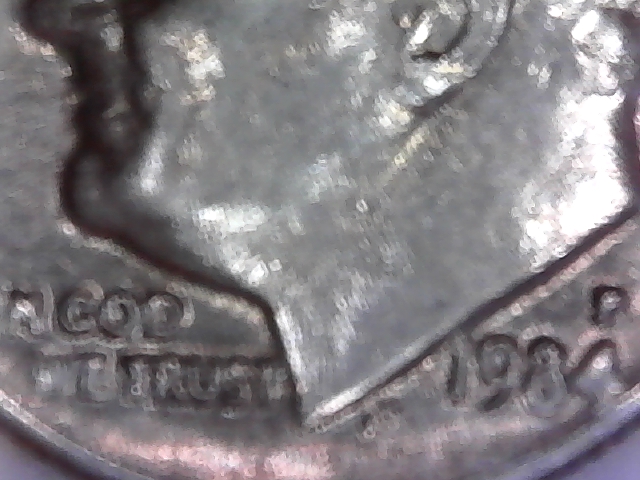
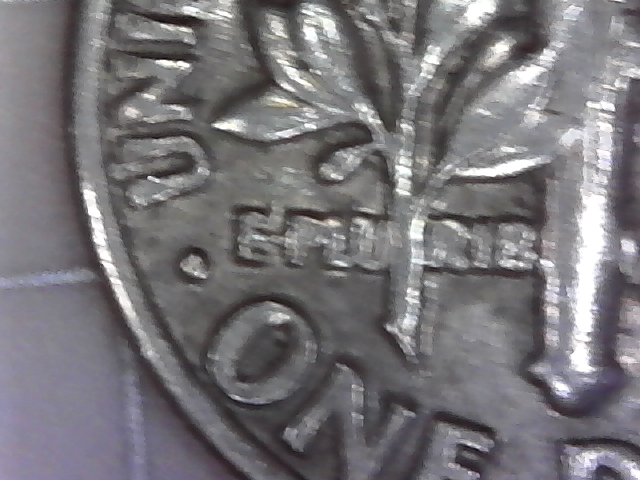
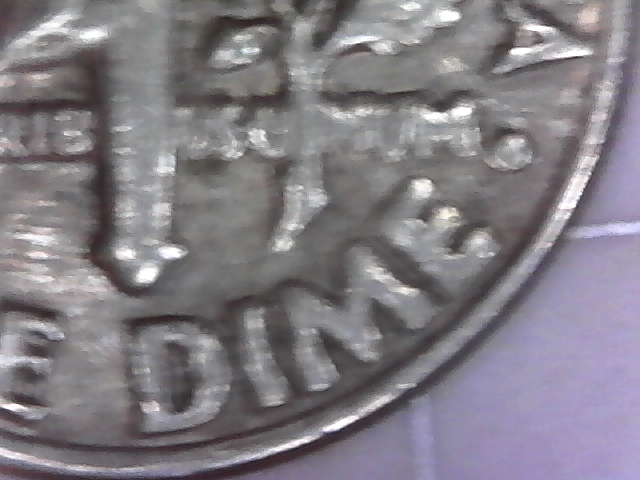
videos are no help. The images are had to tell exactly what is going on, but it looks like the die that struck you dime is showing a great deal of die wear. How can you tell when this happens?
1. Die flow lines in the fields.
2. Distorted devices that have lost all freshness that the die had when it was new.
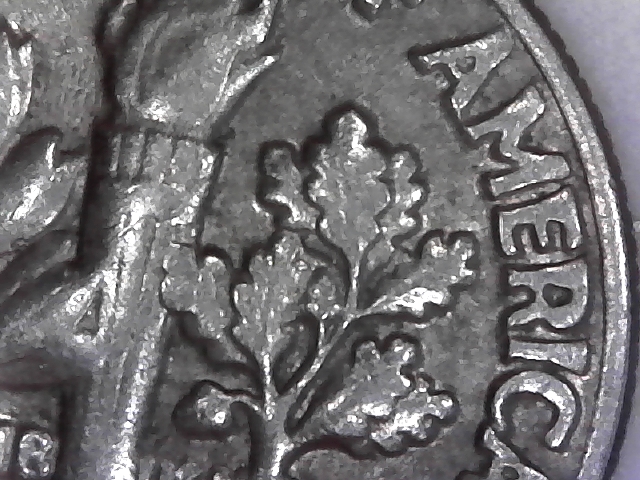
3. also the shape of the devices. If the devices are wider near the rims and normal sized towards the centers, that is one of the ways to tell if the die is really worn when a coin is struck. Here is an illustration of die wear:
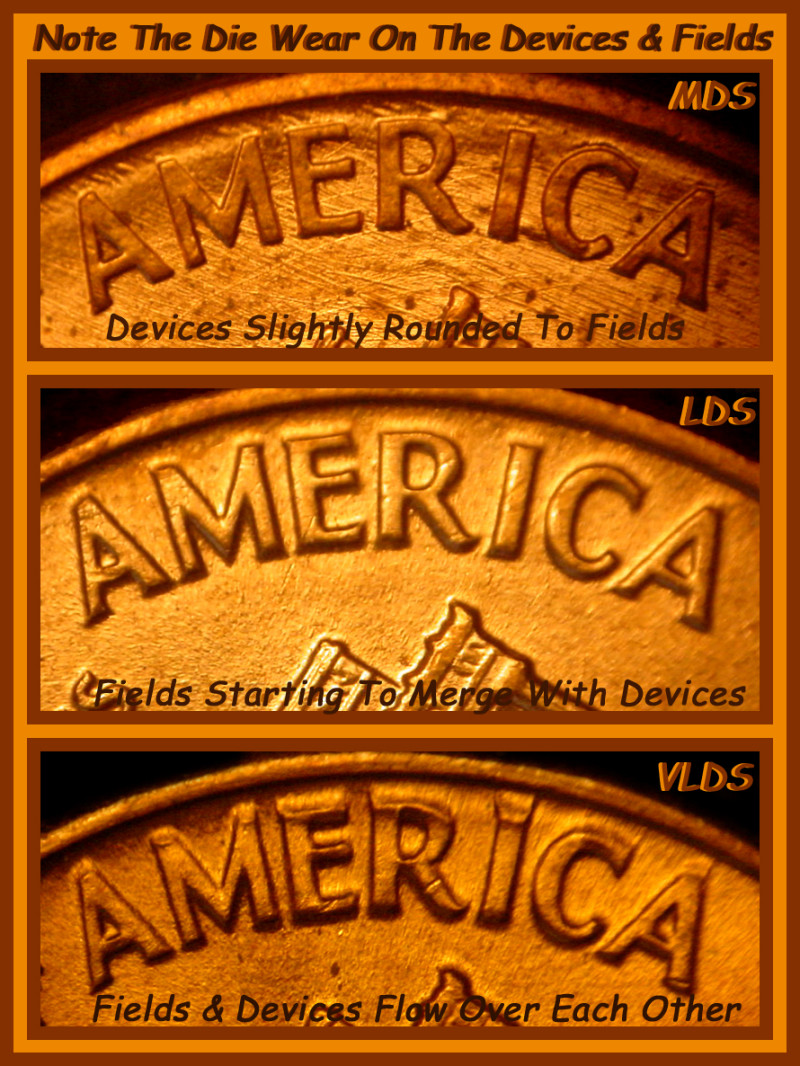
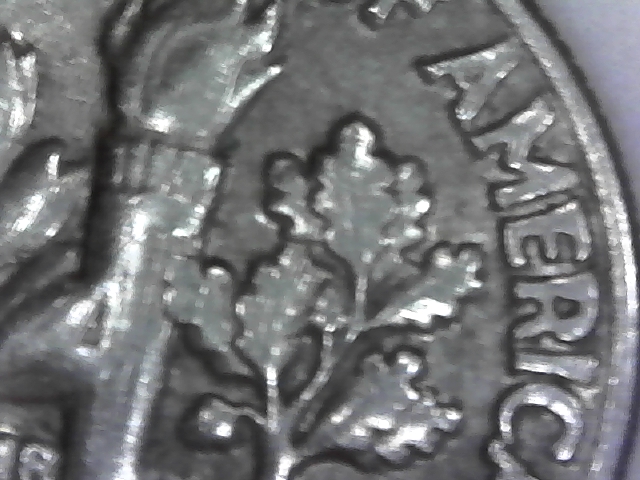
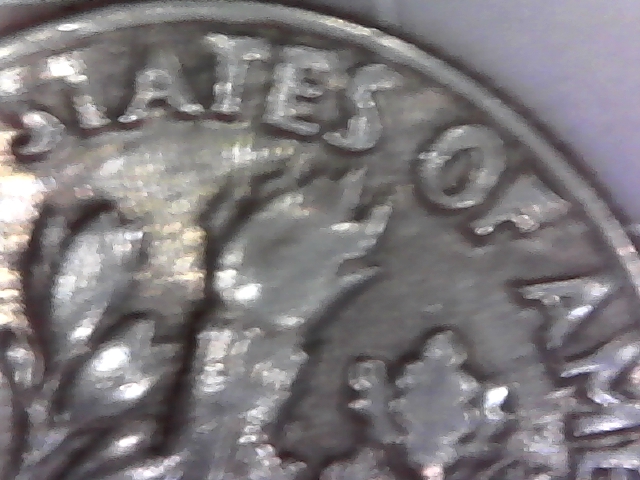
Note the top image looks normal, but if you look at the edge of the devices that are closest to the rim, they are no longer squared, but starting to round over. (Hard to see from the image, but that is how die wear starts to show up on coins. Then note on the second image: Note that edge that is closest to the rim direction is starting to distort. Basically the die is breaking down and showing die wear more. On the third image: The devices are reaching the VLDS die state when this coin was struck. Note how the outer edges of these devices are distorting. But also note, the fields are starting to move towards the rim. (Also not that this is already starting also on the second image on the field areas.
But does this get even worse as the die continues to wear?
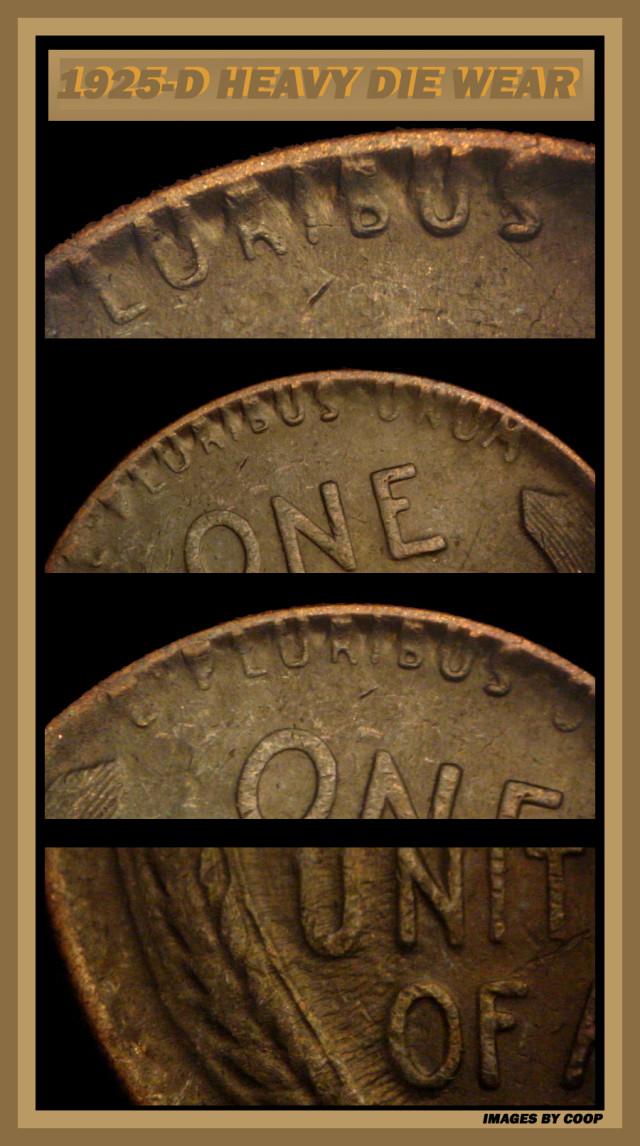
Note how the die continues to break down. This die should have been retired, but wasn't. This coin is proof of that.
4. Also noted on your coin is
Machine Doubling. This is not a doubled die issue as a doubled die have the doubling on the die. But
Machine Doubling is caused right after the strike. The die swings over and damages an area on the devices in one direction (or more) always leaving a flattening on the coin.
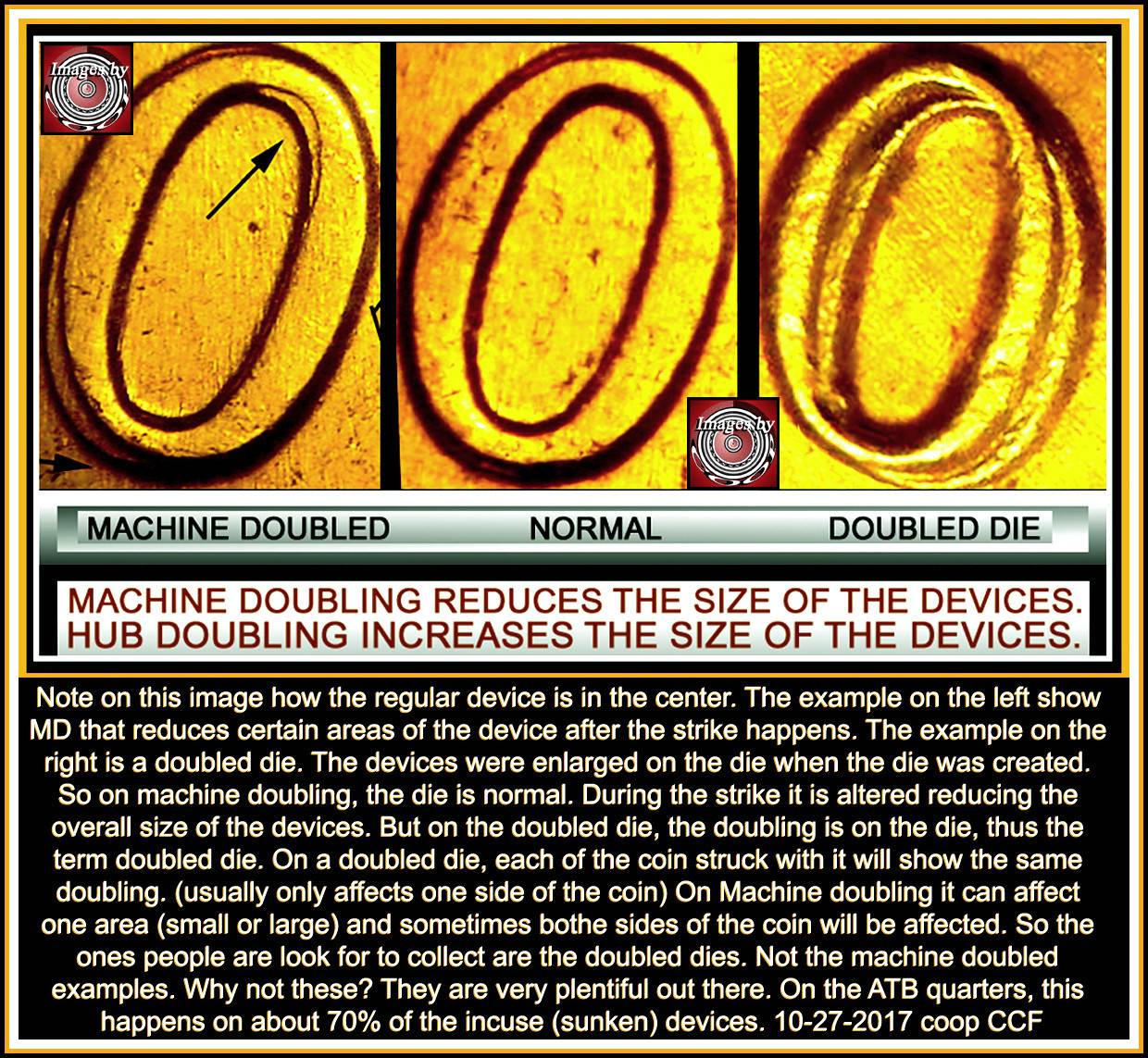
A doubled die enlarges the devices,
Machine Doubling reduces the devices.
Edited by coop
10/12/2019 4:35 pm









 Posted 10/12/2019 4:27 pm