| Author |
 Replies: 23 / Views: 10,608 Replies: 23 / Views: 10,608 |
|
New Member
United States
39 Posts |
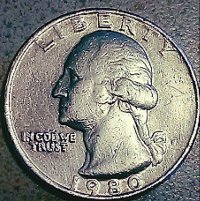
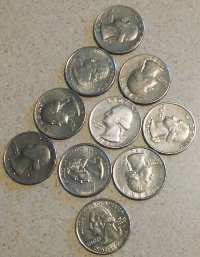
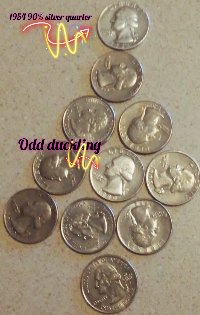
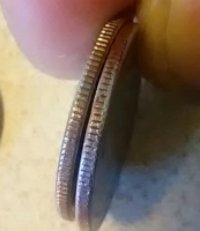
So I have a few quarters pre-1965 and I know exactly what a silver quarter looks, feels and sounds like. That tingy hollowish sounds and feels like you could bend it by hand. This quarter feels and sounds exactly like them. It's obviously not 90% silver as I has the copper ring around the rim, but man picking this quarter out from 100 other 1980 quarter while blindfolded is a breeze. Talk to me    |
|
|
|
Rest in Peace
United States
18456 Posts |
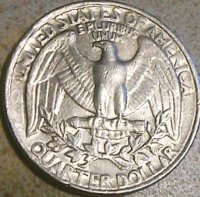
Please post photos of reverse and obverse . Try to take pics without distorting it's roundness . Could be a problem with authenticity here .  |
|
Bedrock of the Community
United States
94367 Posts |
Can you provide the weight, please.  to the CCF! |
|
Pillar of the Community
United States
1677 Posts |
If it has the copper on the edge then it is just a clad quarter. Sound and feel are really pretty useless for this purpose, an accurate weight would be a much better test.
Edited by lcutler
02/26/2020 5:30 pm
|
|
Bedrock of the Community
United States
79555 Posts |
 Please weigh it and tell how much it weighs. Errers and Varietys.
|
|
New Member
 United States
39 Posts |
@lcutler If this is a 40% silver quarter it would still have a copper ring around it. I'm getting a scale today guys and will post better pics of obverse\reverse\weight.... I can promise you this quarter is silver!!
|
|
Pillar of the Community
United States
1677 Posts |
The 40% silver clad coins have a core that is slightly more than 20% silver and do not look like the regular copper clad cores. Good luck, but I will stand by my statement.
|
|
Moderator
 United States
34563 Posts |
@jwazz, know that we all are hoping that you have found something interesting (like an off-metal strike), but please allow us to be skeptical. Since the copper core is not always visible around the edge of clad coins, the weight will be a better determinant of whether this coin is clad or silver.
Added: I do agree with you that this coin was struck with a die having a broken post on the mintmark. That allowed metal to flow into and fill in the top part of the P mintmark. These are fun to find, but pretty common.
"If you climb a good tree, you get a push."
-----Ghanaian proverb
"The danger we all now face is distinguishing between what is authentic and what is performed."
-----King Adz
|
|
Bedrock of the Community
United States
17884 Posts |
It is highly unlikely that a 40% silver quarter planchet from San Francisco would somehow find itself in a coining press in Denver five years later (all of the silver Bicentennial coins were struck in 1975).
Weight won't tell you much because there is a significant overlap in the tolerance ranges for the clad and 40% silver quarters.
Specific gravity could tell you something but an XRF gun test would be more definitive. "Feel" and ring testing is highly suspect, and in most cases can be dismissed out of hand.
|
|
Bedrock of the Community
United States
62064 Posts |
Weight? 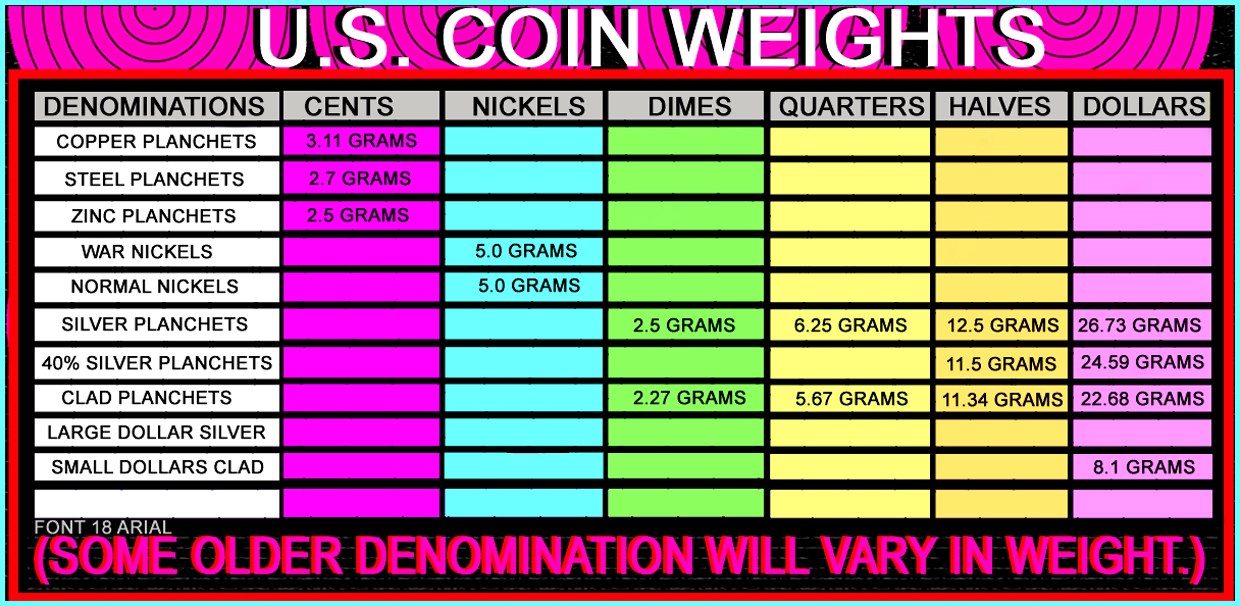 |
|
Bedrock of the Community
United States
17884 Posts |
Coop, your table doesn't list the weight for the 40% silver quarter. 5.75 grams
|
|
New Member
United States
39 Posts |
The quarter weights 5.48 grams. The same as the bicentennial quarter which is 40% silver. The core is different as it has even slabs of silver on both sides with a faint thin ring of copper in the middle
|
|
New Member
United States
39 Posts |
|
|
Pillar of the Community
United States
1677 Posts |
"The quarter weights 5.48 grams. The same as the bicentennial quarter which is 40% silver." Actually, the 40% Bicentennial quarter weight is 5.75, slightly heavier than the regular clad weight of 5.67.
Edited by lcutler
02/29/2020 5:00 pm
|
|
Rest in Peace
 United States
1380 Posts |
|
|
Bedrock of the Community
United States
62064 Posts |
The filled 'P' is form a broken post on the mintmark initial. When they break off the die, the void gets filled in with metal. Then it looks like your coin. 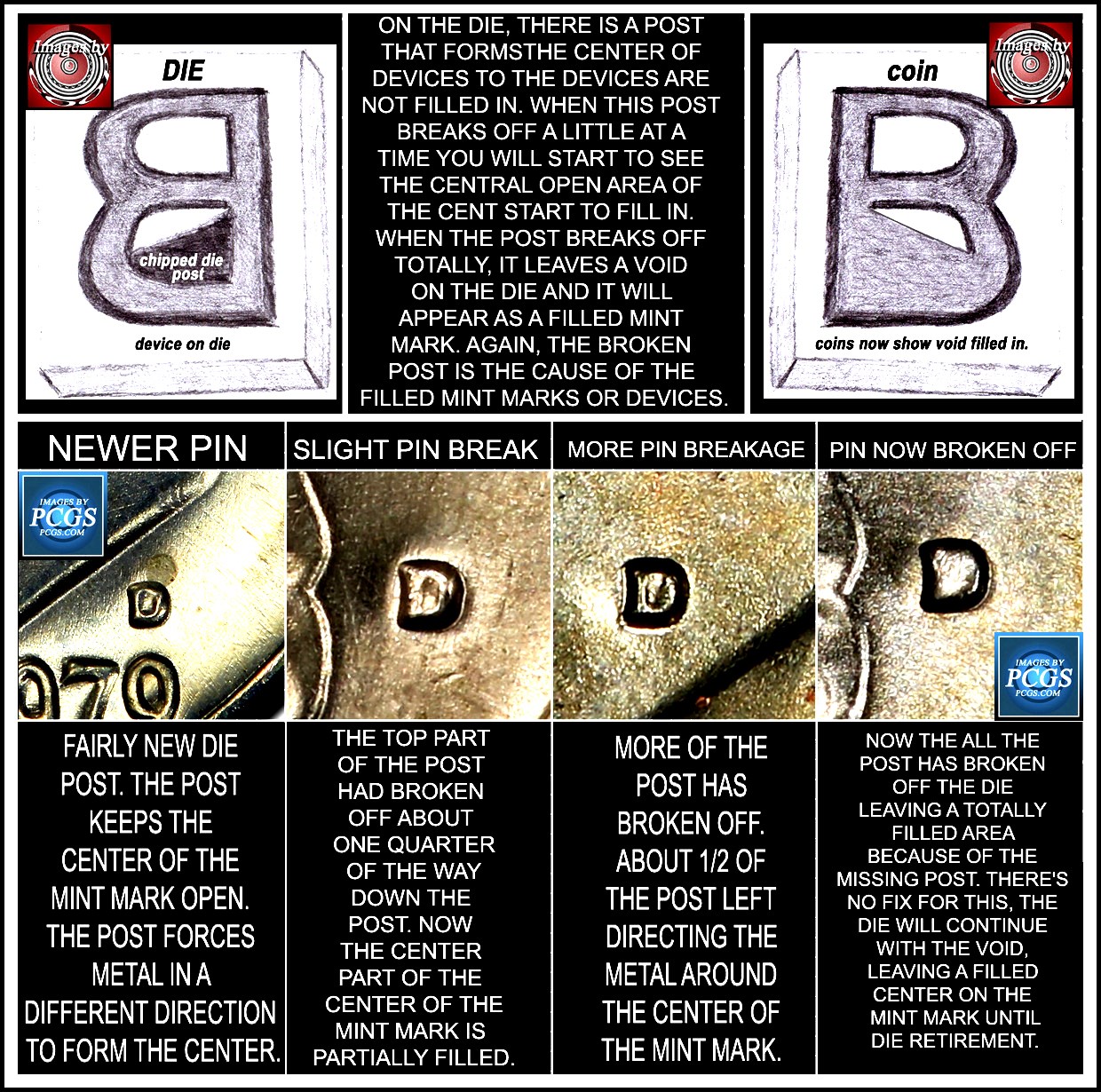 |
| |
Replies: 23 / Views: 10,608 |







 Posted 02/26/2020 2:11 pm