| Author |
 Replies: 18 / Views: 3,529 Replies: 18 / Views: 3,529 |
|
Pillar of the Community
Canada
1186 Posts |
Hey guys, so in my post earlier about a 2016 2 dollar toonie I mentioned I had a 2015 and 2016 quarter with some of the same characteristics and since I couldn't find anything online about them accept for a link that was posted and on coins and canada. The coins and canada website are calling them "double" but no info on what exact type of doubling and if they were common or not. Here you can see the date, under the top arch of the "2" on the left you can see what looks like the point of a second 2 and then on top the obvious doubling with the normal device in the middle, the star also looks to be doubled as well. 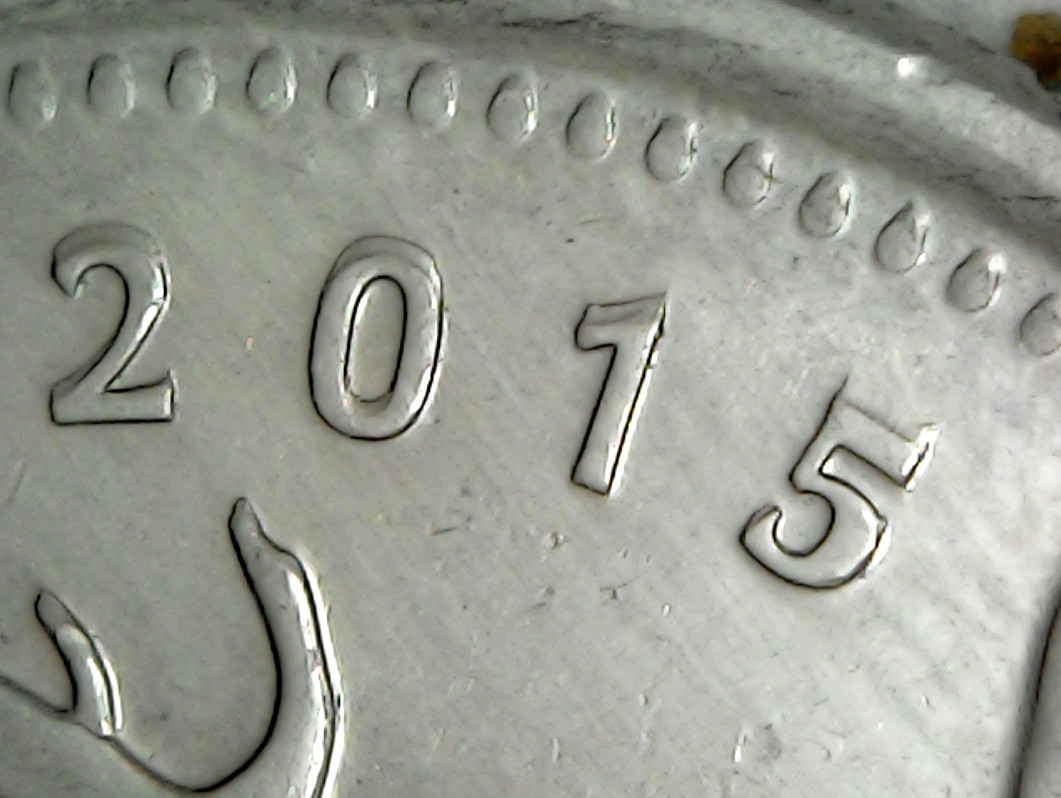 Comparison of the coin in question with a normal 2015 quarter. 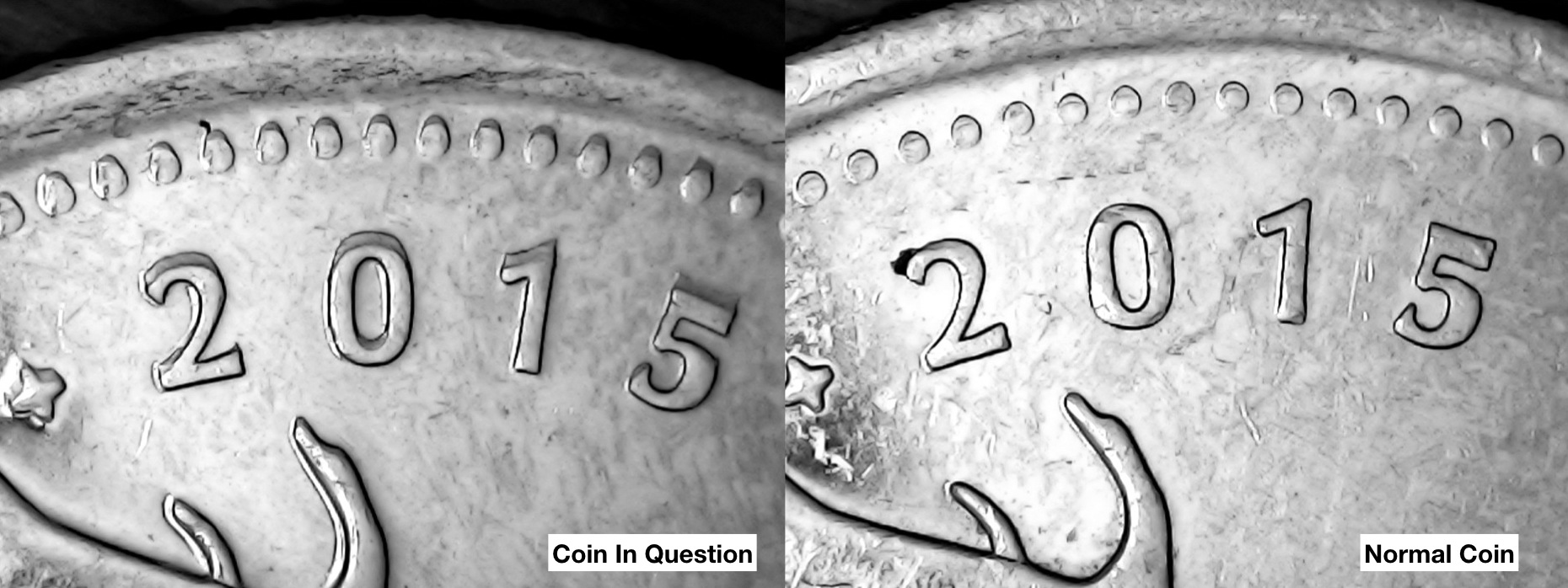 Here you can see the bottom hairs of the caribou are doubled along with the H, Beads and star. 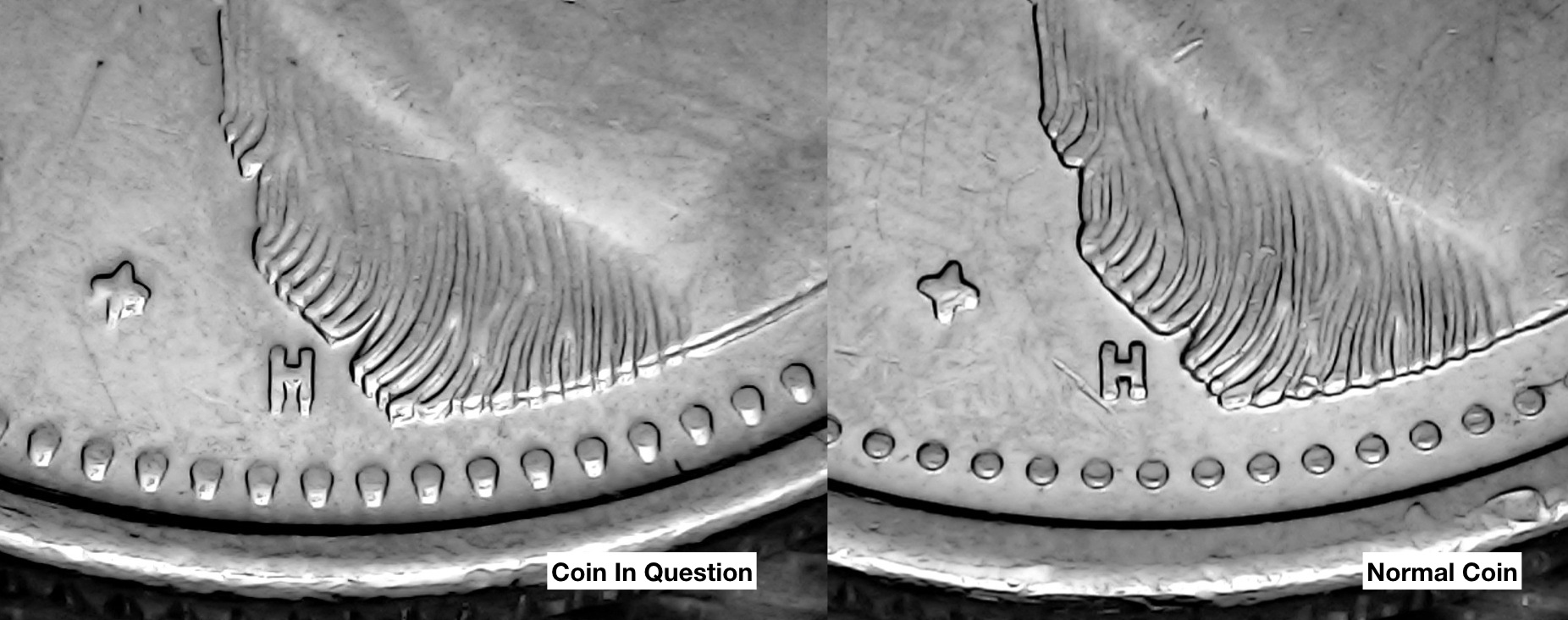 From what I see all of the doubling under the devices are going towards the rim, while the devices on top are going towards the center, what that means I'm not really sure. Finding and discovering modern Canadian doubled die varieties since 2018. 2023 Recent Publications: Modern Canadian Doubled Die Varieties - First Edition PDF & Paperback https://www.mcddv.ca (website currently down for maintenance as of 08/01/2024) |
|
|
|
Moderator
 Canada
10471 Posts |
"Discovery follows discovery, each both raising and answering questions, each ending a long search, and each providing the new instruments for a new search." -- J. Robert OppenheimerContent of this post is licensed under a Creative Commons Attribution-NonCommercial 3.0 Unported License. See: http://creativecommons.org/licenses...0/deed.en_USMy eBay store
|
|
Bedrock of the Community
Canada
21712 Posts |
 See on the beads as well as the other doubling how everything is running towards the rim, that is DDD. |
|
Pillar of the Community
 Canada
1186 Posts |
Thank you Roger & JimmyD, that is what I suspected, I appreciate the clarification. Given the lack of information online regarding the ones on coins and canada I assumed it probably wasn't anything of real interest as if it were, I'm sure there would have been more talk regarding it.
Finding and discovering modern Canadian doubled die varieties since 2018. 2023 Recent Publications: Modern Canadian Doubled Die Varieties - First Edition PDF & Paperback https://www.mcddv.ca (website currently down for maintenance as of 08/01/2024) |
|
Valued Member
Canada
219 Posts |
As in my analysis of the 2012 quarter in a previous post, I do not agree with Die Deterioration Doubling! Take the famous 1979 Canadian penny where you will find coins where the 9 is doubled due to DDD up to ones that the whole date is doubled due to DDD. So, it is possible to study the progression of deterioration of the die. I will challenge anyone to find me any quarters from 2012 until now showing this kind of progression. You will not find any because it is not DDD! Edited by numidan
03/04/2020 4:36 pm
|
|
Pillar of the Community
United States
4409 Posts |
Quote:I will challenge anyone to find me any quarters from 2012 until now showing a weak form of DDD shown, you will not find it because it is not DDD! 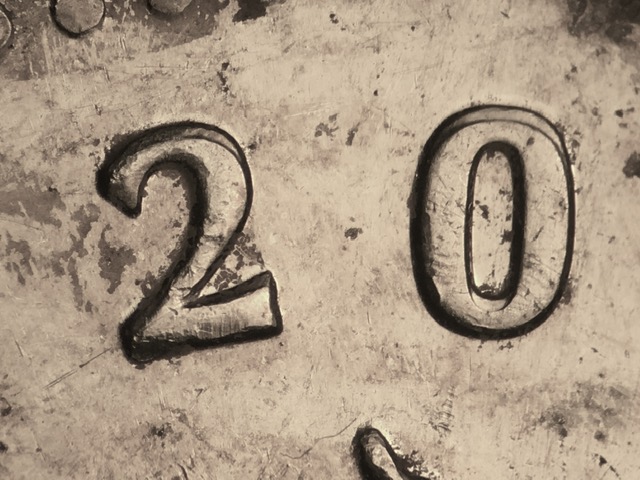 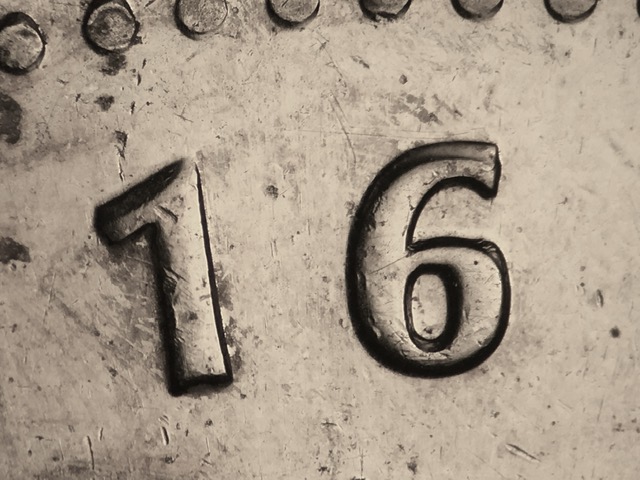 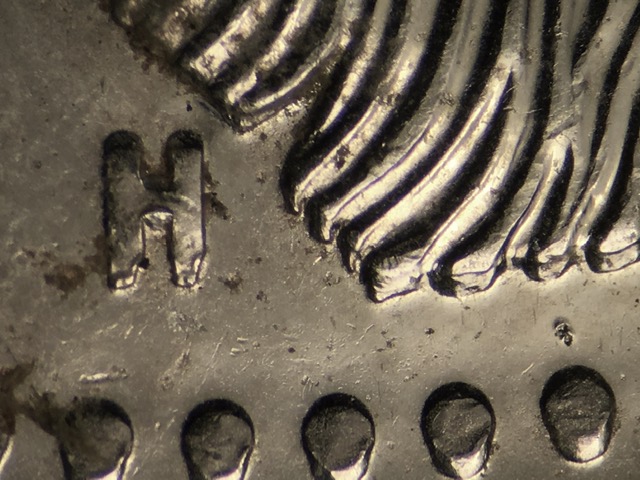 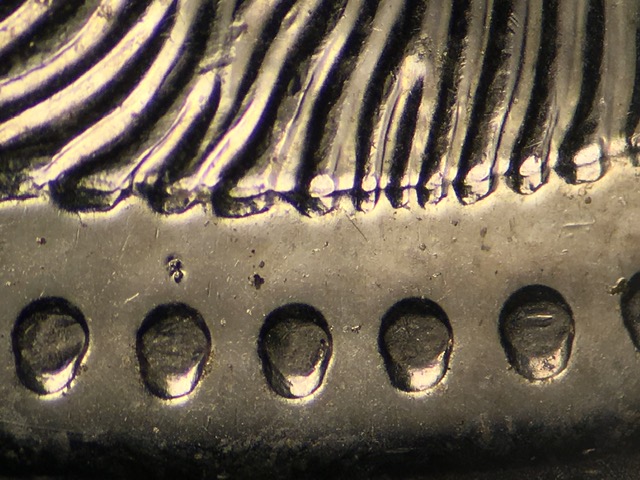 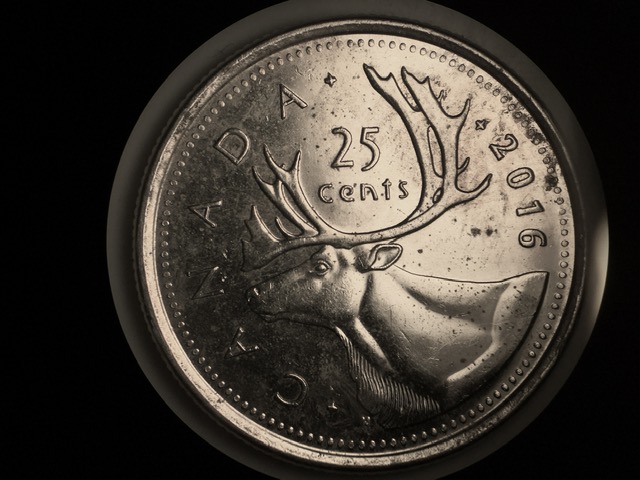 Found this 2016 25 cent a while ago. I was so sure it was a doubled die until I saw this post. Die Deterioration is probably right, I see a lot of die flow on OP's coin and the doubling doesn't match the shape of the numbers all too well. It does remind me a lot of Class II+VI doubled dies, but that type of doubling is no longer possible with the single-squeeze hubbing process. That type of doubling is only known on dies made with multiple squeezes. Does Canada use the single-squeeze hubbing process? Is it still possible for a Canadian die to be made with multiple squeezes? How good is quality control in regards to die hubbing up there? |
|
Valued Member
Canada
219 Posts |
Alright, here is one of my 2014s. Die Deterioration Doubling is due to die wear. In my opinion, when something deteriorates, there is some randomness to the process, no  On all pictures, the doubling on digits "201" are almost identical, what is the chance of that happening year after year? 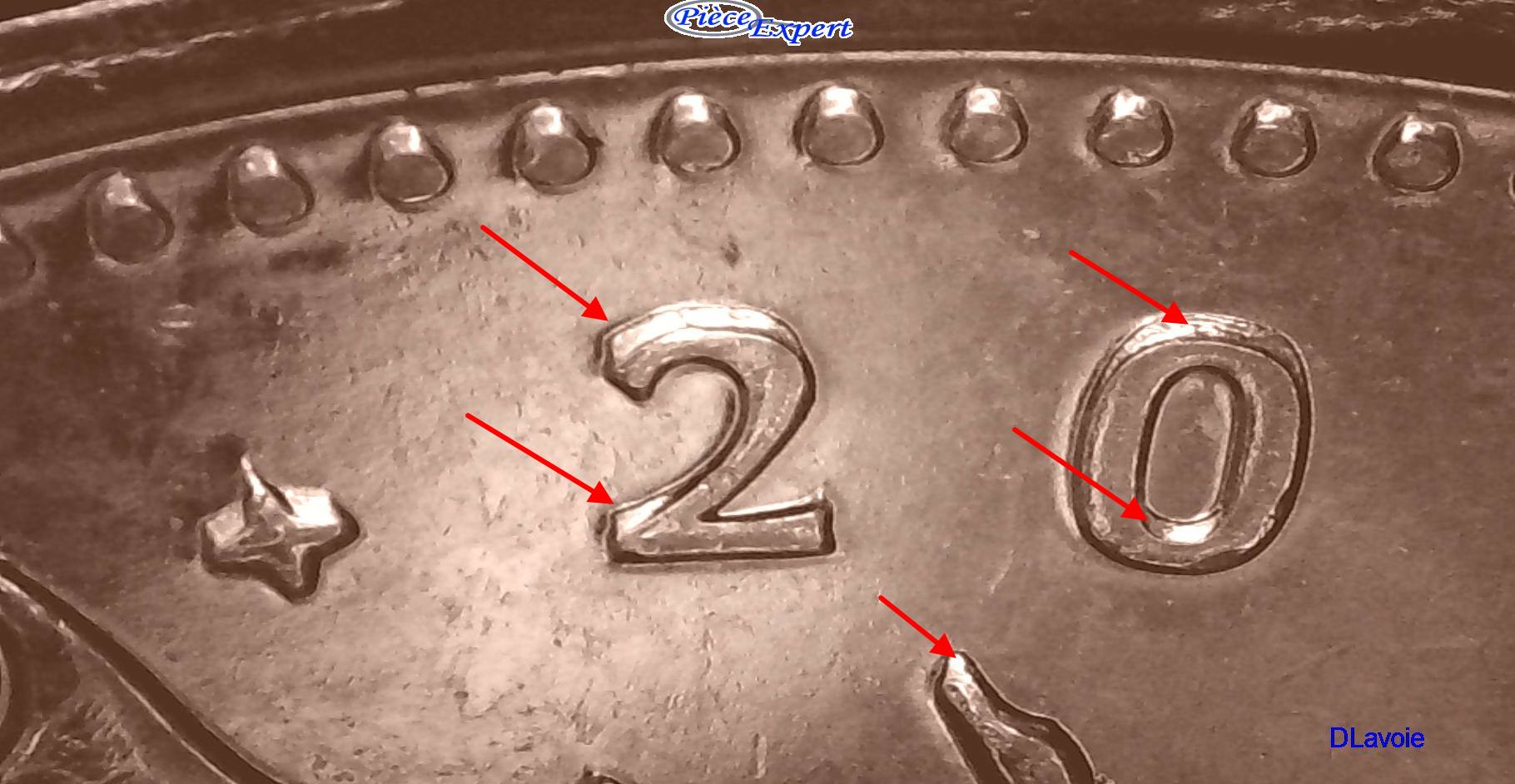 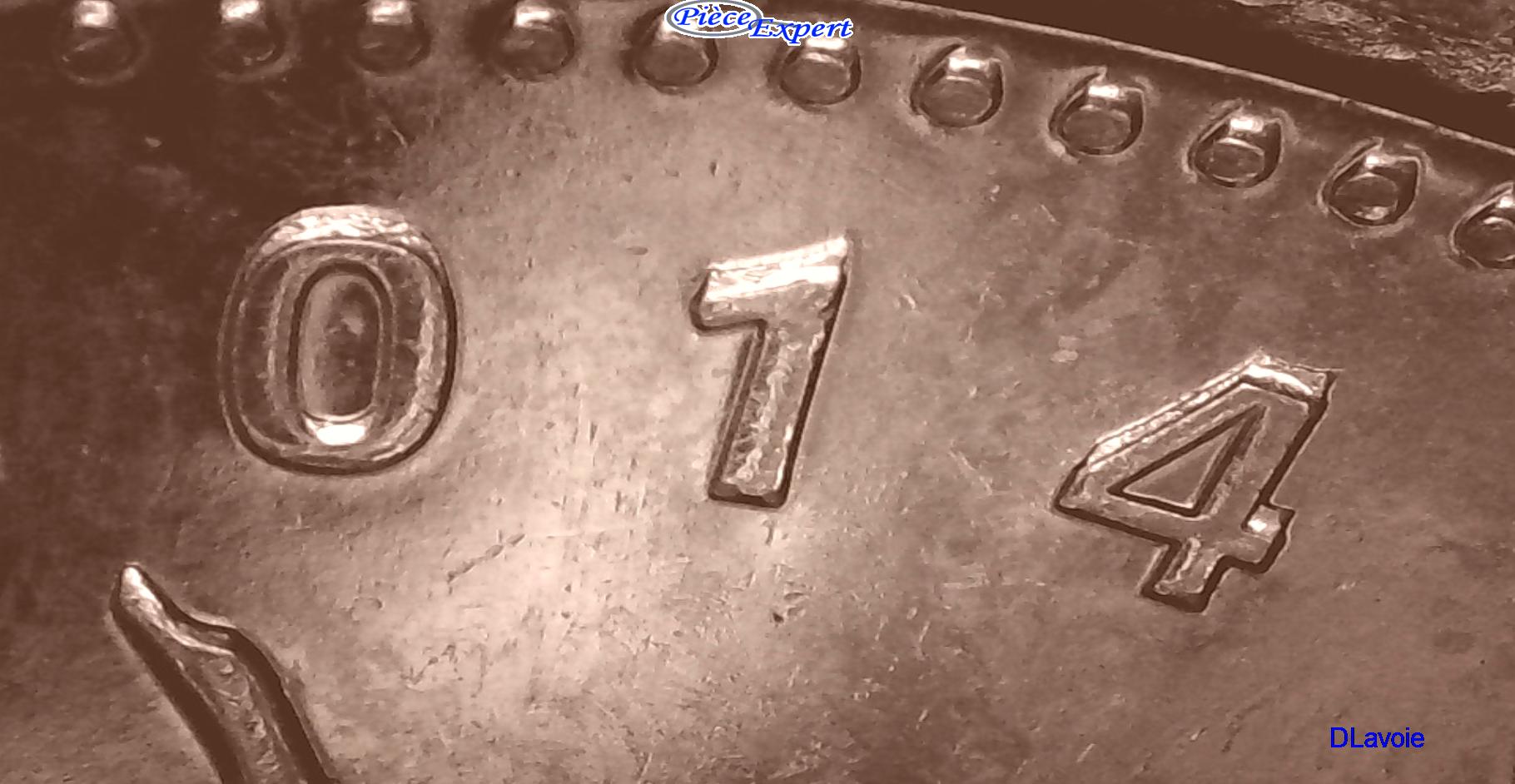 |
|
Moderator
Canada
10471 Posts |
Quote:
In my opinion, when something deteriorates, there is some randomness to the process, no No. It is almost always radial in form from the centre of the coin to the rim, and most exaggerated closest to the rim. The beads speak volumes to me, as Die Deterioration. "Discovery follows discovery, each both raising and answering questions, each ending a long search, and each providing the new instruments for a new search." -- J. Robert OppenheimerContent of this post is licensed under a Creative Commons Attribution-NonCommercial 3.0 Unported License. See: http://creativecommons.org/licenses...0/deed.en_USMy eBay store
|
|
Valued Member
Canada
219 Posts |
What I meant about randomness, is the location, size, and shape of the doubling.
For example, with the 1979 penny, you will find coins with all sorts of digit doubling configurations;
9, 79, 9&9, 979, 1, and 1979. For each of these, you will find them in various degrees of deterioration.
Take the time to research these type of quarters, and any time you find some form of doubling, it always looks the same; Doubling exists all around the quarter, every element near the rim are affected the same way.
Edited by numidan
03/04/2020 11:17 pm
|
|
Pillar of the Community
Canada
1186 Posts |
Quote:
What I meant about randomness, is the location, size, and shape of the doubling.
For example, with the 1979 penny, you will find coins with all sorts of digit doubling configurations;
9, 79, 9&9, 979, 1, and 1979. For each of these, you will find them in various degrees of deterioration.
Take the time to research these type of quarters, and any time you find some form of doubling, it always looks the same; Doubling exists all around the quarter, every element near the rim are affected the same way. Although I see your point, As far as I am aware genuine doubling does not come in as many stages as Die Deterioration, But who's to say Die Deterioration doesn't work differently on different denominations, on Pennies it could be in all sorts of stages, while on Quarters could only be one or two stages. I have the exact same 2016 quarter as the one Tanman2001 posted, but mine does not show the doubling on the Caribous hairs like his, which to me means that mine could very well be an earlier Die Deterioration state compared to his. So my logic for the quarters is that the mint let these dies go for a bit longer than they should have (for numerous years from 2012) to a certain point before the deterioration became too severe, all resulting in what we are looking at now. To the best of my understanding genuine doubling has distinctive separation in the devices, which makes you see Double and Die Deterioration looks like it is "Pushed" or "Sliding". I have taken the liberty of drawing up a quick illustration of what I think the differences are. 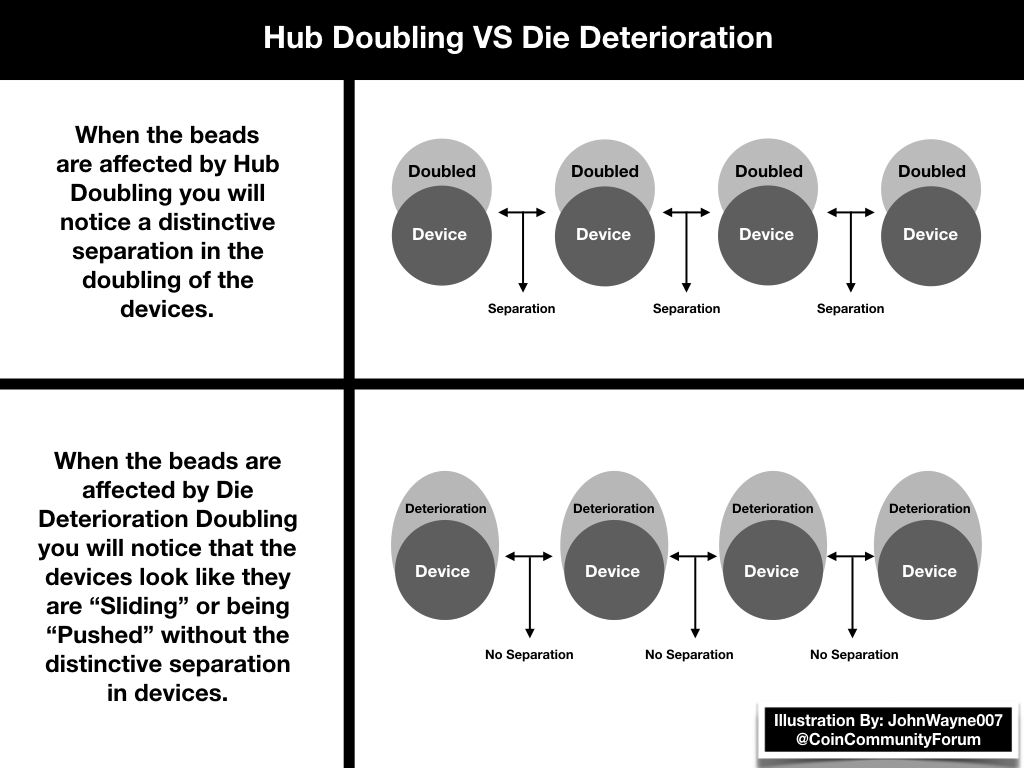 This illustration is not just restricted to the beads, this can be implemented to the affects of one device or all devices on the Obverse or Reverse of a coin, I think the logic is still the same. Although some look at Die Deterioration as a valid form of Doubling it should be noted that it is not the type of Doubling that is sought after as it is the result of an overused die. I would much rather have a genuine doubled die over a Die Deterioration double but that is my own personal preference and I'm sure some still collect them anyways. I was exactly like Tanman2001 and I was sure this was a doubled die, until I looked at the beads and started questioning it. I mainly focus on Small Cent doubled dies and I don't venture off into the quarters as often as I should so I was not 100% confident in this one being anything more than Die Deterioration as I am with the smaller cents, but 9 times out of 10 if SPP-Ottawa says its Die Deterioration you can take that to the bank, He knows his stuff and has helped me plenty of times. Finding and discovering modern Canadian doubled die varieties since 2018. 2023 Recent Publications: Modern Canadian Doubled Die Varieties - First Edition PDF & Paperback https://www.mcddv.ca (website currently down for maintenance as of 08/01/2024) |
|
Valued Member
Canada
219 Posts |
Unless it is a new form of DDD, my experience tells me differently. Here is an other example of strong DDD. The deterioration at the bottom is thicker than on top but for the quarters, the deterioration above and below the digits are almost the same. Also look at the inside loops of the 9 and 6 of the 1962 nickel and compare them to the 0s of the quarters. For the quarters, the inside loop look more like a die shift than Die Deterioration! And this one shows how uneven the flow around the letters are when DDD occurs. 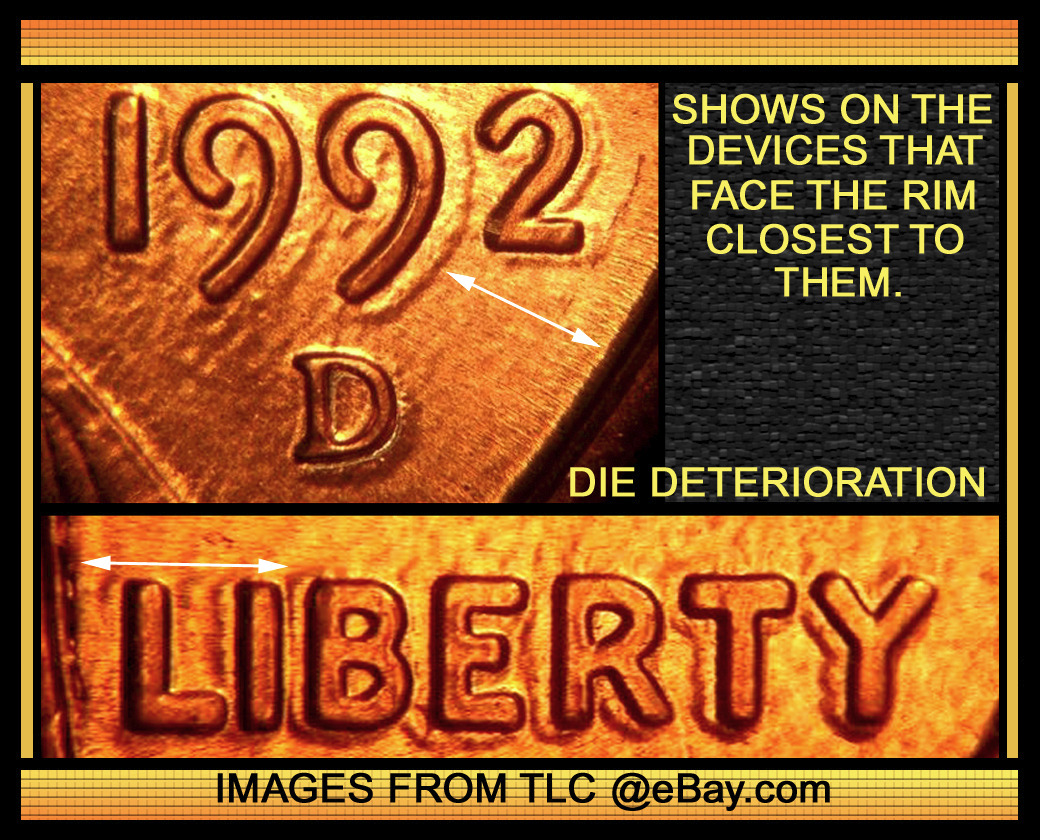 reference: http://goccf.com/t/356246But on the quarters the edge of flow is straight and sharp.  Edited by numidan
03/05/2020 10:22 am
|
|
Pillar of the Community
Canada
1186 Posts |
I think when it comes to the nickels the Die Deterioration will always be on the bottom of the devices due to the location of the date being at the bottom of the coin, when it comes to quarters since the dates are located at the top right it only makes sense for the Die Deterioration to be on top of the devices, also the lack of notching on the devices leads me to believe this is nothing more than Die Deterioration, if you take a look at this Part 2 illustration I drew up you will see exactly what I mean. 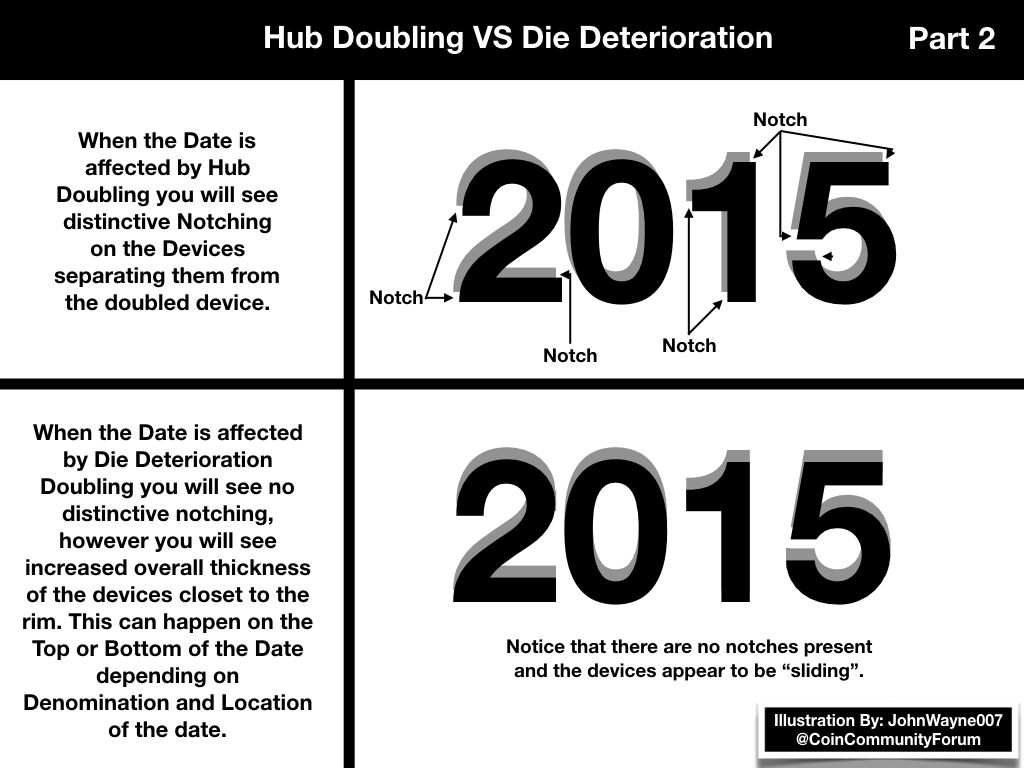 again this illustration can be implemented on one device, or all devices on the Obverse or Reverse of a coin as the logic is still the same, Hub Doubled = Notching/Splits on devices and Die Deterioration = Extra thickness and No notching or splits. That is my understanding but I have been wrong before. As much as I hoped this was a genuine doubled die, the evidence leads me to believe it is nothing more than just Die Deterioration. I agree it is odd that it only seems to have one stage and no examples are being shown of this Deterioration progressing, but it does not really change my mind on what it is. I have a growing collection of genuine doubled dies, and this looks nothing like those. Finding and discovering modern Canadian doubled die varieties since 2018. 2023 Recent Publications: Modern Canadian Doubled Die Varieties - First Edition PDF & Paperback https://www.mcddv.ca (website currently down for maintenance as of 08/01/2024) |
|
Valued Member
Canada
219 Posts |
So DD or DDD for this 2012 quarter? Notching is visible on the 2 of 2012 quarter exhibiting same type of doubling around the quarter.  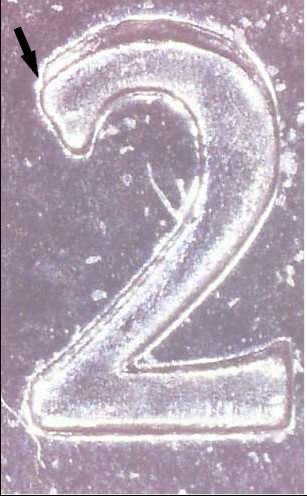 --------------------------------------------------------------- But there is no visible notching on A! 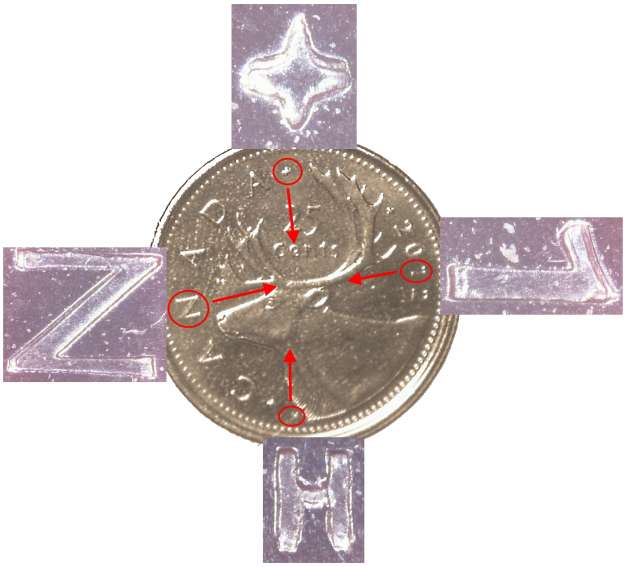 |
|
Moderator
Canada
10471 Posts |
The last photo of that 2012 speaks volumes. All the doubling is outwards, toward the rim. Doubled dies usually have elements either on the same trajectory or on a rotational vector.
Secondly, how do you explain the offset being more on the top of the number two, than on the base of the same number. The offset is consistent on a real doubled die.
I don't have the coin in hand, but I remain unconvinced of a doubled die.
"Discovery follows discovery, each both raising and answering questions, each ending a long search, and each providing the new instruments for a new search." -- J. Robert OppenheimerContent of this post is licensed under a Creative Commons Attribution-NonCommercial 3.0 Unported License. See: http://creativecommons.org/licenses...0/deed.en_USMy eBay store
|
|
Moderator
Canada
10471 Posts |
Quote:For the quarters, the inside loop look more like a die shift than Die Deterioration! Die Deterioration can occur in many ways, I would include over polishing of the die, mortar set and die trails, as Die Deterioration. Yes that 1962 5c is suffering on deterioration laterally around the devices. But other types of deterioration can do different things. Like this: 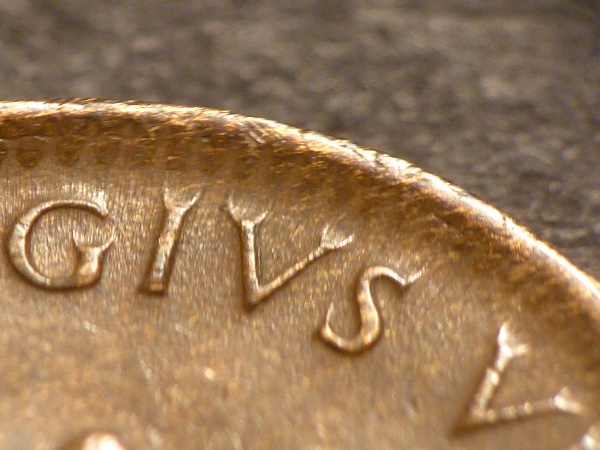 This does not mean your coin could be a doubled die, but I have not seen anything that would support that hypothesis. "Discovery follows discovery, each both raising and answering questions, each ending a long search, and each providing the new instruments for a new search." -- J. Robert OppenheimerContent of this post is licensed under a Creative Commons Attribution-NonCommercial 3.0 Unported License. See: http://creativecommons.org/licenses...0/deed.en_USMy eBay store
|
|
Valued Member
Canada
219 Posts |
Quote:
Secondly, how do you explain the offset being more on the top of the number two, than on the base of the same number. The offset is consistent on a real doubled die. It has all the characteristics of class II doubling. "Class II hub doubling is most often characterized by doubling that parallels the outside edges of the devices closest to the rim. The two primary requirements are that the spread be directly toward or away from the rim (without rotation or pivot) and that there be clear separation lines in the doubling" reference: http://www.error-ref.com/doubled-dies/I know that most will say it is not possible to get this type of doubling using single squeeze hubbing process, will in fact, originally, no doubled die was supposed to exists under that process! Funny, there is a new class of doubling called Peripheral Doubling trying to explain the occurrence of different types of doubled die observed in recent years.( http://www.error-ref.com/peripheral-doubling/ ) More than ever we have encountered doubled dies on recent coins, for example 2012 loonie, 2013 PL set, 2013 nickel, etc... So call it what you want ie. a subset of Class II doubling or an addition to peripheral doubling, that is how I am explaining it. How would you classify these antlers found on the 2012 quarter?  Thank you SPP for the picture of DDD occurring on the penny. My conclusion, no quarters shown has those distinct metal flow lines! From experience, DDD on recent coins looks more like mortar set to me, just look at this 2008 nickel which clearly shows strong DDD. This is not what I am observing on these quarter!  |
| |
Replies: 18 / Views: 3,529 |





 Posted 03/04/2020 07:58 am





