| Author |
 Replies: 10 / Views: 2,292 Replies: 10 / Views: 2,292 |
|
|
Valued Member
United States
113 Posts |
|
|
|
|
Pillar of the Community
 Canada
9902 Posts |
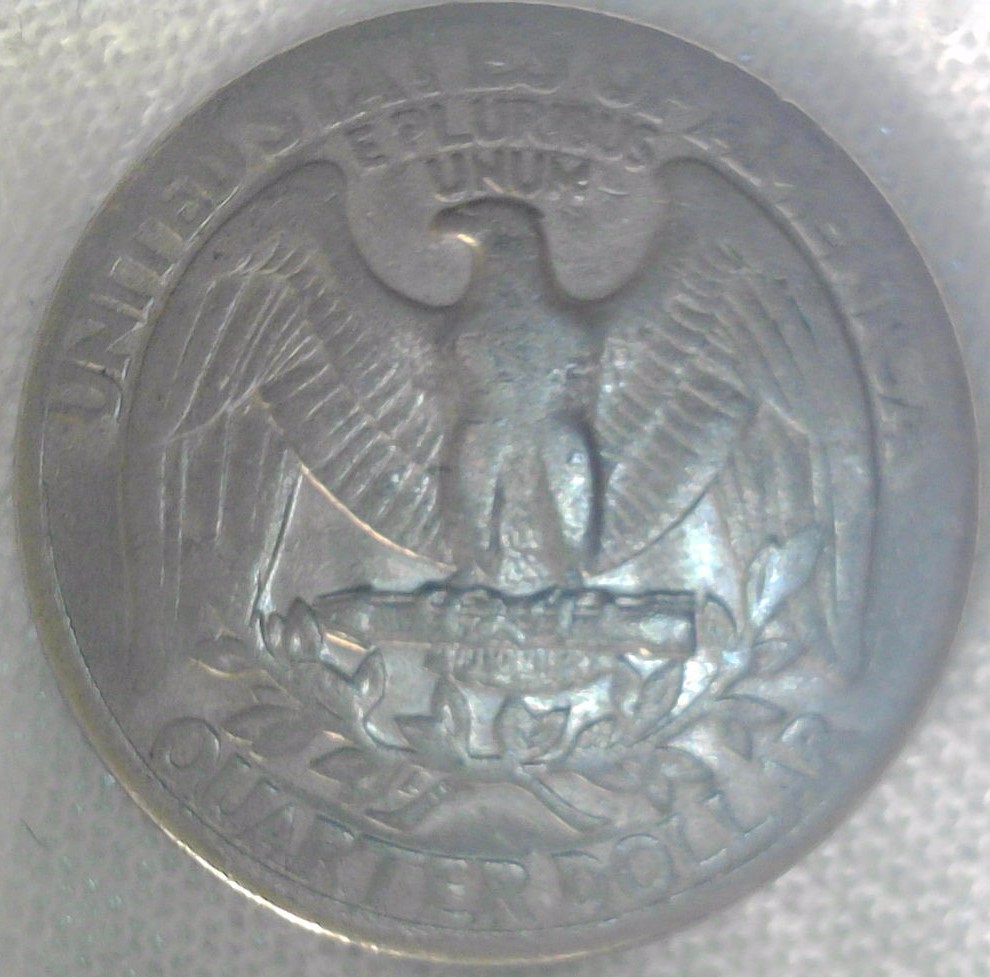
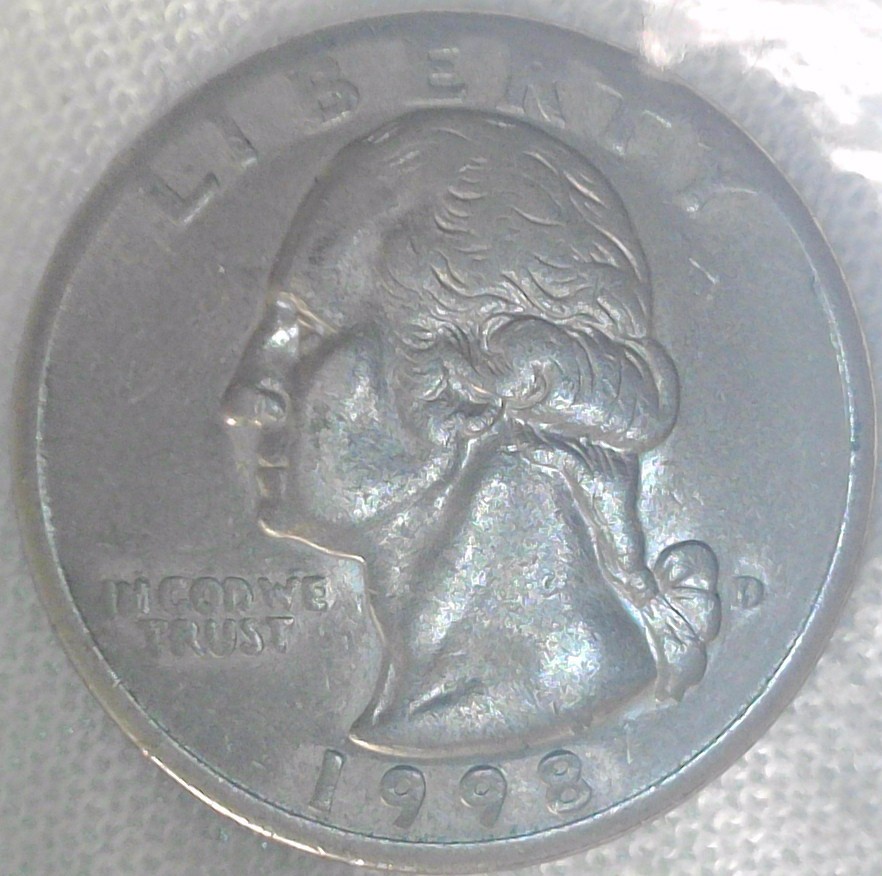
Weight and diameter indicate it's struck on a quarter planchet.
"Dipping" is not considered cleaning...
-from PCGS website
|
|
Valued Member
 United States
113 Posts |
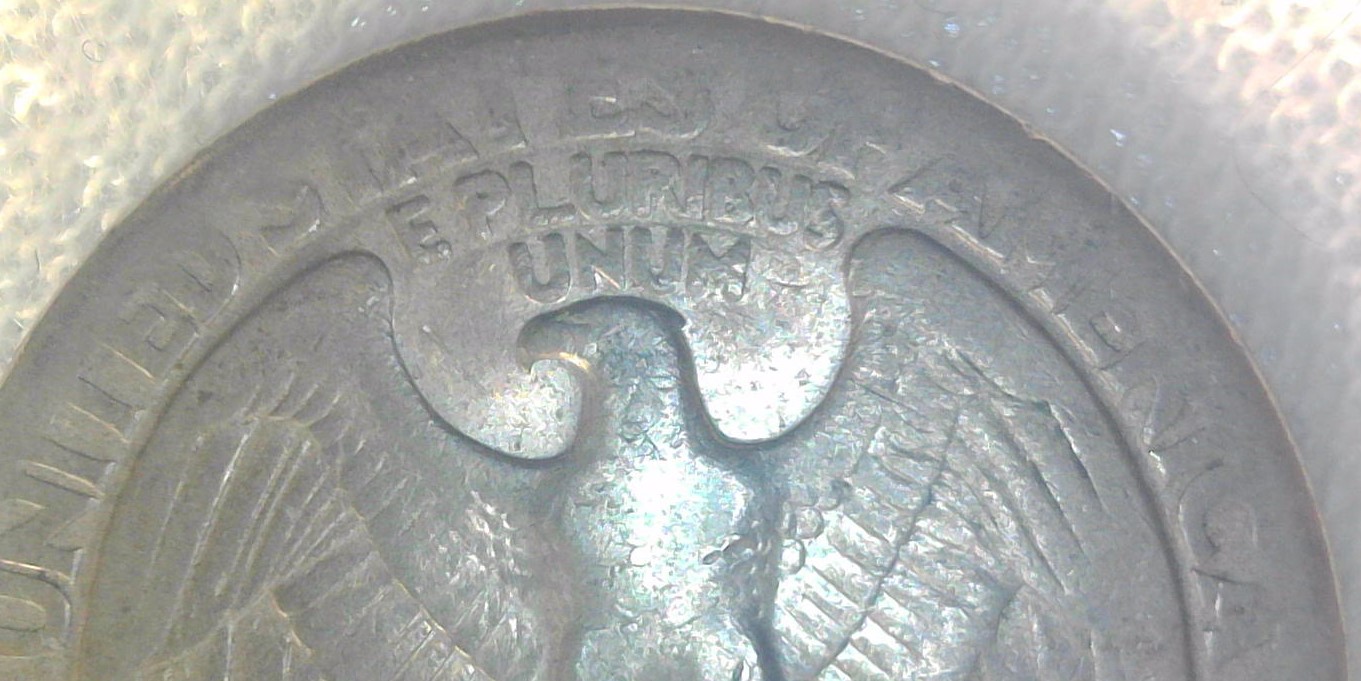
@ DBM. I read the Washington quarters are supposed to weigh 5.67 grams. Is there a margin of error associated with that? Also, the strike on the reverse is incredibly weak. It indicates something is wrong. |
|
Pillar of the Community
United States
1359 Posts |
Thats just a very worn coin.
|
|
Valued Member
United States
113 Posts |
@DBM/Kloccwork419. Thank you for your input. I respectfully disagree.
|
|
Pillar of the Community
United States
4846 Posts |
I agree with the others, looks like a normal worn quarter to me.
There is tolerance in planchet weights and remember circulation also removes weight. .09 grams is not a large difference. Based on other accounts, true quarter on dime stock errors weigh around 4.2 grams
Edited by Adam_E
04/26/2020 7:40 pm
|
|
Pillar of the Community
Canada
3733 Posts |
definitely not struck on dime stock, the weight is what it should be for a quarter,
it is impossible for it to weigh almost 6 grams, and be a dime.
|
|
Pillar of the Community
United States
5240 Posts |
There is no way at 5.58 grams this is from stock meant for a Roosevelt dime. If it were you would not see all the design elements associated with a fully struck Washington quarter. |
|
Valued Member
United States
113 Posts |
Thank you for all of the feedback.
|
|
Bedrock of the Community
United States
10065 Posts |
From a website concerning the 1970-D quarters that were struck on dime stock:
"While a quarter dollar of this era should weigh 5.7 grams, these coins weigh just 4.2 grams."
|
|
Bedrock of the Community
United States
62064 Posts |
|
| |
Replies: 10 / Views: 2,292 |
|











 Posted 04/26/2020 6:40 pm


