Cast counterfeits generally have grainy surfaces, raised bumps, and weak detail. The reeding on the edge is a dead giveaway.
Transfer die counterfeits generally have weak details, especially in the protected areas of the design. The reeding is usually obviously wrong, but may be closer to correct on newer counterfeits.
Laser-cut die struck counterfeits are harder to detect by eye, but frequently have tooling marks. Counterfeits produced in this manner will share the same surface marks and flaws as the original coin. Tooling marks suggest an attempt to eliminate these flaws. Laser die counterfeits sometimes look too good to be true. The reeding is similar to the transfer die struck counterfeits.
On all of the counterfeits, watch put for coins that are artificially toned or aged, tossed in a rock tumbler to simulate circulation, or have a gray, lifeless, dull metallic appearance.
With one exception that I know about, the counterfeits do not match any known
VAM. That's a first stop if the coin does not look obviously wrong.
Fake slabs are out there. Do not rely on a slab, by itself. Verify the certification number. Make sure the coin in the slab matches the picture on the
TPG site, if one is available. If the
TPG site does not have a picture, make sure the coin in the slab matches the grade and description of the one on the
TPG site. Examine the coin closely. Avoid unknown basement slabbers or at least treat the coins as raw coins.
Avoid online auction sales from zero-feedback sellers, sellers who have other suspicious coins online, or sellers who do not accept returns. Blurry photos, listings that sound too good to be true, sellers who have only rare dates, sellers shipping from outside the country, and sellers who peddle garage sale junk plus a few very rare coins are all highly suspect.
The three easiest tests for metallic authenticity are weight, specific gravity, and eddy current slide. To date, I am not aware of any counterfeit that can pass all three.







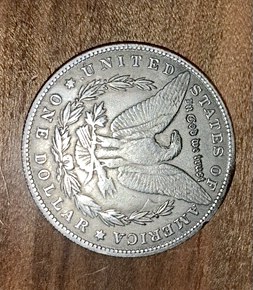
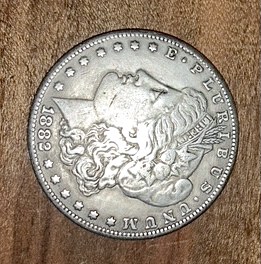


 Posted 07/21/2021 4:50 pm





 to the CCF, Greg!


