| Author |
 Replies: 23 / Views: 2,736 Replies: 23 / Views: 2,736 |
|
Pillar of the Community
Canada
3328 Posts |
Hes not sure where it's from but it appears to be silver and it is very thin, almost completely flat. I was wondering if you guys could help identify if it's real and what it is. 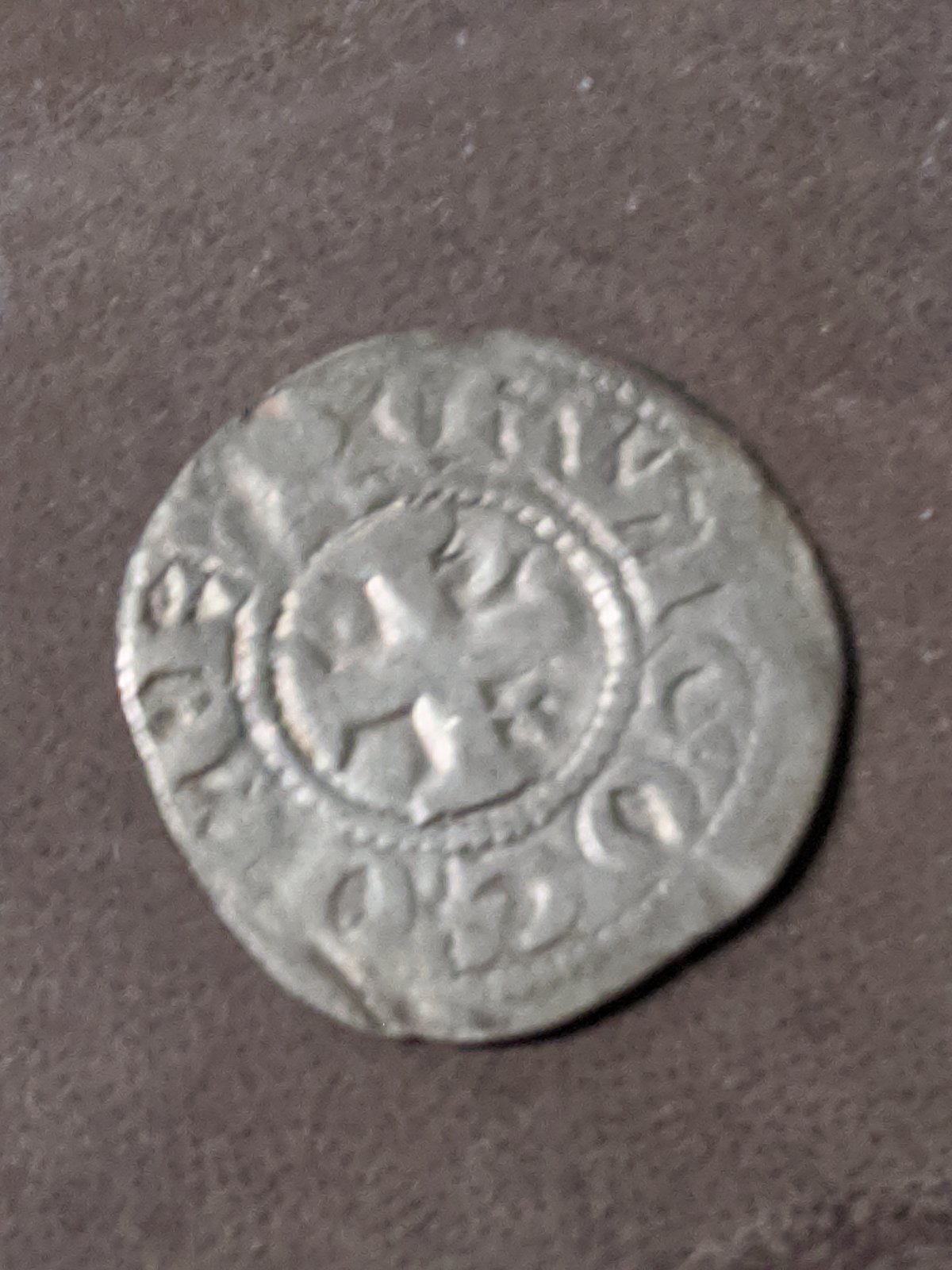 |
|
|
|
Moderator
 United States
56855 Posts |
Is that the same image on both sides? John1  |
|
Pillar of the Community
 Canada
3328 Posts |
Oops I took the same side twice 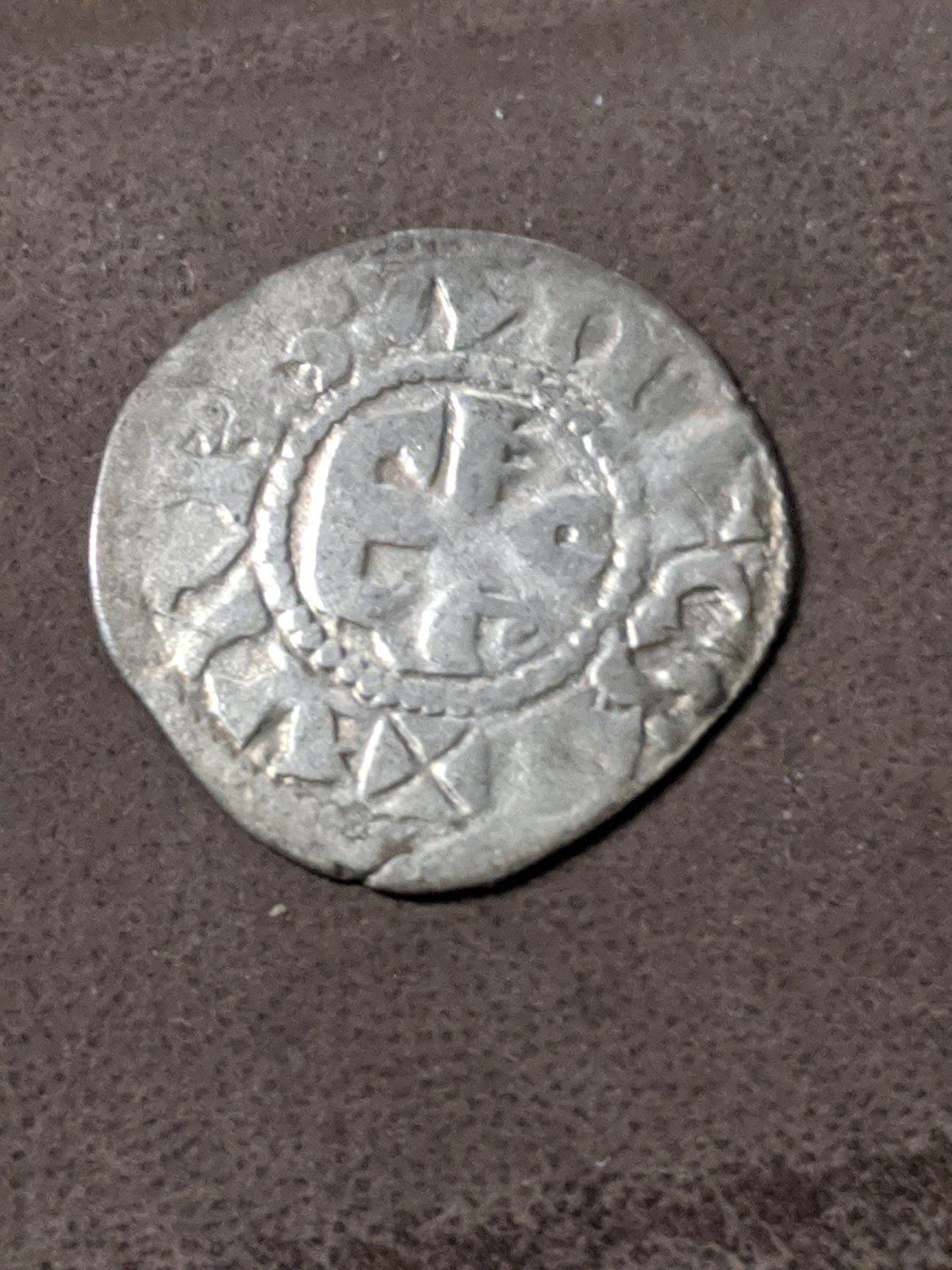 I think this is the other side |
|
Pillar of the Community
Canada
3328 Posts |
Didn't mean to post the one on his health card, but all the info is blocked.
|
|
Moderator
United States
194400 Posts |
Quote:
Didn't mean to post the one on his health card, but all the info is blocked. Removed.  |
|
Pillar of the Community
Canada
3328 Posts |
If have to say if it's real it's definitely been cleaned, so can anyone tell what this coin is? I can't see a date or anything, or is it a reproduction or a fake? He's a buddy I work with so I'll let him know tomorrow when I see him again.
|
|
Pillar of the Community
Canada
3328 Posts |
|
|
Pillar of the Community
 United States
8031 Posts |
To moderators: please move the coin the Ancients/Medievals subforum
@wrekkd, cool coin! Probably medieval French and no reason to believe it is not authentic. Someone here will be able to identify it for you based on that unusual obverse.
|
|
Pillar of the Community
Canada
3328 Posts |
Ya my buddy said he thought it was french or something else. He got it as a gift from someone and keeps it in his wallet on his health card:p but when I talked to him about how I have been getting into coins for a while he shower me it and I offered to take some pics and see what the pros can tell me.
|
|
Pillar of the Community
Canada
3328 Posts |
|
|
Pillar of the Community
Canada
5287 Posts |
The ebay listing is NOT the same coin. Could you please give us a better in focus picture of the first image, and crop both pictures? We need to read the lettering around the edge, and it can be tricky for worn coins, since the letters do not look like our modern ones, and they used a lot of Latin abbreviations. Most of the coins from this period are very thin. Also, a wallet is not a good place to keep this coin. It can be exposed to moisture and heat and could easily be bent. Edited by oriole
08/16/2021 8:39 pm
|
|
Pillar of the Community
United States
8031 Posts |
|
|
Pillar of the Community
Canada
3328 Posts |
@tdziemia,that looks like it but it's hard to tell, I don't have the coin lol it went back in his wallet on his health card:p these are the only photos I took on my phone. I also know nothing about coins like this. I'm looking for advice I should give my work friend on this coin.
|
|
Moderator
Australia
16960 Posts |
In terms of things to tell him:
"WHat you have is a medaieval French coin called a "denier". [That's pronounced "deener" rather than the English word "denier"]. We're not entirely sure, but it seems to date from the time of Duke Geoffrey of Anjou (ruled AD 1129-1151). He was married to Matilda, the widowed daughter of English king Henry I; her claim to be queen of England led to the decades-long civil war in England known as "The Anarchy" (1135-1153)."
Don't say "infinitely" when you mean "very"; otherwise, you'll have no word left when you want to talk about something really infinite. - C. S. Lewis
|
|
Pillar of the Community
Canada
3328 Posts |
@sap, very insightful, it's a very old coin then, should I tell him to take it out of his wallet then:p? Not the best place to save any coin.
|
|
Pillar of the Community
Sweden
2124 Posts |
An interesting coin, and a bit challenging to identify. @tdziemia, you are on the right track. It is a French feudal denier from the late 12th century, from the County of Anjou. Although the inscriptions are hard to read, I read them as follows: Obverse: FVLCO COMES (Count Fulk) Reverse: VRBS ANDECSV (City of Angers), at center the Fulk monogram. Angers was the capital of the County of Anjou. ANDECSV (ND ligatured) is one of many more or less corrupted forms of the city's latin name Andecavis. The Fulks were counts of Anjou, and although the last of the Fulks, Fulk V, reigned 1109-29, this type of coin is usually considered to be from the 2nd half of the 12th century (which is when Richard the Lionheart was count of Anjou). This kind of "immobilizing" well known and widely accepted coin types was common during this period. Here is another example of the coin, which went for 62 € at an auction: https://www.cgbfr.com/anjou-comte-d...67452,a.htmlAnd yes, do take it out of the wallet ... |
| |
Replies: 23 / Views: 2,736 |







 Posted 08/16/2021 3:49 pm





