| Author |
 Replies: 15 / Views: 1,276 Replies: 15 / Views: 1,276 |
|
|
New Member
United States
2 Posts |
|
|
|
|
Pillar of the Community
 United States
2843 Posts |
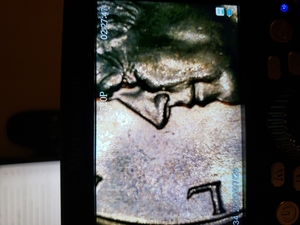
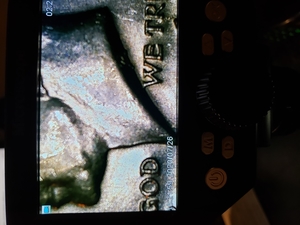
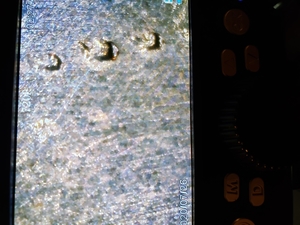
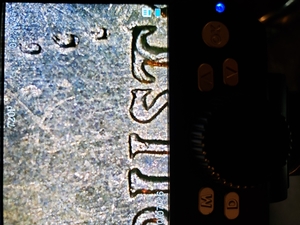
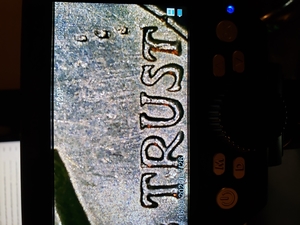
Damage - likely from the reeded edge of another coin.
|
|
Bedrock of the Community
United States
19585 Posts |
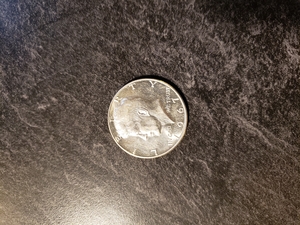
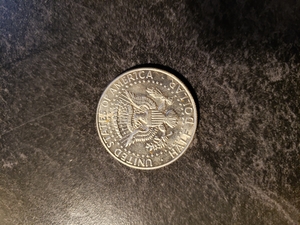
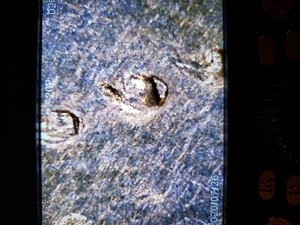
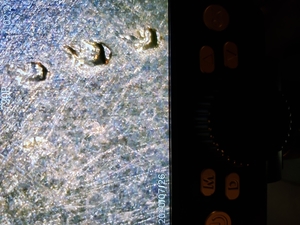
Appear to be reeding divots--post strike damage. Large and sharp images of the obverse and reverse would be very welcome. Thanks.
|
|
Valued Member
United States
354 Posts |
Something damaged the die. If you look at the devices you can see they are starting to spread in width. This is showing die ware and at that point anything can happen.
|
|
Valued Member
United States
354 Posts |
|
|
Pillar of the Community
United States
2843 Posts |
Quote:
Something damaged the die I don't think so. This coin is damaged. The die that created the coin did not have that anomaly. |
|
Bedrock of the Community
United States
62064 Posts |
The difference between die damage and coin damage? 1. On die damage, there would be an incuse mark on the die. This transfers to the coin as a raised area on the coin. 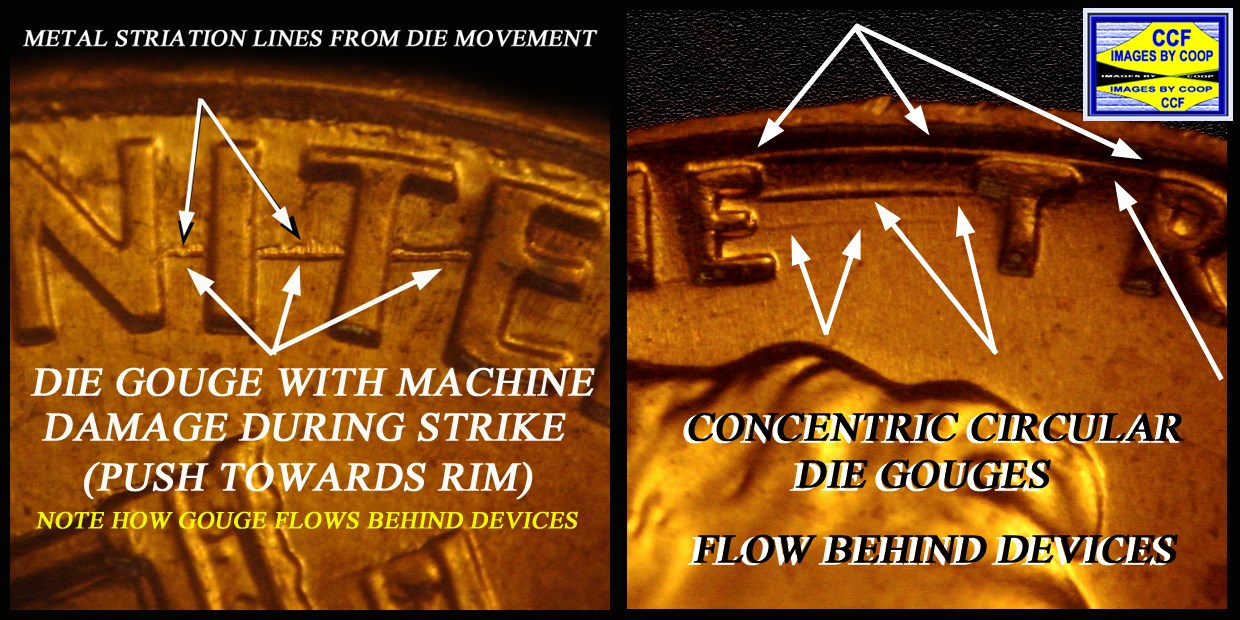 2. Damage on a coin will be incuse on the coin. To if the marks are incuse (damage into the surface of the coin) it is not a die issue, but damage to the coin. We often see incuse marks of damage on coins:  |
|
Bedrock of the Community
United States
94367 Posts |
Assuming these are incuse, then reeding divots seems the logical answer.  to the CCF! |
|
Pillar of the Community
United States
4706 Posts |
|
|
Moderator
 United States
34553 Posts |
@gra, first welcome to CCF. Second, can you please confirm that these marks are raised above the coin field? Thx.
"If you climb a good tree, you get a push."
-----Ghanaian proverb
"The danger we all now face is distinguishing between what is authentic and what is performed."
-----King Adz
|
|
Bedrock of the Community
Australia
21792 Posts |
grafixgrh: to the CCF !Thanks for the good quality pictures. Very far from unique, unfortunately. If fact, it is arguably the most common single form of coin damage. It is the result of freshly minted coins, after ejection from the coining press dropping through some height onto a pile of other freshly minted coins. It can be rightly considered that it is damage sustained during the minting process. However, this sort of damage is is not regarded as an error by most collectors. |
|
Rest in Peace
United States
18456 Posts |
Quote:
Assuming these are incuse, then reeding divots seems the logical answer.
 |
|
Moderator
United States
107175 Posts |
I would like to know if the marks are raised or incuse. That makes a big difference to post mint damage or something like die chips. |
|
New Member
 United States
2 Posts |
|
|
Pillar of the Community
United States
509 Posts |
I'm going out on a limb here but I believe these 'lumps' of additional metal are possibly some type of silver solder. This coin looks nice and it could have been in a jewelry shop at one point as a candidate for placement in a bezel or something of the sort and inadvertently had solder drop onto it. I don't think it ever made it into bezel or there would be damage to the edge and/or rim. There appears to be circles of discoloration around each one of the lumps on the field of the coin. This, IMHO, would be consistent with hot molten solder dripping on the fields of this coin and sticking and causing the discoloration. I would just about bet that with enough force you could pick or push these little lumps off of the surface of the coin. That is if they aren't die chips, but they just don't look to me to fit the part for your normal die chip. Just my take here......
Edited by Bumpkin
09/11/2021 3:10 pm
|
|
Bedrock of the Community
United States
10635 Posts |
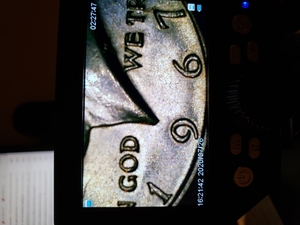
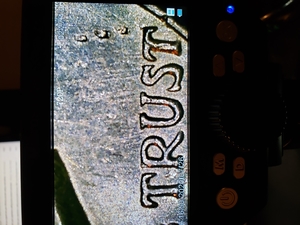
Please, no screen shots of your computer. Pics too small to see much detail and too pixilated if you blew them up. From what I see, looks like post mint damage ( PMD).  to the CCF!  |
| |
Replies: 15 / Views: 1,276 |
|







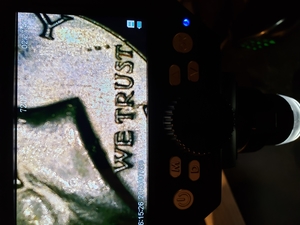


 Posted 09/10/2021 5:30 pm