| Author |
 Replies: 11 / Views: 1,231 Replies: 11 / Views: 1,231 |
|
|
New Member
United States
30 Posts |
|
|
|
|
Bedrock of the Community
Canada
21929 Posts |
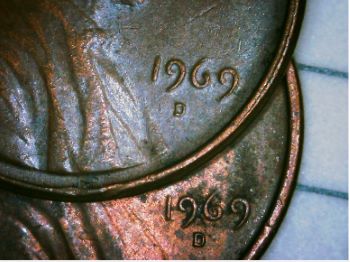
Probably from a different punch.
The mm was hand punched into the dies and sometimes several punches were used.
In 1946, there were 3 distinct styles of the "S" mm used.
Not really a big deal as there would have probably been millions of each minted.
Edited by JimmyD
10/06/2021 11:27 am
|
|
Bedrock of the Community
United States
94367 Posts |
  to the CCF! |
|
Moderator
 United States
56855 Posts |
I have seen them before. Might be a cause of polishing the die. I do not know if there was more than one MM style that year. John1  |
|
Bedrock of the Community
United States
19639 Posts |
Back in the day of hand punching, several mint marks were used--as noted above. Also, mint mark positions would vary some within a particular mint year.
|
|
Pillar of the Community
United States
1677 Posts |
How deeply the mint mark was punched into the die makes a difference on size as well.
|
|
Pillar of the Community
United States
549 Posts |
Variety Vista has all the MM styles for you to compare. Check them out and welcome.
|
|
Moderator
United States
56855 Posts |
|
|
Moderator
United States
108341 Posts |
I've seen that before. Is it possible that a mint mark punch that was intended to a dime was used for the cent coin presented above?
|
|
Pillar of the Community
United States
509 Posts |
Dearborn, that is a very plausible theory I believe and something I have never heard of or thought of before. I too have found numerous 1969-D Linc's that have this very same small MM. I just compared the Denver MM's for the 69' Dime and the Cent on VV. They do appear to be slightly different but there is no scale in which to measure them by. I think I may have to look through my cull piles to find one of each and compare them. First thing I'll look for would obviously be the extent of die polishing apparent on the Lincoln to see if in fact there are noticeable and extreme evidence of polishing which would account for a reduction in the size of the MM on the Linc. But then again, as Icutler mentioned, it could very well be the result of a weakly punched MM. You gave me something to do today......LOL!
Edited by Bumpkin
10/07/2021 12:11 pm
|
|
Moderator
United States
108341 Posts |
Quote:
You gave me something to do today.. I'm glad I could be of some assistance to you. |
|
Bedrock of the Community
United States
62064 Posts |
A lot of different ideas. What is true? 1. The size is sometimes controlled by how deep the punch is driven into the die. Shallow will make a smaller looking mintmark, than a deeper punched mintmark. So depth of the punching can affect the size of the devices. 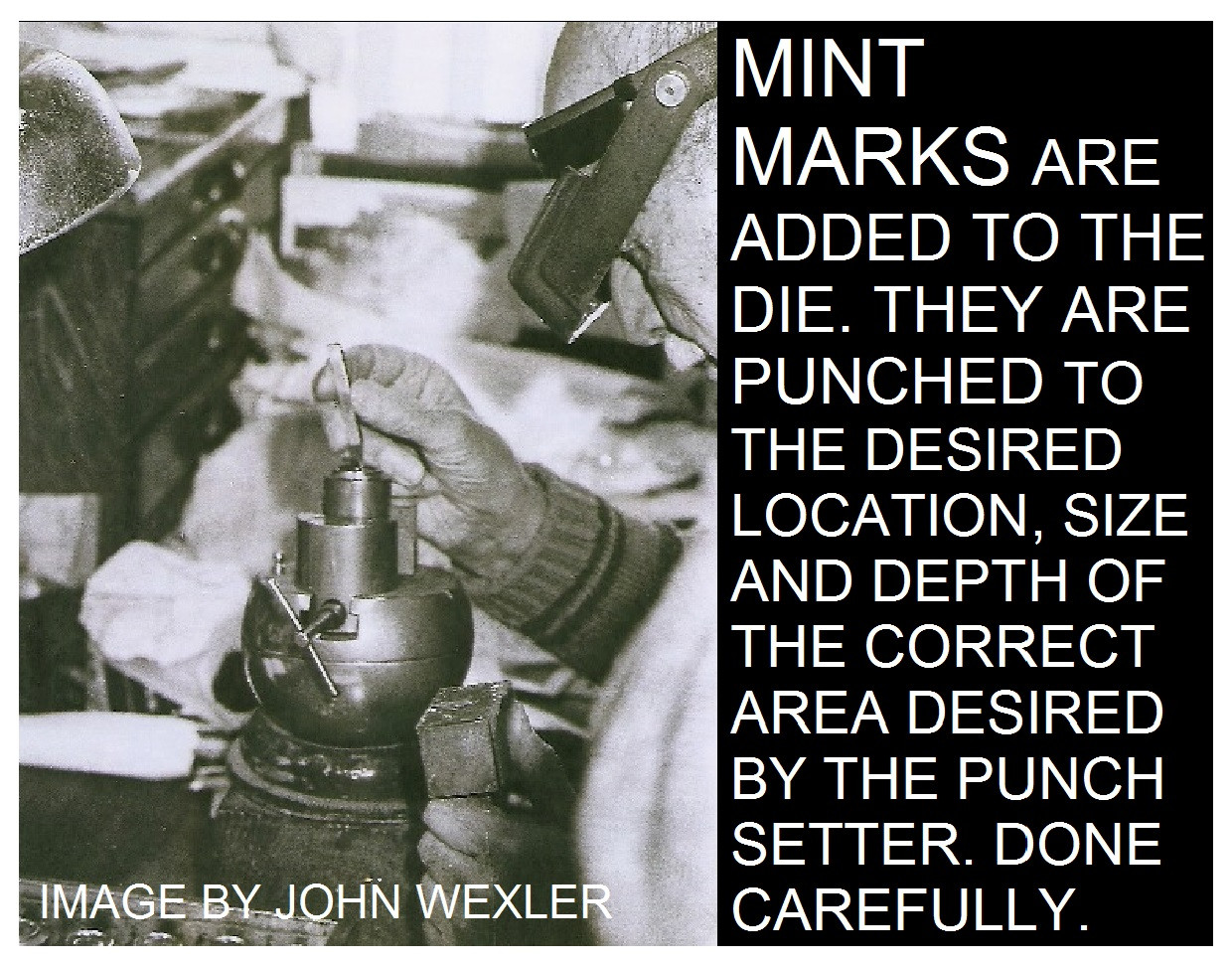 2. Die polishing can also reduce the size of the devices as it reduces the thickness of the fields. The devices are tapered, so the polishing will remove width at the bottoms of the devices (even mintmarks). But how can you determine if it is a polishing? Look at the date that will be a clue. Are the date devices smaller/reduced like the mintmark? The devices on the left of the digits are usually affected most, but if an overall clash happened, that date and mintmark areas could all be affected. 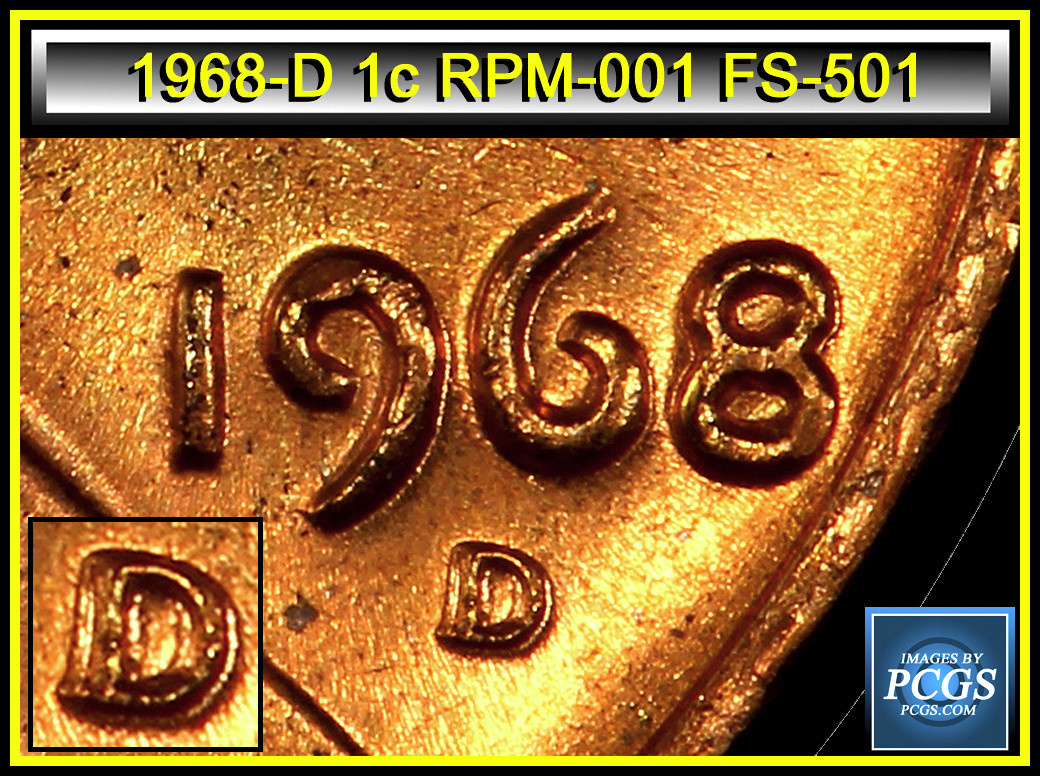 Note the '1'? It was the only area affected by the polishing. 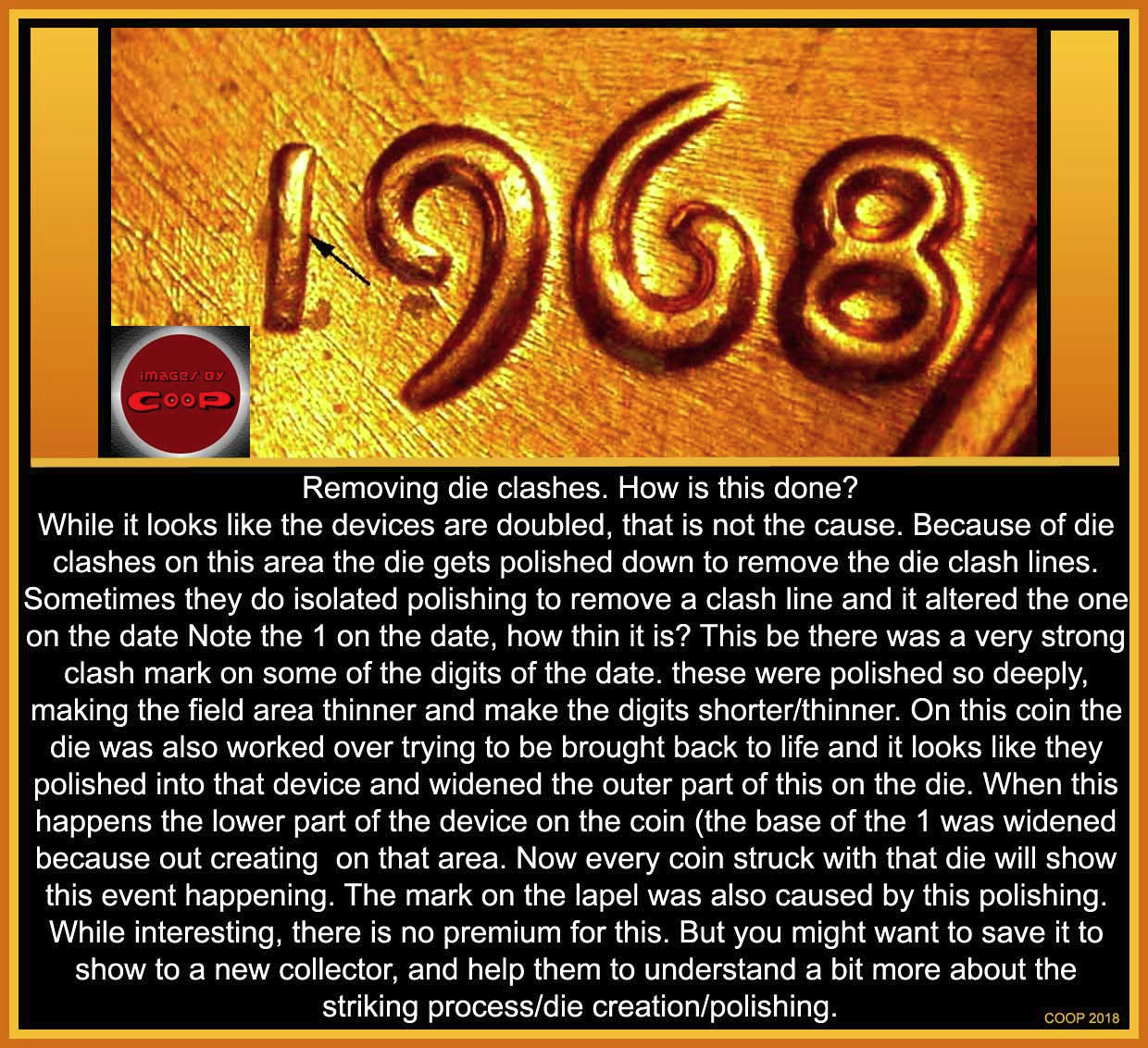 Sometimes the whole die is affected: 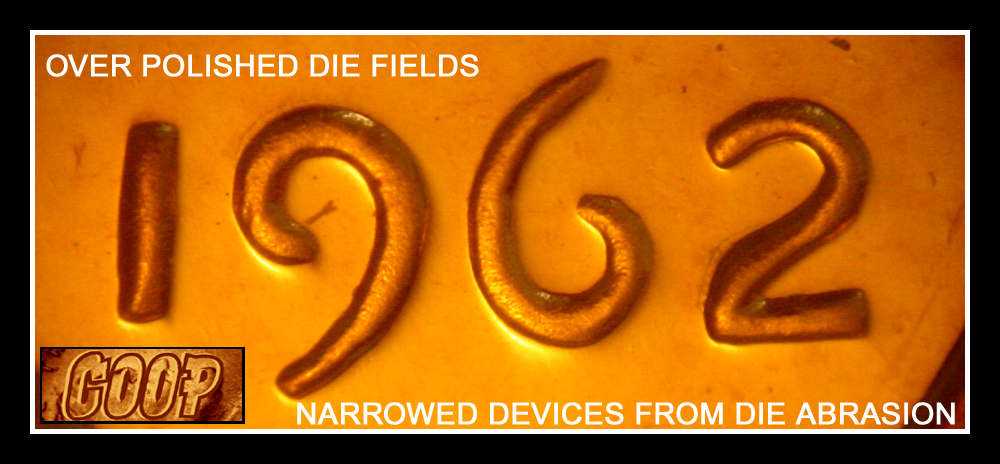 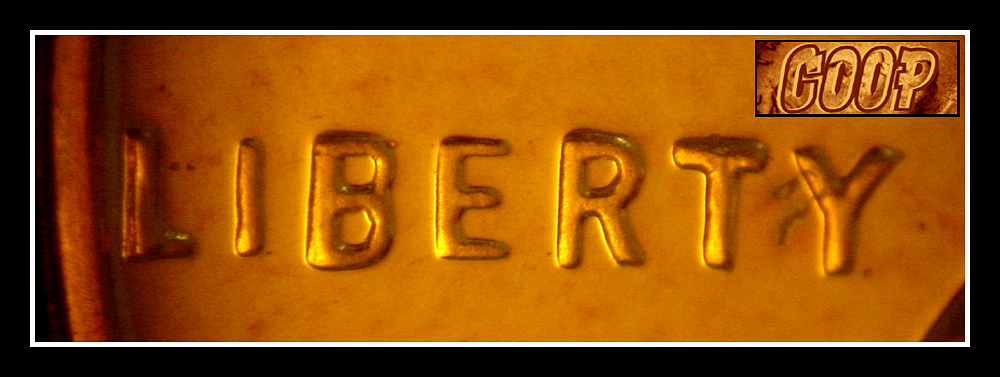 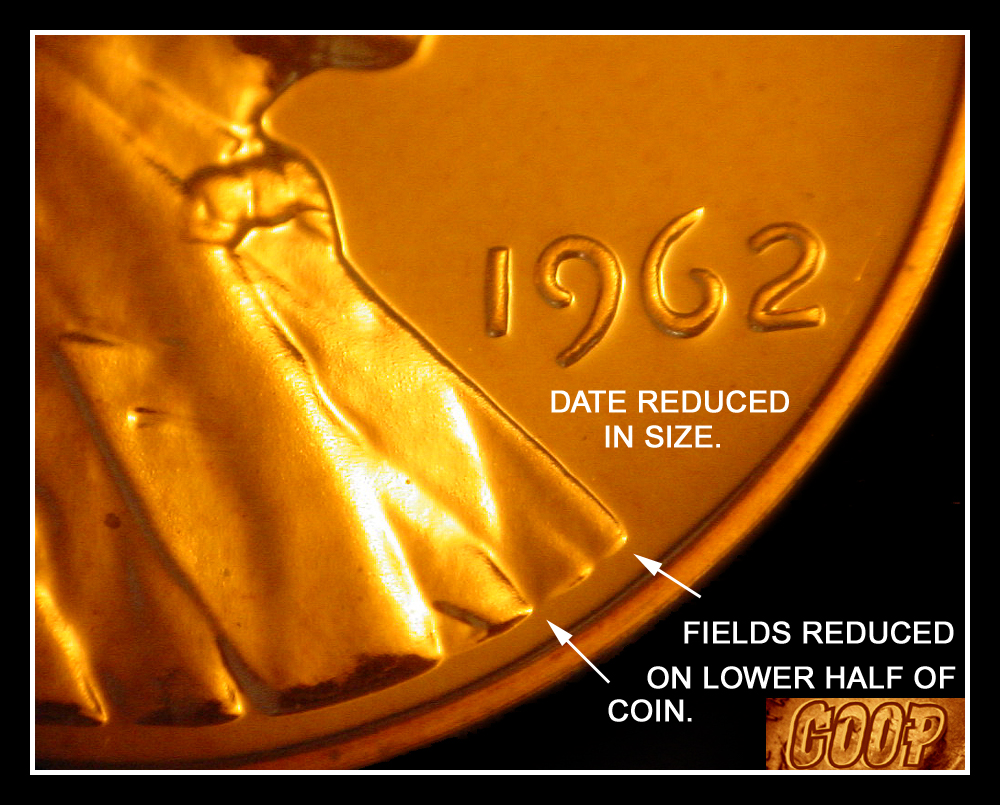 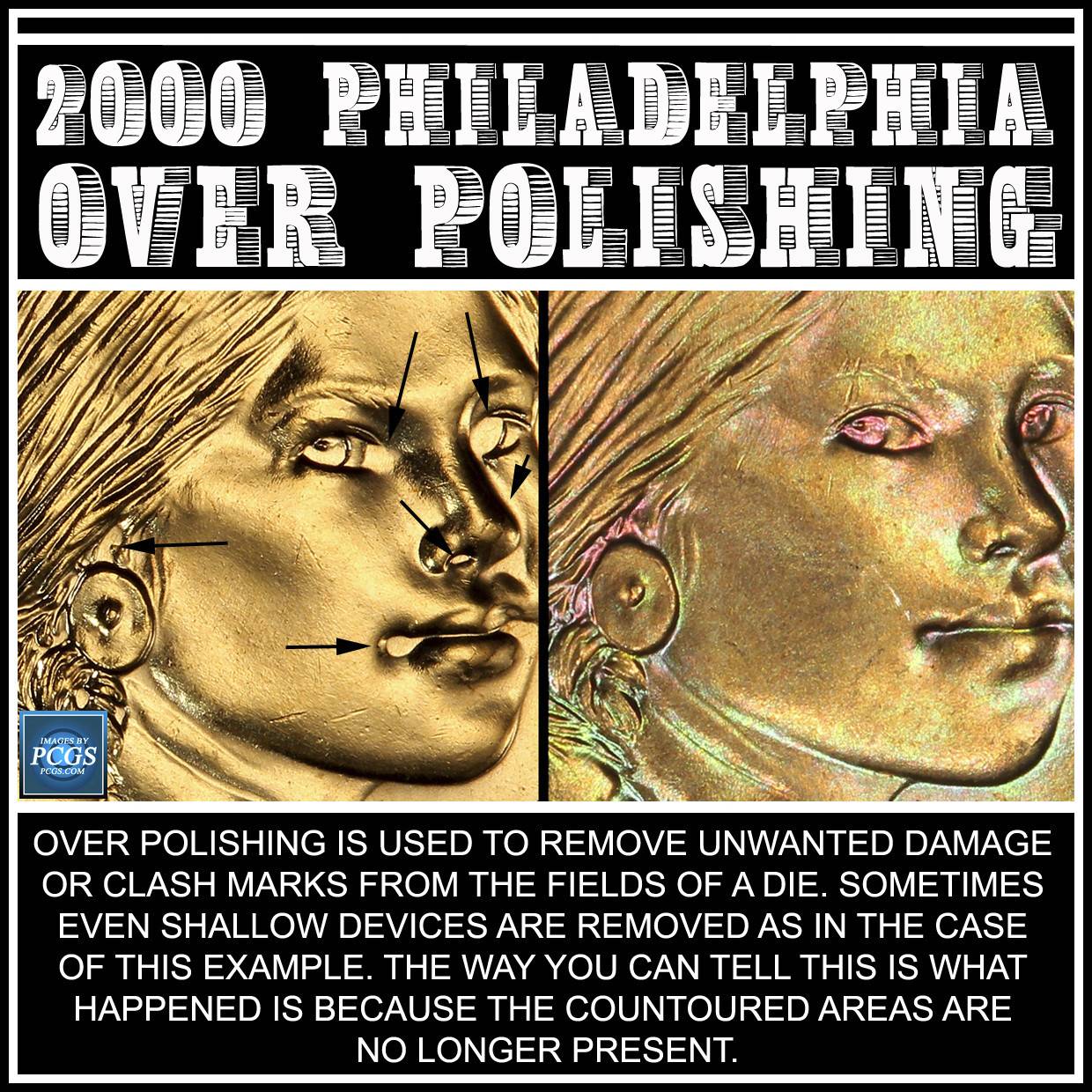 3. The punches were all the same. There is not dime/cent/nickel/quarter/dollar punch. The same punch was used on what ever needed to be punched. 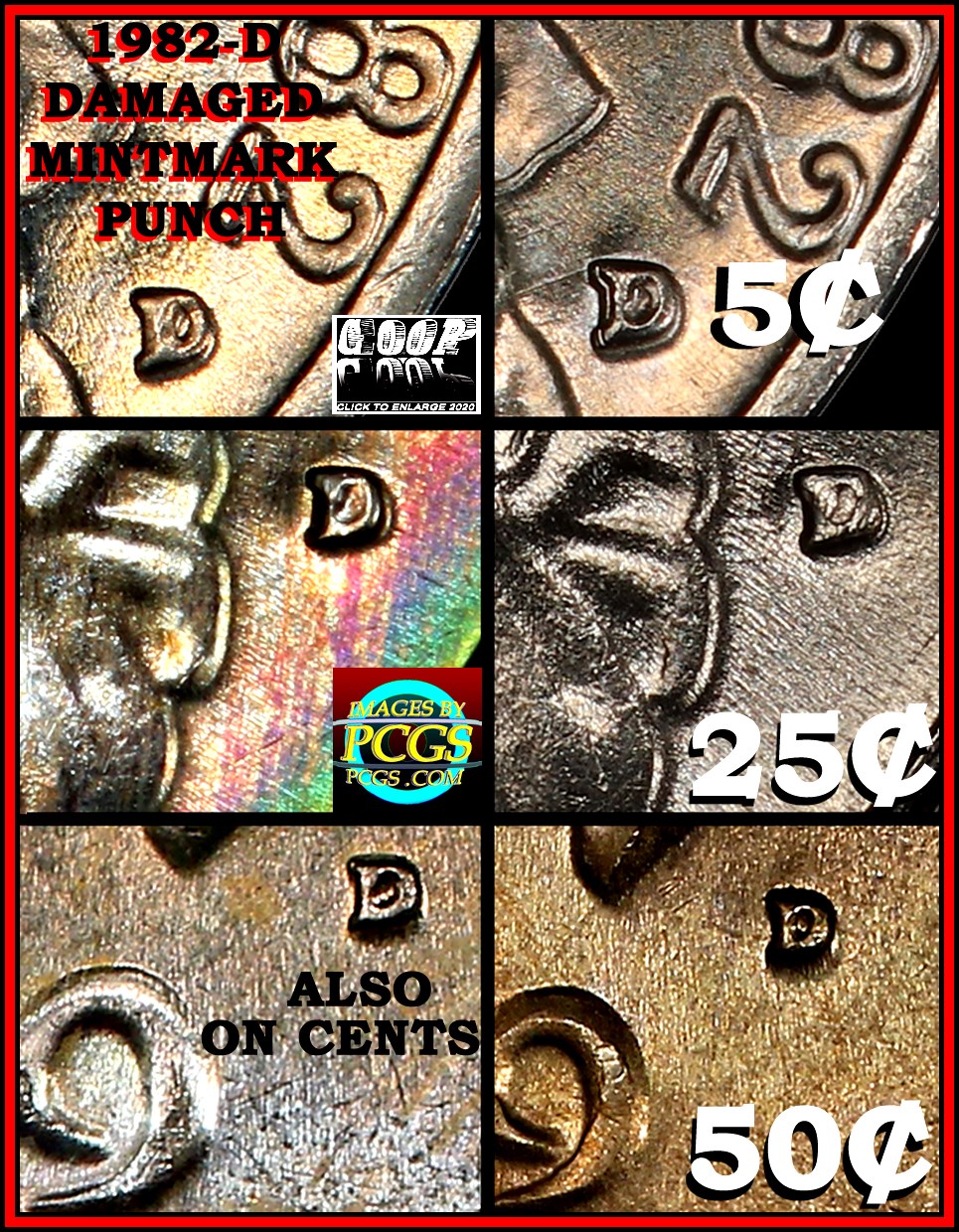 |
| |
Replies: 11 / Views: 1,231 |
|







 Posted 10/06/2021 11:26 am





