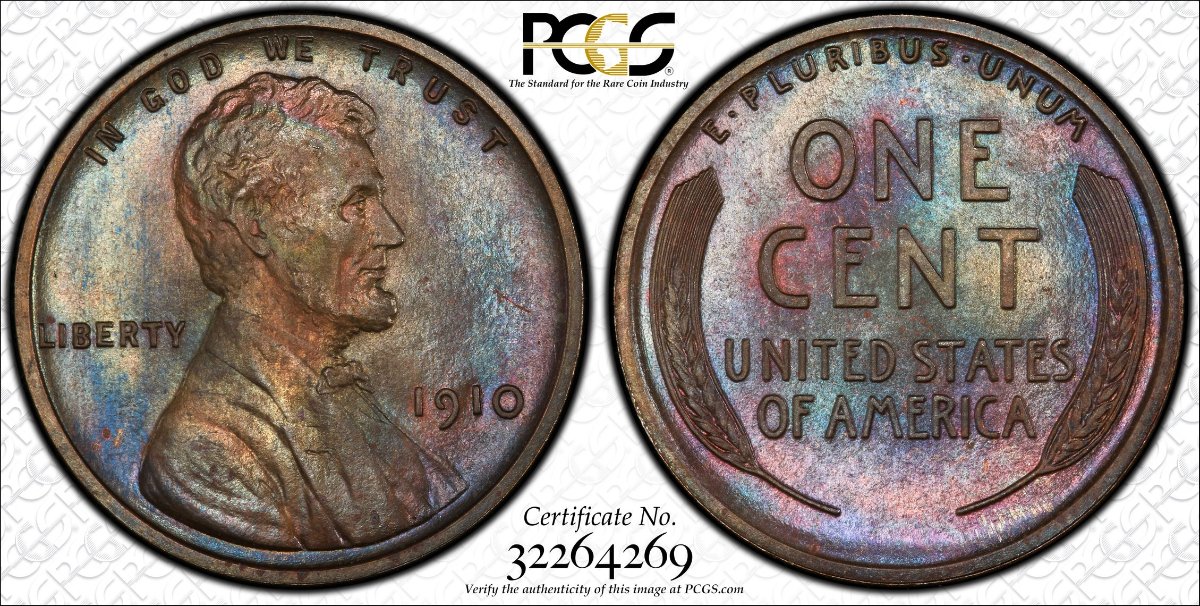
I've said this before, but the 1910 Lincoln Proof is an enigma.

The mintage was either 2,405 or 4,113. People strongly cling to one of the numbers, but nobody really knows.
There was only one die pair used for the mintage.
TPGs claim that very few exist. @KYCopperCoins has shown that far more are in the wild than would be expected. My experience in shows (back when they existed) echoes that.
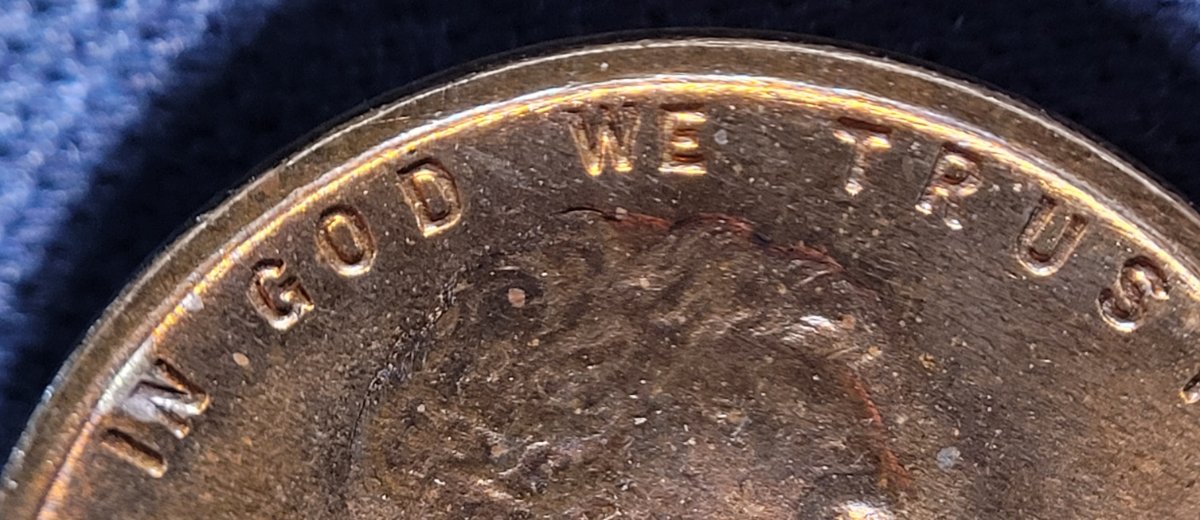
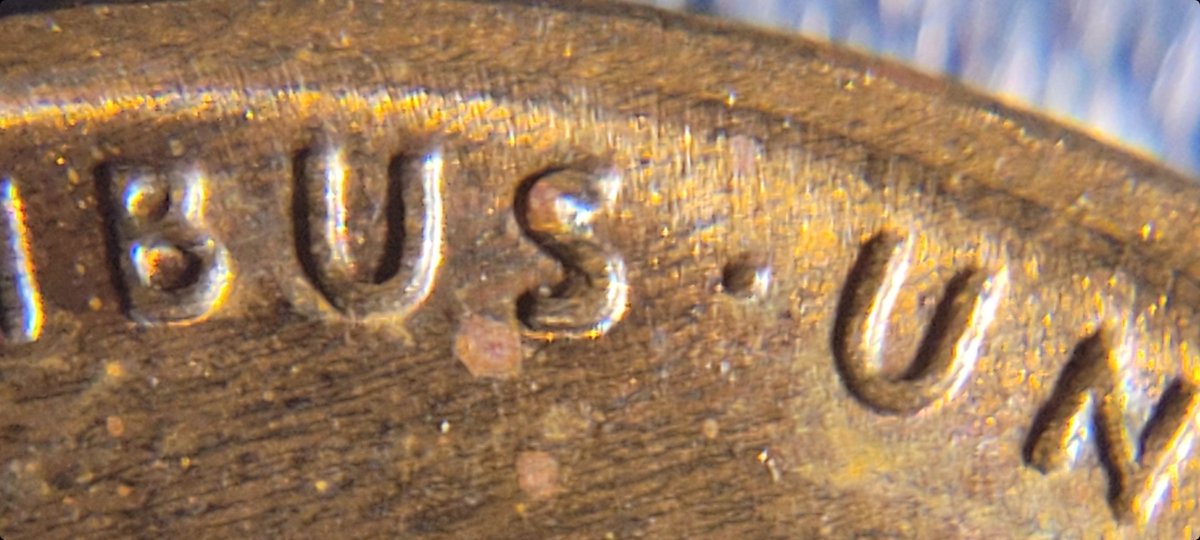
There are well known die markers for this proof, yet virtually none of the proofs exhibit all of the die markers, and some exhibit additional die markers that haven't been recognized.
Nobody knows whether the proof dies were used for business strike coins.
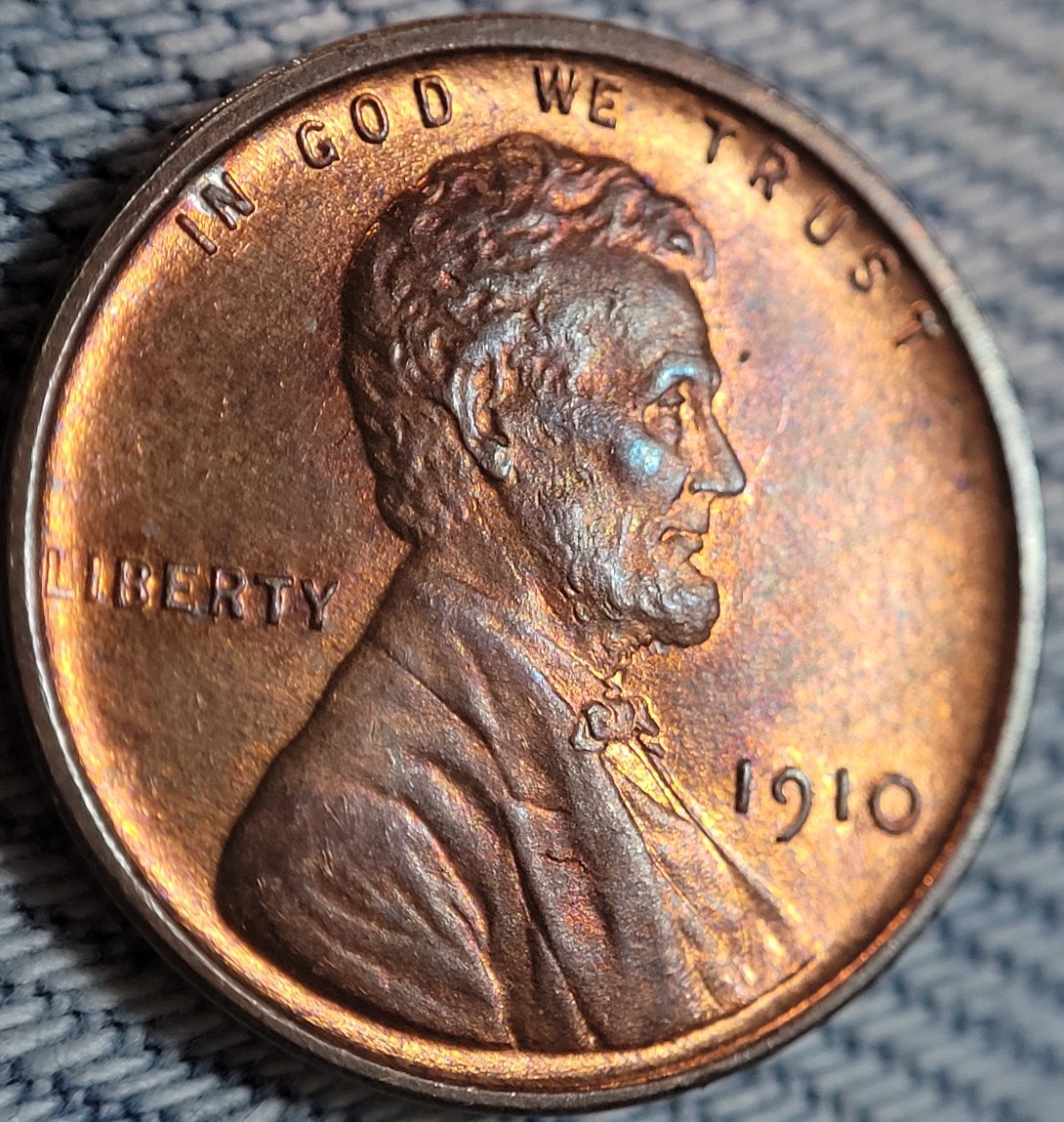
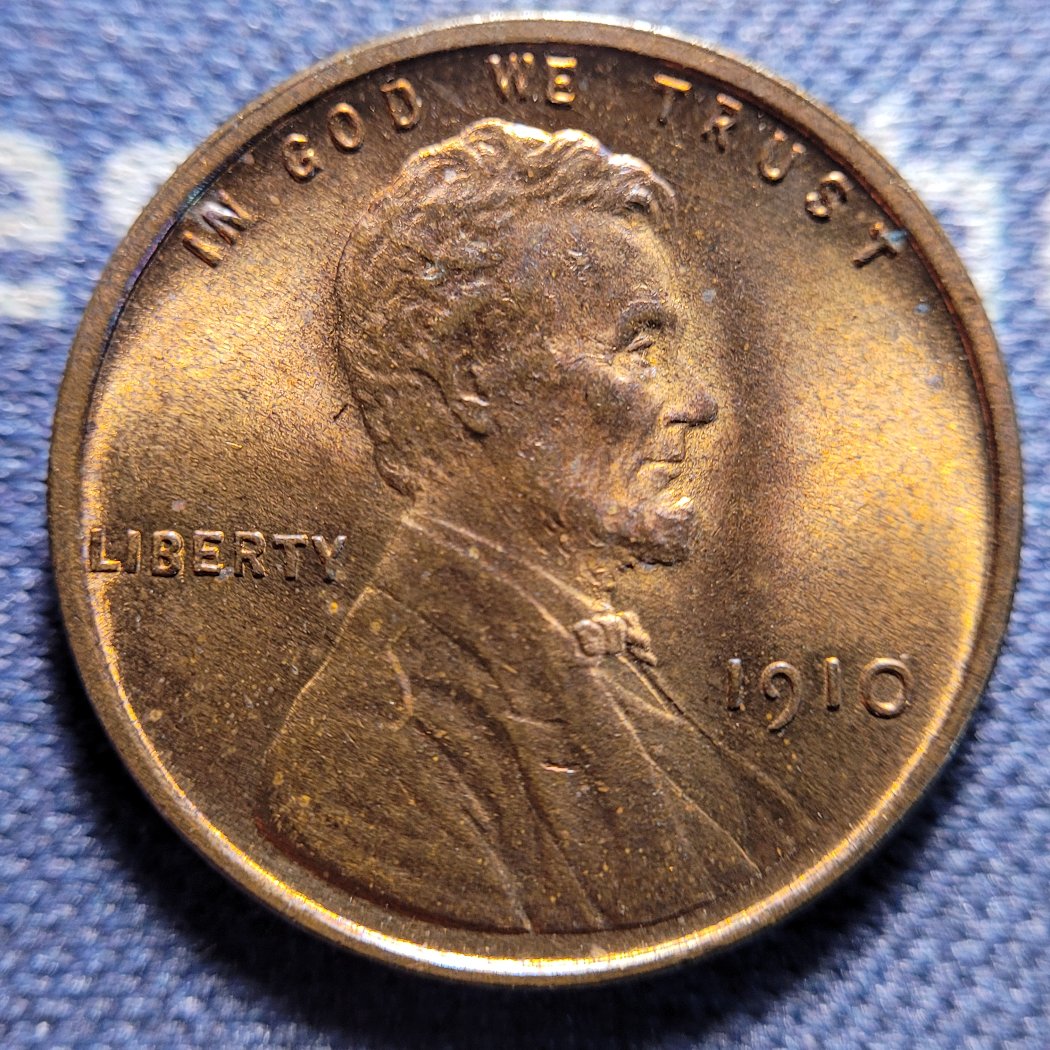
This coin shows several of the known markers. It also shows a prominent die scratch that isn't one of the known markers (the vertical scratch between the "L" and "I" of LIBERTY).
Multiple choice time:
(A) This coin is a business strike, but inexplicably has many of the same markers as the known proof.
(B) This coin is a proof from the original proof run, which may or may not have been 2,405 coins, but inexplicably has a prominent die marker not identified for that proof.
(C) This coin is struck from the proof dies either as a second run of proofs, bringing the total mintage to 4,113, or as a specimen coin run after the official proof mintage was completed. If so, the dies were polished before this run, explaining the additional marker and why some of the lesser markers aren't visible.
My hunch is (C), but there is zero evidence in the mint records of a second proof run. Given the shenanigans at the mint during this era (1913 nickels or 1907 proof high relief double eagles or 1910 VDB cents, anyone?), anything is possible.
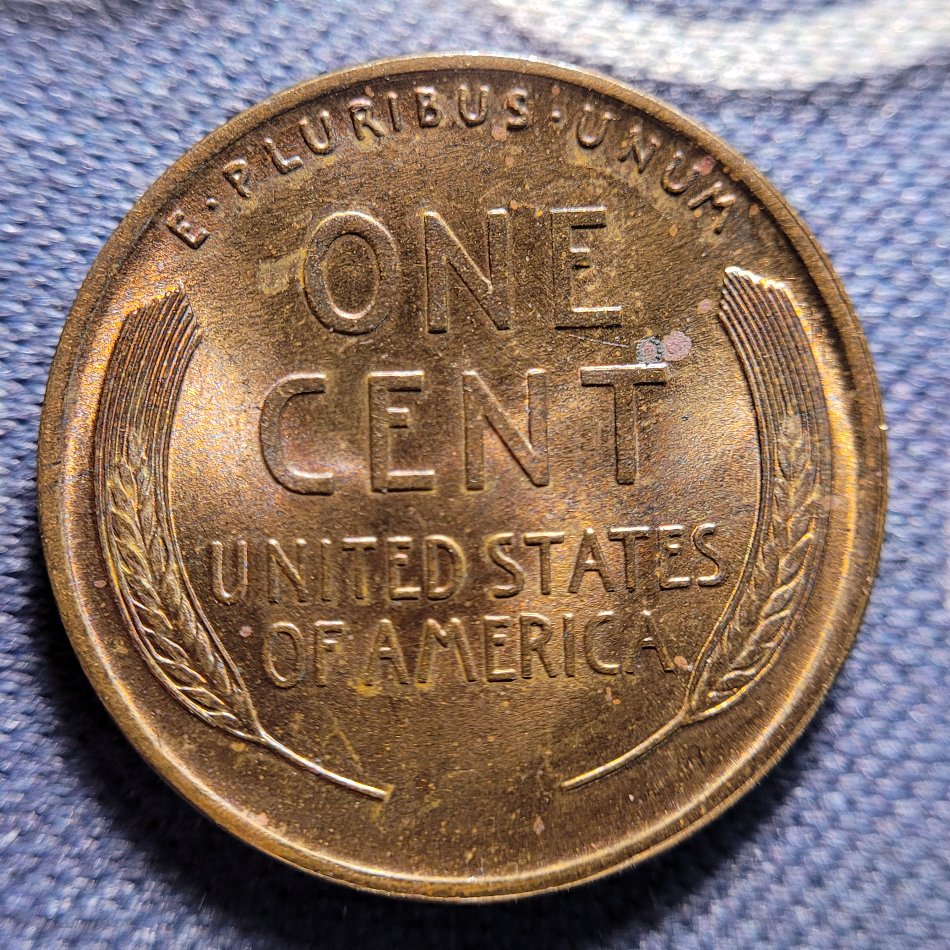
As for the technical grade, I think it makes a Something-64, but the surface corrosion is serious. Depending on whether it can be conserved, it would either be a Something-64 or Something Details. I'm leaning pretty strongly toward this being a proof.
Quote:
and no, I'm not gonna leave any in the wild before you ask Fortcollins!









 Posted 10/07/2021 11:17 am


 MS-63BN