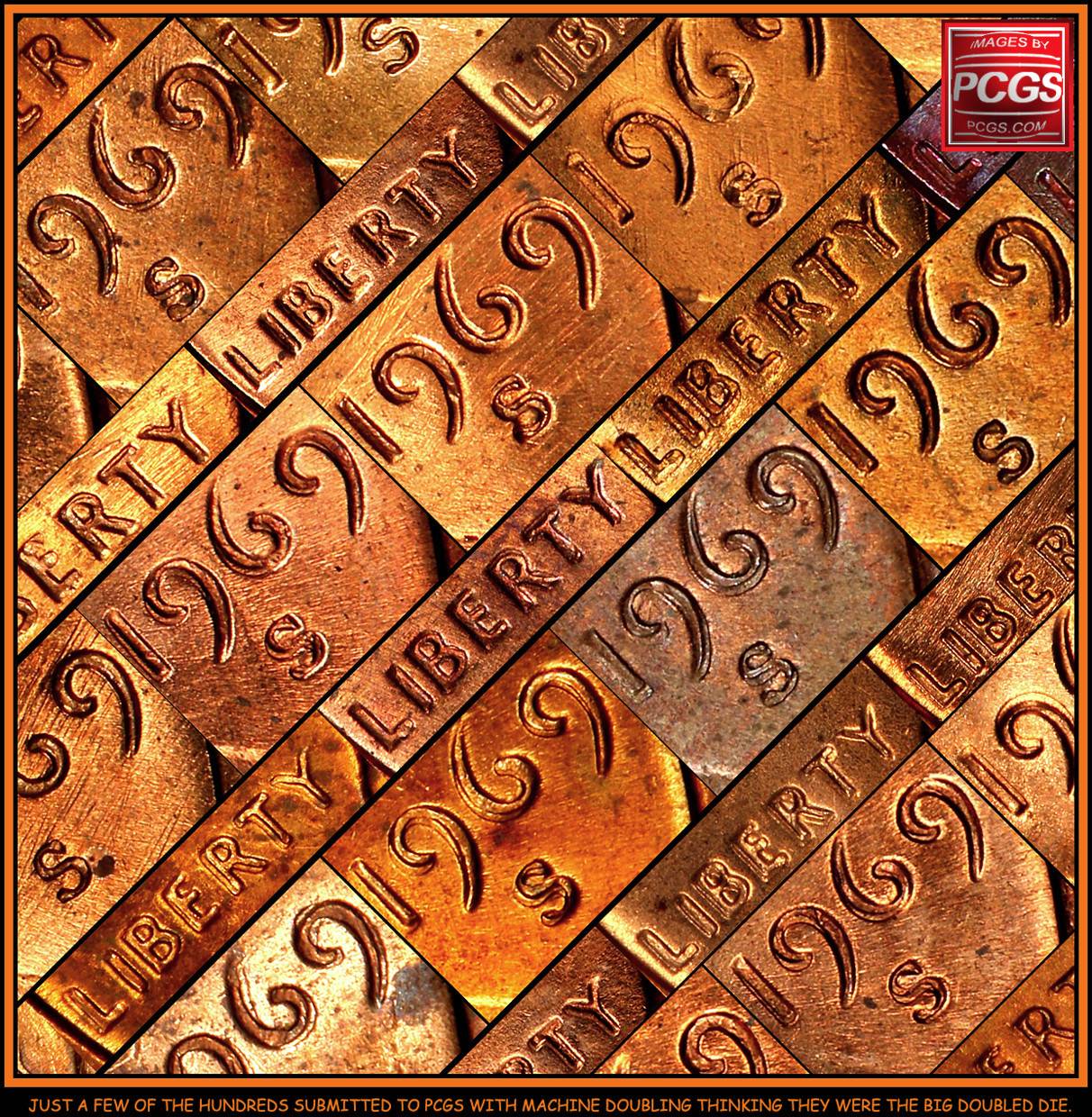
Die events are not a doubled die. The first image you are showing
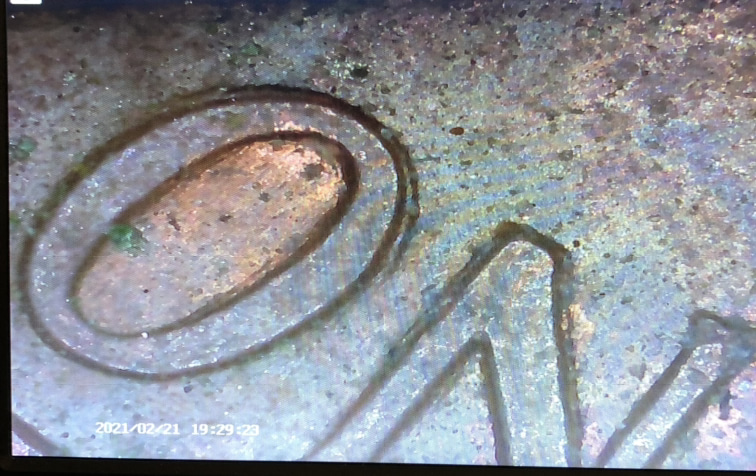
Machine Doubling on the 'O' on ONE. These are a striking event, not a doubled die. But doubled dies can also have
Machine Doubling. On a doubled die the die is doubled. On a normal coin the die is normal. During the strike, if the machine is loose even slightly it will alter the outside/inside edges of the devices. This is not a doubled die. On a doubled die they devices are enlarged on the centers of the devices, not on the outside/inside edges of devices. Most of the new collectors, it takes months before they move away from
Machine Doubling step. Best way to learn more about doubled dies are to at attributed sources to see what to look for. Most go at
bass actwards. They look at a coin and see nothing. Then they continue to look at the coin and they find
Machine Doubling. Learn what to look for first and save your eyes and time and searching for what is something, rather than to try to prove you have something, when you don't have anything but
Machine Doubling.
Also learn what happens to dies when they age. A lot of thing/questions/assumptions are just common die events. Probably 50% of the questions asked here are on the same subjects over and over:
They lump them into looking for coin errors? What they really have is not a coin error, but they assume they have something. When you go to school you are taught subjects. When you try to teach yourself you are grasping for straws like a drowning person in the sea of coins. Again look up information and learn what to look for, first. Learn the subjects first listed on the coin sites as attributed dies. Things are different through the years as different types of coins to look for. On circulated coins, most of the time they have already been looked at hundreds/thousands of times already. A damaged coin and a coin with damage on it, is always a face value coin. Even on sever hit to a coin, turns it into a cull coin. Just a face value coin. If you want to learn a bit quicker, on the
CoopHome (note it turned blue?) threads you can have answers to questions that you've not even thought of. It is now up to 11 pages now. Questions with answers/discussions/hundreds of images on some of these threads. Learn the basics. When we started at school, we didn't start in high school. We started in the primary classes first. So learn basics first. When you type in
CoopHome and click on it you will see various topics covered. This is a many years combined project with many images that have been posted on different sites through the years. Get answers there to specif questions. How to threads. What is threads. How to improve threads. When you find one you really enjoy, comment. That brings that thread back to the top of the pages and others can benefit reading again/first time. Mention the point you appreciated. That refreshes the discussion and sometimes I'll even add more to the subject if I've add more information on my educational image files. So best to learn first and then search. In the past they always put the cart behind the horse. To do it backwards is a waste of time. Learn first then search. When you have a question. Do what you did here. Ask a specific question on a new thread. Then we can add the answers in an organized way. Enjoy the site. Remember we are all coin brothers and sisters and you will learn at first and soon, you are sharing what you've learned with new collectors.









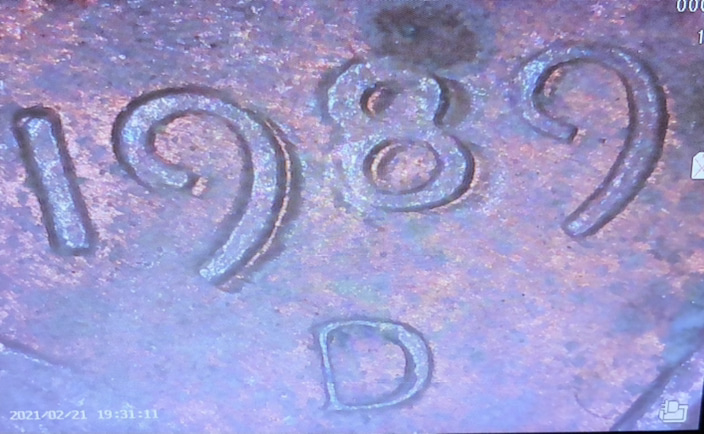
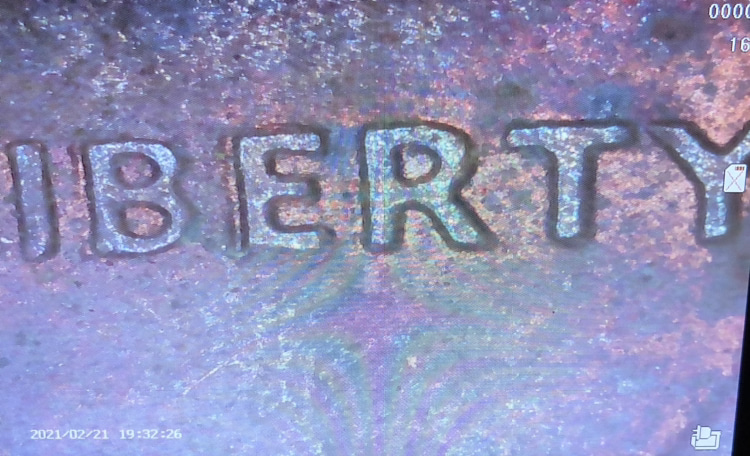


 . Obverse looks like


 Posted 12/10/2021 06:31 am