| Author |
 Replies: 20 / Views: 1,814 Replies: 20 / Views: 1,814 |
|
Valued Member
United States
138 Posts |
|
|
|
|
Bedrock of the Community
Canada
21876 Posts |
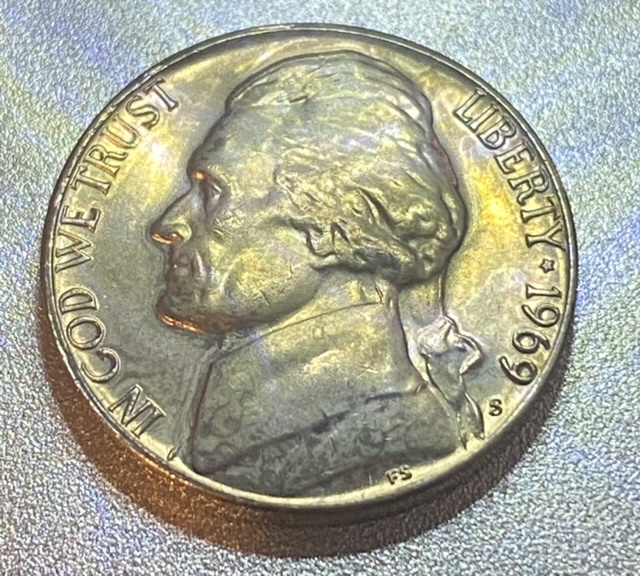
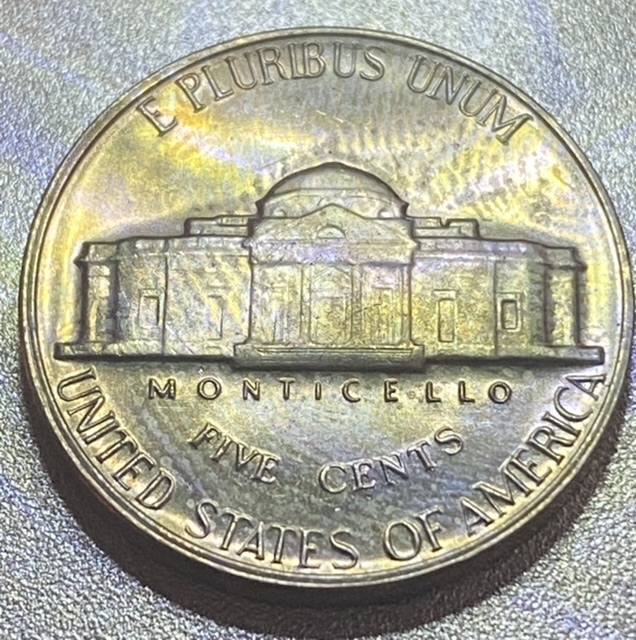
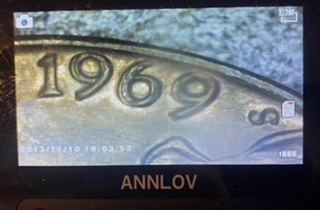
Your coin has a fingerprint on it and that is Machine Doubling, not a DDO. The fingerprint would be considered PMD |
|
Pillar of the Community
United States
3207 Posts |
it does look like a fingerprint, might have been better to leave it in the plastic to document it came from the mint that way
|
|
Valued Member
 United States
138 Posts |
Would post mint damage still be if it was sealed in the mint wrap? Cause that seems it would come across damage to it in circulation
|
|
Valued Member
United States
138 Posts |
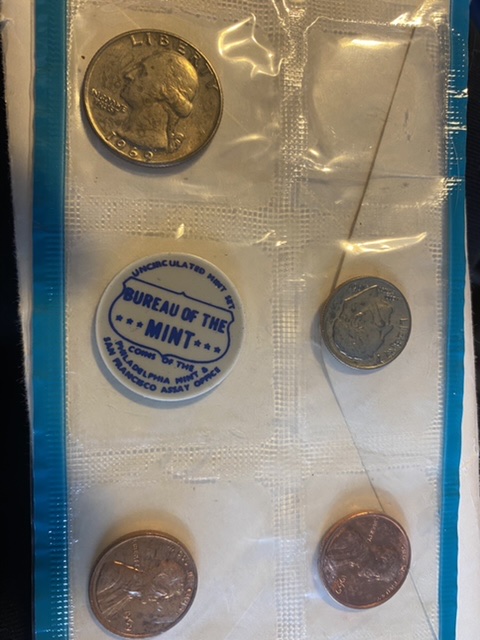
I took it out because I couldn't see the details of the coin being the wrap had become extremely foggy
|
|
Valued Member
United States
138 Posts |
I didn't notice the print until I removed it but I didn't touch the coin
|
|
Bedrock of the Community
Canada
21876 Posts |
Quote:
Would post mint damage still be if it was sealed in the mint wrap? Yes, anything that happens to a coin after it is ejected from the striking chamber is considered damage. Probably been handled when someone was putting the set together. |
|
Valued Member
United States
138 Posts |
Lesson learned on removing it from the wrapper, but out of curiosity would it be worth it or make it really valuable to have it examined to prove it came from the mint this way?
|
|
Rest in Peace
United States
18456 Posts |
Besides the finger print on that Nickel the rest of that mint set looks pretty crummy .  |
|
Valued Member
United States
138 Posts |
Sorry about all the questions and I really appreciate the education, but how else is a DDO created if not by Machine Doubling? I assumed it was the machine that created all DD just depended on how extreme if you could see it with the naked eye giving it more value |
|
Valued Member
United States
138 Posts |
It is crummy, except removing the penny actually made me c it was getting quite beautiful toning. There is a bit of a fog left from the wrapper but the strike is nice. The quarter and dime are terrible
|
|
Moderator
 United States
34542 Posts |
@zilliz, with regard to your question: Quote:how else is a DDO created if not by Machine Doubling? There are multiple good discussions of the differences between these two types of doubling, but this explanation by our own @coop is one of my faves: http://goccf.com/t/370154#3175302"If you climb a good tree, you get a push."
-----Ghanaian proverb
"The danger we all now face is distinguishing between what is authentic and what is performed."
-----King Adz
|
|
Pillar of the Community
United States
586 Posts |
Quote:but how else is a DDO created if not by Machine Doubling? I assumed it was the machine that created all DD just depended on how extreme if you could see it with the naked eye giving it more value A Doubled Die is actually an error created on the die that is used to make the coin. The doubling you're looking for on the coin is really no more than evidence that there was an error on the die. Machine Doubling is what we call a type of doubling that happens when the planchet or die moves during striking. There can be a number of causes of Machine Doubling, but they are all mechanical in nature and not evidence of error during the making of the die or the coin as much as limitations on our ability to control a machining process that makes up to 720 coins a minute. Some people call Machine Doubling "worthless doubling" which is perhaps a little harsh but essentially true as not many heavily collect such coins. Edited by HGK3
01/17/2022 3:02 pm
|
|
Bedrock of the Community
Canada
21876 Posts |
Quote:
Lesson learned on removing it from the wrapper, but out of curiosity would it be worth it or make it really valuable to have it examined to prove it came from the mint this way? First of all, how would you prove it came from the wrapper. Second, as I stated earlier, a fingerprint is damage. There is no premium for damage, damage devaluates a coin. |
|
Valued Member
United States
138 Posts |
I was asking for the response to the fact I should have kept it sealed as proof it came from the mint. That's why I was curious if it would have added value. I thank you for the response of the die vs. machine. I will research that more. Thank u
|
|
Bedrock of the Community
United States
19551 Posts |
Sadly, mint sets from the 60s and 70s are not known for high quality packaging. Also, mint sets were assembled manually, and it's quite feasible that the print came from the worker who put the set together--perhaps immediately after lunch. I do like the toning--which is not that uncommon. Doubling appears to be Machine Doubling (occurring at the time of the strike), which is different that doubled die doubling. Personally, I don't see significant fluctuation in value had the coin stayed in the packaging or not--given what's been discussed above. Edited by ijn1944
01/17/2022 3:43 pm
|
| |
Replies: 20 / Views: 1,814 |








 Posted 01/17/2022 2:05 pm





