| Author |
 Replies: 29 / Views: 2,268 Replies: 29 / Views: 2,268 |
|
|
|
New Member
 United States
45 Posts |
@silviosi Quote:
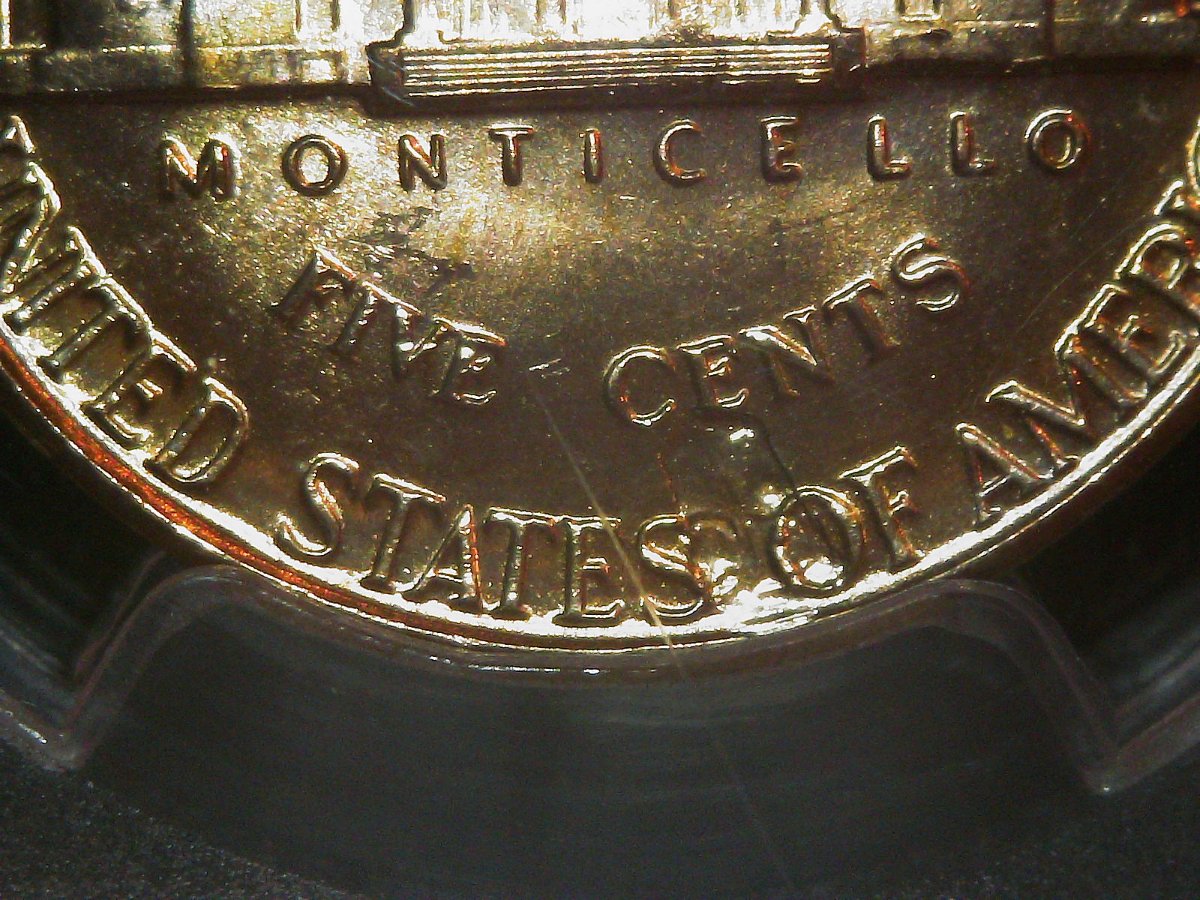
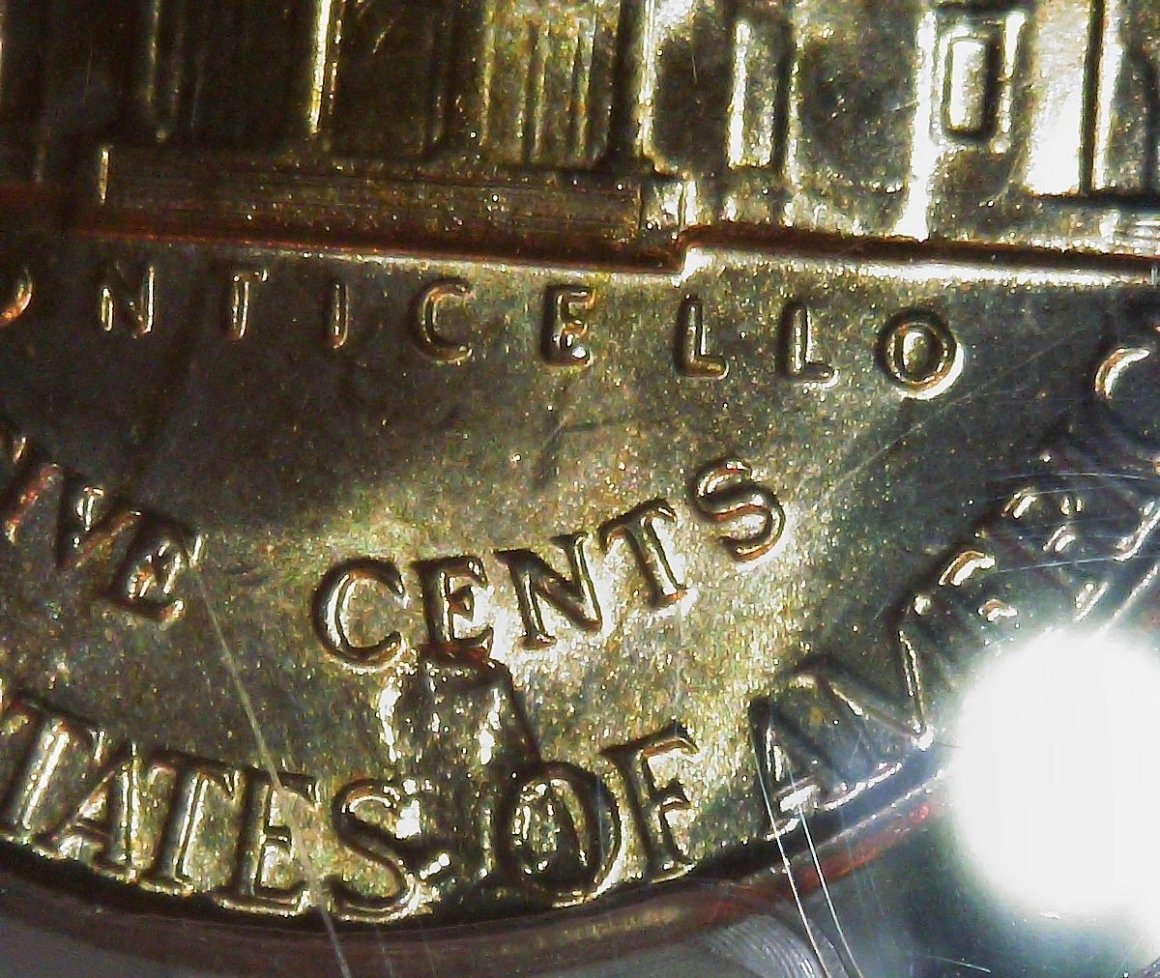
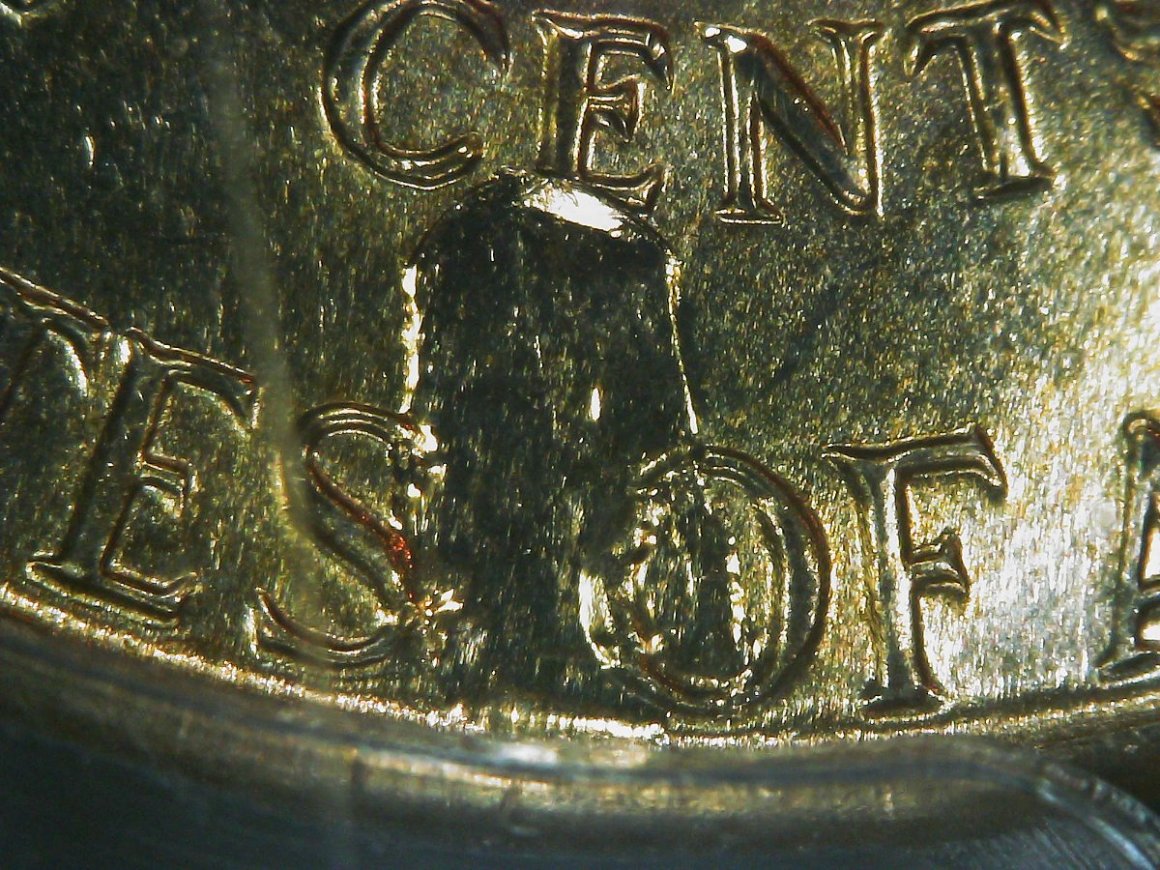
My taught on this it is struck over a missing planchet ex-foliation. The lines of the missing part are very close with the coins struck with 35% AG and 9% MN. This from the second photo which show also a missing part of the rim with metal texture. The first photo has complete other effect. Could you explain this further please? I'm relatively new to this and don't quite understand. |
|
New Member
United States
45 Posts |
@Earle42
I figured as such, it would be so time consuming for the graders to try and identify any error they happen to spot during the grading process.
Also, just skimmed through your essay. Definitely some egregious examples in there, way too many to be one or two one off flukes.
Thank you for sharing.
|
|
Pillar of the Community
Canada
6244 Posts |
@Alex: Sorry, I absolute forgot you say been new on this, Sorry. First: If nothing wrote on the slab it is because if you do not pay for variety or error, the TPG do not look for. They do Market grading and not Technical grading. Second: Each material (alloy in this case) has his own character crystalline form and structure. when an part will detached due to the rolling, will always detach linear with theirs crystalline form because the crystals will separate. This it is a part of physics, chemistry in the metallurgical field. when we look of those separations, we look first of the marks, and then we calculate the internal form of the material and we determine if it is legitim or not. For the US coins I have ~ 70 different crystalline forms. Third: The term I use Ex-Foliation is scientific term , in numismatic is use general Lamination. At the error-ref.com you can find almost all forms of the lamination. This term is use from long time ago, and is generic for planchet rolling process. Hope help you and others. |
|
New Member
United States
45 Posts |
@silviosi
That makes more sense! Thank you for explaining. Very interesting that you can calculate the composition of the metal based on the way it ex-foliates.
|
|
Pillar of the Community
Canada
6244 Posts |
Welcome ALEX. In fact I calculate the ex-foliation base of the molecular crystalline forms.
|
|
Moderator
 United States
196702 Posts |
 to the Community! |
|
Pillar of the Community
United States
911 Posts |
The date suggests this is a steel cent, correct?
|
|
Moderator
United States
108458 Posts |
Quote:
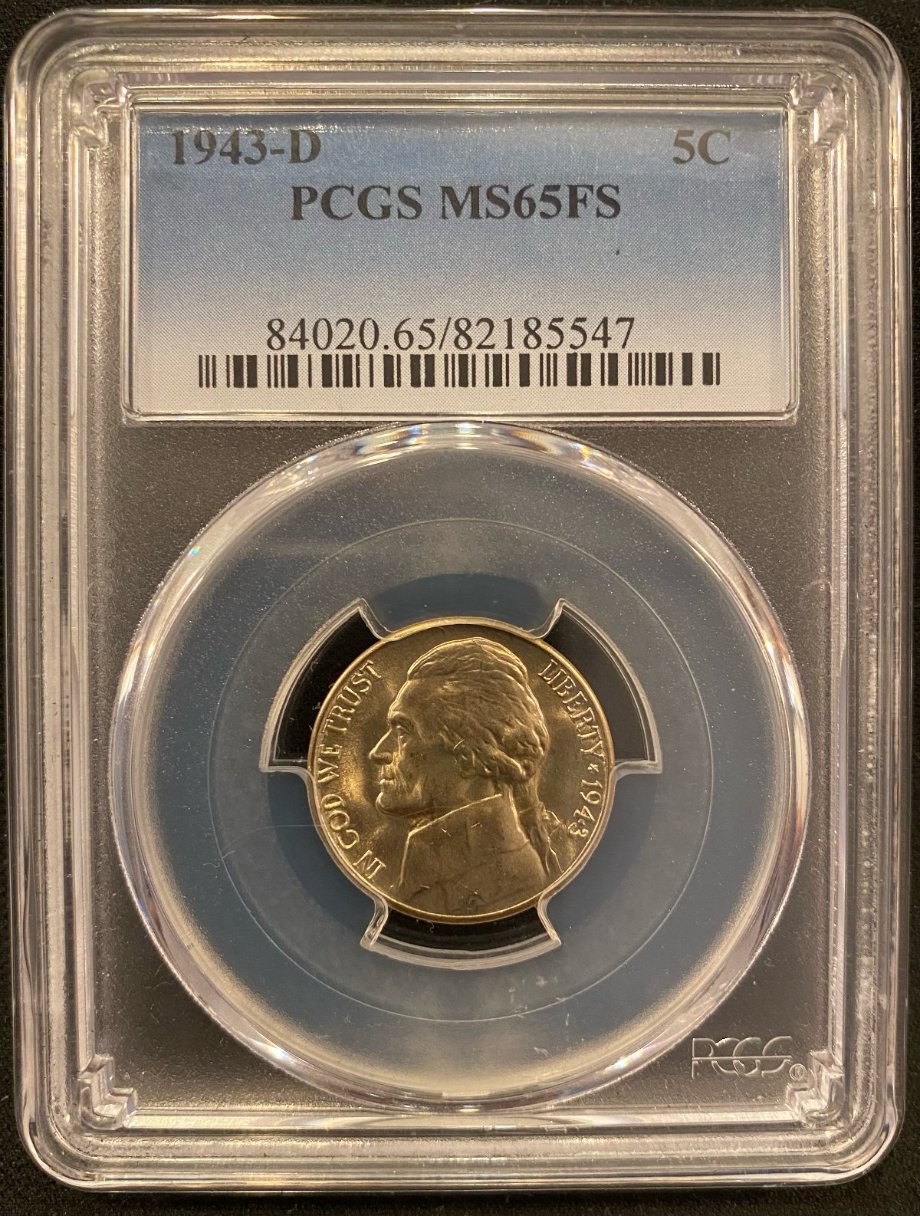
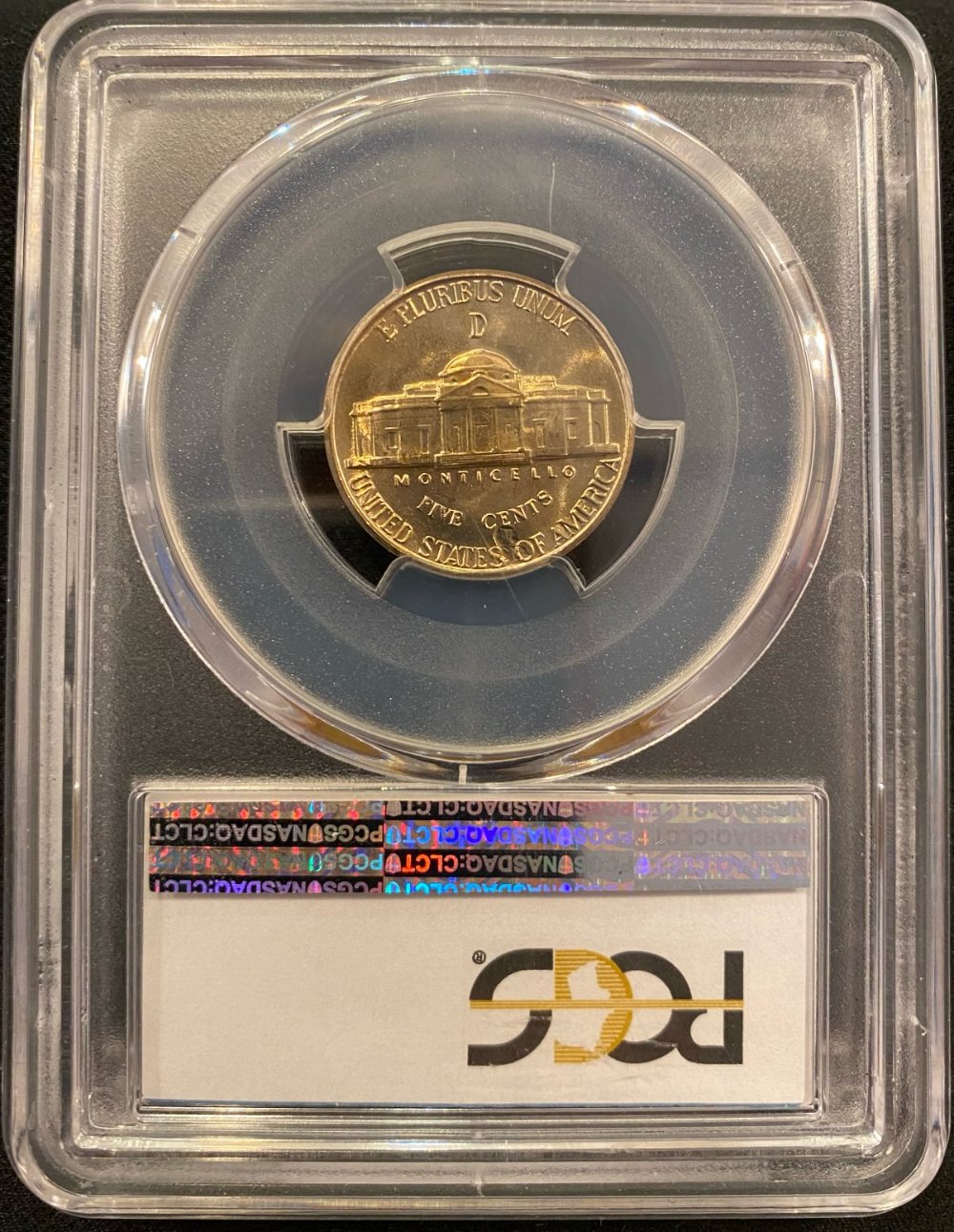
The date suggests this is a steel cent, correct? @ Dowhat, I do believe that this is a nickel @ AlexDC: This is an interesting coin, I would like to see a full coin image of it if possible. Maybe of the entire slab too? |
|
New Member
United States
45 Posts |
@Dearborn
Yes, 1943-D nickel!
I can definitely post more pictures, I will be able to later tonight. I don't have the best camera for it but will do my best.
Also thanks for the welcomes everyone!
|
|
Pillar of the Community
United States
911 Posts |
|
|
Bedrock of the Community
United States
62064 Posts |
I've seen weights give before, but probably were supplied by the submitter. The only reason I know this is because of the 1974 aluminum cent slab.
|
|
New Member
United States
45 Posts |
|
|
New Member
United States
45 Posts |
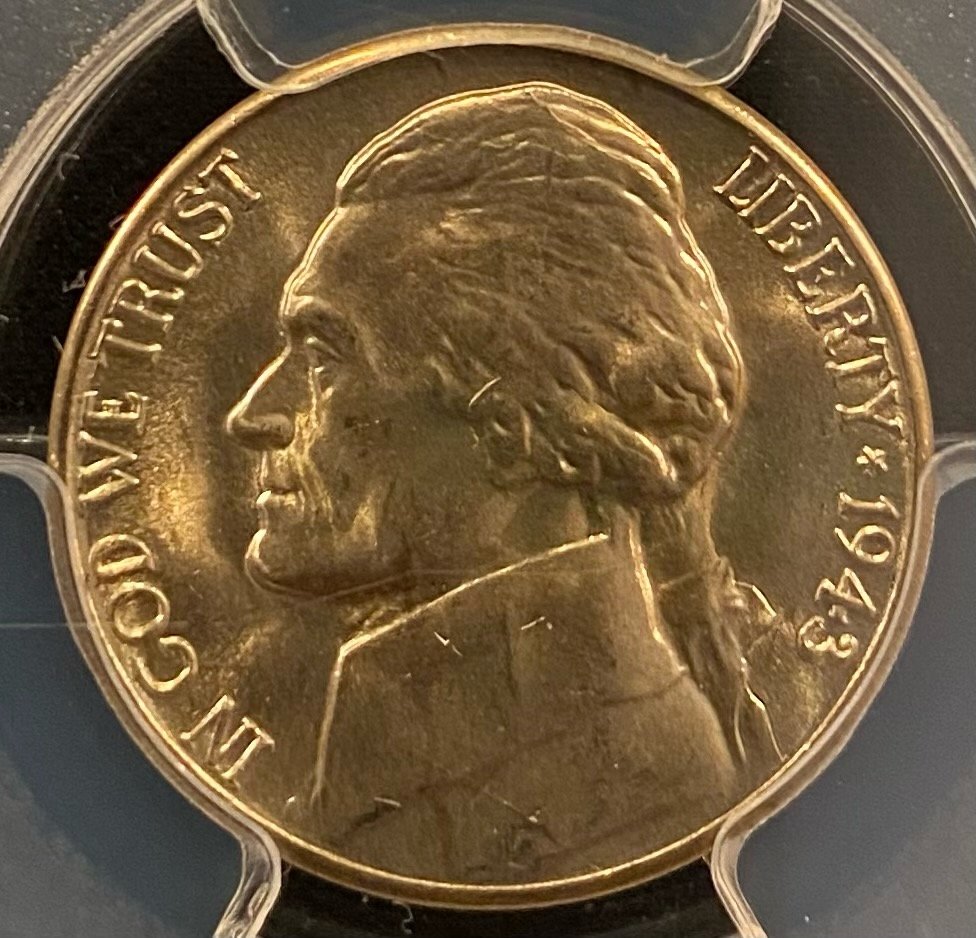
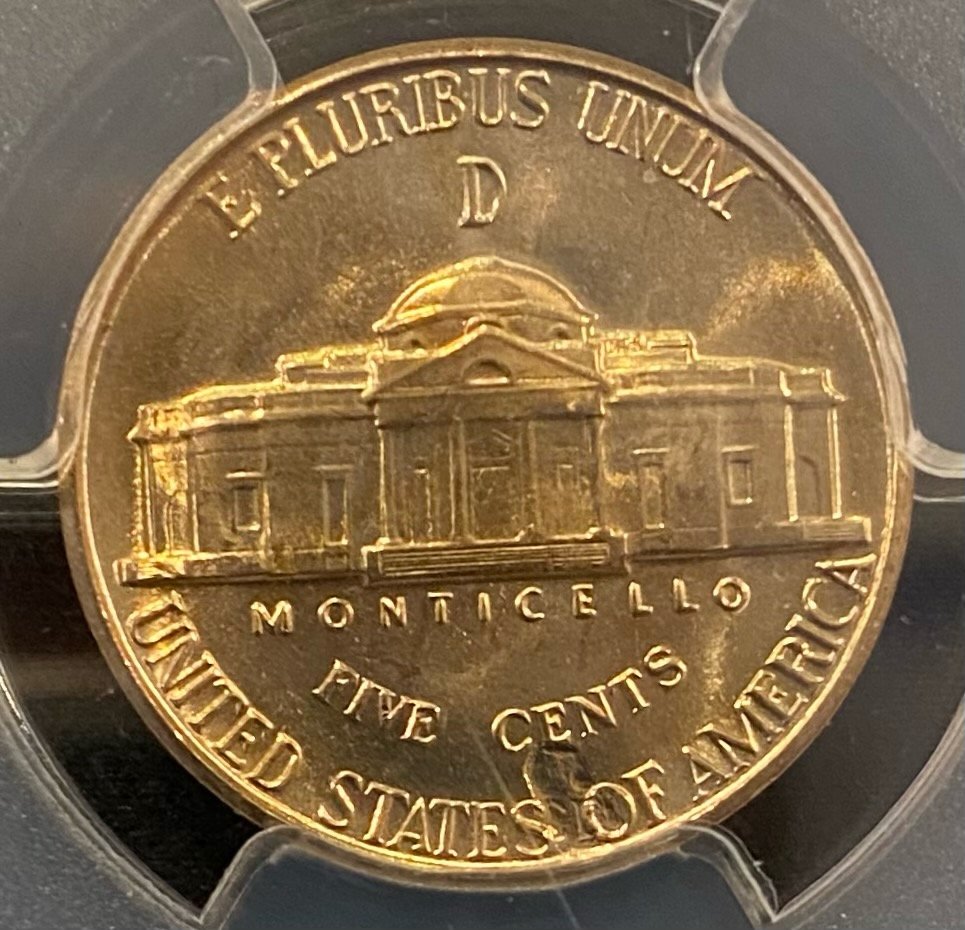
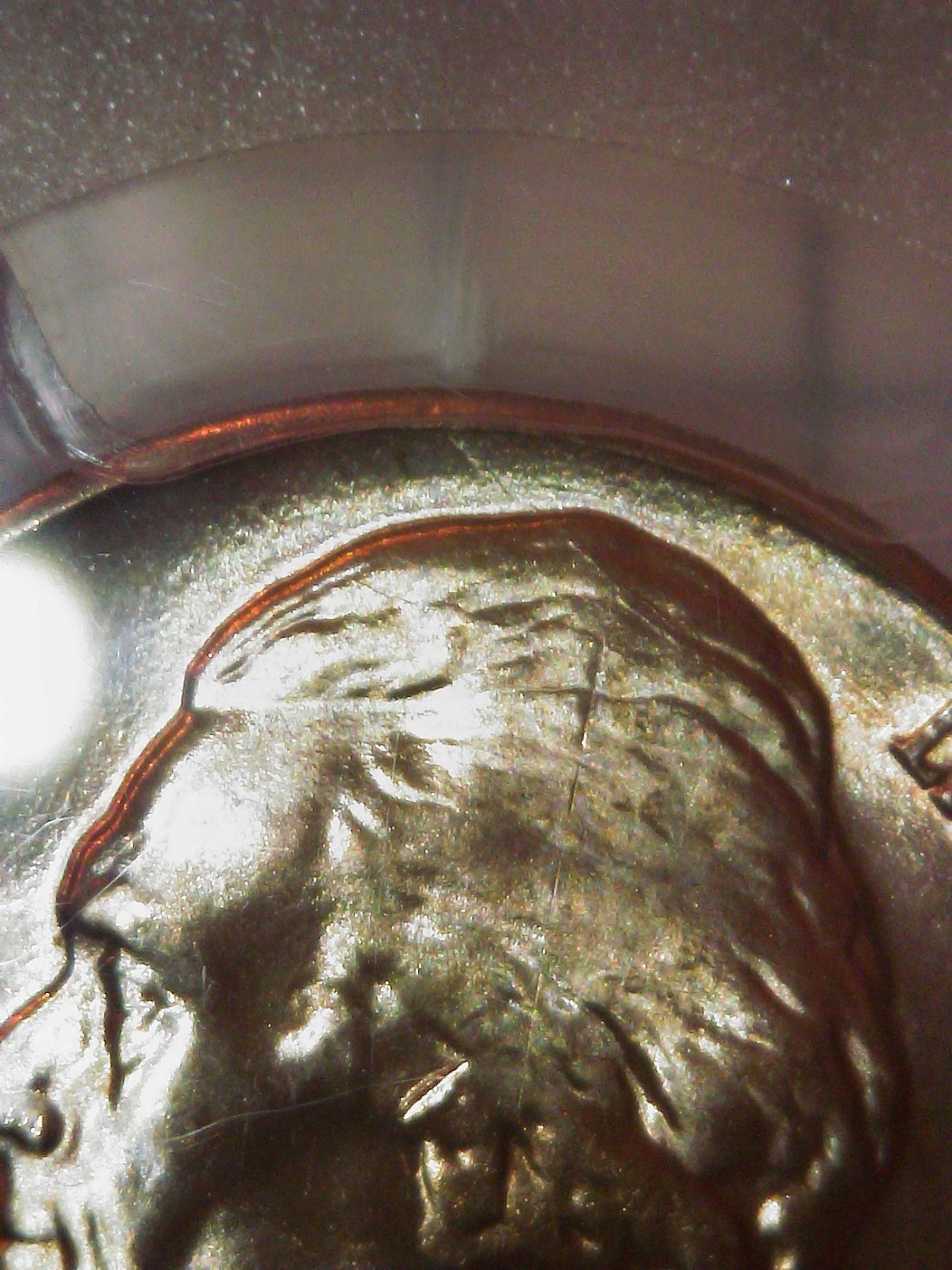
These were the best I could get with my phone and microscope. Also, the crack is the horizontal line from the rim at 12:00 ish. The big vertical line appears to just be a scratch.
|
|
Moderator
United States
108458 Posts |
Nice pictures, thanks. That anomaly definitely looks incuse to me. Most likely a strike through, but what is a good question.
|
| |
Replies: 29 / Views: 2,268 |





 First Page


 Posted 03/20/2022 3:28 pm