| Author |
 Replies: 10 / Views: 1,382 Replies: 10 / Views: 1,382 |
|
|
Valued Member
United States
172 Posts |
Hey Everyone, I ran into this penny recently and wanted to get your opinion on it. The reverse is in great crisp condition while the obverse is extremely weak and mushy. There also appears to be a bit of a crack that runs up the right side of the rim on the obverse. Let me know if you think this is struck through a late stage die cap, a grease error, PMD, or possibly something else. Thanks for the help! 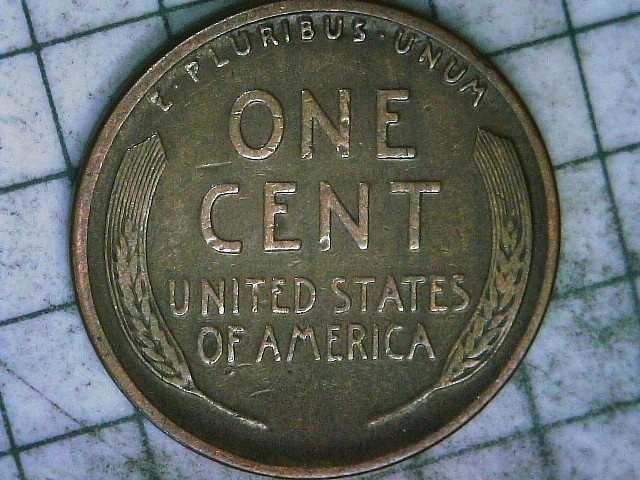 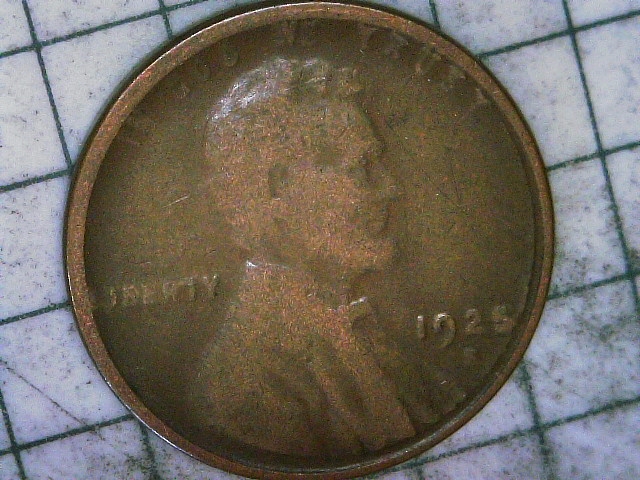 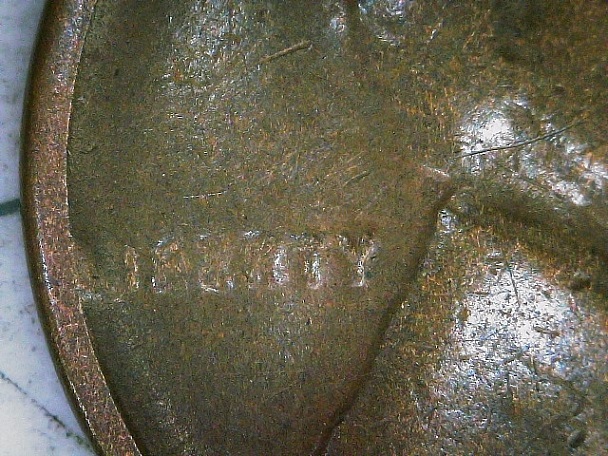 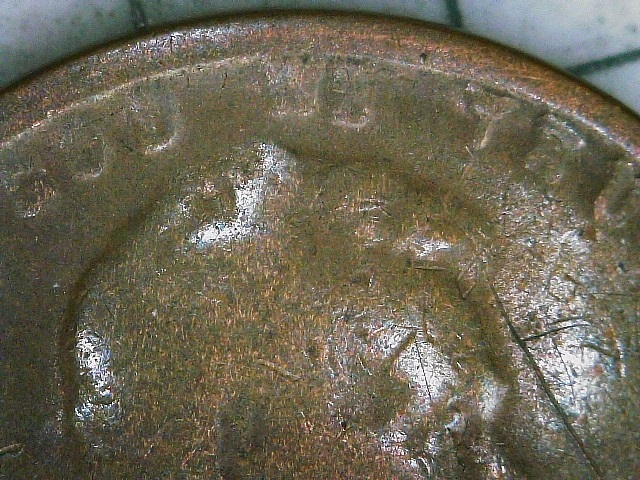 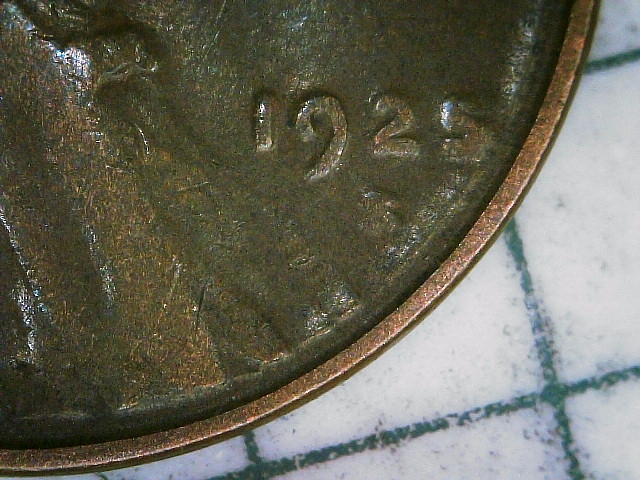 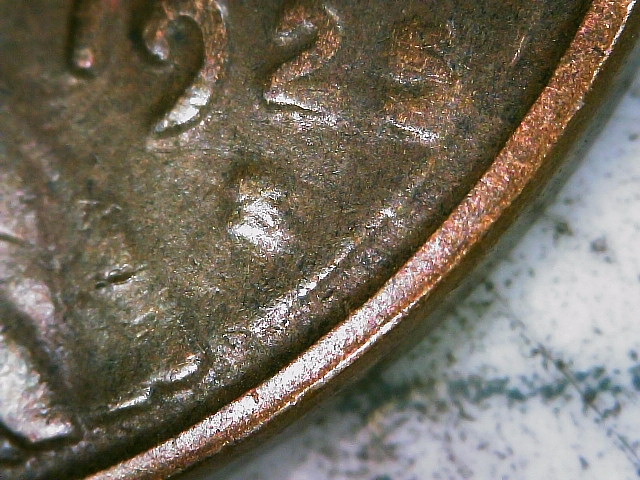 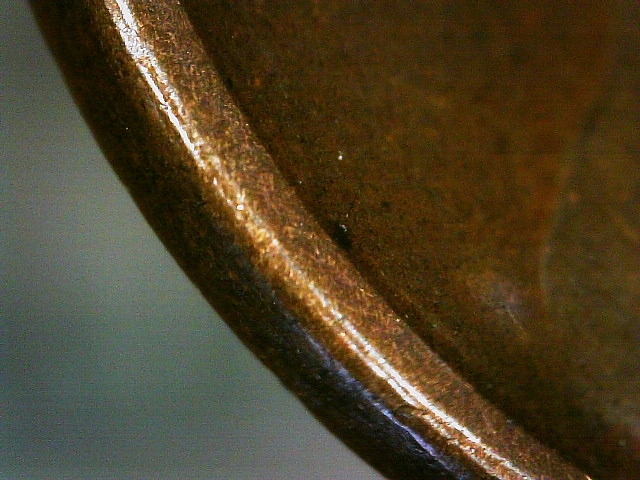 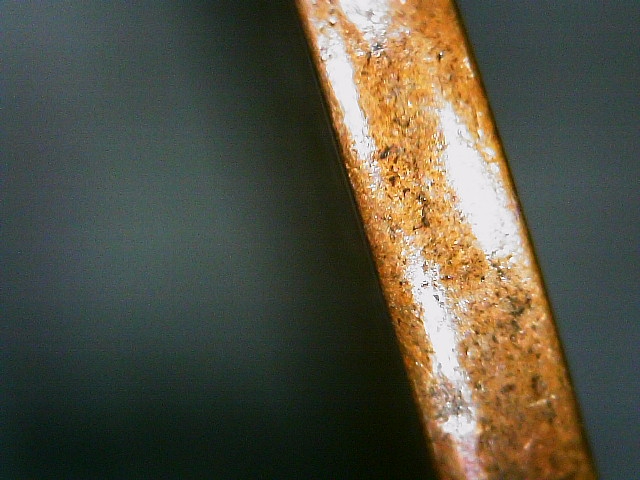 |
|
|
|
Bedrock of the Community
United States
94367 Posts |
I think the obverse was just struck from a very worn die, common for branch mint issues of this era.
|
|
Moderator
 United States
56855 Posts |
I agree, that or grease. John1  |
|
Valued Member
 United States
172 Posts |
|
|
Pillar of the Community
United States
7174 Posts |
 with the Frog. They did that a lot in the 20s |
|
Pillar of the Community
United States
586 Posts |
Quote:How can you tell the difference of a struck through late stage die cap and a Struck Through Grease error? Error-Ref has an example of LMC pennies struck through a late stage die cap and it looks similar to the one I have: http://www.error-ref.com/struck_thr...age_die_cap/I'm trying to get better at recognizing the differences between errors. The easiest way to tell the difference is to look at the inside of the rims, where the design/fields and the rim meet. On a coin struck with a Grease Filled Die the rims will always be fully struck. On a die cap, not so much. The die cap covers part or all of the sharp edges of the die, producing a more flattened, rounded rim junction and also tends to affect the rim unevenly, depending on exactly how the cap is sitting on the die. When grease is involved the rim will be unaffected. Notice the three examples in the link you provided all have some portion of the obverse rim showing weakness (partially) while the reverse rims are clean and unaffected? |
|
Valued Member
United States
354 Posts |
I was thinking a grease issue myself.
|
|
Valued Member
United States
172 Posts |
HGK3 thank you so much for providing that information! It's a really helpful diagnostic I'll use moving forward. I do have a follow-up question. Do all STDCs exhibit that issue with the rim? The 1987 penny referenced on this page seems to have a fairly well formed rim: http://www.error-ref.com/capped-die...ling-raised/In addition, when scoping the rim on my coin a bit closer I noticed what I initially thought was a crack is actually raised. It looks almost like finning but I've never seen finning on a coin exhibited that far away from the rim. What could cause something like this? 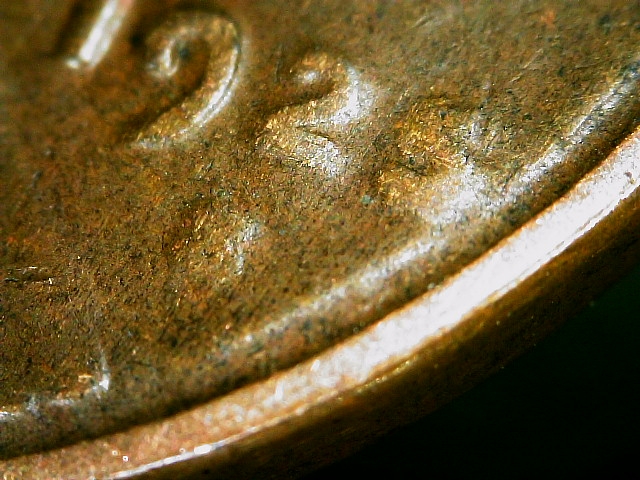 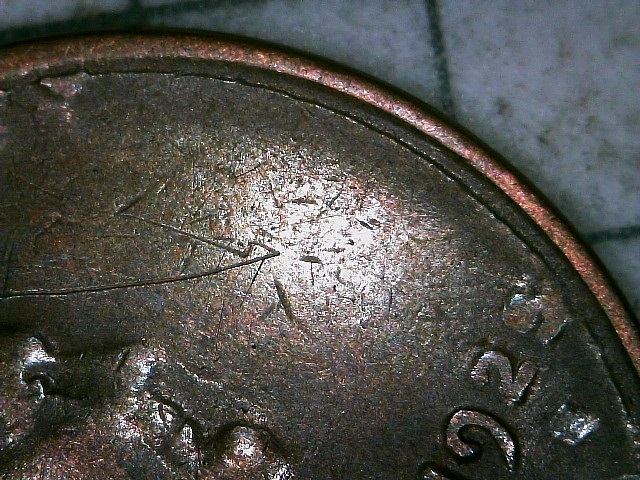 |
|
Bedrock of the Community
United States
94367 Posts |
Grease would not uniformly affect the entire design like this. It's just a worn die.  |
|
Moderator
United States
34538 Posts |
@crh, that circumferential raised region looks like Ridge Ring, another indication of this coin having been struck from a tired die. "If you climb a good tree, you get a push."
-----Ghanaian proverb
"The danger we all now face is distinguishing between what is authentic and what is performed."
-----King Adz
|
|
Valued Member
United States
172 Posts |
Thanks for all the help. This thread has been very informative. I didn't realize a die could be extremely deteriorated on a single side. I especially appreciate the information about the rim diagnostics for STDCs and Die Deterioration ridge rings. Thanks again for taking the time to review the images! |
| |
Replies: 10 / Views: 1,382 |
|







 Posted 04/06/2022 4:09 pm





