| Author |
 Replies: 18 / Views: 2,904 Replies: 18 / Views: 2,904 |
|
Valued Member
United States
157 Posts |
Edited by hewart
05/01/2022 4:29 pm
|
|
|
|
Moderator
 United States
54297 Posts |
Coincidental post mint damage.
Show your financial support of the Coin Community Family (click here)See my topic on Mexican Numismatic Medals (click here) |
|
Valued Member
 United States
157 Posts |
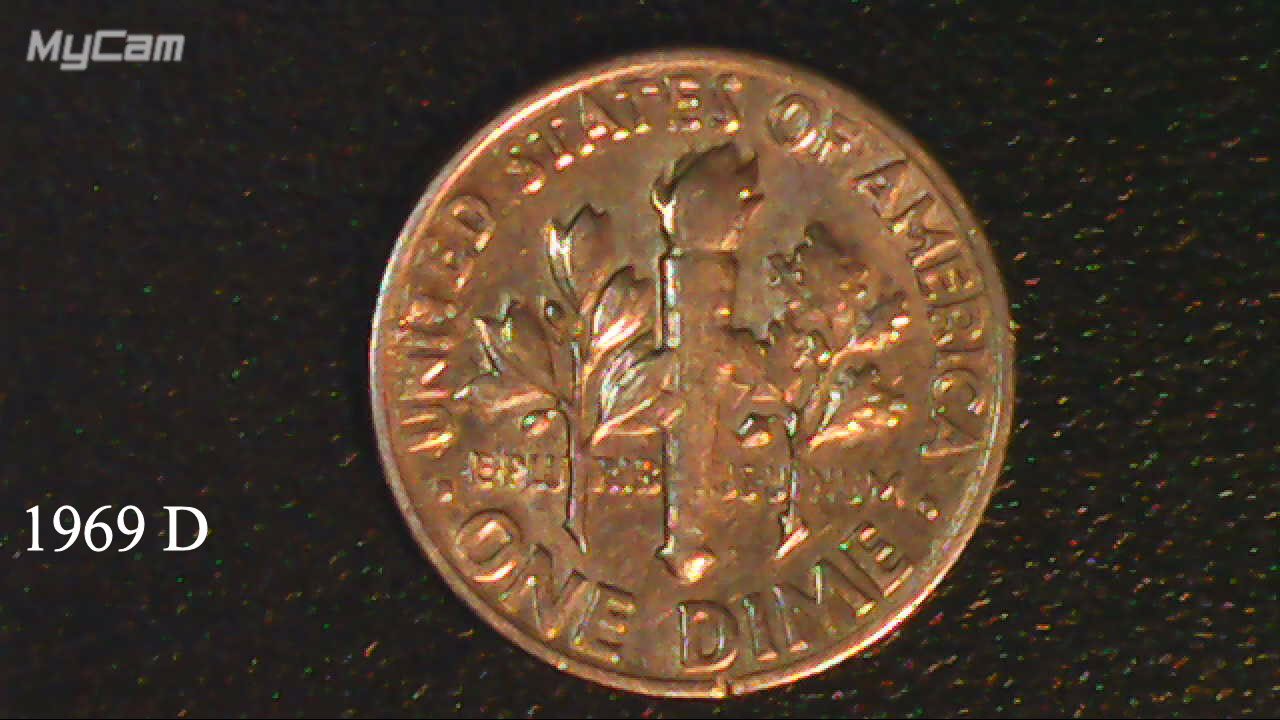
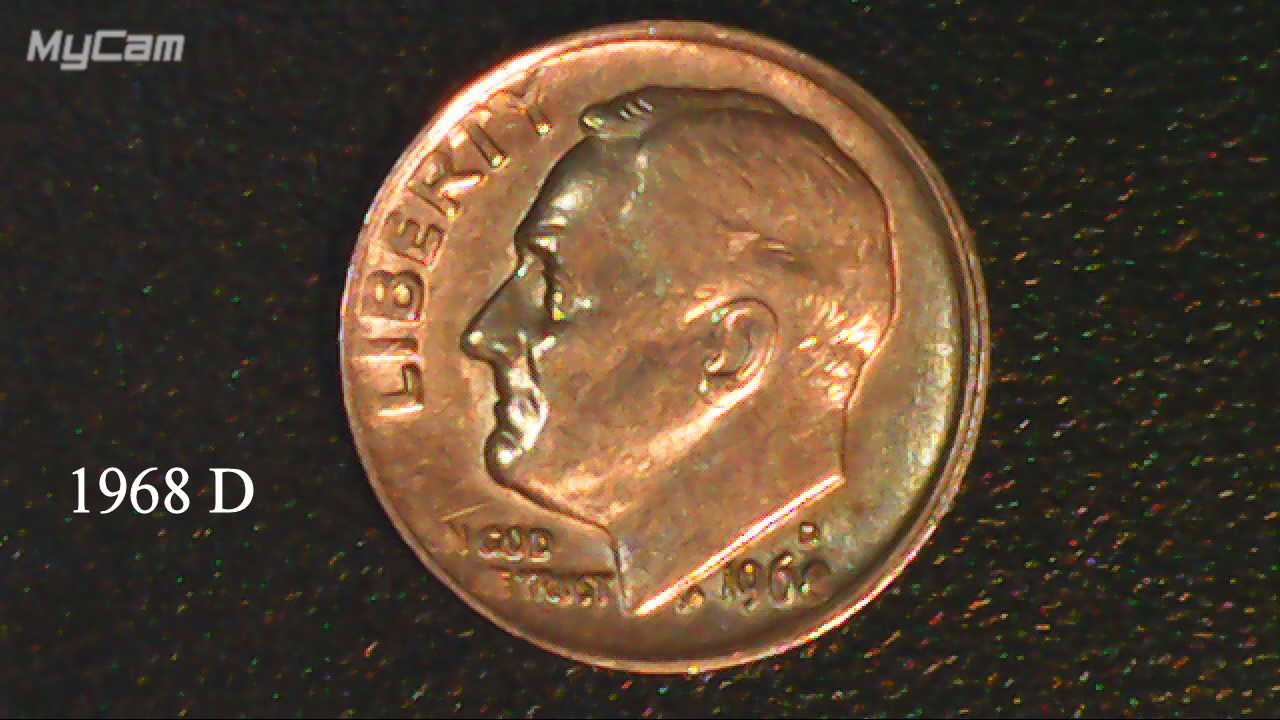
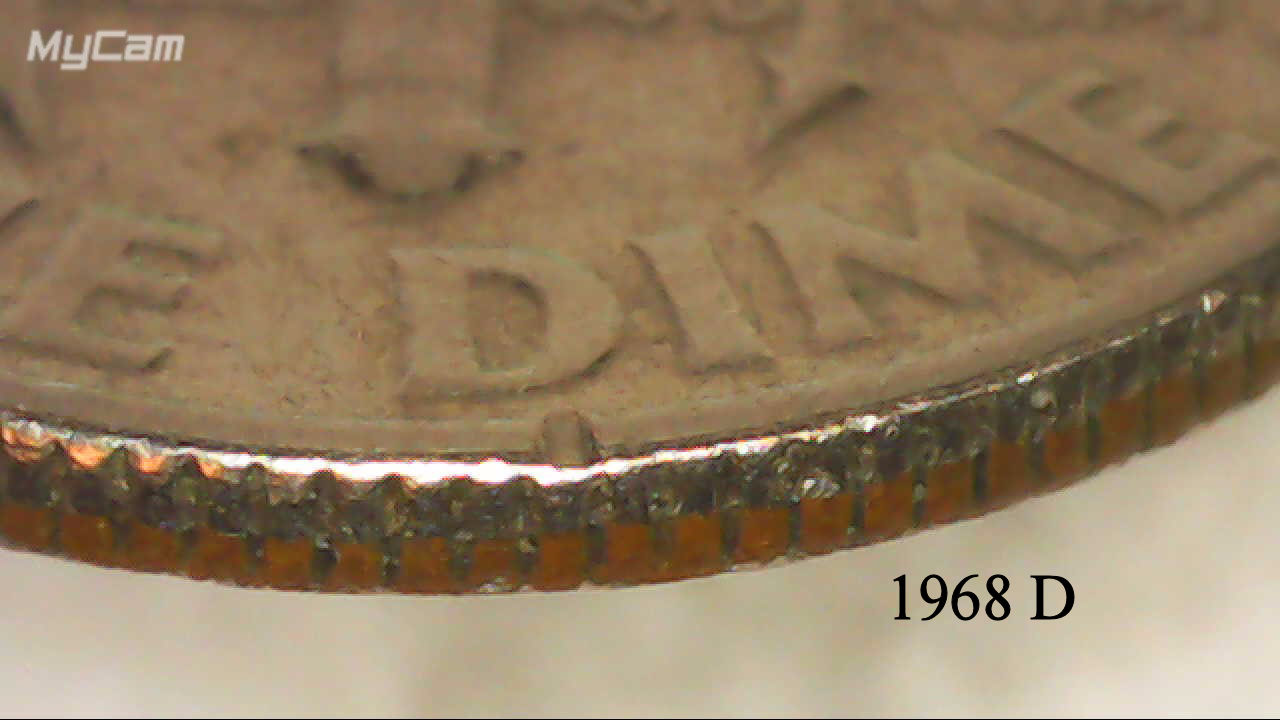
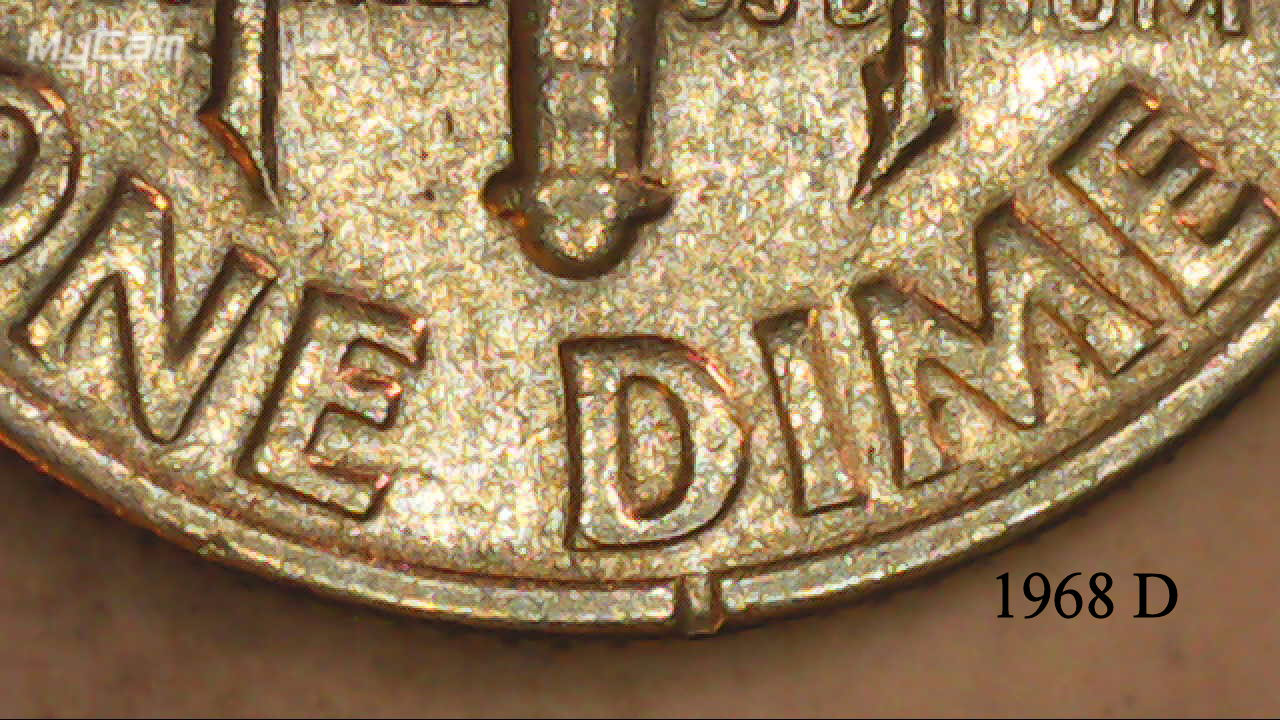
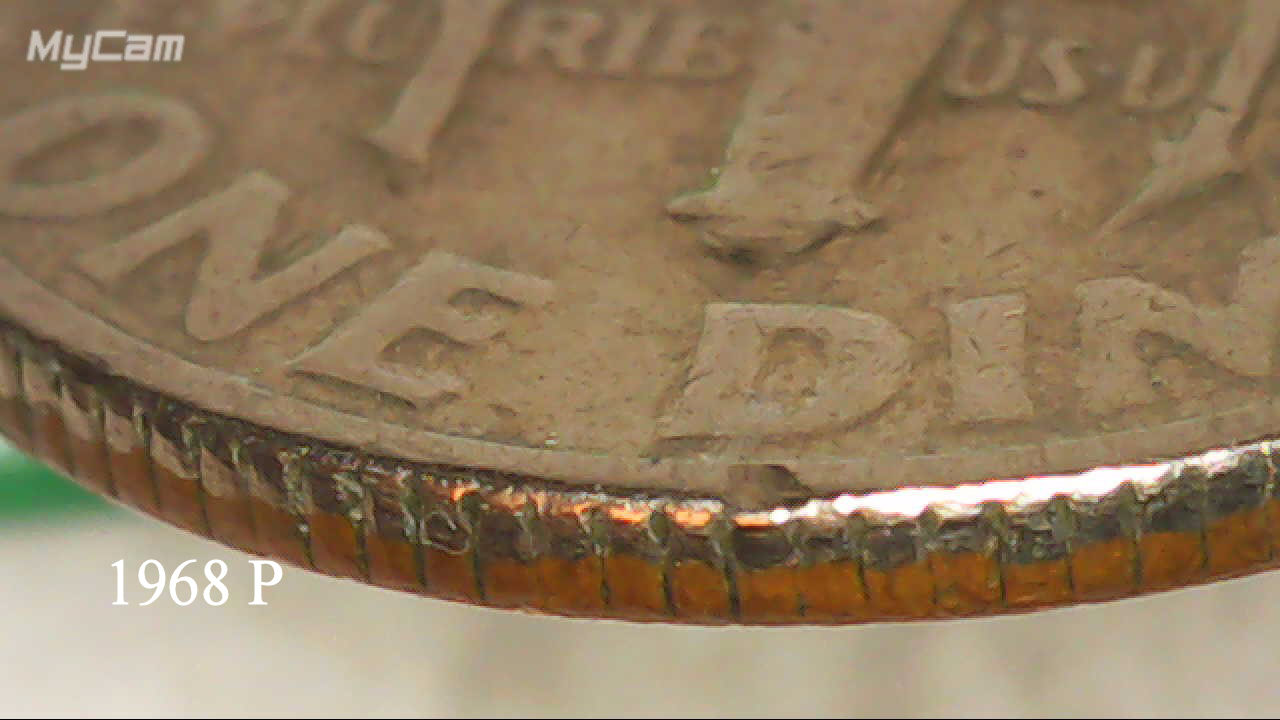
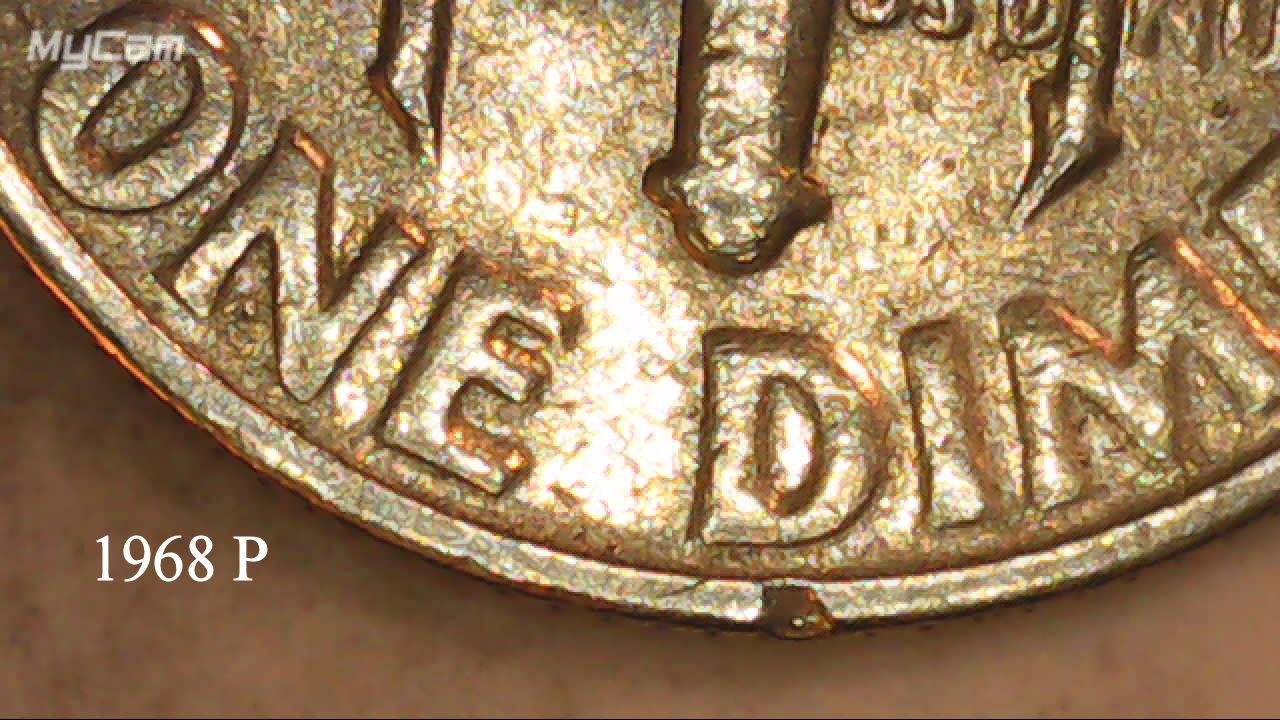
I don't see it. Coincidental post mint damage implies random damage that is not likely duplicated. Both coins have the exact same mark in the exact same position from two different mint locations. It is precise in that the depth and position are extremely close to the rim and does not protrude into the obverse side. I am still researching this and will update if I can find anything to explain it. Thanks for the response.
|
|
Pillar of the Community
Canada
6244 Posts |
Those marks are definitively PMD. The identifier marks on dies was not for business strikes. Even you say are same those PMD are not same. |
|
Moderator
United States
34550 Posts |
For sure these rim gouges are damage, but perhaps @hew is right that there is a commonality to it. I'm thinking of the slanted and sheared letter L in LIBERTY that we see on cents previously used in old fashioned gum ball machines. Perhaps some other machine that accepted dimes indented the rims and we've just never noticed that.
"If you climb a good tree, you get a push."
-----Ghanaian proverb
"The danger we all now face is distinguishing between what is authentic and what is performed."
-----King Adz
|
|
Valued Member
United States
157 Posts |
Thanks Spence. I'm willing to accept any logical explanation. However, unless a machine could turn that coin to the exact same placement before damaging it, kinda hard to see. It could happen but like I said, highly unlikely. Regardless, I shall hold on to both as a unique pattern.
|
|
Moderator
United States
106908 Posts |
Another way to see that this is damage is the way the metal on the edge (the reeded part) is bulging outward from the coin. That cannot happen while it is getting struck - the collar that is in place to form the reeds will ensure that the metal stays put where it is intended to be. A hit after it leave the mint will let the metal bulge out wider than the coin. (see your last picture for clarity, as it shows it best).
|
|
Valued Member
United States
157 Posts |
Thanks dearborn. I agree that this did not happen during the strike. I just think it's so odd that these two coins have this almost identical damage and it no idea how that could have happened. Thanks for the response. I learn a little more each day.
|
|
Moderator
United States
54297 Posts |
The marks are not even close to the same. 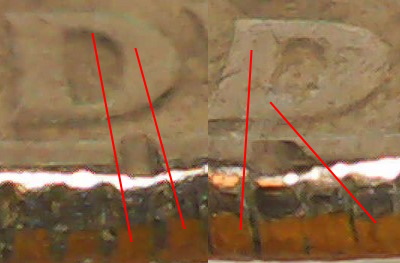 Show your financial support of the Coin Community Family (click here)See my topic on Mexican Numismatic Medals (click here) |
|
Bedrock of the Community
United States
62064 Posts |
It it were a die issue, then the affected area would be raised and not incuse. Damage is incuse 99% of the time. A set of wire cutters were probably used on your coin. The dies do have markers, but not on the face. They have serial numbers that do not show on the strikes. Markers for a coin are on the dies and not damage to the coin. Die markers are used to identify die events on a certain die, that will be raised, not incuse on the coins. Die scratches, Die breaks, Clash marks, Die chips, Die breaks, Cuds, Retained Cuds, Without the variety on a coin, the markers mean nothing. They are like finger pints on a crime scene. They help identify the die state of the variety coin. CoopHome: Why are die markers identified on variety coins? Is there a purpose for this? |
|
Valued Member
United States
157 Posts |
I may have found what these marks are. This is just speculation. I ran across an article about how they test for metal hardness. It appears that they attached a ball of metal to a die and stamped a planchet to see if the metal was too soft or hard. This was very tiny and much like the spot on those dimes. The only example I saw was on a penny. It was on the reverse near the center of the coin. Both those spots on the dime looked concave and similar to the one in the example. If this was the case it would explain how both dimes were so close in placement. While both of those notches were a little different, keep in mind that they were from two different mints and could have been done by different people. Like most of these processes, I'm sure they did not intend for any to get into the hands of the public. However, there is a picture of a penny with this mark on it. Here is a link. https://www.error-ref.com/rockwell-...in-planchet/ |
|
Pillar of the Community
Canada
6244 Posts |
Hardness of the planchet is perform different. The ball you talk about was perform for the anvil and hammers Dies hardness. The tests are not perform on the production planchet. Samples are cut and the hardness will be perform in the Lab facility. Manny folks are around here, but any Metallurgical production Manual will tell you this. So if you want to go further, be my gust, and if you find something please let me know. Also please use legal official Mint reports on the testing, not what x or y say or thinks.
Edited by silviosi
05/04/2022 8:45 pm
|
|
Valued Member
United States
157 Posts |
Silviosi... There seems to very little known about this process. And as far as I have discovered, the hardness of the planchet is the main concern. No one has of yet has been able to give me a reasonable explanation as to what this is. Personal opinion is just personal opinion. I appreciate the responses everyone has given but I am still looking and this is as close as I can get so far. I may never know what caused this but someone does. I'll keep looking and I feel like I'll get an answer eventually. Thank you for your help.
|
|
Moderator
United States
54297 Posts |
Quote:
I'll keep looking and I feel like I'll get an answer eventually. Many people do this. We have given you our opinions. Good luck. Show your financial support of the Coin Community Family (click here)See my topic on Mexican Numismatic Medals (click here) |
|
Bedrock of the Community
United States
62064 Posts |
No need to re-invent the wheel. The rims are just following the pattern set by the die gutter. Contact marks are what you are seeing. If on one side of the rim, a hit from another coin. If seen on both sides opposite each other, wire cutters. 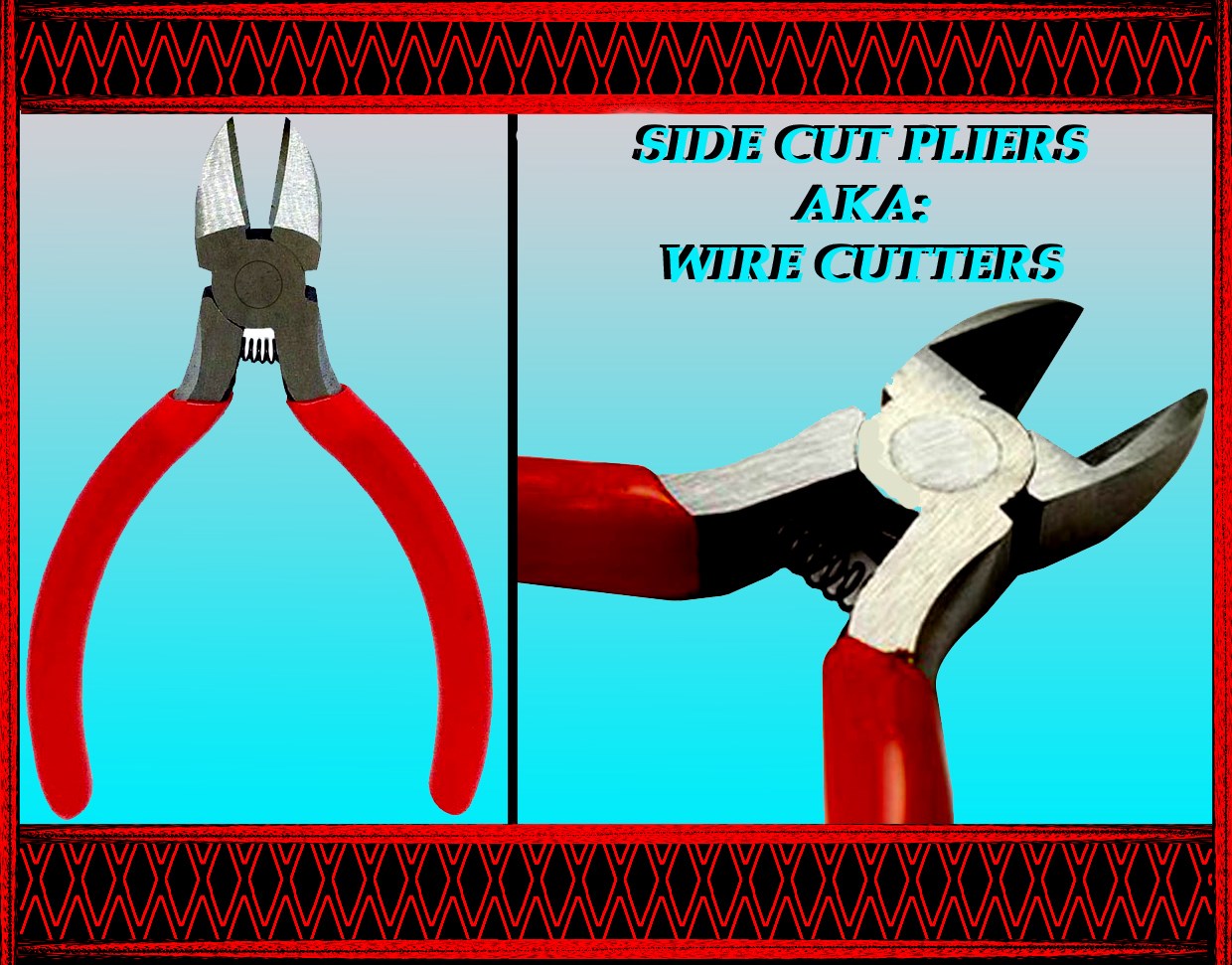 |
|
Valued Member
United States
157 Posts |
Coop... I don't follow your thinking. This mark is only on the reverse. The reed on the outer rim is not disturbed. The mark is concave in its shape. Wire cutters cannot do this. I believe this mark was punched into the coin, most likely after it was stamped. I can see metal pushed pushed out around the edge. If it was done to the planchet before the strike, it most likely would press that material back down to the surface. Is there something I am missing here ?
|
| |
Replies: 18 / Views: 2,904 |












 Posted 05/01/2022 5:37 pm


