| Author |
 Replies: 39 / Views: 9,173 Replies: 39 / Views: 9,173 |
|
Valued Member
United States
79 Posts |
|
|
|
|
Moderator
 United States
34575 Posts |
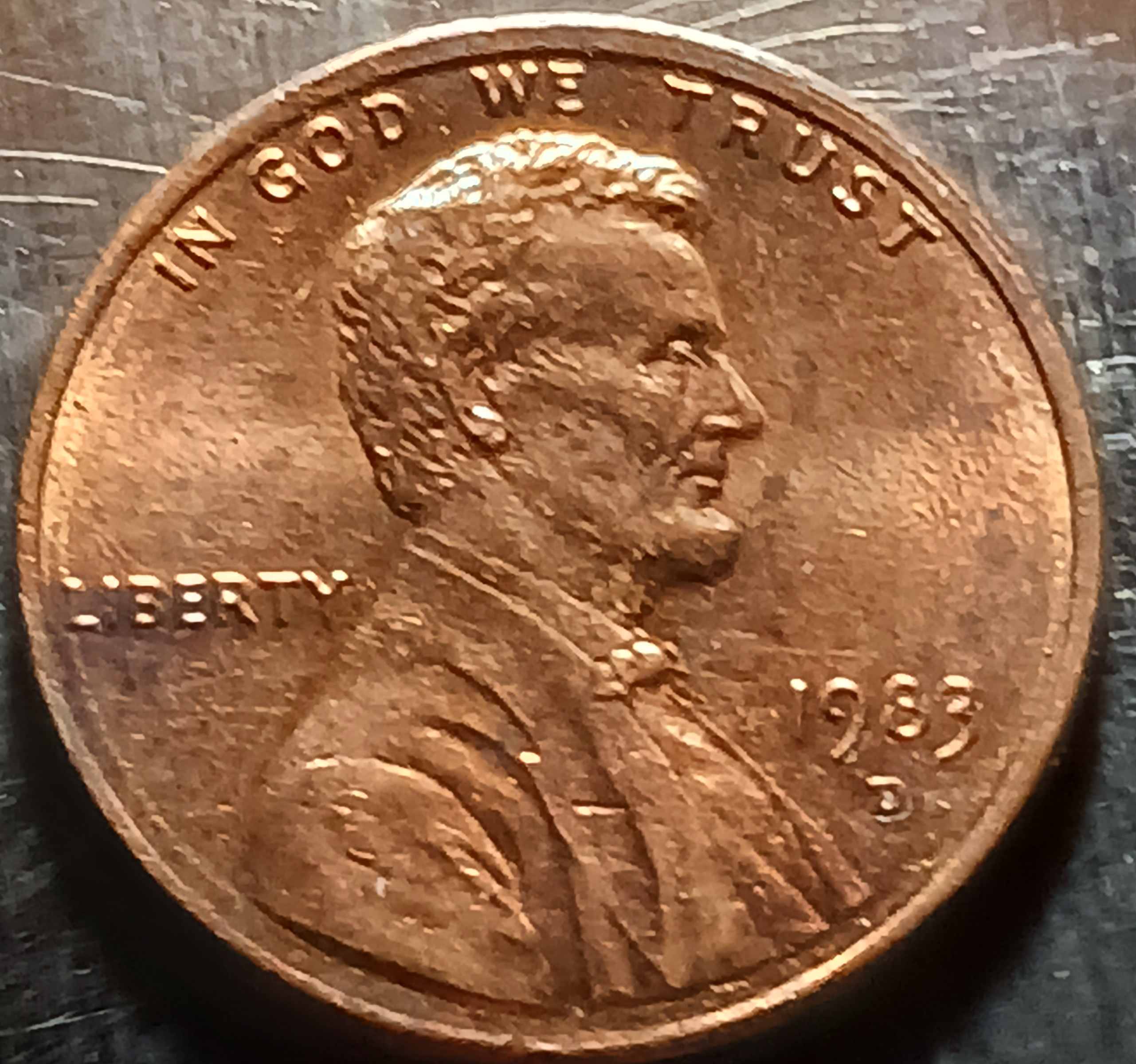
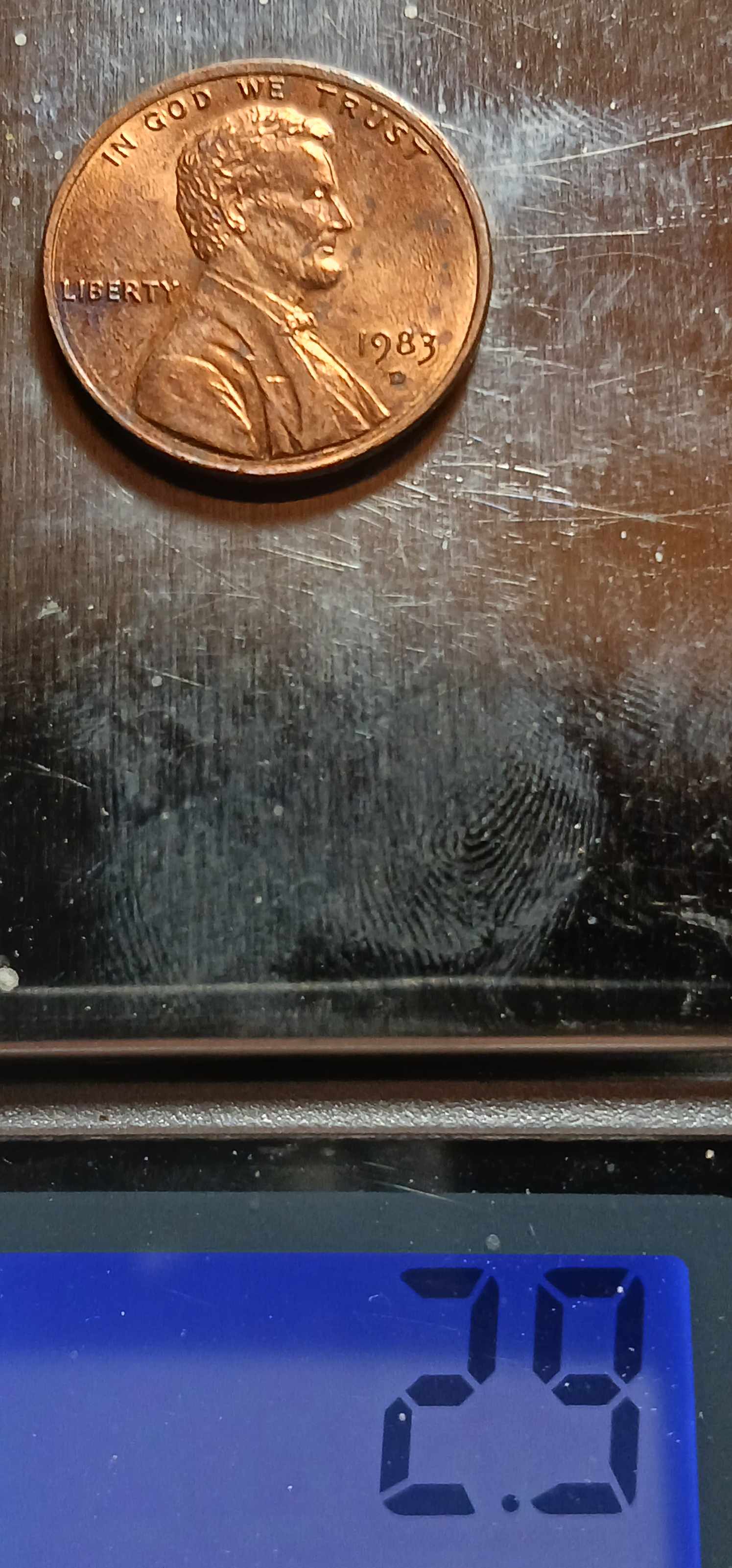
@4q, can you please confirm that your scale weighs copper-plated zinc cents at 2.5 g and older, copper cents at 3.1 g? Also, can you please include a close-up pic of the mintmark? It sorta looks like split plate doubling. Thx.
"If you climb a good tree, you get a push."
-----Ghanaian proverb
"The danger we all now face is distinguishing between what is authentic and what is performed."
-----King Adz
|
|
Bedrock of the Community
United States
94367 Posts |
Weight seems within tolerance.  to the CCF! Edited by Coinfrog
07/15/2022 9:21 pm
|
|
Moderator
United States
110530 Posts |
I was thinking split plating on the MM as well. The coin is within normal range on the heavy side. |
|
Bedrock of the Community
United States
10635 Posts |
 Zinc core CENT, within mint tolerance; showing early split plating. Spend this CENT while you can.  |
|
Moderator
United States
56855 Posts |
+/- .10 grams from 2.5 grams.It is a copper plated zinc core cent. Clean off the scale (seems to have a lot of specks on it) and double check the scales accuracy. John1  Edited by John1
07/16/2022 04:56 am
|
|
Valued Member
United States
98 Posts |
When did .4g over weight become within mint tolerance? I agree with John, clean scale and check to ensure accuracy of the scale on a solid level surface. Easiest to do this is with a clean nickel, which should be an even 5g, if accurate, hit tare and add your cent coin. If still in the 2.9g range or higher, could be a very good day for you!
Cheers, and good luck!
|
|
Pillar of the Community
United States
911 Posts |
If the actual tolerance is indeed +/- .1g, how does 2.9g fall into that range? Is there an error in my math? If the weight is accurate it is closer in tolerance to 3.1 than to 2.5.
Copper 83's have been found. Calibrate the scale, reweigh as suggested, and try for some sharper images.
I have seen hasty replies to be not so correct at times. First opinions are not always right.
|
|
Moderator
United States
56855 Posts |
Quote:
If the actual tolerance is indeed +/- .1g, it is .10 grams not .1 Some even say .13 grams +/- depending on what year the mint tightened up their tolerances. Older cents were .13 and newer cents is .10 John1 Edited by John1
07/16/2022 06:37 am
|
|
Bedrock of the Community
United States
19700 Posts |
A scale capable of display to two decimal places would be advantageous--2.9 could be 2.88, or 2.94, or....
|
|
Pillar of the Community
United States
911 Posts |
What is the difference between .10 and .1? Your allowed to cross out the zero and it still represents 1/10th if I remember my basic decimals correctly.
|
|
Moderator
United States
34575 Posts |
The difference between 0.1 and 0.10 is that with fewer significant digits (the first one), the range of values is much broader. For example, 3.0 +/- 0.1 means somewhere in the range of 2.9 to 3.1, but with rounding is more like 2.85 to 3.14. Also, 3.00 +/-0.001 means somewhere in the range of 2.99 to 3.01, but again with rounding could encompass 2.985 to 3.014.
Using a more precise scale lets you be more sure about the weight of your coins and are a good (and cheap) investment in your hobby.
"If you climb a good tree, you get a push."
-----Ghanaian proverb
"The danger we all now face is distinguishing between what is authentic and what is performed."
-----King Adz
|
|
Pillar of the Community
United States
911 Posts |
I agree with you completely Spence. Yet it still remains a fact that 0.10 & 0.1 have the same value everyday. If there are no 1/100ths in the value the extra zero still means nothing. Yes, a scale that weighs to the 1/100th gram will be ten times more accurate than one that only weighs to 1 decimal point or 1/10. 2.5g is the same as 2.50g. 3.11g is the same as 3.110g.
There is no difference in weight or volume between 0.10 and 0.1. Why must this be so confusing and disputed. They are equal!
|
|
Pillar of the Community
United States
5928 Posts |
Lets see,
2.5 + .13= 2.63 (for the mint tolerance?)
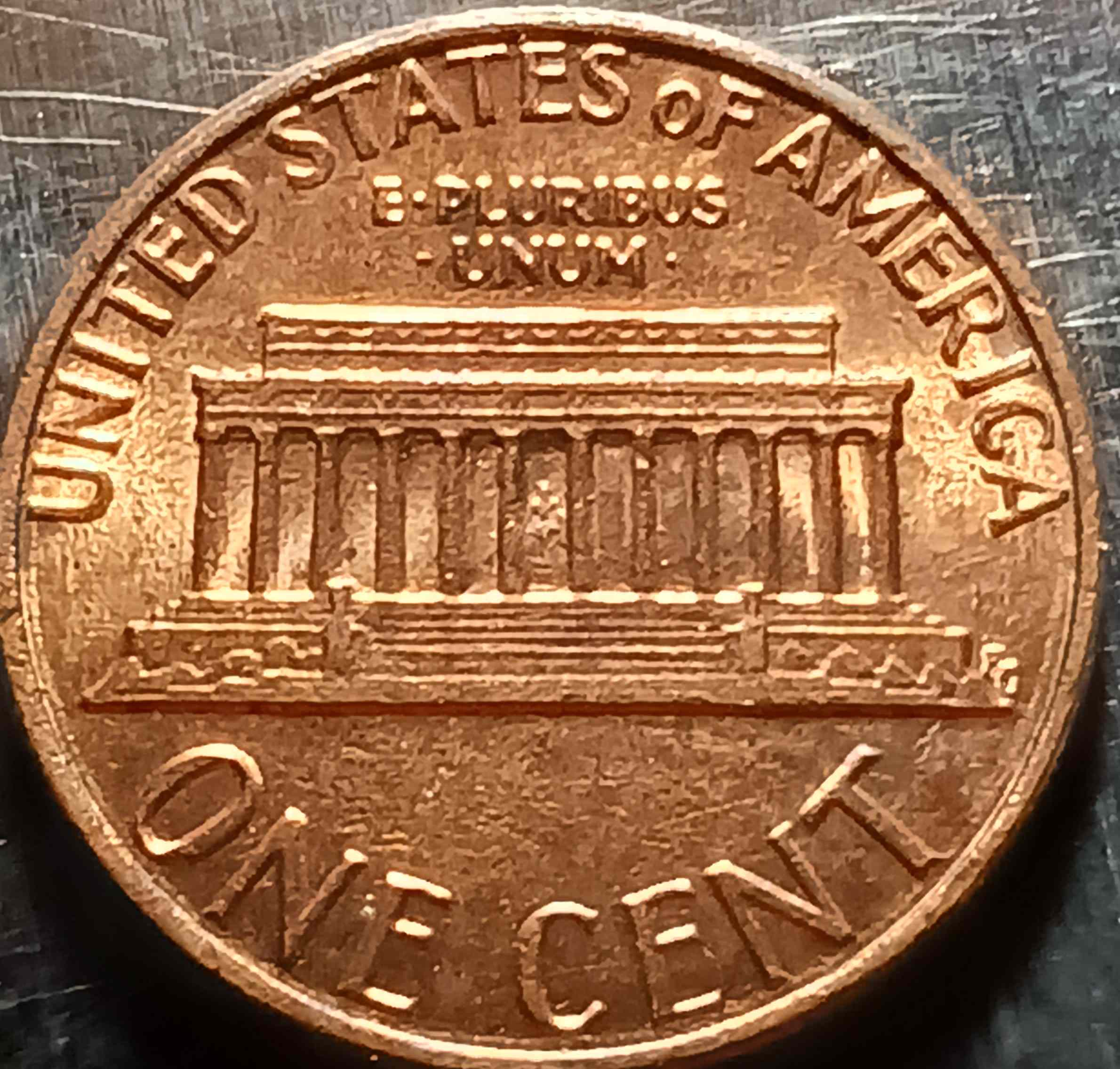
The coin has the looks of a zinc coated planchet (with zinc spots, blisters, and bubbles).
I wouldn't be surprised if the scale might need to be calibrated. If the weight is truly 2.90 grams then it wouldn't fall within mint tolerances for a zinc coated cent.
Best bet would be to get an XRf analysis doen the determine the metal content. (jeweler or pawn shop)
Words of encouragement are one of the major food groups.
We need to consume them regularly to thrive and grow.
|
|
Pillar of the Community
Canada
3328 Posts |
It does have the look of a zinc planchet, the photos aren't great but a clear close up with less light could show more. Zinc cents are easy to make out for the most part even without weight. It could be a think zinc planchet?
|
|
Pillar of the Community
United States
911 Posts |
Yes it does appear to be a zinc cent. Looks can be deceiving. XRF would determine as would a more accurate scale which can be purchased relatively cheap especially compared to the value of a 1983D copper cent.
Ones interest in numismatics demands the need for an accurate scale to at least 1/100th accuracy in multiple scales such as ounce, Troy ounce, carat, grains, etc. Very affordable and imperative. And calibrated often.
That would eliminate much of the unnecessary discussion in matters such as this one.
And still, no one rescinds their earlier statements.
OP, just get a better scale and keep it clean and calibrated. Learn the tolerance of different denominations and do simple math. There is much you can learn on your own.
|
| |
Replies: 39 / Views: 9,173 |






 Posted 07/15/2022 9:18 pm





