| Author |
 Replies: 17 / Views: 2,137 Replies: 17 / Views: 2,137 |
|
New Member
United States
9 Posts |
I am an avid collector of antiquities, but recently decided to add some coins to my collection. I have some familiarity with ancient Greek and Roman coins simply because I have happened across them a number of times when picking up pieces for my collection. Typically I purchase only from reputable, known dealers, but I took a chance and purchased a small collection of Roman coins and a Spanish coin on Catawiki from a seller by the name of Lucernae located in Spain. I can spot a fake piece of pottery or artifact from a number of long-lost cultures, and some of that knowledge seems to apply well to ancient coins, but I will admit I am a little out of my domain. Some of the Roman coins seem to be of questionable authenticity upon close inspection. A few of them have very fine details preserved on the face of the coin, but the edges show significant wear. A few of them are very thin but have very good surface detail. The Spanish coin in particular makes me a bit suspicious. It has exceptional surface detail with a particularly deep/pronounced relief yet the coin is essentially paper thin. Any advice or input regarding the authenticity of these coins would be greatly appreciated. 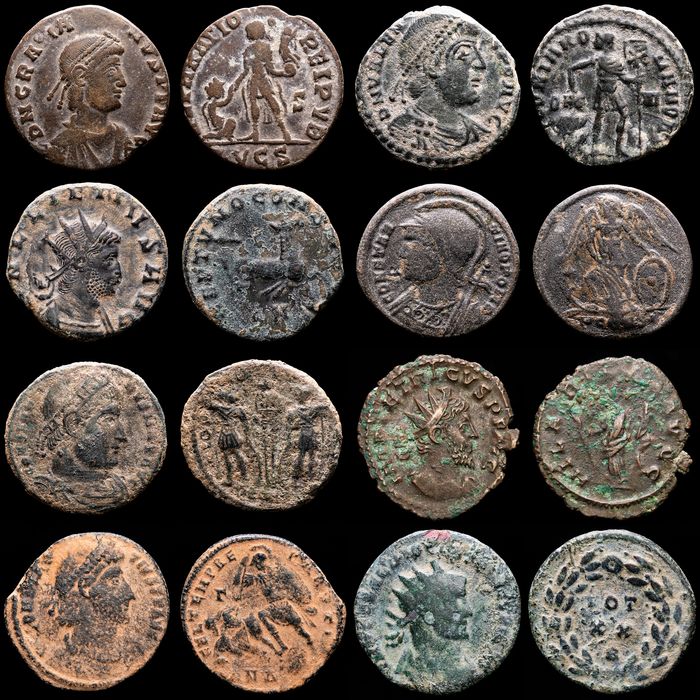 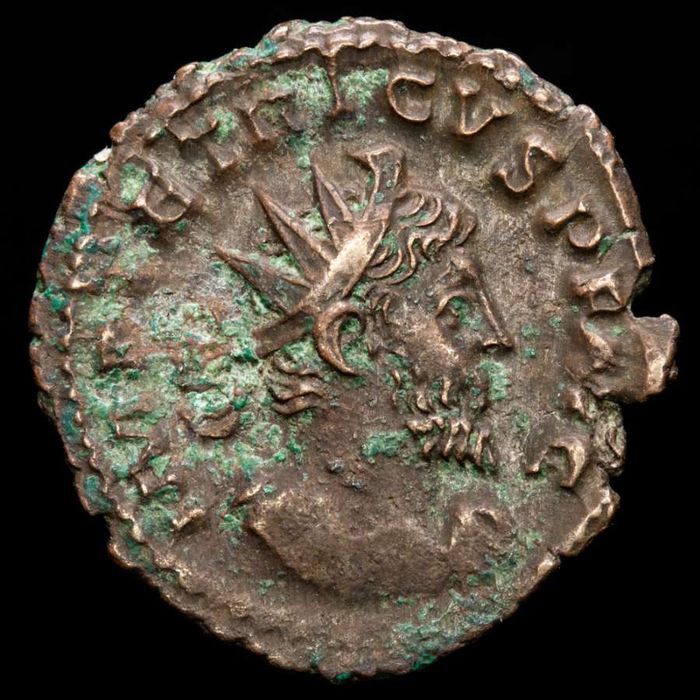 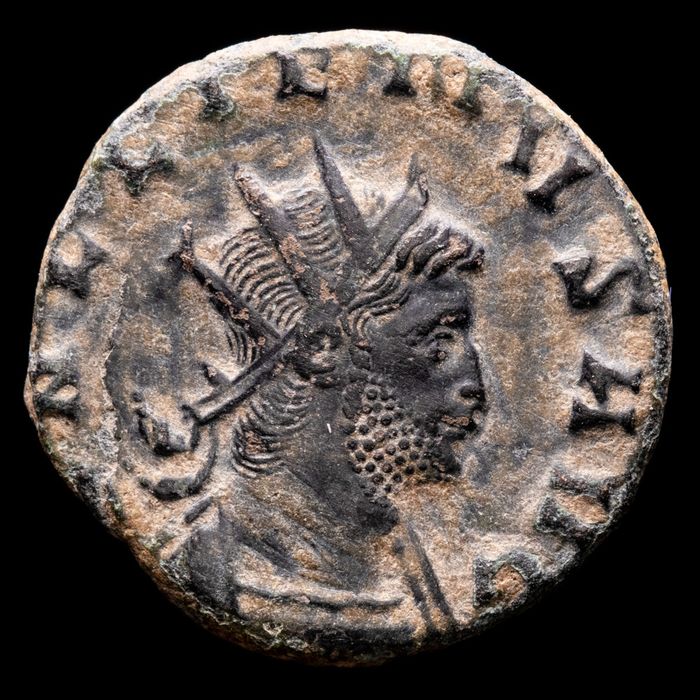 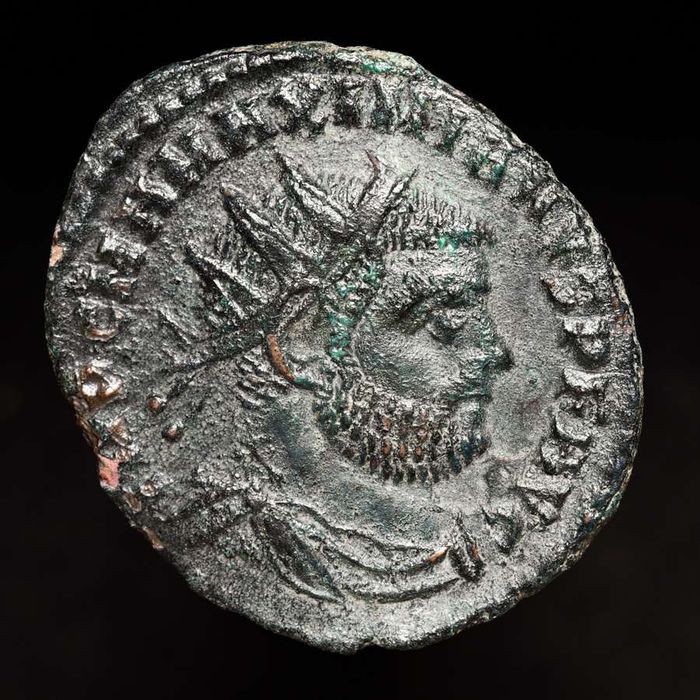 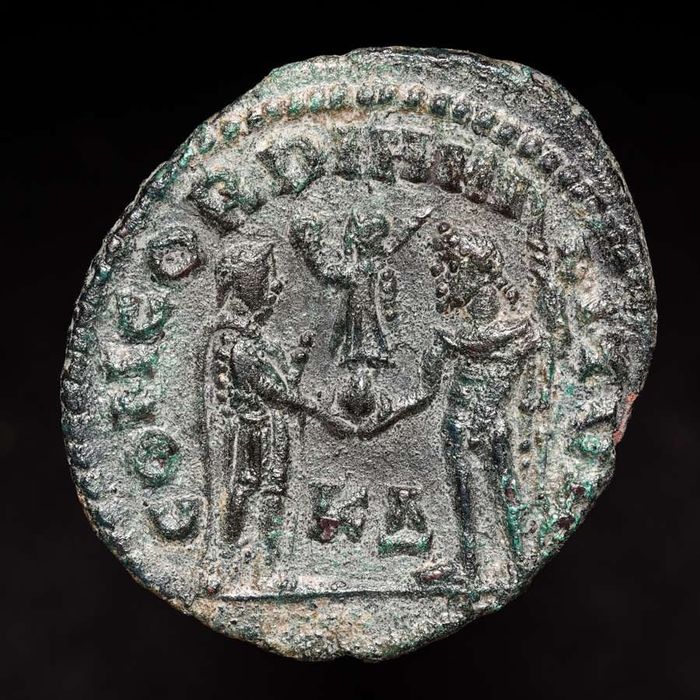 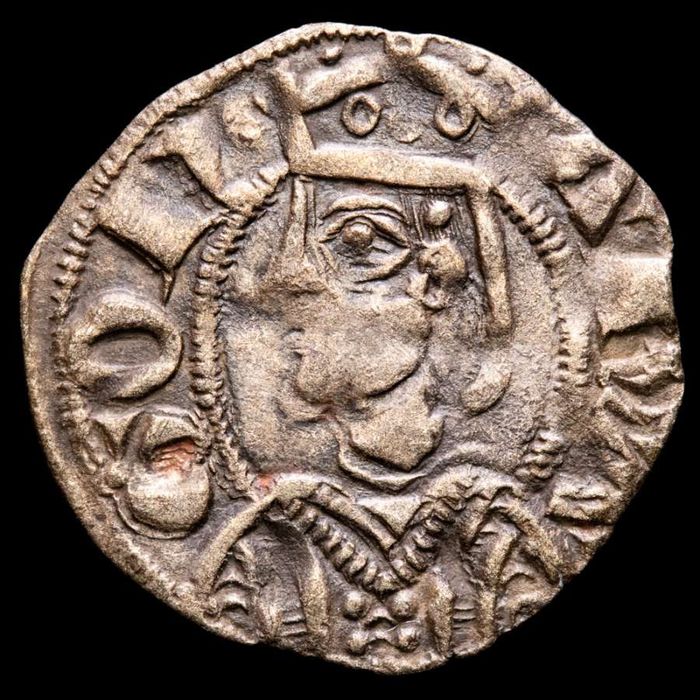 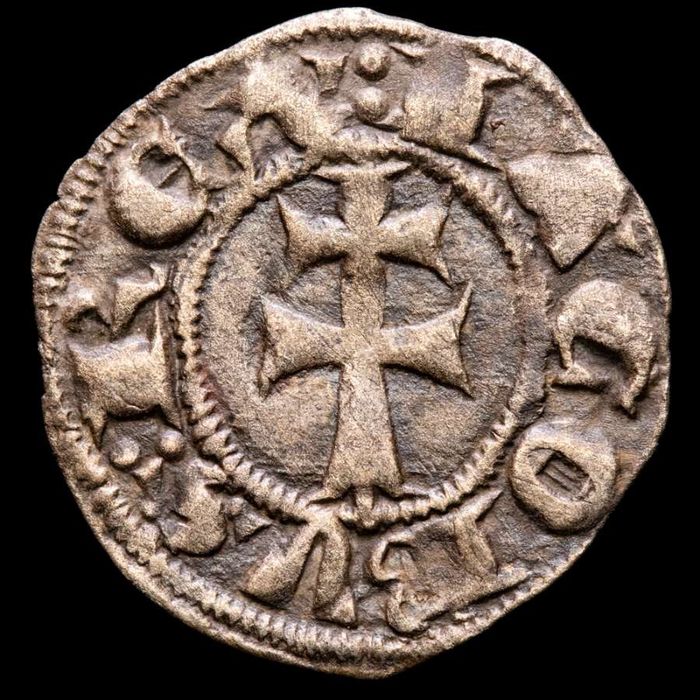 Edited by QuamNumis
08/25/2022 01:53 am
|
|
|
|
Pillar of the Community
 United States
5713 Posts |
I don't know enough about ancient coins to comment, but I'd like to compliment you on your photography!
|
|
Pillar of the Community
United States
1046 Posts |
Hi Quam.
I don't know anything about Spanish coins but in my opinion, all of the Roman Imperial coins are authentic.
|
|
New Member
 United States
9 Posts |
@Zurie - I appreciate the compliment but I cannot take credit for the photography, that was all courtesy of the dealer who sold them to me. I couldn't even begin to photograph them so well.
|
|
New Member
United States
9 Posts |
As I understand it, old Spanish coins are sometimes unusual in shape or thickness because so many coins were melted down and remade into multiple coins in some of the more remote Spanish territories. Is this true?
|
|
Pillar of the Community
Sweden
2124 Posts |
The Spanish coin is either a dinero (if weighing around 1 g) or an obol (if around 0.3 g) and either Jaime I (1213-76) or Jaime II (1291-1327), made of billon (low-grade silver). It looks fine and authentic to me.
Uneven shape and thickness is normal for medieval coins due to them being manufactured by hammering. The same goes for Roman coins, and that their edges can be rough and uneven in shape even though the coin surfaces look fine is also normal and a consequence of the manufacturing process.
|
|
Moderator
 Australia
16963 Posts |
The "Spanish coin" is mediaeval, not ancient. And "paper-thin" is normal for mediaeval coins.
To be more specific, it's a silver denaro of a king Jaime (IACOBVS REX around the patriarchal cross) of the Kingdom of Aragon (ARA-GON around the portrait). I don't know the series well enough to tell if it's a coin of Jaime I (AD 1213-1276) or Jaime II (1291-1327), but apparently these ones with the patriarchal cross are normally attributed to Jaime II.
The Roman coins all look fairly typical of "genuine" Late Roman Bronzes.
Don't say "infinitely" when you mean "very"; otherwise, you'll have no word left when you want to talk about something really infinite. - C. S. Lewis
|
|
Moderator
United States
56855 Posts |
|
|
Pillar of the Community
United Kingdom
725 Posts |
They are real. Catawiki is like ebay, but Lucernae are on VCoins. Edited by JohnConduitt
08/25/2022 06:34 am
|
|
Bedrock of the Community
United States
94367 Posts |
Excellent photography indeed.  to the CCF! Edited by Coinfrog
08/25/2022 08:47 am
|
|
Moderator
United States
194606 Posts |
to the Community! |
|
Pillar of the Community
United States
2327 Posts |
Welcome! Your coins look authentic to me. But be careful buying ancient or modern coins. Lots of fakes out there. Lucernae is a good dealer. I've bought ancient coins from him for years.
Edited by livingwater
08/25/2022 09:11 am
|
|
Pillar of the Community
Russian Federation
5186 Posts |
I see nothing suggesting that any of these coins are anything but real. Thin but high relief is common for ancient coins, and outright normal for medieval coins, like your Aragon dinero.
The Roman coin at bottom right of the compilation pic looks intriguing - do you have better pictures, especially of the portrait side?
|
|
New Member
United States
9 Posts |
Thanks all for the helpful responses. I am pleased to hear that my instincts lead me correctly when purchasing these coins based on the photos. I was just unprepared for how thin a few of the coins were when I examined them in person.
|
|
New Member
United States
9 Posts |
Quote:
I see nothing suggesting that any of these coins are anything but real. Thin but high relief is common for ancient coins, and outright normal for medieval coins, like your Aragon dinero.
The Roman coin at bottom right of the compilation pic looks intriguing - do you have better pictures, especially of the portrait side? @january1may - here you go 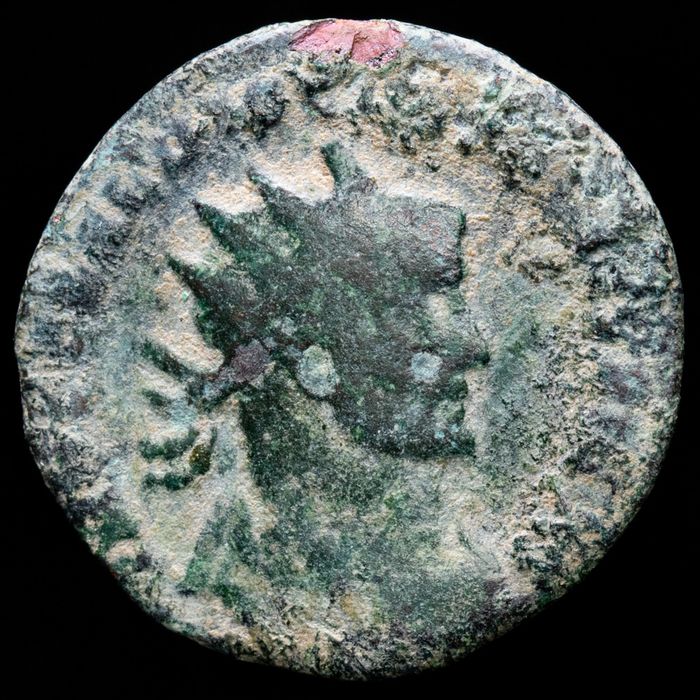 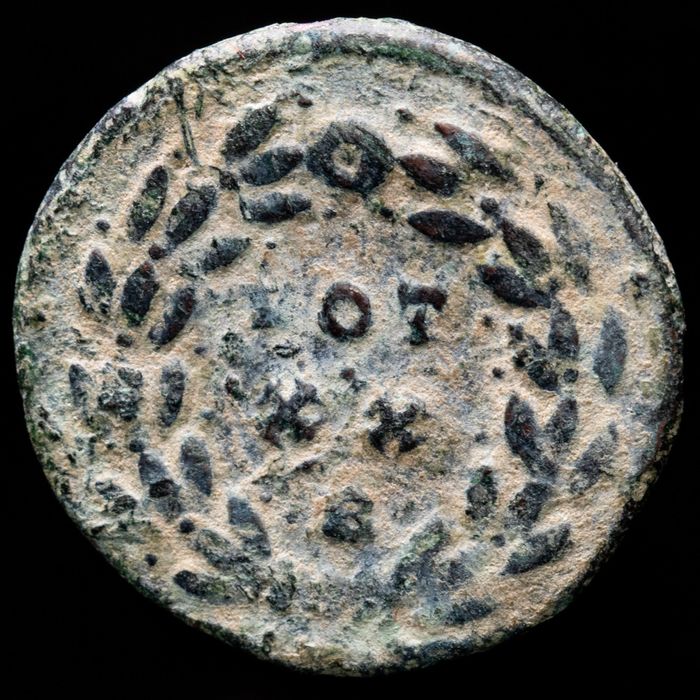 |
|
Pillar of the Community
Spain
2752 Posts |
Agree with @sap...Here's mine.. 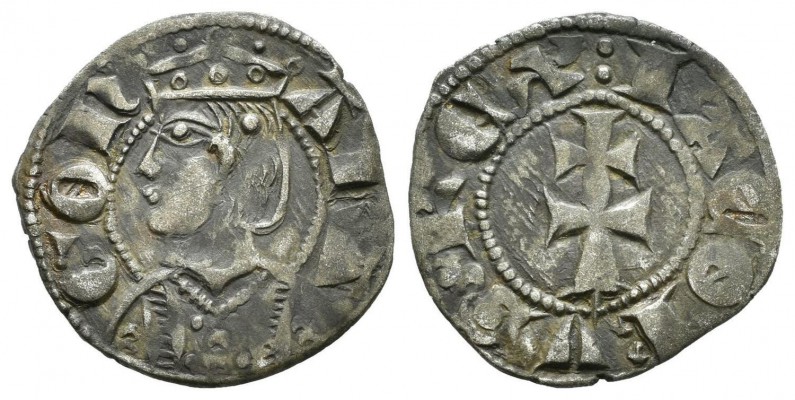 Jaime II Aragon 1291-1327 Dinero (Billon) Approx 18mm diameter - 1.17gr Obverse - Crowned portrait facing left..Legend around ARA - GON Reverse - Double cross..Legend around IACOBUS REX Mint Jaca...Cru-364 Nice group of authentic coins.. |
| |
Replies: 17 / Views: 2,137 |










 Posted 08/24/2022 11:43 pm


