Sorry, a couple of things:
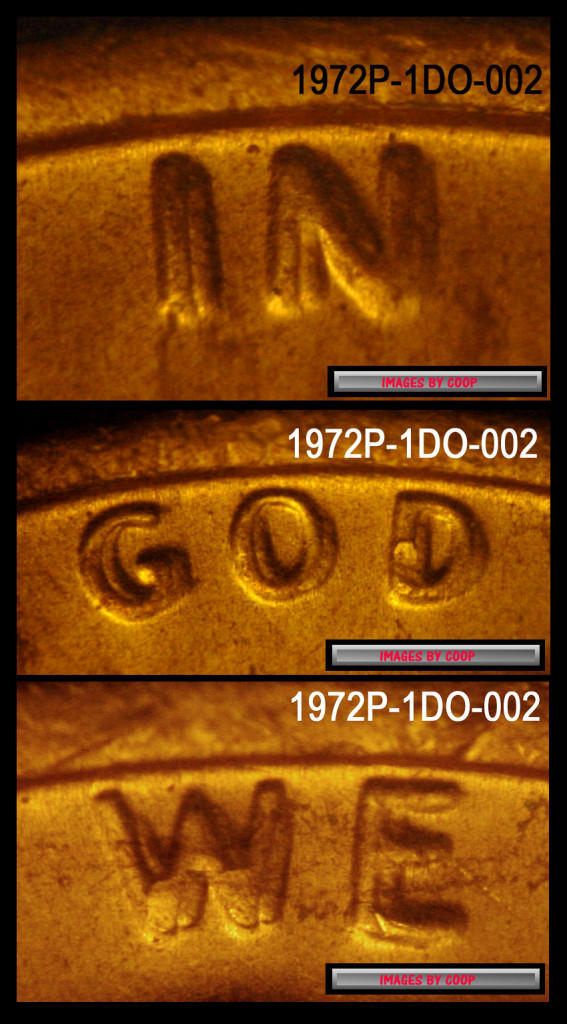
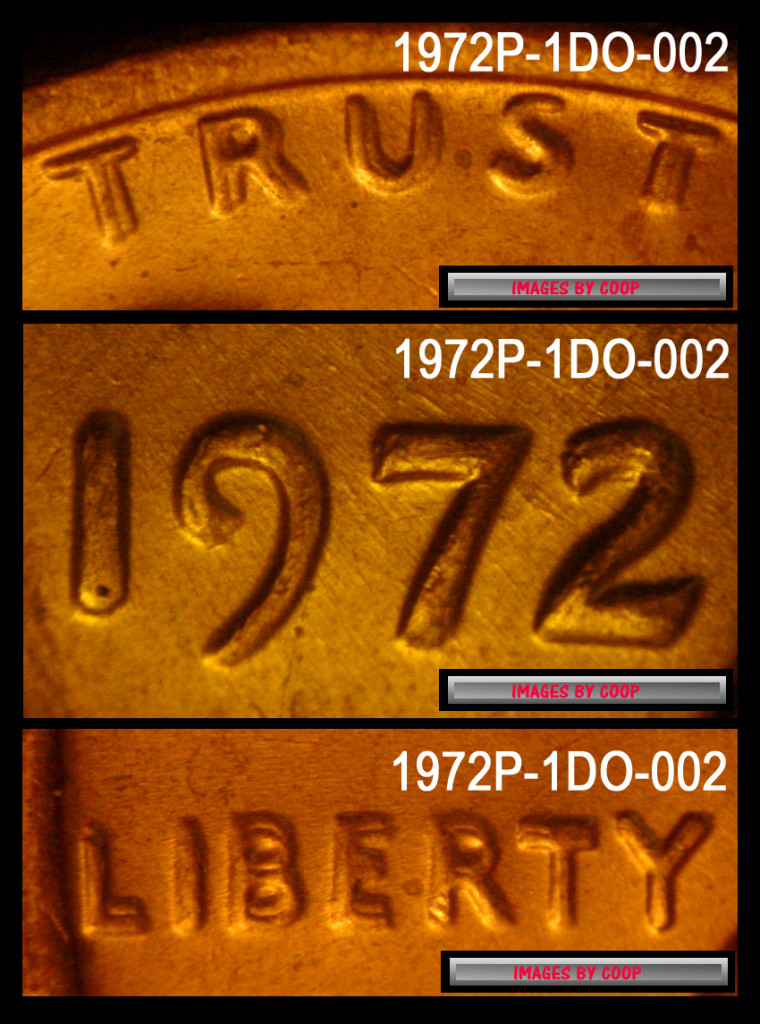
First the disappointment - this is not a doubled die
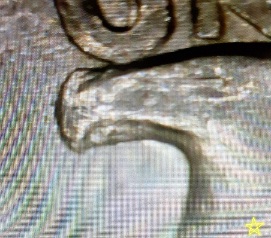
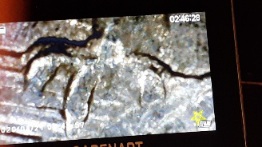
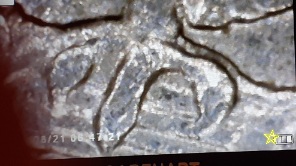
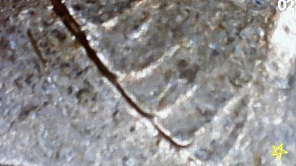
Second: See the interference lines on your pictures which make it difficult to see the details you can see when you look at your microscope screen? Those interference lines are caused by taking a picture of a computer/microscope screen and very bad for helping trying to supply a good answer for you.
But...
You can still use microscope pictures by taking a screenshot and uploading that instead or, if your microscope does not plug into the computer, then it likely has a slot to save the pictures on a USB and then post them from there.
Third: If you want to shoot/hunt a whitetail deer, you need to know what a whitetail looks like (vs. a mule deer, black tail etc.). The same goes for actual, collectable coin errors, you have to know what a coin error actually looks like before trying to find one.
The same with coins.
Most odd looking things on coins are just post mint damage (
PMD)
Save Yourself time, effort, and disappointment...don't learn the coin hobby backwards. 
Looking for random anomalies on coins and hoping they match up to something collectable will take you a lot more time, wasted effort, and disappointment repeatedly finding out you have nothing but post mint damage or useless
Machine Doubling,
Die Deterioration, etc.
Spend some initial time at places like error-ref.com, doubleddie.com, varietyvista.com, conecaonline.org, coppercoins.com etc. to find what actual and collectable coin errors look like.
A good way to start is, for instance, separate a bunch of pennies by date. Go to varietyvista.com and, date by date, use the reference there to see what errors are known for that specific coin/mint mark. Look for those specific errors/varieties using the pictures provided. After doing this for awhile you will KNOW what an actual error looks like and not have to waste time on face value and damaged coins.
And as long as I have written this book...I am hoping one more point may help as well:
Fourth:
While they make a great tool for looking over a lot of coins, until you can identify legitimate errors, a microscope takes people down the road of disappointment time after time.










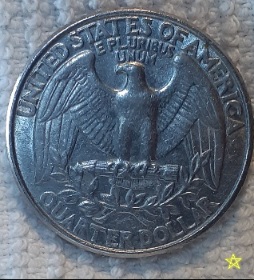
 (yay me) I love it. It enabled me to see this 1997 D quarter(25 cents) that turns out to be a doubled die on the reverse. My pics is of the beak, the shoulders, each claw, and then an image of what looks to be an extra set of feathers below the left wing (left being your left looking at the coin). My question is,is the condition of the coin in its entirety, good, bad, or just down right ugly.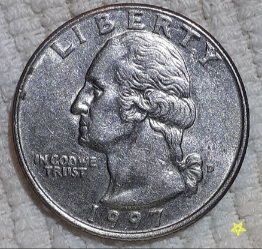


 Posted 10/23/2022 2:40 pm