| Author |
 Replies: 51 / Views: 2,287 Replies: 51 / Views: 2,287 |
|
|
|
Pillar of the Community
United States
8535 Posts |
Oregon coin geek.....*** GO BEAVS ! ! ! ***
|
|
Bedrock of the Community
 United States
18942 Posts |
Quote:
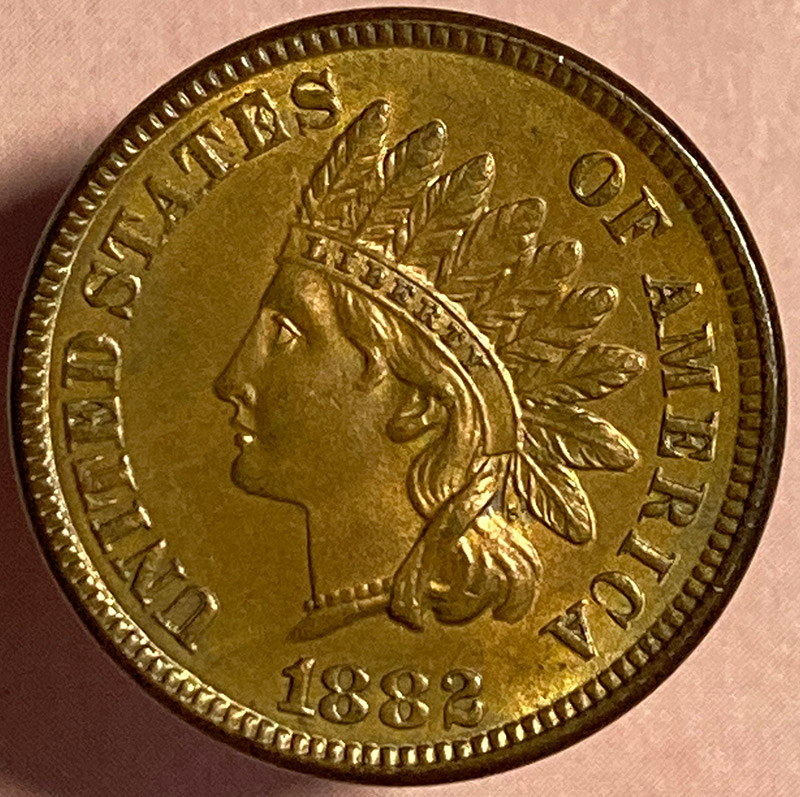
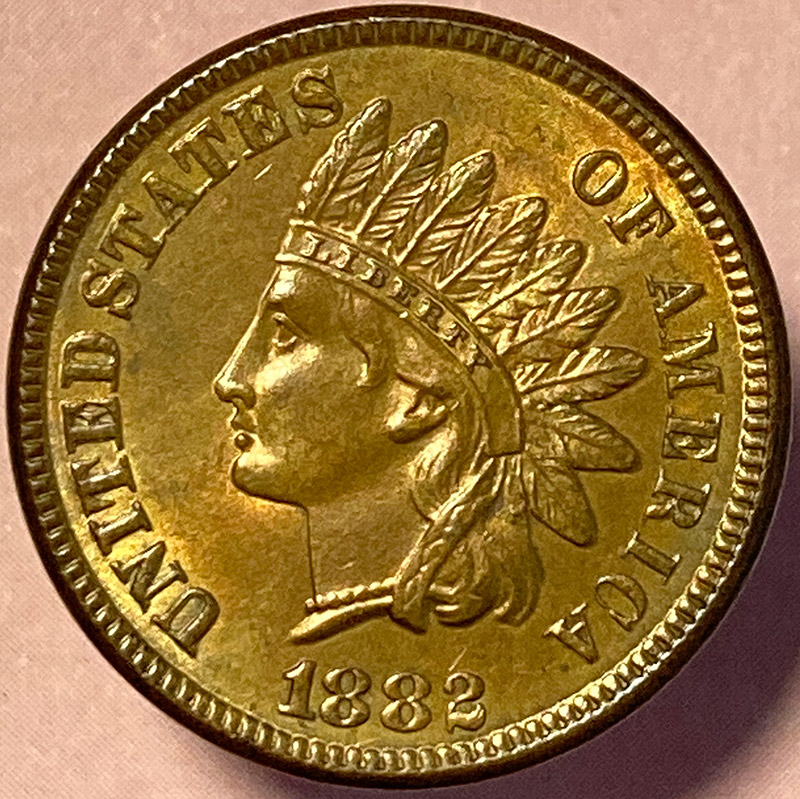
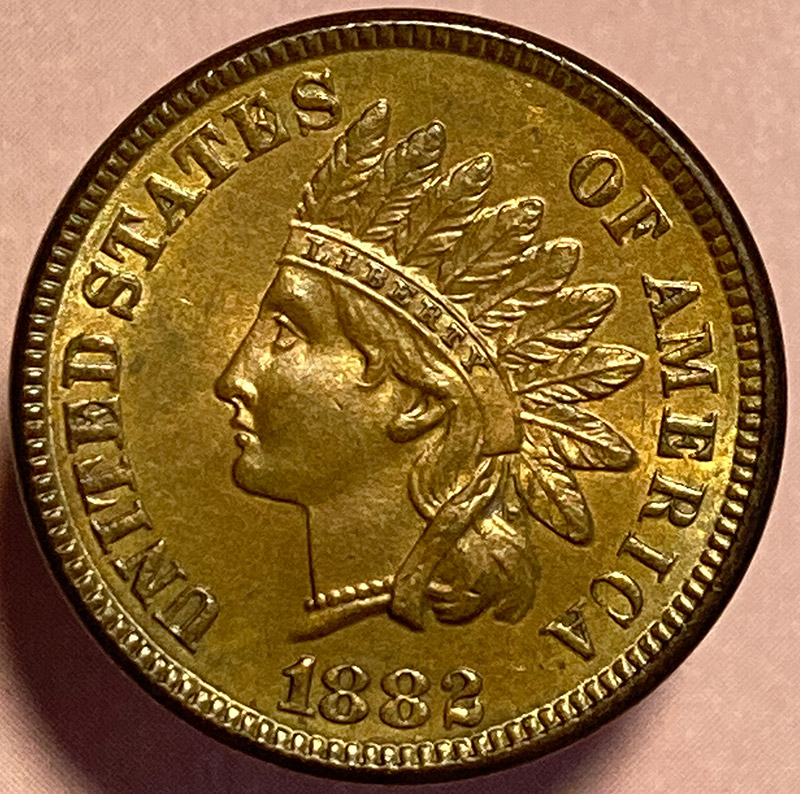
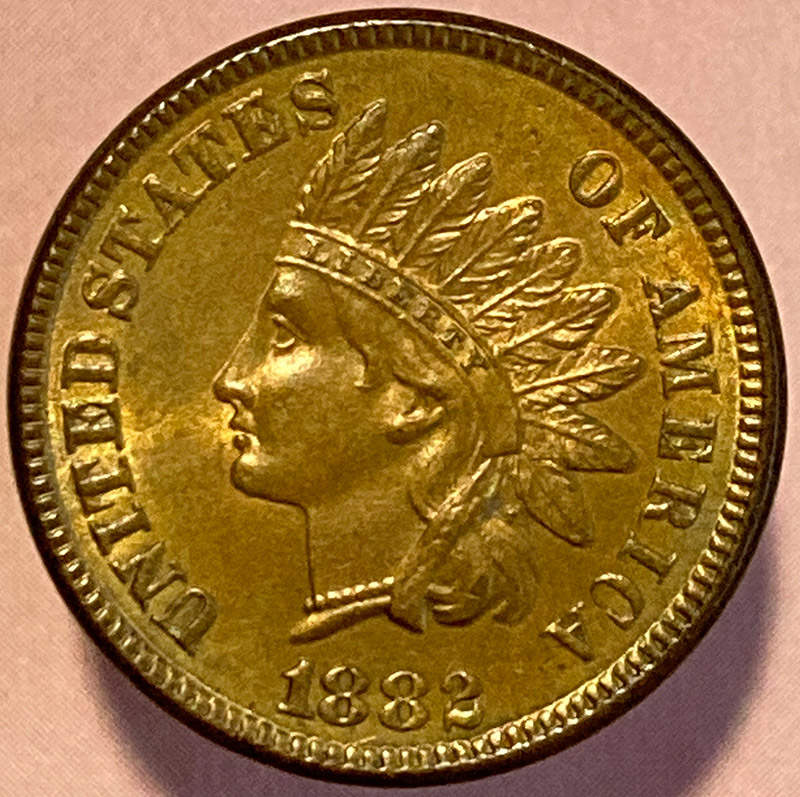
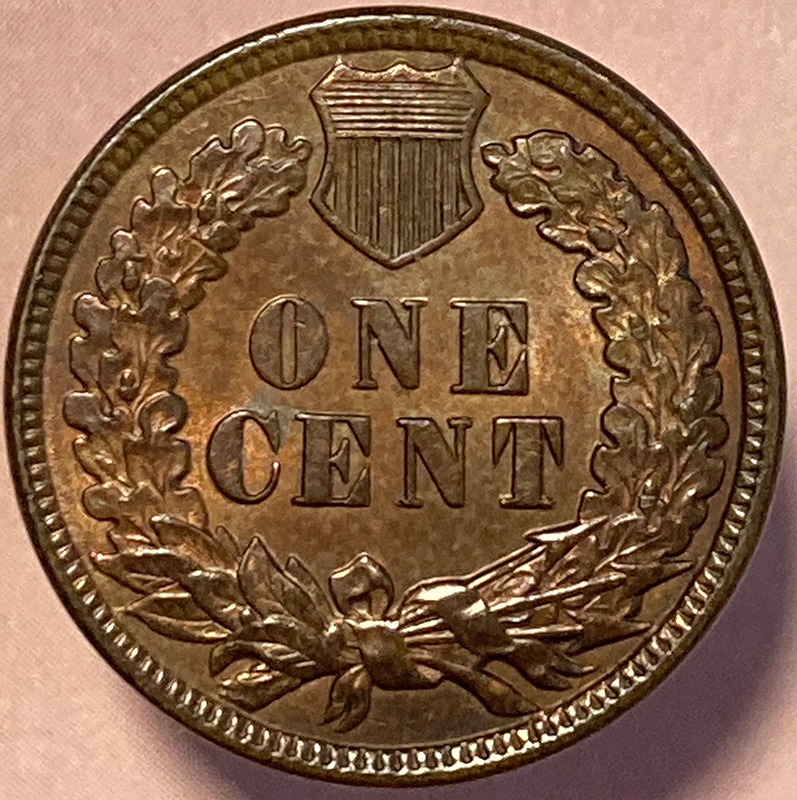
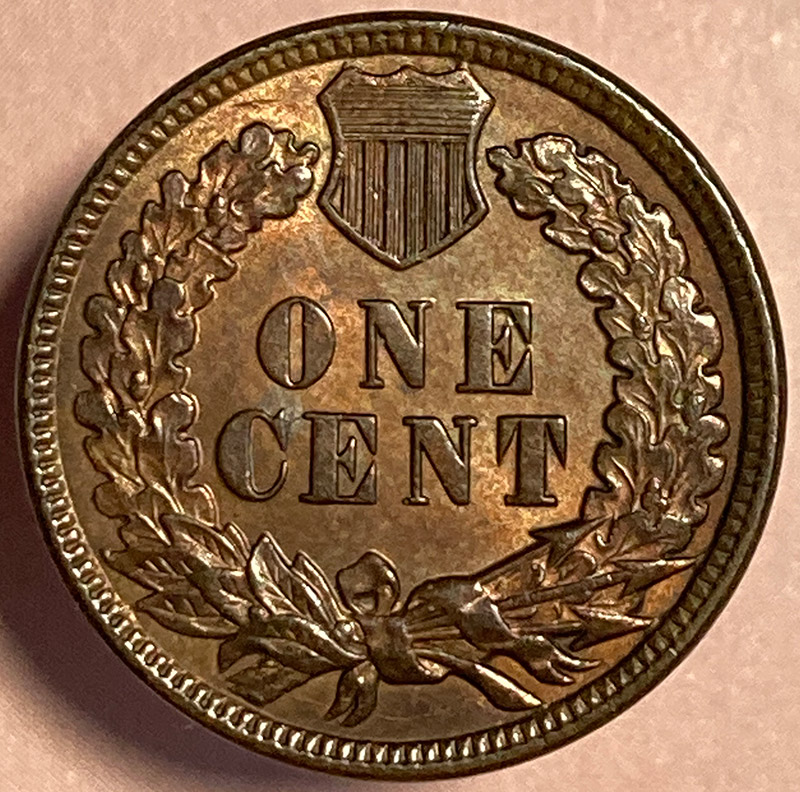
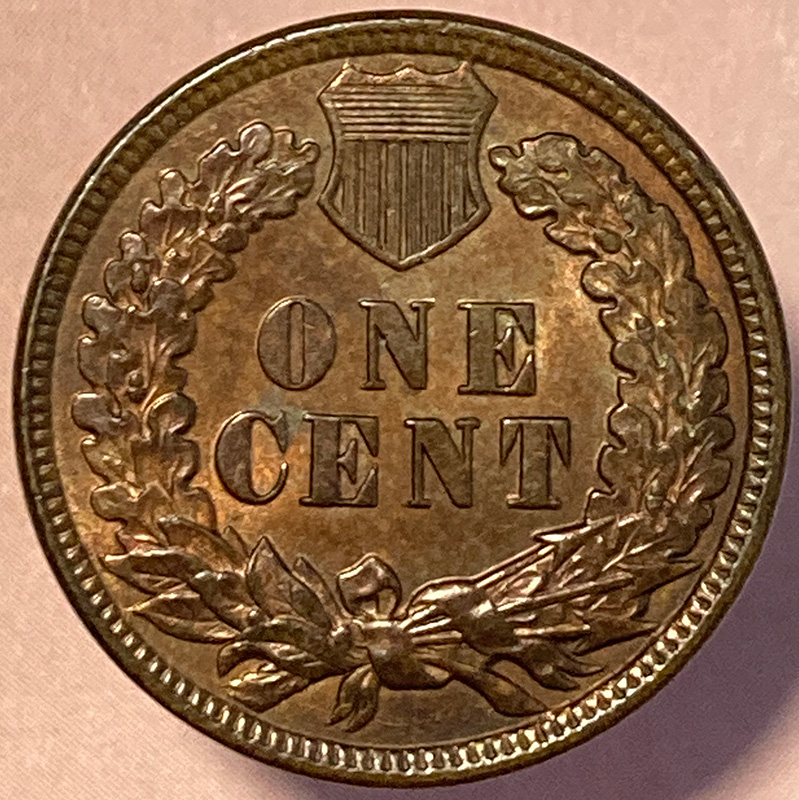
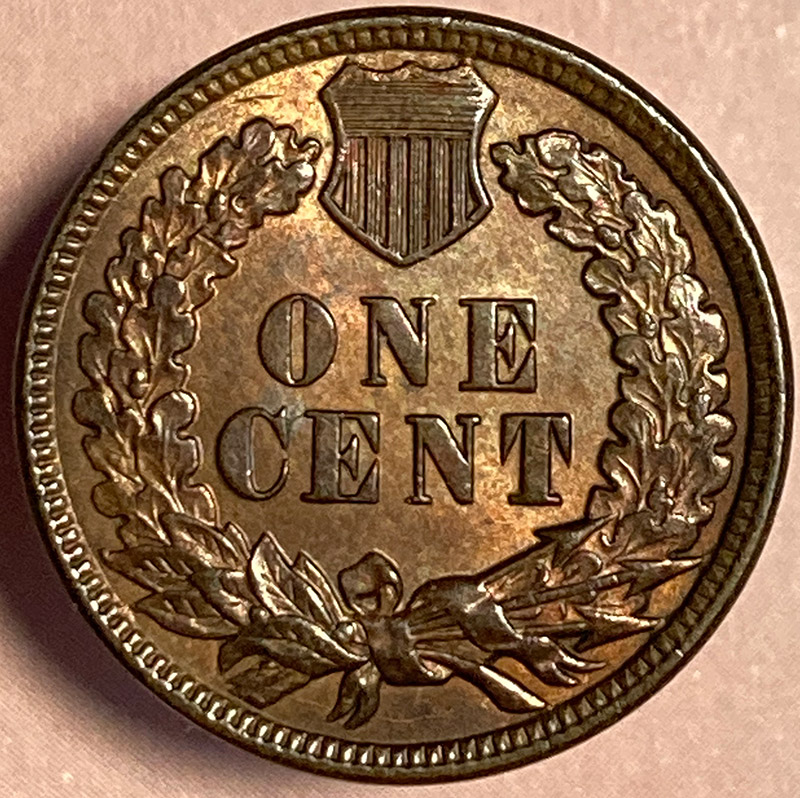
where do dipped coins figure in the spectrum? They're technically "cleaned" but frequently accepted by our community. from what I've seen it depends how long it was dipped. if it pretty much removed all the luster then I would consider it cleaned. if there is still a good amount hanging around then straight. just like anything in grading coins its subjective but when you post a coin that looks dipped and you get consensus from multiple reliable posters you can probably be sure it would not pass. looking at this coin again I can see why the comments regarding the obv and rev disparity. I wouldnt get my dander up yet until you see it. |
|
Bedrock of the Community
United States
12057 Posts |
Dipping a silver coin in many cases will details a coin at a reputable TPG. It is considered cleaning or surface alteration. You can sometimes slip them past the graders if it was a dilute dip or an old dip that has retoned. I have dipped a few coins before using dilute solutions followed with an acetone rinse, but never on any valuable coins or anything I'd try to get into a TPG holder. Dipping actually removes a microscopic layer of surface metal from the coin, which changes the natural striations of the planchet as struck, resulting in luster that is different (e.g. "all over" luster and no cartwheel) or is entirely missing. Dipped copper will always be detailed (well, ok, 99% of the time.) I will tell you all the same thing I tell everyone else on this subject: Get two old common-date silver coins from the same coin series that are close in grade (AU range) and dip one, and then photograph both coins after, and compare the difference in luster. AU 1922-1923 Peace or 1921 Morgan dollars work great for this for larger coins, or 1964 Kennedy half dollars, Franklins/Walkers, Washington quarters or Mercury dimes. You need to learn how they look in hand and in photos and the best way is to dip one yourself. Just remember - only dip the coin for a couple of seconds, then immediately give it an acetone bath to neutralize the surfaces, followed by a bath under hot water. Member ANA - EAC - TNA - SSDC - CCT #890 "Most of the things worth doing in the world had been declared impossible before they were done." -- Louis D. Brandeis |
|
Pillar of the Community
United States
989 Posts |
Paralyse, are you diluting something like e-zest, and what are you diluting it with and in what ratios approximately?
|
|
Bedrock of the Community
United States
12057 Posts |
I bought a jar of the e-z-est silver dip for testing and for use on junk silver, etc.
I have been diluting it at about 5 parts water to 1 part dip (20% dip) to start and doing 2-3 seconds maximum immersion, then repeating if needed.
Again, this is not recommended for any valuable coin or anything you plan to send in for grading!
Member ANA - EAC - TNA - SSDC - CCT #890 "Most of the things worth doing in the world had been declared impossible before they were done." -- Louis D. Brandeis |
|
Pillar of the Community
United States
2327 Posts |
What tools if any are you using to handle the coins?
You realize when you know how to think, it empowers you far beyond those who know only what to think.
-Neil deGrasse Tyson
|
|
Bedrock of the Community
United States
94367 Posts |
Good analysis, @paralyse. Definitely don't try dipping copper, you cannot win.
|
|
Bedrock of the Community
United States
12057 Posts |
Coin tongs (dip-safe metal tongs with rubberized protector pads) are the main thing. You can pick them up at Wizard Coin Supply or your online coin shop of choice for a few dollars.
I don't recommend contacting dip directly with your skin, but it can happen, and I haven't personally observed any side effects after washing my hands with soap.
Member ANA - EAC - TNA - SSDC - CCT #890 "Most of the things worth doing in the world had been declared impossible before they were done." -- Louis D. Brandeis |
|
Bedrock of the Community
United States
94367 Posts |
For Pete's sake, this stuff is not poisonous to your skin.  Edited by Coinfrog
12/20/2023 8:56 pm
|
|
Pillar of the Community
 United States
959 Posts |
So where does Verdicare and Classic Coin Conditioner figure into the "dipped" equation? This is a very interesting thread. Learning is good!
|
|
Bedrock of the Community
United States
37206 Posts |
Putting any amount of water with E-Z-Est reduces it's ability to remove tarnish. Water is only used when rinsing off the solution. I have used this product since 1972.
Verdicare won't change the color of the coin so it is safe and not considered dipping. Same with Acetone which works great removing gunk and tape residue.
|
|
Pillar of the Community
United States
959 Posts |
Not sure where to put this comment, so I'll put it here. I'm very appreciative of the knowledge and the community on this site and consider myself lucky to have found it. I wish you all a very merry Christmas and look forward to more discussions and opportunities to learn. What a great resource!
|
|
Pillar of the Community
United States
989 Posts |
Same to you Blast4, and everyone else on this site, Merry Xmas!
|
|
Bedrock of the Community
United States
18942 Posts |
Quote:
So where does Verdicare and Classic Coin Conditioner figure into the "dipped" equation? i can tell you that verdicare does not detail a coin from my experience. I have sent two copper keys into PCGS both graded straight |
|
Pillar of the Community
United States
959 Posts |
Edited by Blastenpene4
12/26/2023 9:25 pm
|
| |
Replies: 51 / Views: 2,287 |








 First Page
 Previous Page


 Posted 12/20/2023 2:13 pm