| Author |
 Replies: 19 / Views: 1,718 Replies: 19 / Views: 1,718 |
|
Valued Member
Australia
144 Posts |
I was lucky enough to pick up this 1898 British Trade dollar for an attractive price at auction. It has luster on the reverse and some traces of it on the obverse. As usual in my photos, it looks far worse on camera than it does to the naked eye. Something about LED lighting picks up every imperfection. My question is, does this coin have too much verdigris for PCGS grading? There are small spots of it on both sides. Grading from Australia takes around 5 months and is quite costly due to the middle man (Imperial Coins). I don't want to bother if PCGS will just give it a Details grade. Comments appreciated. 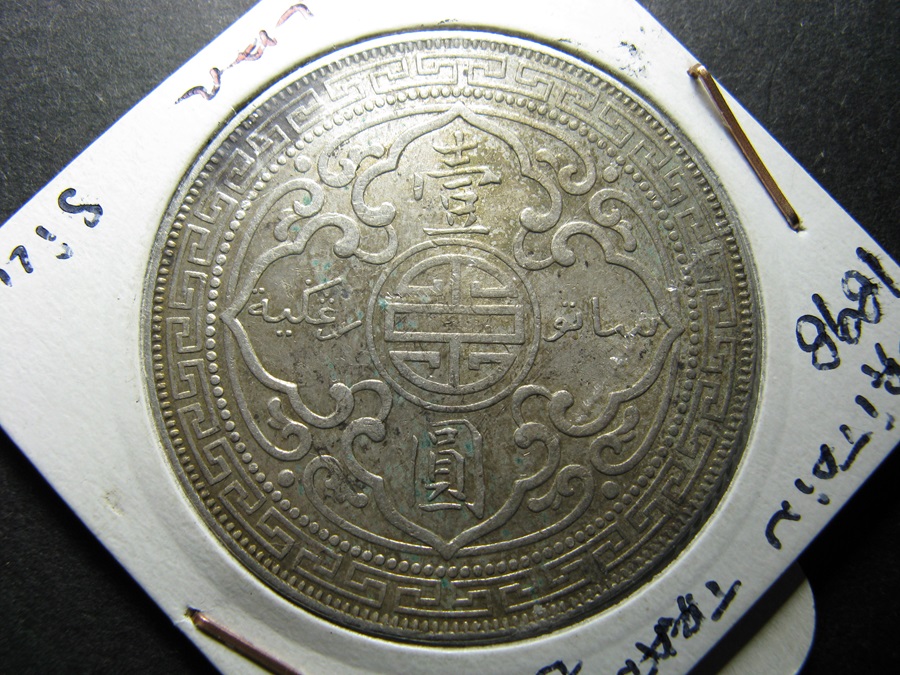 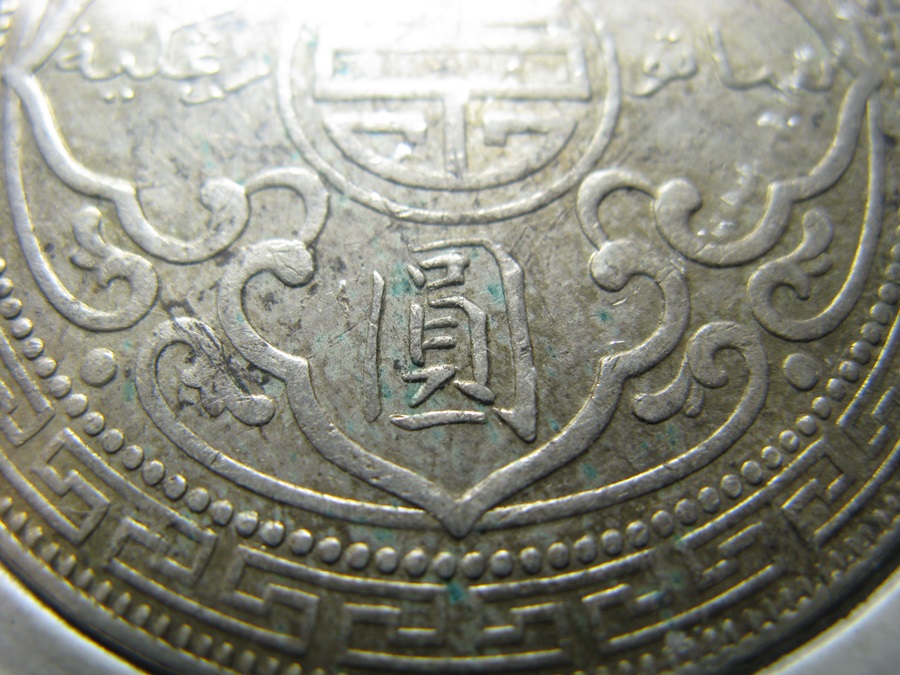 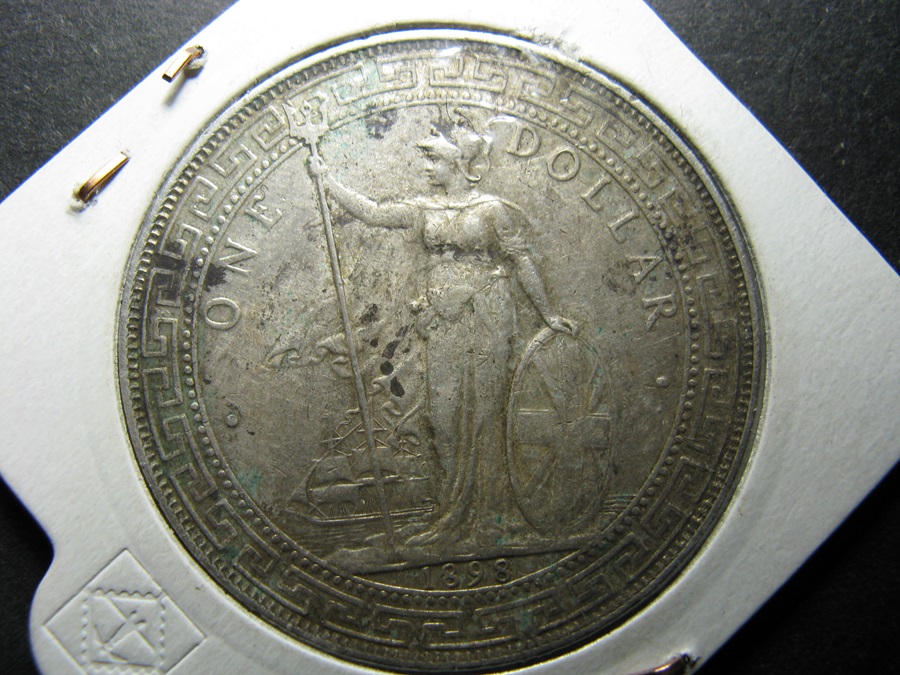 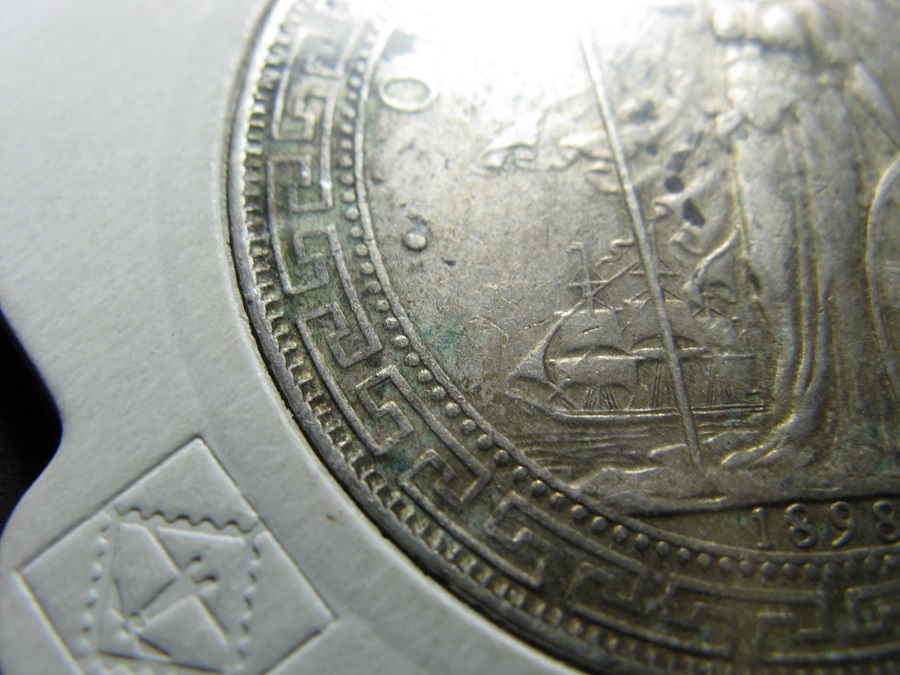 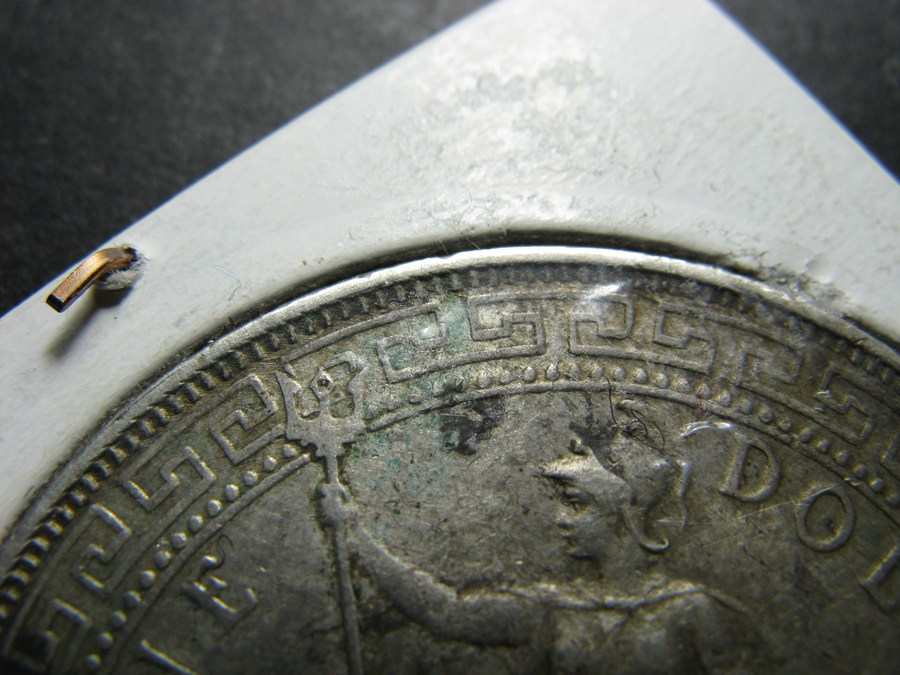 |
|
|
|
Bedrock of the Community
United States
94367 Posts |
I don't think the verdigris would detail it, but you might think about using Verdi-care if it's available to you. But be careful - those staples look menacing!
|
|
Bedrock of the Community
United States
10065 Posts |
Pure acetone cannot chemically react with the metal of the coin but probably will get rid of this. The acetone is totally safe and there is no physical or chemical way to tell the acetone was ever there b/c it wll totally evaporate from off of the surface of the coin. Thus it is used for coin conservation.
How much squash could a Sasquatch squash if a Sasquatch would squash squash? Download and read: Grading the graders Costly TPG ineptitude and No FG Kennedy halveshttps://ln5.sync.com/dl/7ca91bdd0/w...i3b-rbj9fir2 |
|
Valued Member
 Australia
144 Posts |
Thank you for the comments.
I have used acetone before to clean a proof-like bullion sterling silver coin that had surface contamination, but after the acetone evaporated I noticed there was white residue left behind in the fields.
I have been reluctant to use acetone since then (and have tried to follow the general advice to not clean coins), but these small spots of verdigris are spoiling what otherwise looks like an attractive coin.
|
|
Moderator
 United States
198004 Posts |
Quote:
But be careful - those staples look menacing!  I would try acetone first, then verdi-care. Quote:
but after the acetone evaporated I noticed there was white residue left behind in the fields. Soak again, then before it dries, rinse again with a flow of fresh acetone — that is, just pour over it. This will get rid of anything the acetone removed that would be left behind when it evapourated. |
|
Pillar of the Community
 Canada
9913 Posts |
That's not verdigris, it's PVC damage.
Acetone will remove it but there may well be underlying corrosion.
You must use pure acetone not something like nail polish remover.
After soaking , rinse with clean acetone.
Always be careful when using acetone.
"Dipping" is not considered cleaning...
-from PCGS website
|
|
Pillar of the Community
United States
878 Posts |
 PVC |
|
Bedrock of the Community
United States
10982 Posts |
|
|
Pillar of the Community
United Kingdom
945 Posts |
As to the original question, whether or not to get it graded, I am not really the best person to cast a vote because I am a "non-grader". I would think the coin would be "about Fine" on the UK grading system. I am not sure what PCGS would give it, even if you can avoid any details note, but at that grade I am not sure it would be worth the expense.
Why not just enjoy it raw?
|
|
Pillar of the Community
United States
1950 Posts |
Most of that should come off with acetone bath
Would probably grade XF40 at PCGS
Nice piece!
|
|
Moderator
United States
110190 Posts |
Very nice coin, and you should try acetone (the good stuff) soak first for a day. on this coin there are no mirrored surfaces so a 'milking or residue should not be an issue. Just be sure to use fresh (not already used acetone (could have contaminates in it).
But in my opinion, this one not really worth the grading costs.
|
|
Valued Member
Australia
144 Posts |
Thank you for all the comments. I will try fresh acetone and see what happens.
As has been suggested, it's probably not worth grading as the coin has to be at least AU to offset the grading costs. It's a coin I intend to keep as before finding it at auction I didn't know the UK produced dollars long ago.
|
|
Valued Member
Australia
144 Posts |
I soaked the coin in fresh acetone overnight and then rinsed it again with more acetone. All the small green spots have disappeared and at least to the naked eye it does not appear the corrosion caused any pitting. The tarnish was left intact like I wanted.
|
|
Pillar of the Community
United Kingdom
945 Posts |
Well done!
Pictures of the result would be appreciated.
|
|
Valued Member
Australia
144 Posts |
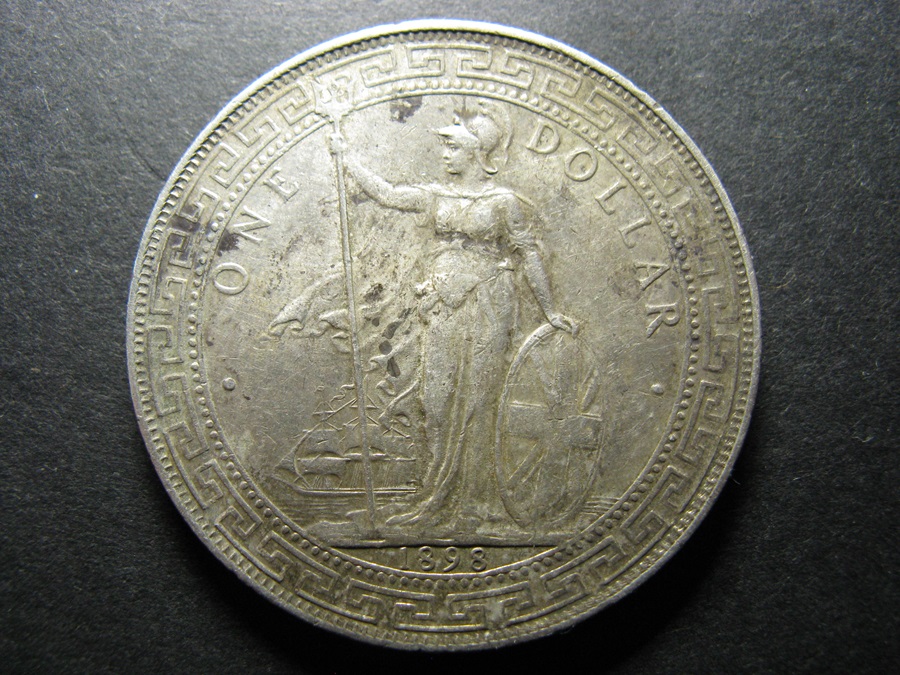 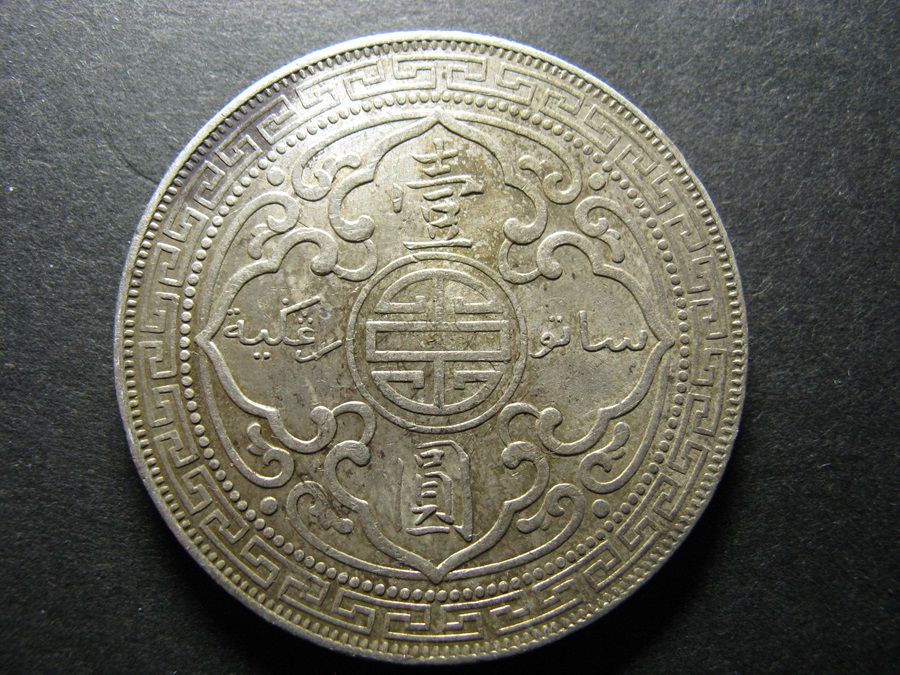 PVC is an awful plastic to keep coins. I've seen coin sets released by the Royal Australian Mint as late as 1990 badly affected by plastic degradation. Printed cardboard can be affected too, sometimes leaving a sticky mess that's difficult to clean up. It's so good we have much better options now. Edited by ClusterCoin
04/21/2024 08:44 am
|
|
Pillar of the Community
United Kingdom
945 Posts |
Thanks for that - looks a lot better.
I would have liked to see the other black marks go too, but I suspect that would require a stronger chemical process, which would destroy the rest of the patina.
|
| |
Replies: 19 / Views: 1,718 |







 Posted 04/17/2024 10:02 am


