It appears to have the same design and mintmaster's marks as a gold 8 escudos from Spanish Peru (KM# 38.2). However, unless the colour of your image is way off, this one isn't gold. So it's an imitation, probably a tourist souvenir from a "pirate-themed" place.
While the date on these coins does in fact appear to read "736", the issuer assumed that everyone would know it was the Second Millennium - with only three spaces to write the date, the "1" was omitted. Many European coins from the 1600's and 1700's only put the last two or threenumerals of the date.
The date is actually on this coin twice: "736" across the pillars, and "ANNO 1736" around from 9 o'clock to 12 o'clock on the same side. This redundancy was because these coins were often so crudely struck that only a few details might appear on any one particular coin; putting the date in two different places doubled the chance that a legible date would actually be visible on the finished coin.
Furthermore, it can't be 736 AD, because the concept of putting AD dates on coins hadn't actually been invented way back then. The earliest coin with an AD date is from Denmark, dated 1234 AD - and the numbers on this coin are in Roman numerals. The earliest use of "western-style" numbers to date a coin is from Switzerland, in 1424.
This old thread discusses such early dated coins.
Don't say "infinitely" when you mean "very"; otherwise, you'll have no word left when you want to talk about something really infinite. - C. S. Lewis







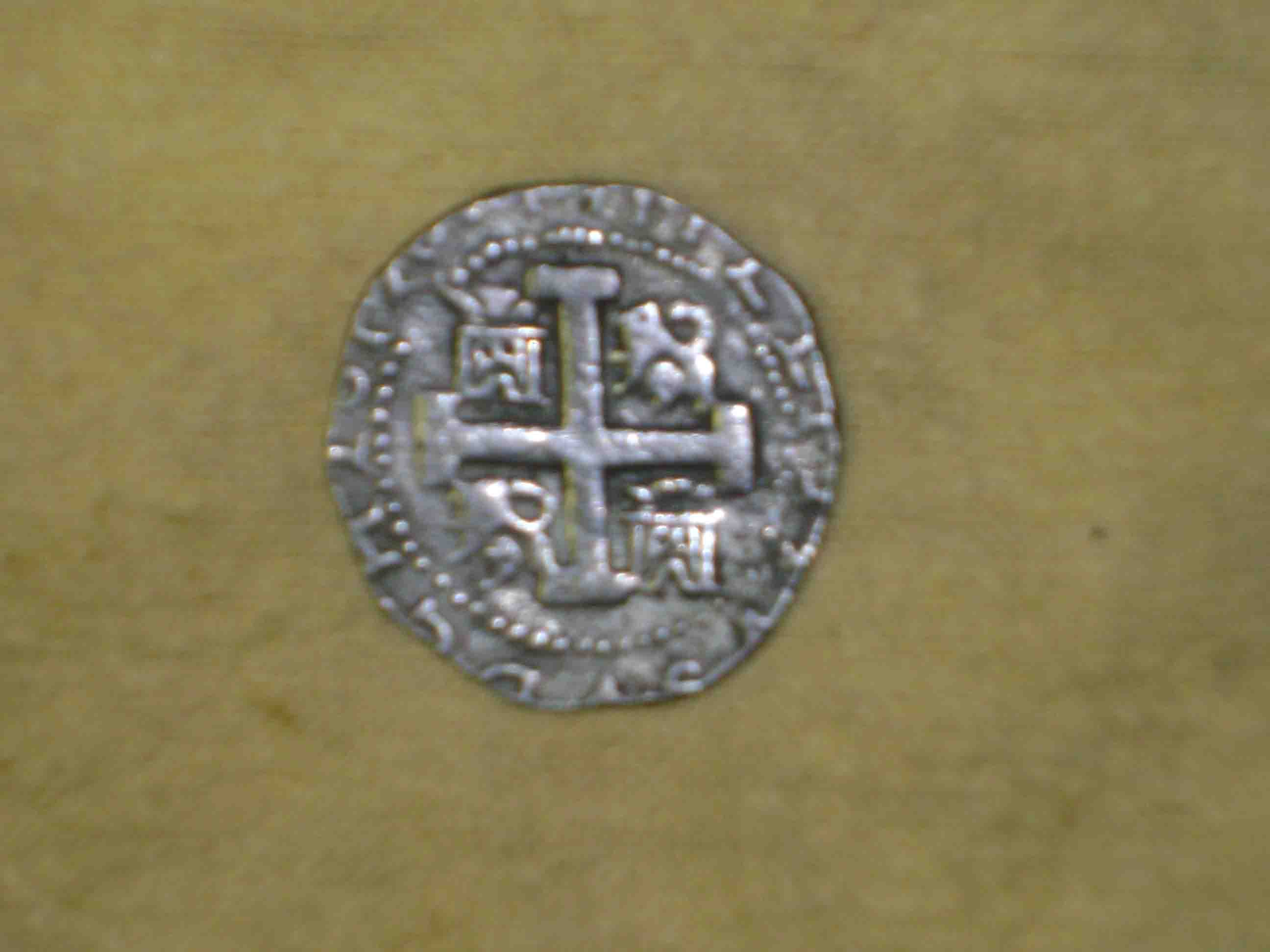 1736frontSM.jpg
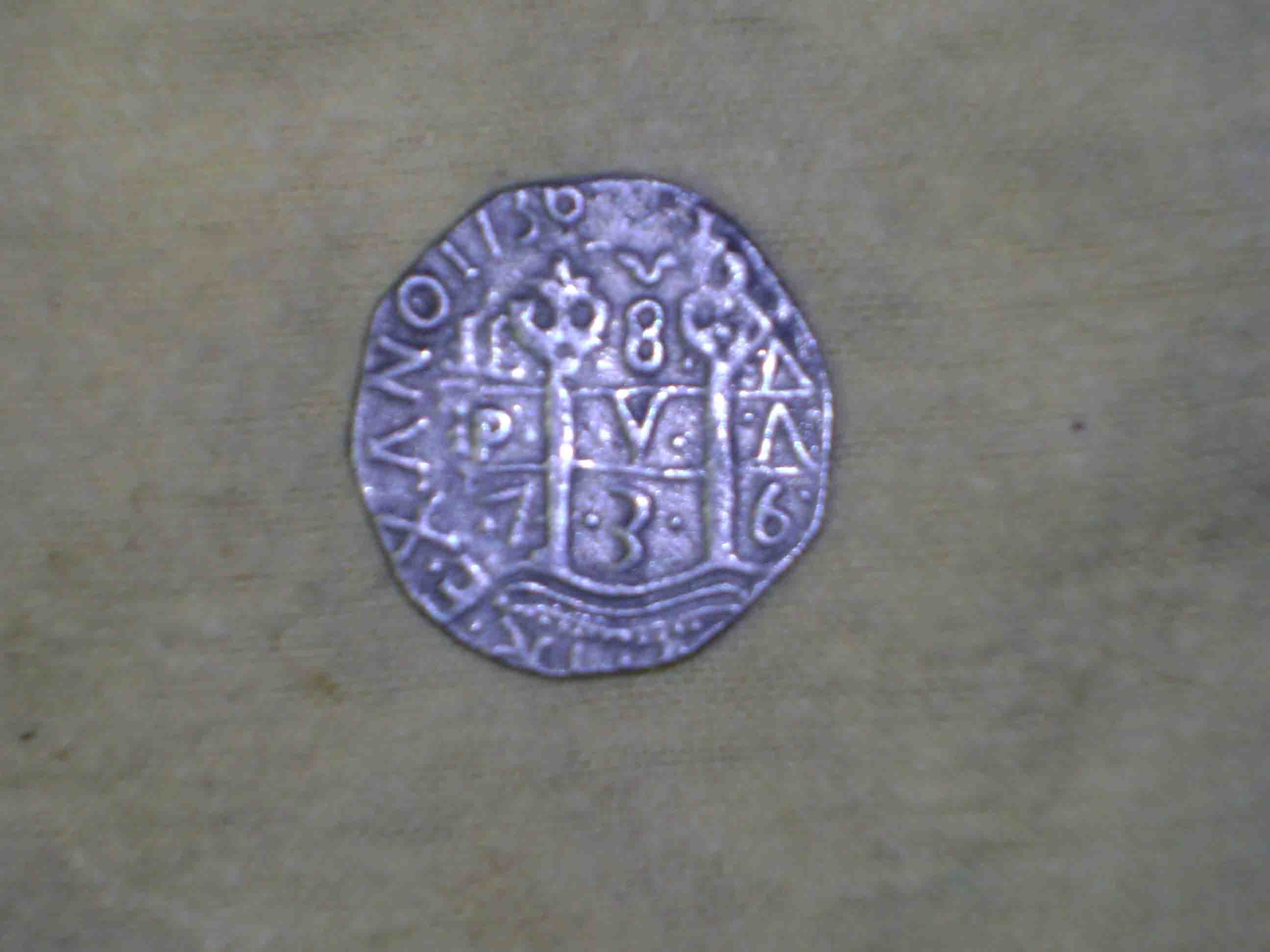 1736backSM.jpg


 Posted 04/23/2009 02:18 am


