| Author |
 Replies: 23 / Views: 920 Replies: 23 / Views: 920 |
|
Pillar of the Community
United States
3360 Posts |
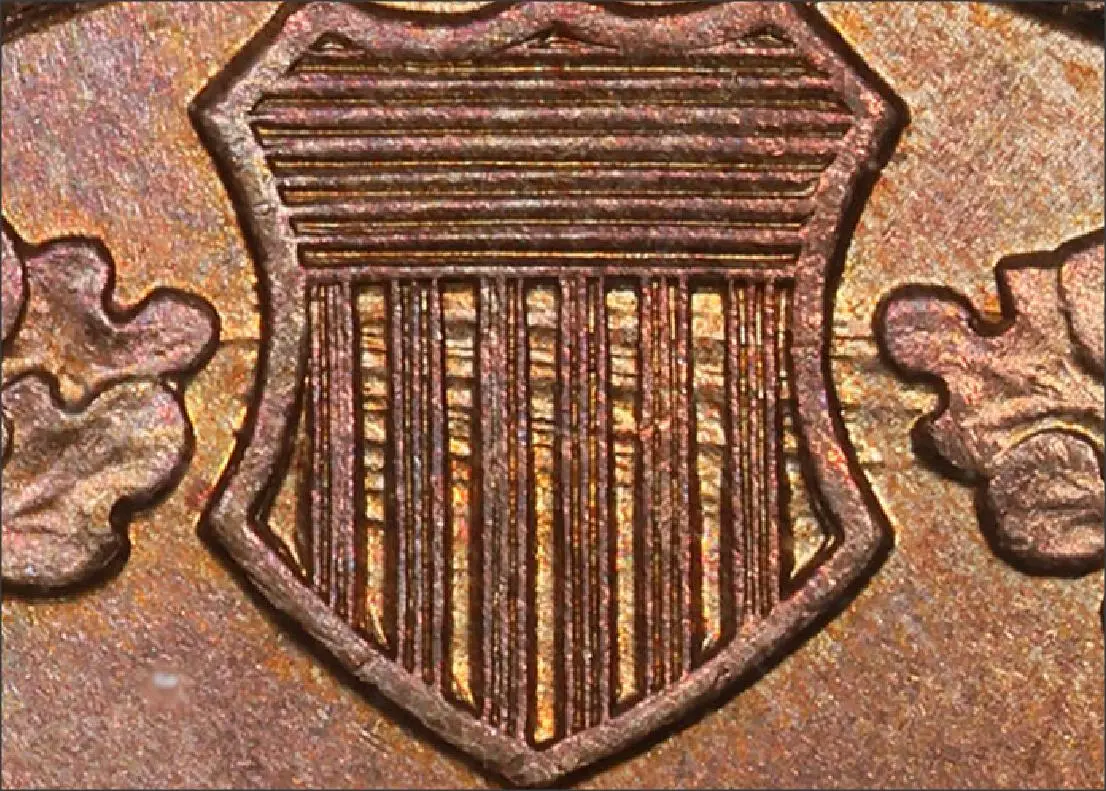
I have been studying Feeder Mechanism Die Damage Patterns and the types of Feeder Mechanisms in use at the US Mint in different time periods. Many folks have contributed to my efforts by providing photos of Die Damage for me to include in my Census. I thank everyone for this support and for your insight, advice, and encouragement! I have prepared a series of articles in which I have attempted to organize and summarize my findings into an easy-to-use reference so that the most likely Feeder Mechanism causing a certain die damage pattern may be identified. The information is divided by time periods: • 1896 to 1945 • 1945 to ~1990 • ~1990 to 2018 • 2018 to present An article on the first time period may be found here: https://coinweek.com/feeder-mechani...s-1896-1945/ |
|
|
|
Pillar of the Community
United States
7577 Posts |
Excellent article, enjoyed the information. I do have an example of a heavier feeder mechanism damage, need to find them in my archives I will provide it here for you if it's of use you're welcome to use them. Here they are, the coin is in the US mint cello set. 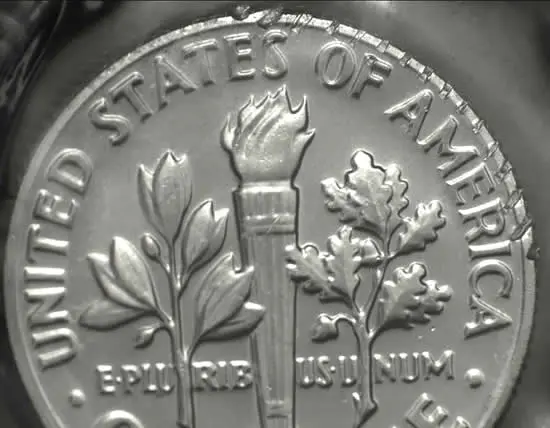 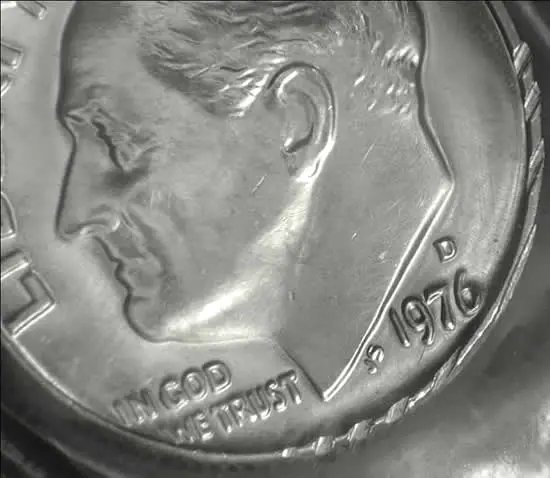 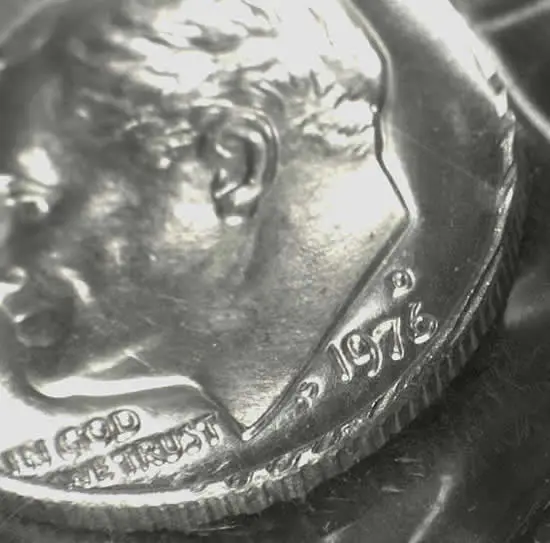 There were also the thought of damege from crimper/sealer going around but I thought that was not likely since there's no damage/scrach anywhere on the cello package. So it may be it may not be feeder finger.It's worth exploring since the damage seems to be too corse/harsh for feeder finger  Edited by Chase007
02/19/2026 1:59 pm
|
|
Pillar of the Community
 United States
3360 Posts |
Quote:
Excellent article, enjoyed the information. I do have an example of a heavier feeder mechanism damage, need to find them in my archives I will provide it here for you if it's of use you're welcom to use it. Thank you. I will watch for it and add it to my census! |
|
Pillar of the Community
United States
6880 Posts |
I think people concluded cello sealing machine damage because the cuts are on the high points of the coin—notably the rims—and the damage is incuse. Feeder Finger Damage affects the fields and low points of the design because it's damage to the surface of the die, not the coin. For the same reason, FFD is raised on the final struck coin. Edited by Brandmeister
02/19/2026 2:11 pm
|
|
Pillar of the Community
United States
7577 Posts |
You have a good point, as I mentioned the cello packagin is undamaged without any blemishes, so it is puzzling how the coin could have come in contact with the sealer before it's final resting place in the package!!
|
|
Pillar of the Community
United States
3360 Posts |
Agree comment RE: Damage since it is on the rim.
|
|
Moderator
 United States
194816 Posts |
Quote:
An article on the first time period may be found here: Excellent!  |
|
Pillar of the Community
United States
3360 Posts |
|
|
Pillar of the Community
United States
7577 Posts |
And I do agree with both of you.
|
|
Pillar of the Community
United States
3209 Posts |
Excellent Pete, can not wait for the other articles! |
|
Pillar of the Community
 United States
1502 Posts |
I swing a metal detector and have a knack for finding dirty old coins. Dirt coin restoration projects - https://www.prodetecting.com/restorationsDirt coin restoration blog - https://www.prodetecting.com/blog/ccawDirt coin dig videos - https://www.youtube.com/@prodetectingEdited by DOCC
02/19/2026 5:26 pm
|
|
Moderator
United States
105646 Posts |
outstanding write up Chase! @DOCC - Not sure if that is FFD - With FFD the lines are perpendicular to each other (from what I've seen so far anyway) |
|
Bedrock of the Community
United States
10601 Posts |
This is absolutley heat sealing crimper damage - have seen this many times before.  |
|
Pillar of the Community
United States
3360 Posts |
I have not seen any possible examples on Indian cents, so I am unable to say with any assurance. I will keep these photos for future reference - maybe they will help down the road! Thank you! |
|
Pillar of the Community
United States
7577 Posts |
@Marve, as I mentioned I am in agreement with Pete and Brandmeister .can you explain how the dime came in contact with heat sealer/crimper before if was placed in the cello? it must have happened before it went inside the cell casing because there is no damage to the wrap.
|
|
Pillar of the Community
United States
3360 Posts |
Quote:
Excellent Pete, can not wait for the other articles! THANK YOU! I appreciate your encouragement and support! |
| |
Replies: 23 / Views: 920 |








 Posted 02/19/2026 1:36 pm