| Author |
 Replies: 14 / Views: 1,186 Replies: 14 / Views: 1,186 |
|
|
Pillar of the Community
United States
891 Posts |
Good morning all. I pulled this out of a roll awhile back. It has some corrosion on the obverse none on the reverse. Does this make this cent uncollectible? Will this corrosion continue to consume this cent or is this about the limit of it? I'm not a big cent collector and don't really know the effect it has on the collect-ability. Any opinions? Thanks. That spell checker is the heat. 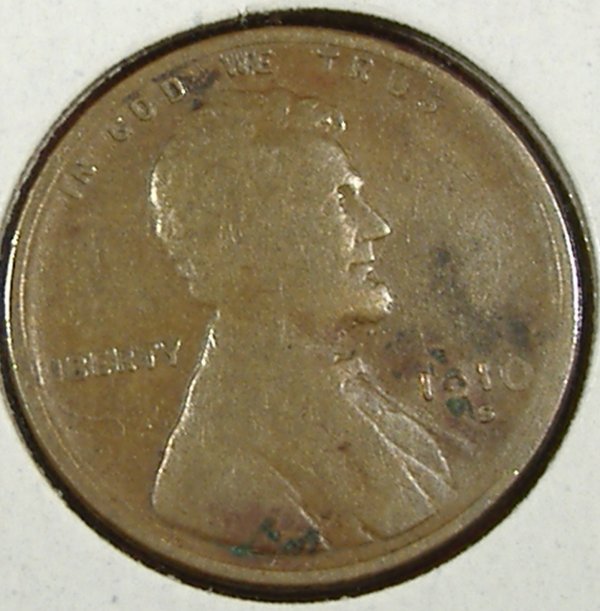 |
|
|
|
Pillar of the Community
United States
1454 Posts |
Where is the corrosion at?
|
|
Pillar of the Community
United States
7123 Posts |
Hi Mike
If the green color that I see at the bottom of the bust and around the date is degritis it will continue and it does affect the collectability of the coin.
Rick
|
|
Pillar of the Community
United States
1454 Posts |
I have a few world coppers that have this degritize Rick. Is their anyway to get rid of it? A safe way without say, scrubbing, etc.? I have heard of people using peroxide baths. Some use olive oil. I know Sap had a post going on this but haven't seen it come up lately.
|
|
Pillar of the Community
United States
7123 Posts |
Hi Irish
a long soak in extra virgin olive oil would be my recommendation.its a slow process, but probly the easiest on the coin.
once the damage is stopped, the coin can be soaked in a mild detergent, rinsed and a quick dip in pure acetone to dry, no rubbing or wiping.
Rick
|
|
Pillar of the Community
 United States
891 Posts |
quote:
Originally posted by Metalman
Hi Mike
If the green color that I see at the bottom of the bust and around the date is degritis it will continue and it does affect the collectability of the coin.
Rick
So thats green. That sucks. Hard to tell being color blind. Thats why I don't collect cents. For the longest time when I was young I always wondered why they called them red. Thanks for that info.  |
|
Pillar of the Community
Australia
1092 Posts |
The coin is nearly 100 years old! So "Of course" it's collectable. It may not be worth alot now but they stopped making those 1910 cents nearly a century ago!
I collect just about anything in the 1800's, in any condition if I can make out the date. Damaged or not, it's the age and history that fascinates me.
|
|
Pillar of the Community
United States
1841 Posts |
quote:
a long soak in extra virgin olive oil would be my recommendation.its a slow process, but probly the easiest on the coin.
once the damage is stopped, the coin can be soaked in a mild detergent, rinsed and a quick dip in pure acetone to dry, no rubbing or wiping.
I understand that applying the olive oil acts a barrier protectorant, displacing moisture and preventing oxygen from contacting the coin's surface. But wouldn't applying acetone and detergent reverse the whole process by removing that layer of oil? Also, does it matter what kind of oil you use? I would think that gun oil would be more pure than a food product and some are specifically designed to halt corrosion. |
|
Pillar of the Community
United States
7123 Posts |
Hi snowman
This is not an application of olive oil, it is a soak completely submerged,, The olive oil has a very mild acid quality much different from gun oil, the detergent is to remove the olive oil and the quick dip in acetone is to remove the moisture, the coin then needs to be holdered and stored in a more coin friendly and stable environment.
Rick
|
|
Pillar of the Community
United States
1841 Posts |
Rick
Thanks for clearing that up. I had heard this tip several times in the past. I always thought that the application of oil was just to block oxidation. Obviously I was a little off base.
Bret
|
|
Pillar of the Community
United States
4589 Posts |
|
|
Pillar of the Community
United States
891 Posts |
Hey MM does it matter if it is extra virgin oil. I have it soaking. Just have to wait know. Yeah SJ I like those finds, but just don't find enough of them. It makes it that much more special when you do find them.
|
|
Pillar of the Community
United States
7123 Posts |
Hi Mike
From everything I have gathered about this process, the best oil gives the best results.
Rick
|
|
Pillar of the Community
Australia
1360 Posts |
The best olive oil available is the one you should use. Extra-virgin, even first-pressed, if you can get it, is definitely the way to go. And the key is to leave them submerged for two/three weeks. A quick dip won't achieve the best results. Trust me, I'm speaking from experience here!
I have spent the last month experimenting on (and ruining) several verdigrised pennies. I finally succeeded when I left them to soak in extra-virgin first-press olive oil for two weeks. Then I removed them from the oil and then very, very gently removed any patches of verdigris, gently rinsed them in de-mineralized water, then quickly dipped them in acetone (not nail polish remover - but actual acetone) and then stored them in 2x2 holders. I only hope that I have permanently solved the verdigris problem!
GOOD LUCK!!!!
(Sap had a terrific thread going regarding the treatment of a verdigrised token - it is worth reading to see the results)
|
|
Pillar of the Community
United States
891 Posts |
I read saps thread. Very good. I'm using first pressed extra virgin so I guess I'm good to go. Now the waiting game begins. Thanks everyone.
|
| |
Replies: 14 / Views: 1,186 |
|










 Posted 08/27/2006 11:23 am


