| Author |
 Replies: 1,992 / Views: 288,483 Replies: 1,992 / Views: 288,483 |
|
|
|
Pillar of the Community
United Kingdom
1324 Posts |
@Sap - your ½d is an earlier type to my 1742 - both the portrait and the britannia were touched up in 1740... Here is a 1734, a 6 Pfennig of Brunswick  |
|
Valued Member
Sweden
347 Posts |
Wow, that's a nice piece!  |
|
Pillar of the Community
United States
1801 Posts |
Oh goody, my favorite year for Spanish Colonial Pillars Here are 2 of the major keys to the series. Both of these coins were found on the "Coffins Patch" Spanish shipwreck 1733 MXF 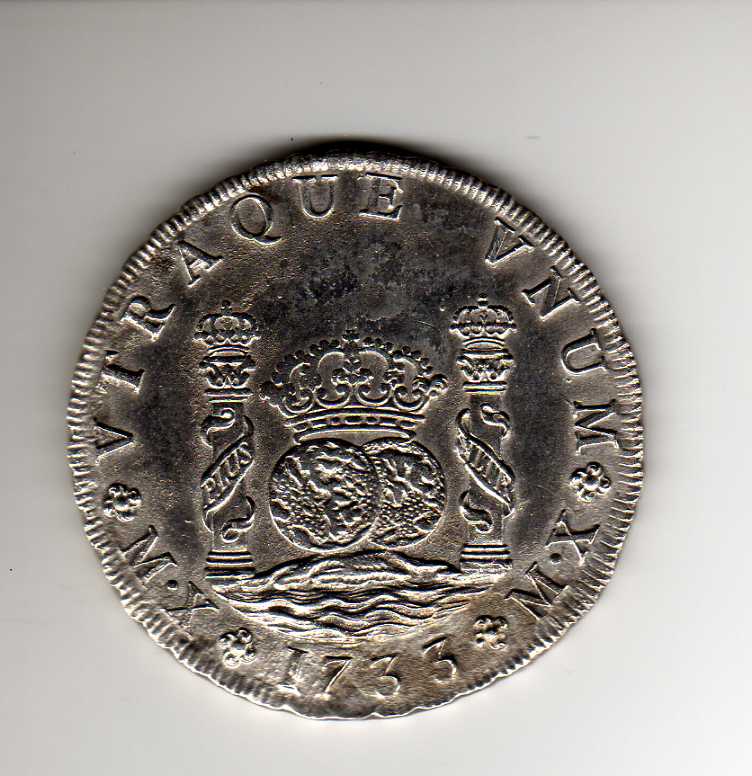 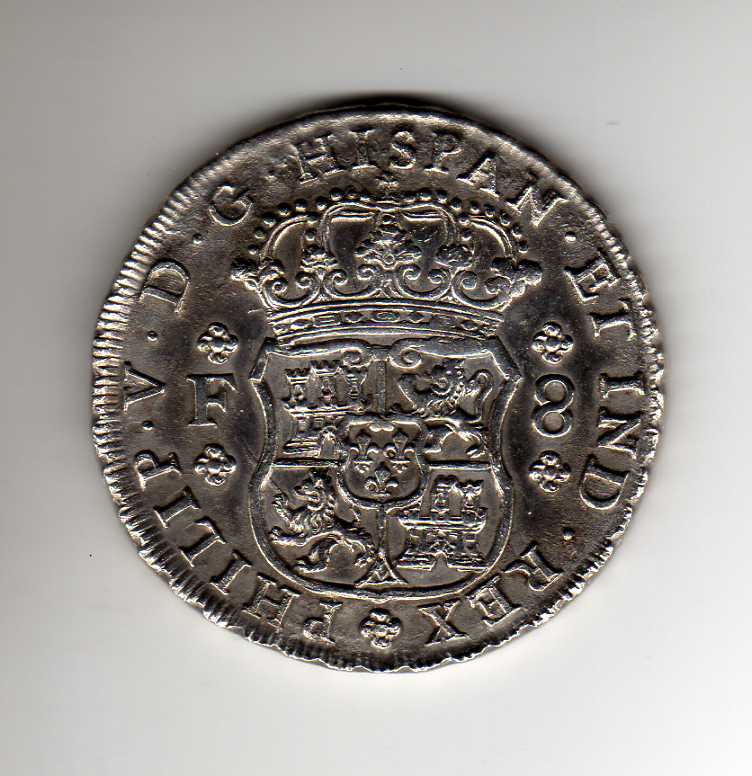 And 1733 MoF 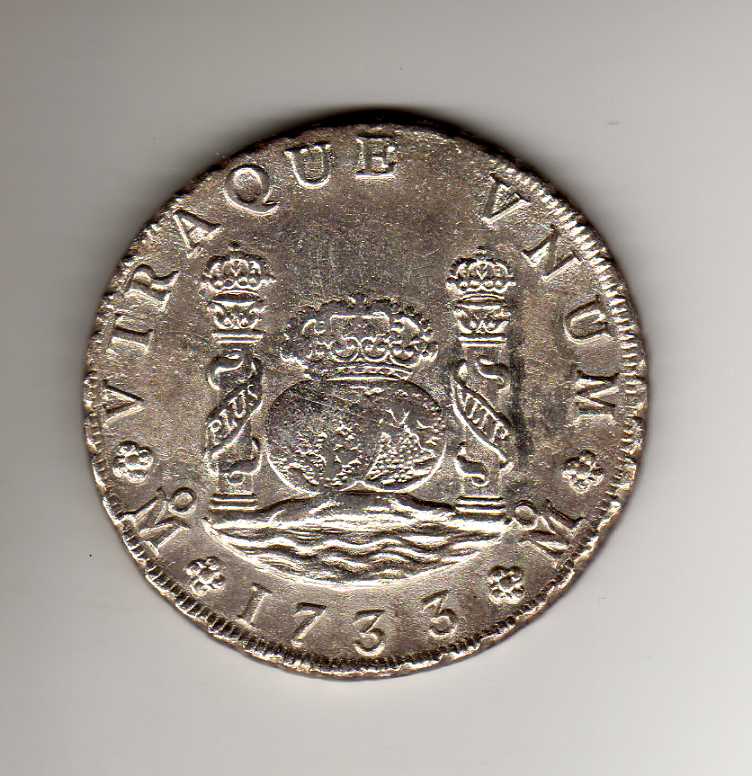 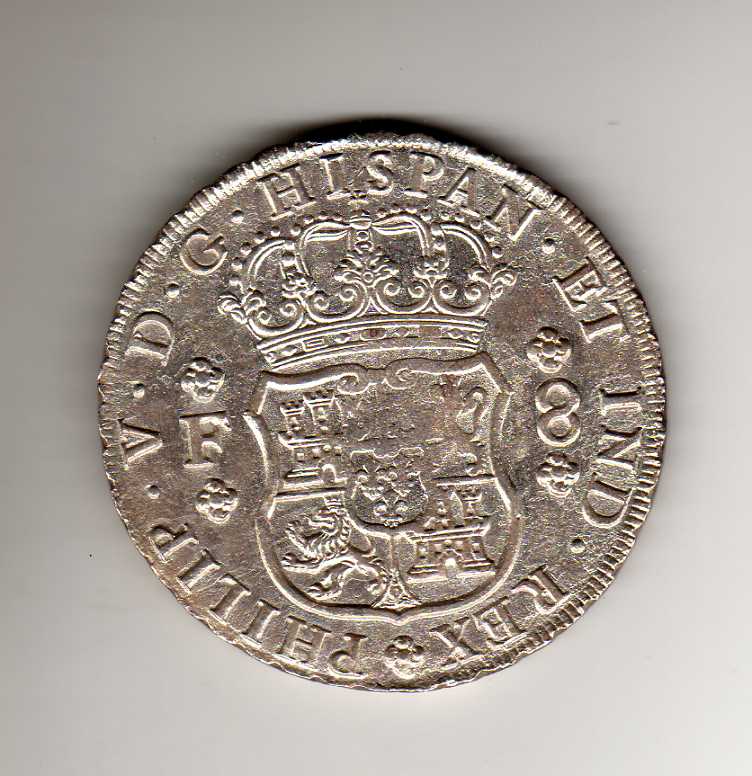 |
|
Valued Member
United States
343 Posts |
1732 "dug" Denga (or is it?)  |
|
Pillar of the Community
United States
1801 Posts |
Spanish Colonial Cob 8 Reales 1732 with a natural bubble in the silver 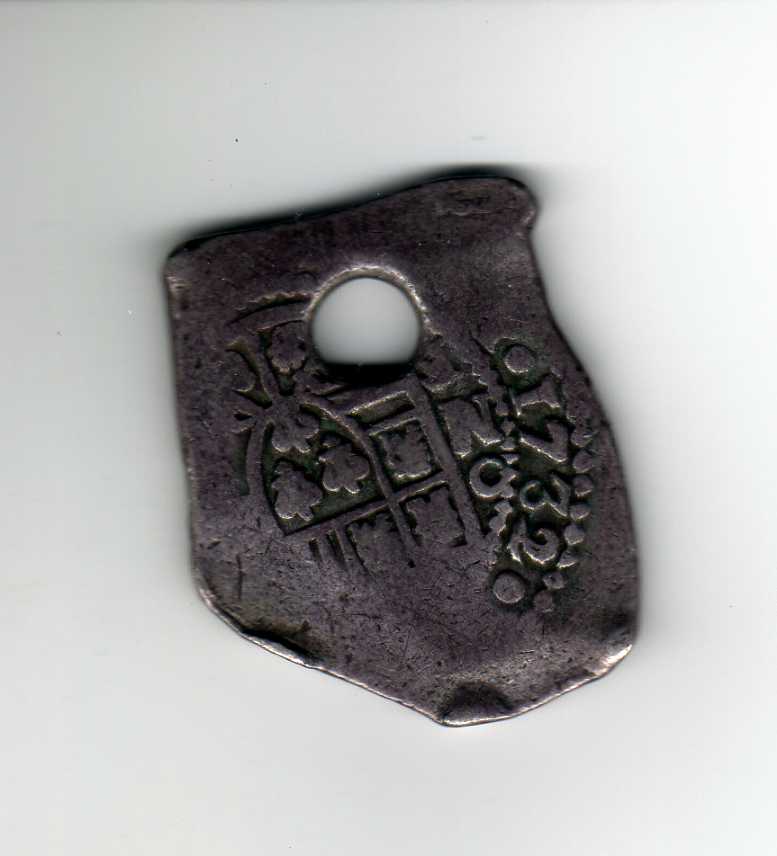 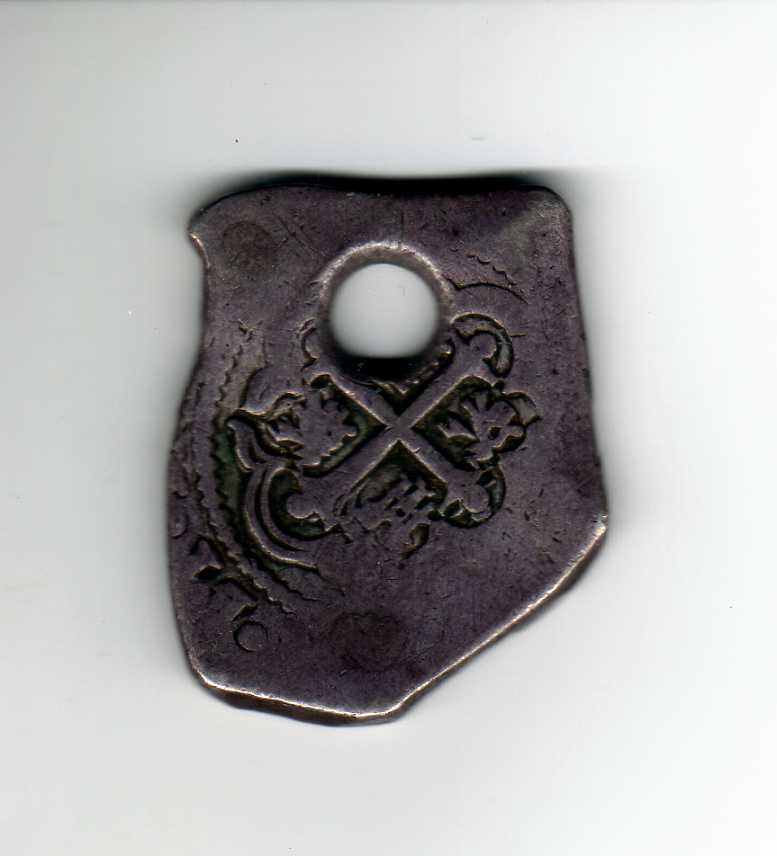 1731 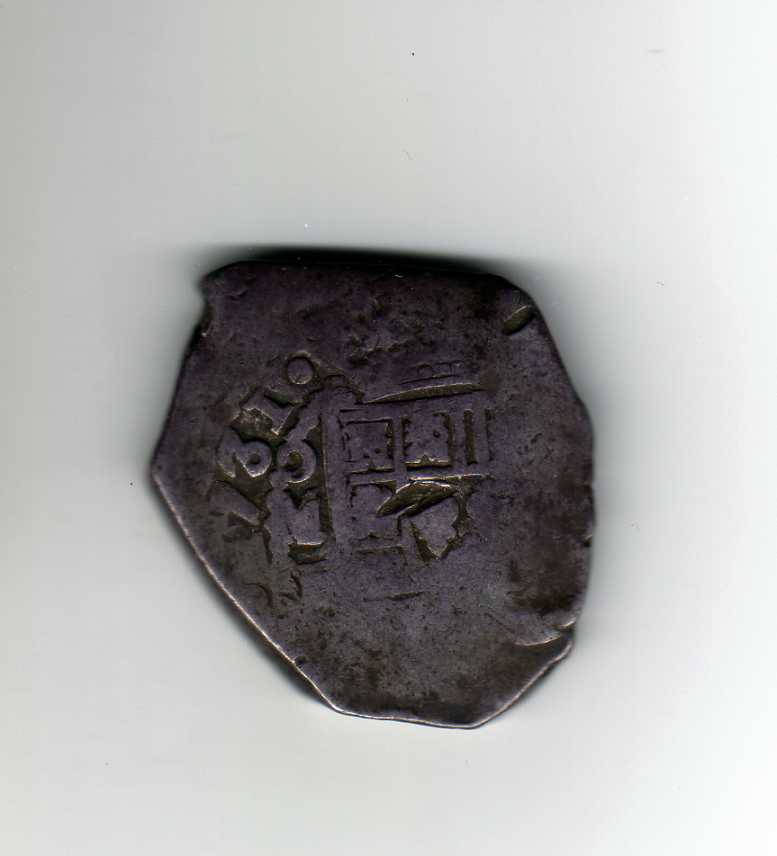 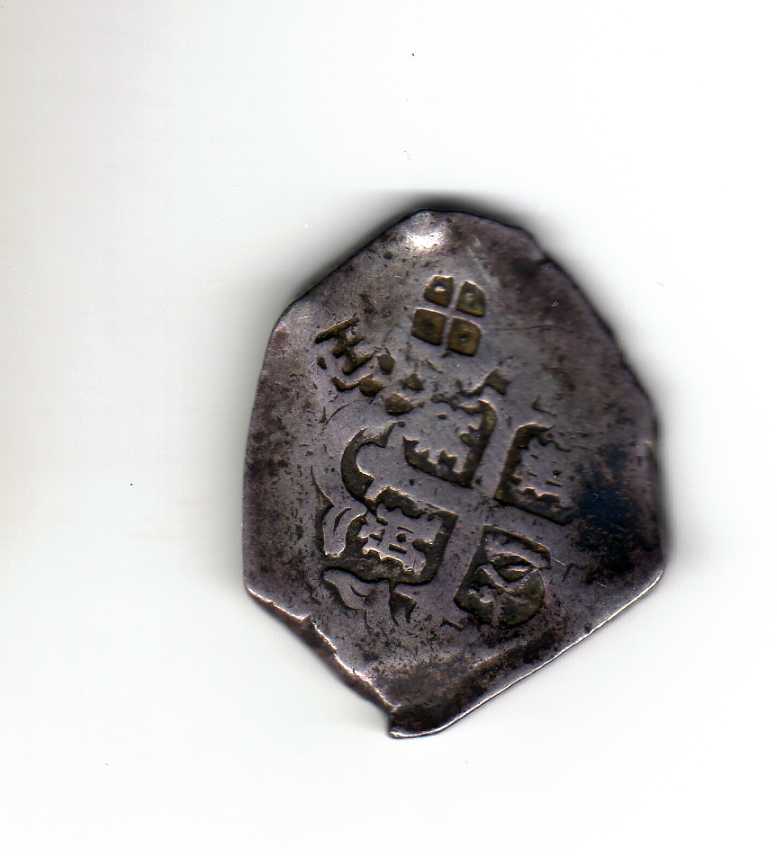 |
|
Valued Member
Poland
114 Posts |
Whoa, these two above are really nice! |
|
Moderator
 Australia
17006 Posts |
Here's my 1731. Windward Islands (French colonies in Caribbean), 12 sols. Alas, the date's not too legible in this scan. 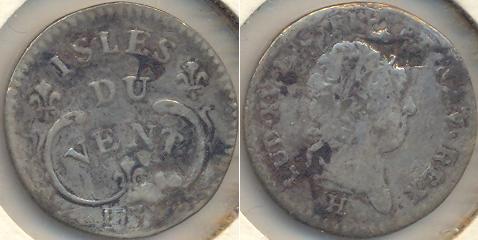 Don't say "infinitely" when you mean "very"; otherwise, you'll have no word left when you want to talk about something really infinite. - C. S. Lewis
|
|
Pillar of the Community
 United States
1910 Posts |
Great stuff, folks. That French Colonial piece has to be a rarity. It's nice to see the year drought is ending. Here is a 1730 Austrian thaler; size = ~42 mm : 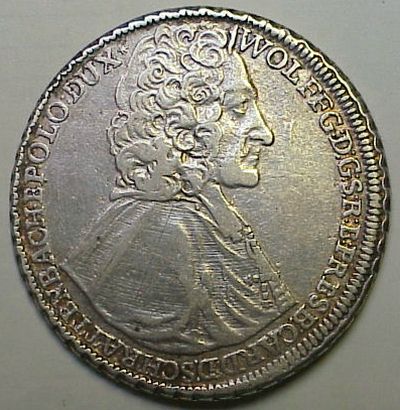 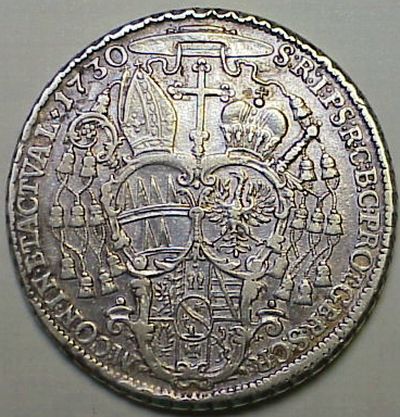 |
|
Valued Member
Sweden
347 Posts |
Wow, that's a huge and beautiful coin! Really nice and clear! I'd better prepare, because soon it's my turn again  |
|
Pillar of the Community
United States
1801 Posts |
Some more full date cobs 1730 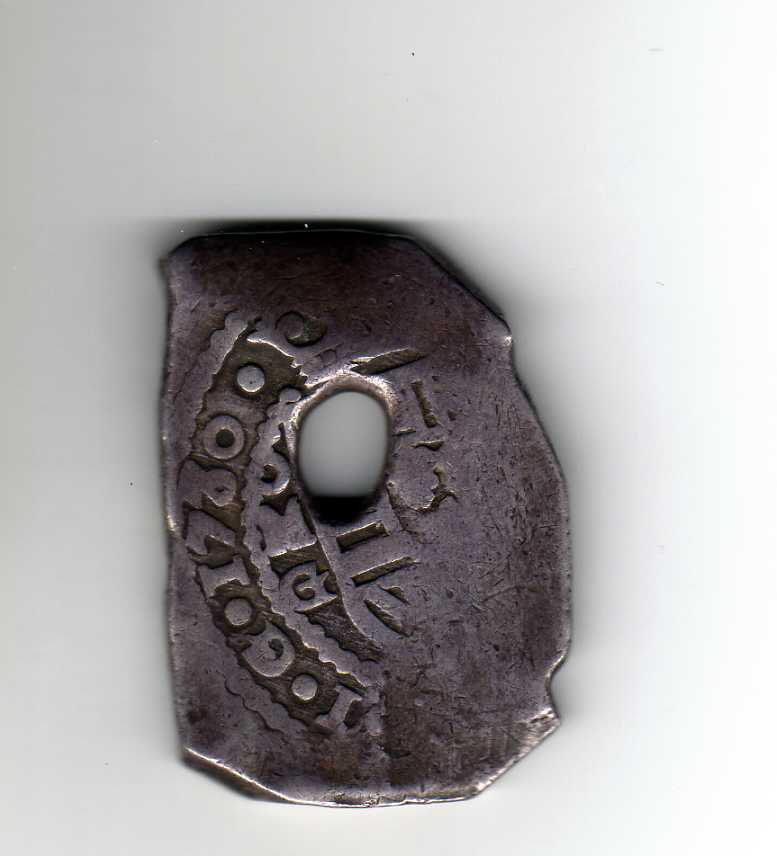 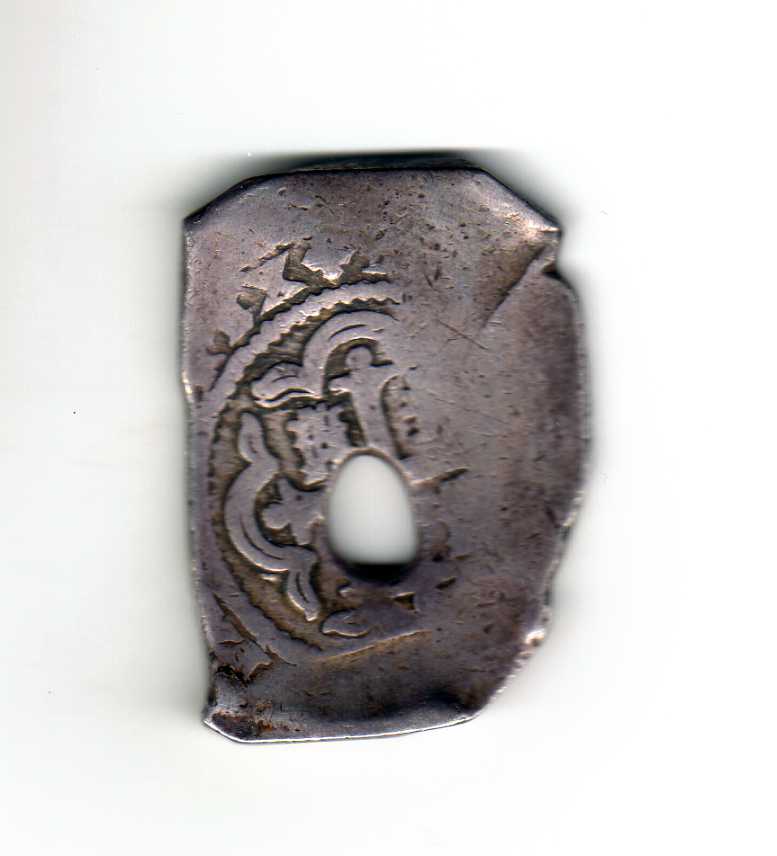 1729 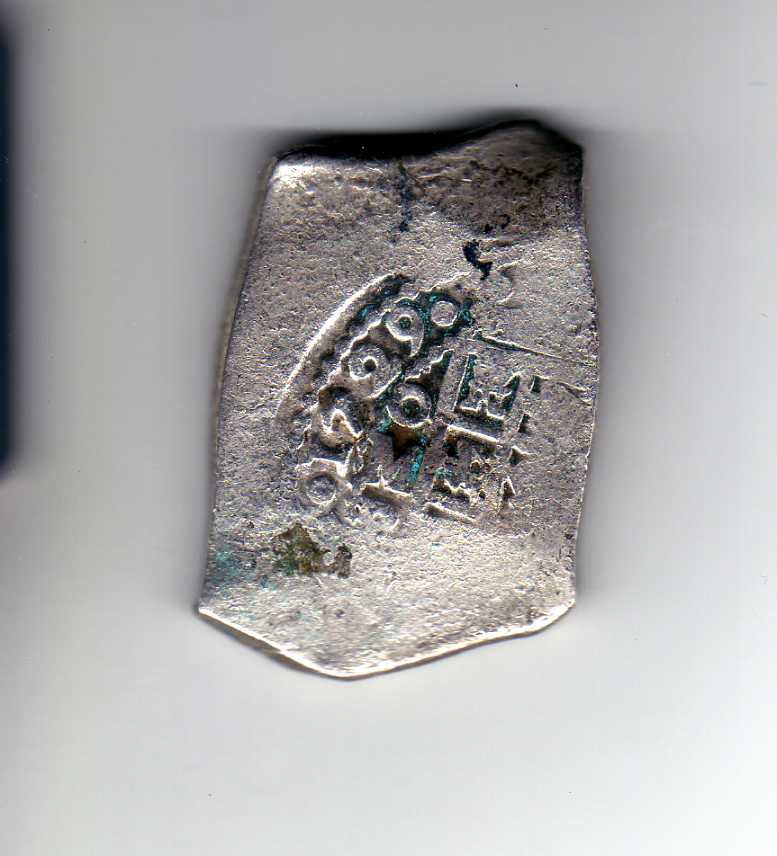 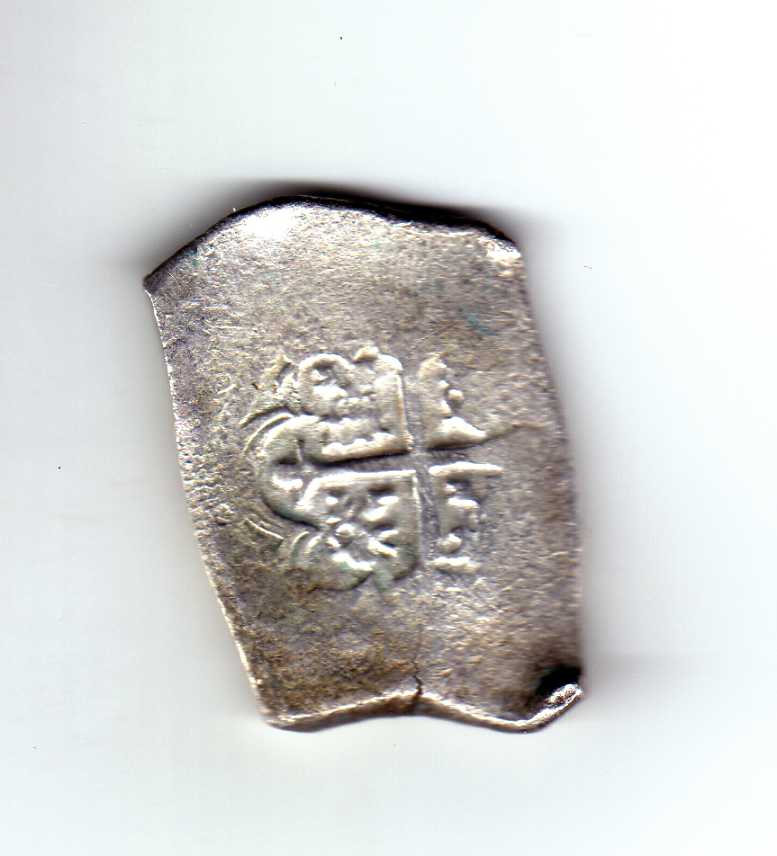 |
|
Rest in Peace
United States
9104 Posts |
I see various lopsided holes, is that where you put the corn, or to adjust the weight?
|
|
Pillar of the Community
United States
1801 Posts |
The holes you see on the cobs above are caused by air bubbles in the planchet before striking. They are different from holes drilled into the coin after striking. The 1732 is 27.4 grms and the 1730 is 26.9 grms, both too heavy to have lost that much silver post strike.
|
|
Valued Member
Sweden
347 Posts |
They have a very weird shape, were they meant to look like that, or were they supposed to be round?
|
|
Moderator
Australia
17006 Posts |
They were struck with "normal" round coin dies, but the blanks were originally made in odd shapes thanks to the quick'n'hasty production process. They are called "cobs", derived from the Spanish phrase "cabo de barra" , meaning "end of the bar" because that's how the blanks for the coins were made: roll the raw silver into a roughly-shaped cylindrical ingot and slice pieces of it off, then trim and file the pieces until the weight is correct. Russian "wire money" was made in the same fashion.
Don't say "infinitely" when you mean "very"; otherwise, you'll have no word left when you want to talk about something really infinite. - C. S. Lewis
|
|
Pillar of the Community
Netherlands
565 Posts |
1728My last VOC duit, this one is from Zeeland. 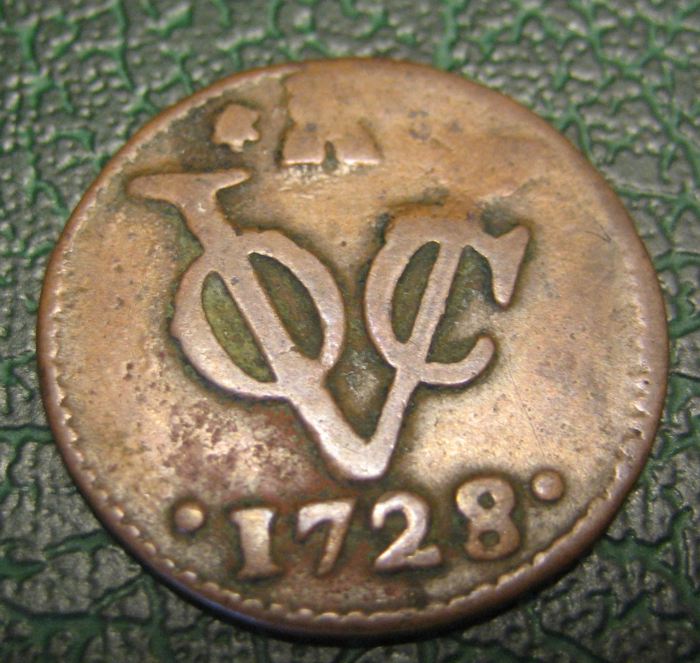 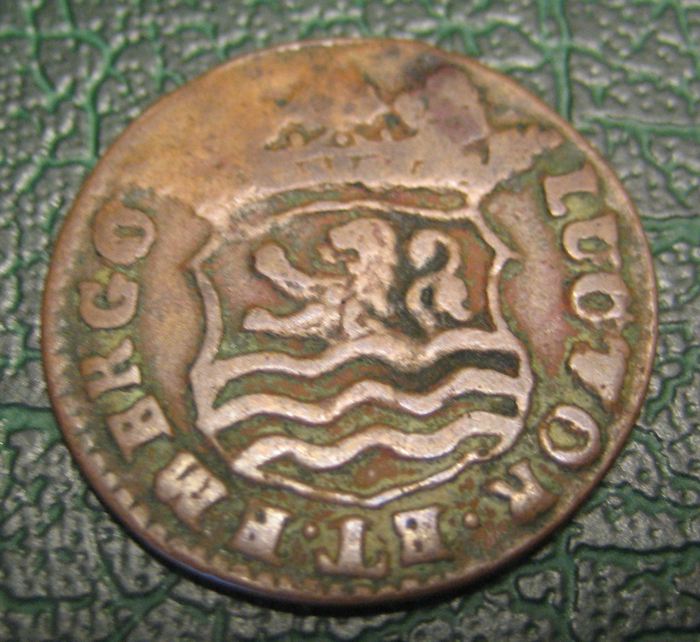
|
| |
Replies: 1,992 / Views: 288,483 |








 First Page
 Previous Page


 Posted 06/13/2011 5:26 pm


