| Author |
 Replies: 22 / Views: 3,765 Replies: 22 / Views: 3,765 |
|
New Member
United States
9 Posts |
I found a 1930 Wheat penny that looks like the copper is peeling away from the reverse leaving a silver color. I looked under high magnification and that is actually what is happening. How is this possible if it is 95% copper and was struck before 1982? |
|
|
|
Moderator
 United States
6563 Posts |
 Got Pics? |
|
Pillar of the Community
United States
2049 Posts |
I have one just like that but it's only happening on the reverse. I picked it up at a coin show in one of those bargain bins so maybe the dealer figured the error was bad enough that it devalued the coin greatly.
How do you add a picture to a post?
|
|
Moderator
United States
6563 Posts |
|
|
Pillar of the Community
United States
2049 Posts |
Here is a picture of mine 1932-D 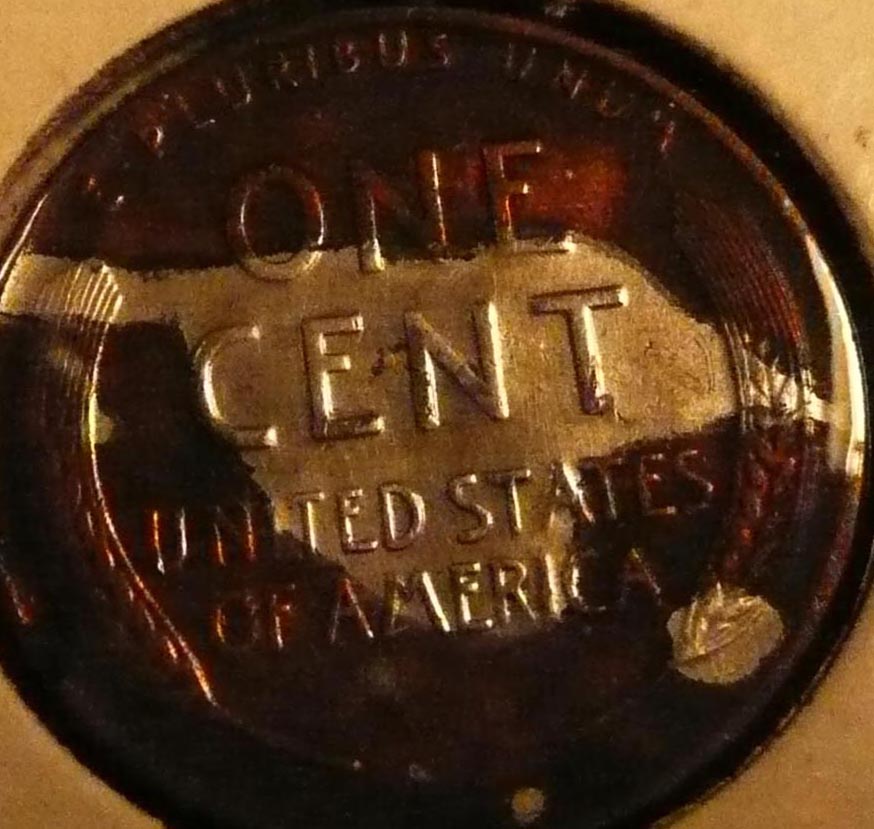 |
|
Moderator
United States
6563 Posts |
Looks like it was in the ground for quite some time...however the detail is quite nice still
|
|
New Member
 United States
9 Posts |
Here is a Pic... 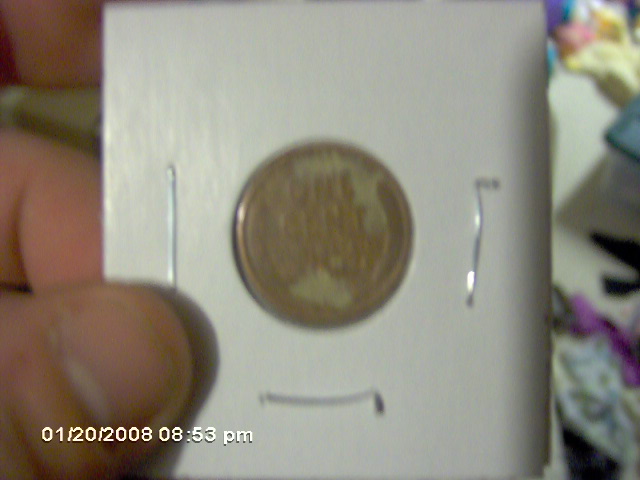 |
|
Pillar of the Community
United States
2049 Posts |
Looks like it was in the ground for quite some time...however the detail is quite nice still
Do you think that's what caused it? I agree with the original poster in that this is supposed to be 95% copper but it almost seems like it is a zinc base with a copper coating that is coming off. Does that make sense?
|
|
Moderator
United States
6563 Posts |
Looks like both of them had some type of contact with some chemicals that changed the color of them. I'm gonna sit back and wait for some of the experts views
|
|
Pillar of the Community
United States
2049 Posts |
Quote:
Looks like both of them had some type of contact with some chemicals that changed the color of them. I'm gonna sit back and wait for some of the experts views That was my first thought when I saw it and bought it, but then the local coin shop that specializes in errors said it looked like a lamination error and he didnt think it was from being in contact with a chemical. It's still a mystery to me. |
|
New Member
United States
9 Posts |
Everybody I have talked to said it is impossible to be a lamination error due to the fact that it would be copper underneath and not zinc. Also no way a chemical did it or the edges of the flake would be gradual. You can also take your fingernail and flake more off.
|
|
Pillar of the Community
United States
7629 Posts |
I doubt either of these are errors - both appear to be environmental damage of some sort.
|
|
Pillar of the Community
United States
2049 Posts |
Quote:
I doubt either of these are errors - both appear to be environmental damage of some sort. Fair enough but on mine it clearly looks like the top layer of copper came off exposing zinc below. So my question is how are these coins made if they are 95% copper and 5% zinc? Is it a copper core, then dipped in zinc, and then dipped in copper again? I am trying to learn how this could look this way. Or do you think there is any chance that some zinc metal was on the die at the time of stamping? |
|
New Member
United States
9 Posts |
Could not possibly be environmental damage. I can actually take a piece of sharp plastic and flake more of the copper off. The planchet under a microscope has the same surface as the metal zinc. This is a zinc penny with a copper coating. 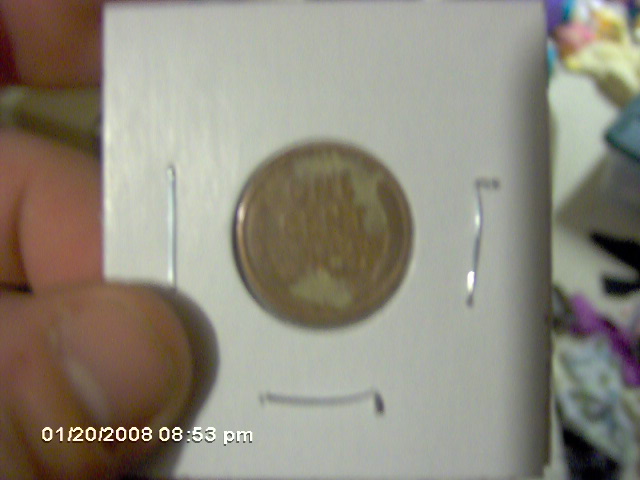 |
|
Pillar of the Community
United States
2049 Posts |
Could not possibly be enviromental damage. I can actually take a piece of sharp plastic and flake more of the copper off. The planchet under a microscope has the same surface as the metal zinc. This is a zinc penny with a copper coating. That's what mine seems to be too. Has anyone here taken a common Wheat penny and it cut it in half so see what the composition is? |
|
New Member
United States
9 Posts |
after I found this coin, I took 5 1930 wheats and scratched them. Not one of them showed any zinc. I then cut them in half. (I know its not legal, but its for the cause) All of them are solid copper.
|
| |
Replies: 22 / Views: 3,765 |










 Posted 01/20/2008 11:47 pm


