| Author |
 Replies: 17 / Views: 4,600 Replies: 17 / Views: 4,600 |
|
Bedrock of the Community
United States
62064 Posts |
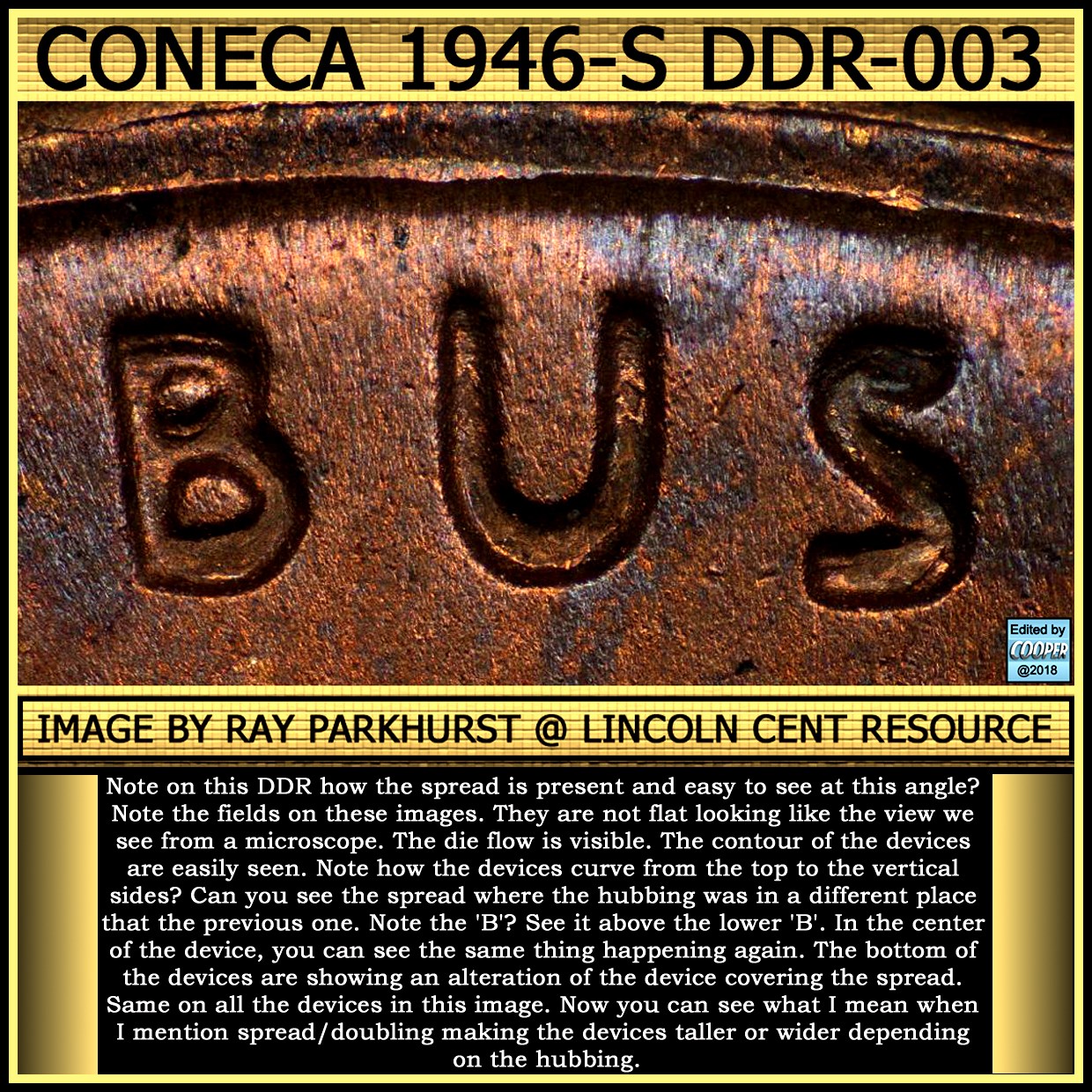
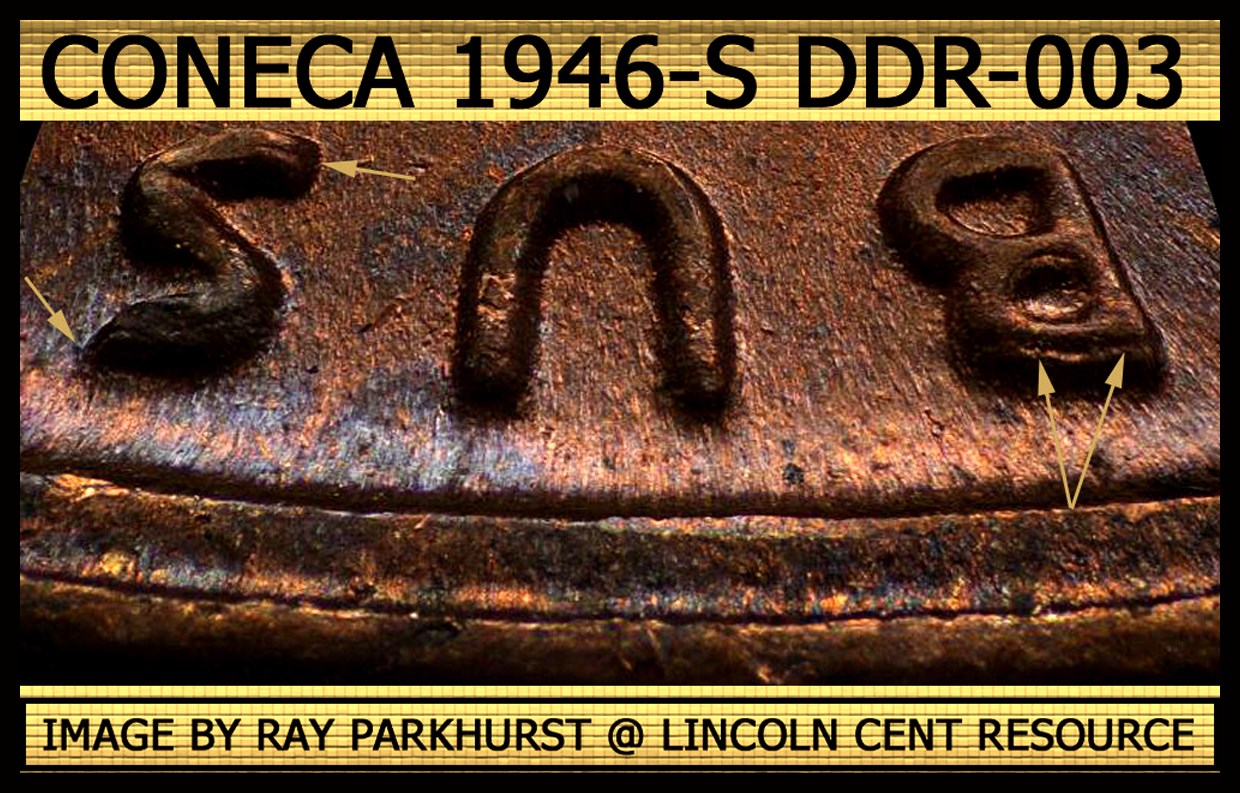
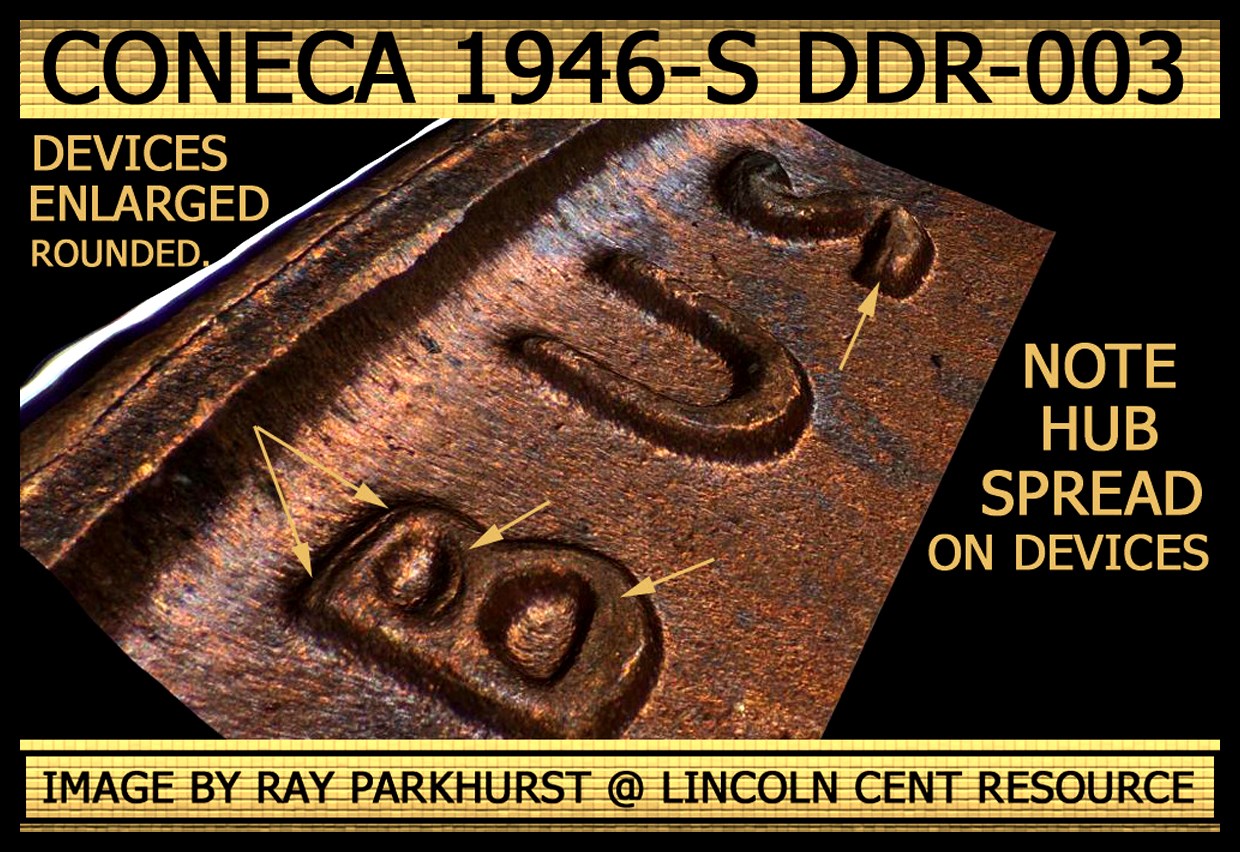
A closer view of Machine Doubling and varieties. Let's take a birds eye view of doubled dies that a friend created a few years ago. They will help us view the devices on a coin in a new way. It's view looks over the devices and you can see the contour, and the fields on doubled dies and machine doubled coins easier. With this view it will help you realize what I see on MD coins. We get a lot of questions about these from new members. So lets try to be able to help them a bit more. Well on another forum and on a friend who could take 3-D images of a coin. This involved taking many images at different angles, to make one image out of all of them. Seeing this from that view point, makes you feel like you were almost standing there. Well lets take a look and see them that way: Here is a DDR on a Wheat cent. You can see the spread I'm always talking about, very clearly on these images:
Next we are going to look at a couple of RPMs. Many times new ones will say I have something on my coin, and it looks like whatever they see. But in order for this to be a die issue, a punching issue or a hubbing issue, it need to rise from the fields. Well the first set of images shows this rise above the fields nicely:
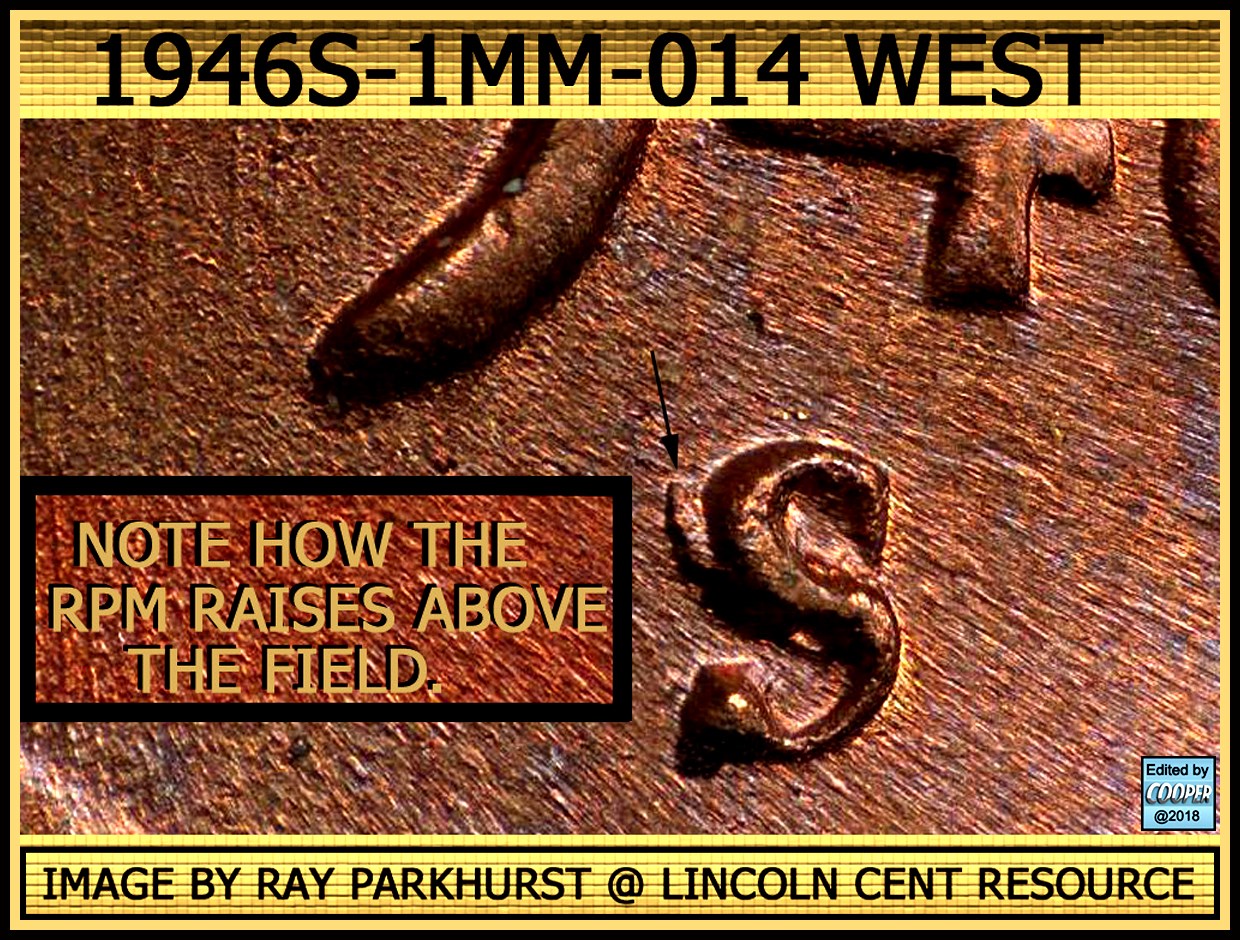
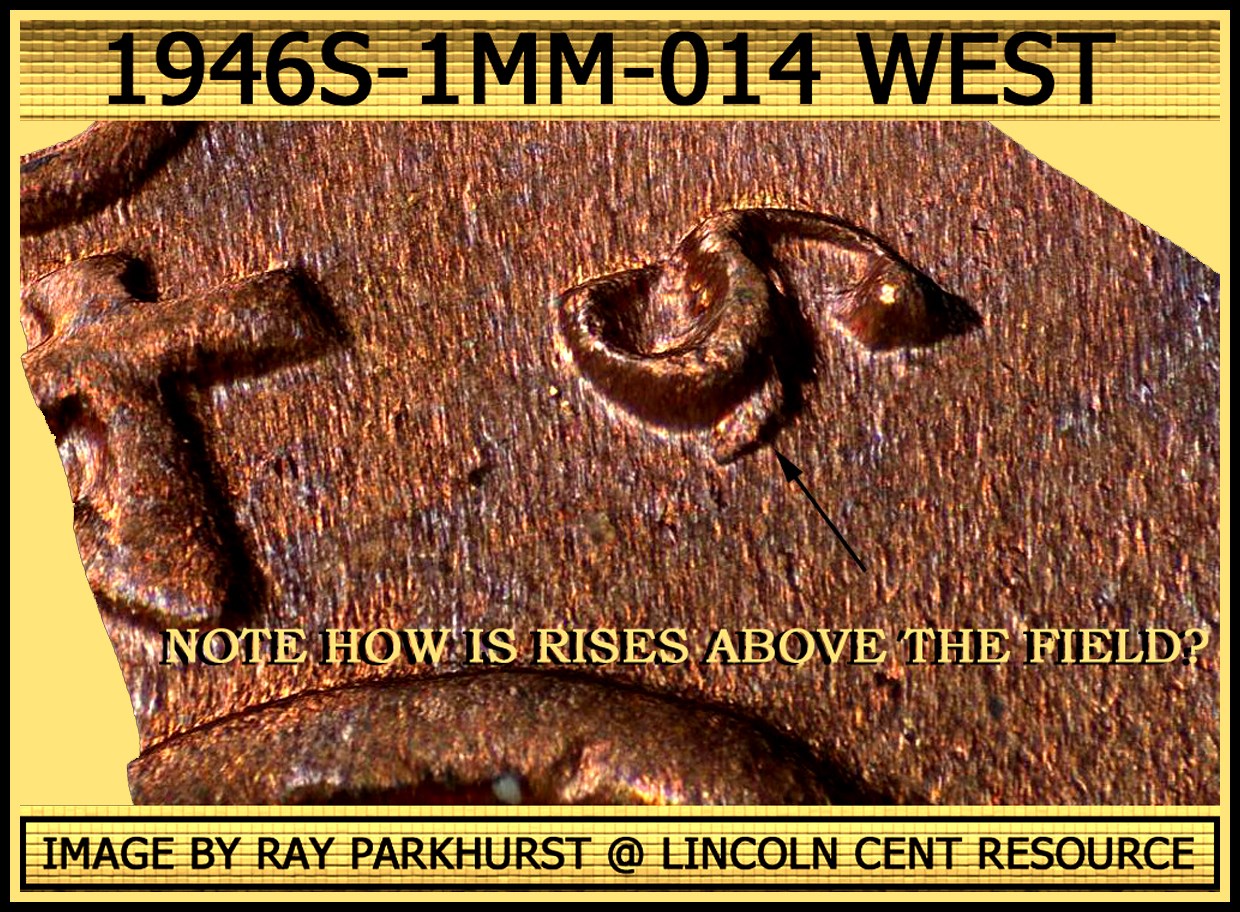
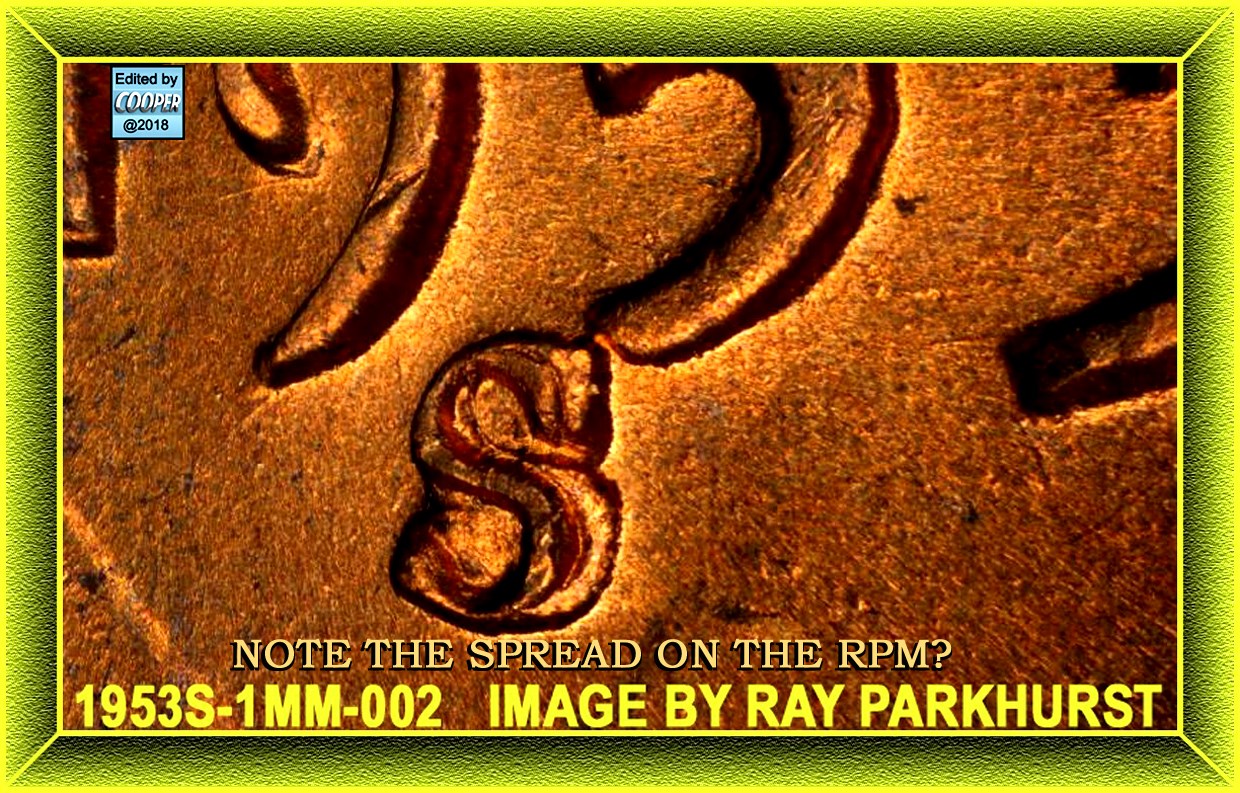
The next set of images will also show spread on a RPMs, between two different locations of the punchings:


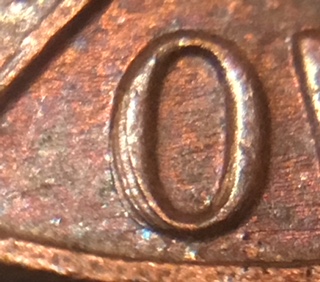
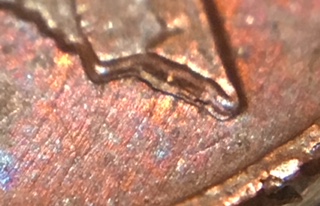
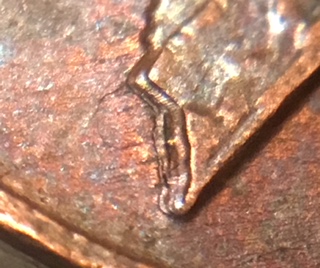
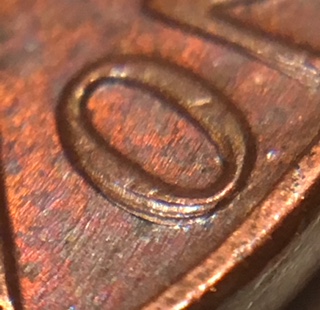
Now with the same type of view, we are going to show how Machine Doubling affects the devices. I'm always mentioning a reduction of the devices. But I don't think some realize yet, what I'm referring to. This reduction can occur at any level of the affected edge of the devices. Higher, mid or lower parts of the devices. Depending on bounce, swing, sway or what ever else can happen. You'll note this easier on these examples, that just one side of the devices is affected. The other is normal with the contour present. A contour is the way a normal device looks like, before they are damaged by the machine after the strike:



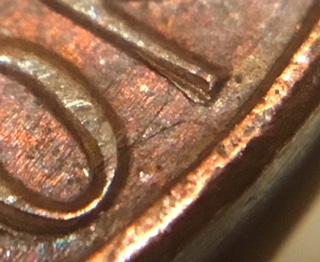
The last section is of a 1957-D Cent with an issue with strong Machine Doubling. On this one you can see the bounce and push of the devices after the strike. This push that can happen affects the edge between the MD and the normal shape of the device. This should show how the devices are reduced: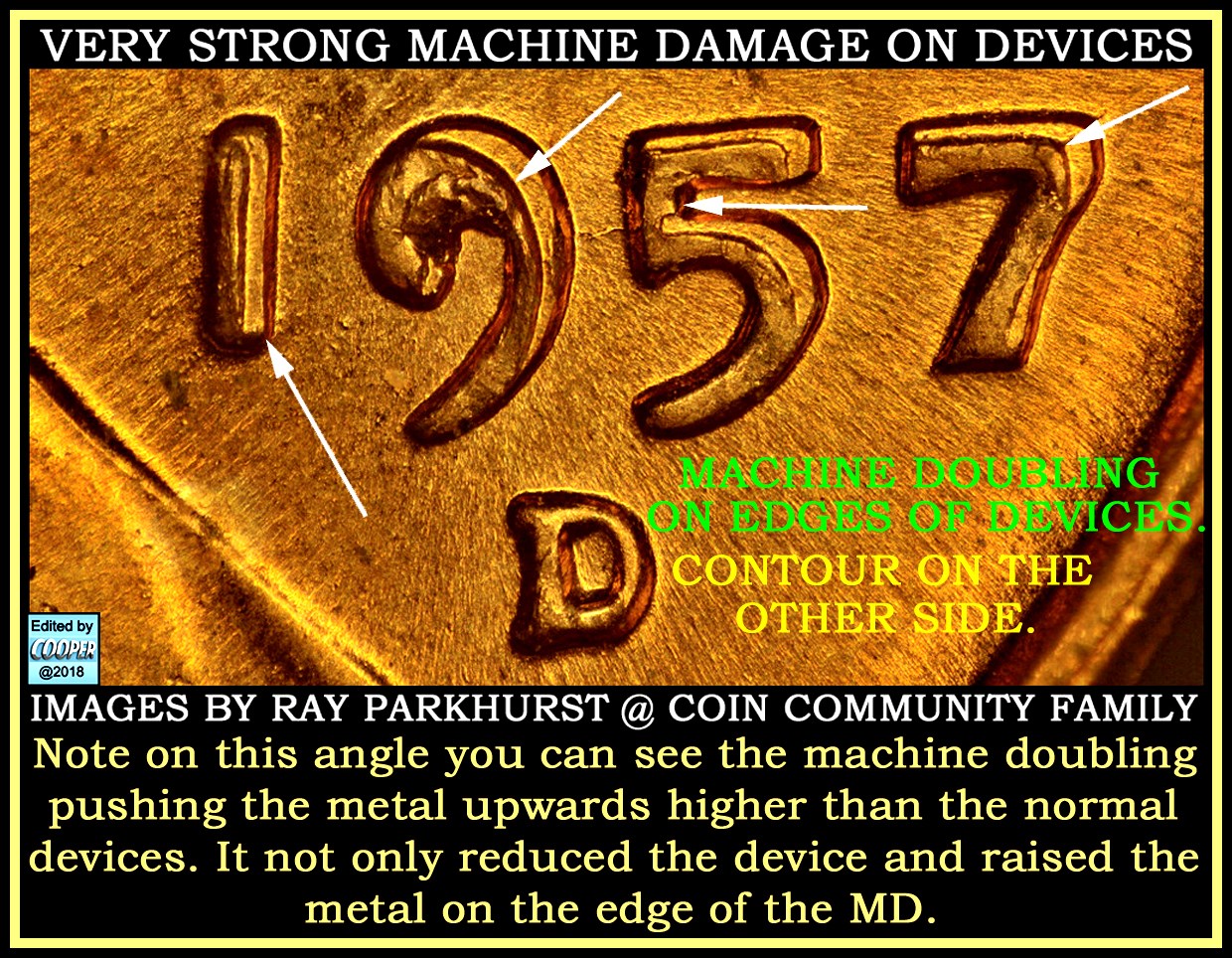 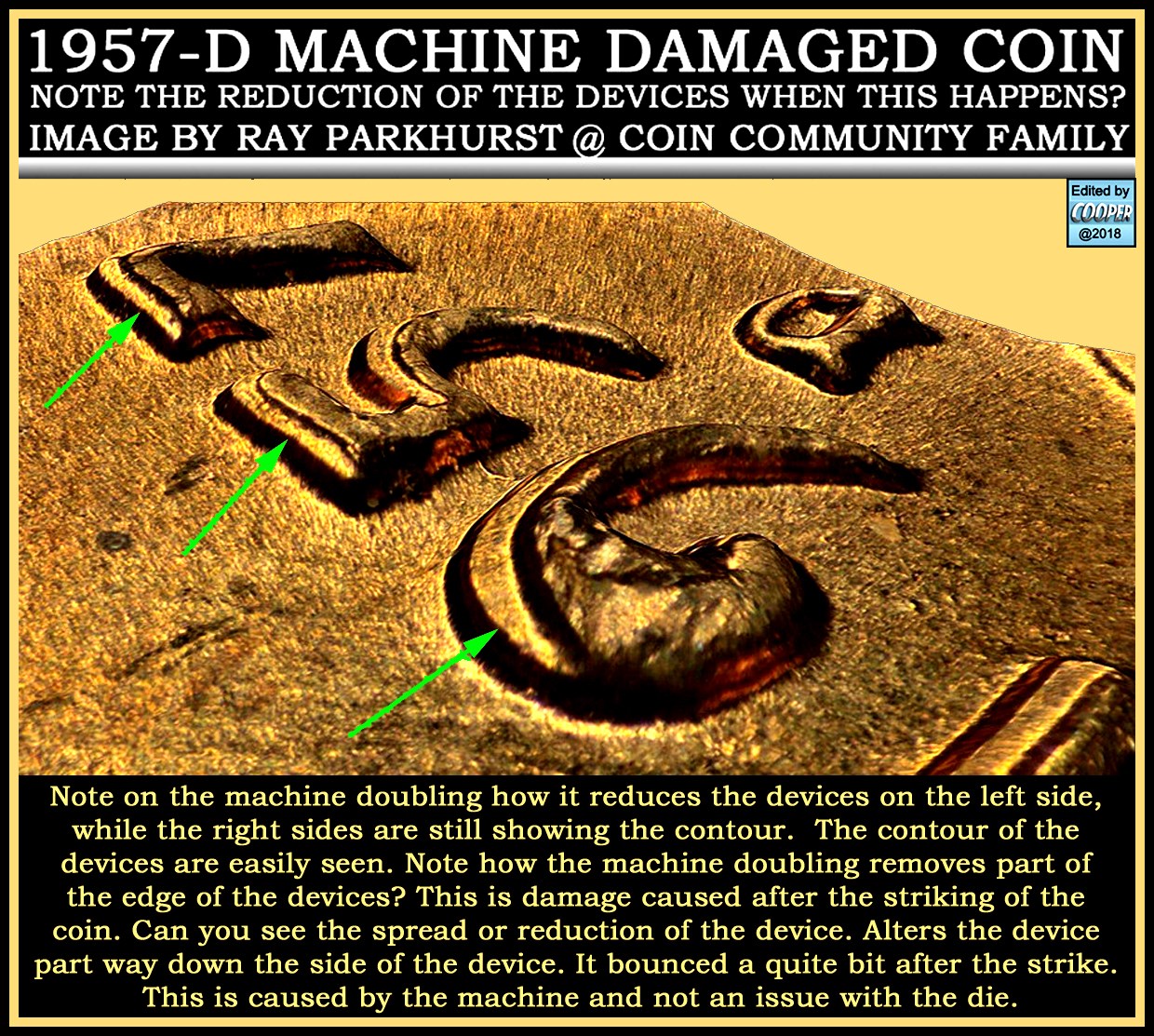 So I help this will show you a new view of the devices in 3-D. Thanks a lot Ray for the images. They are a lot work for him to make, but I feel they are worth the effort. Enjoy. Edited by coop
12/30/2018 6:40 pm
|
|
|
|
Pillar of the Community
United States
3745 Posts |
coop, Thank you for posting this. The photos are awesome.
|
|
Bedrock of the Community
 United States
62064 Posts |
Just what I do. I've had them for years and posted some before, but decided to use them to help explain thing even easier. CoopHome : 3-D Doubled dies MD |
|
Bedrock of the Community
United States
79555 Posts |
Definitely a good and very worthy thread! It's a very important one.
Errers and Varietys.
|
|
Moderator
 United States
34563 Posts |
@coop, you have an SEM in your basement to take these pics?  Well done. "If you climb a good tree, you get a push."
-----Ghanaian proverb
"The danger we all now face is distinguishing between what is authentic and what is performed."
-----King Adz
|
|
Bedrock of the Community
United States
62064 Posts |
|
|
Moderator
United States
34563 Posts |
Ah sorry for the acronym. Those are amazing photos for light photography. They almost look like they were taken with a Scanning Electron Microscope (SEM).
"If you climb a good tree, you get a push."
-----Ghanaian proverb
"The danger we all now face is distinguishing between what is authentic and what is performed."
-----King Adz
|
|
Pillar of the Community
United States
2260 Posts |
Love it when you do post like this. Distinguishing the difference between a double die and machine damage is one of the most challenging aspects of searching for me.
|
|
Valued Member
United States
189 Posts |
Thanks a lot coop, I always appreciate you commenting on my post to try and help me out. You have actually commented on all of mine, and I can't tell you how appreciative I am for that. You Rock Sir
|
|
Pillar of the Community
United States
6196 Posts |
Of interest, maybe, is that these machine doubled coins are not unique. It is not a one-time and done thing, but something that occurs the same or similarly on several to many coins. Apparently, or at least from what I have observed. My example will be the very strong 1957-D that is used above. This die has become quite valuable to some collectors and it is by far the MD coin with the highest premium I know of. 1957-D Lincoln Wheat cent with machine doubled date (4 different examples) 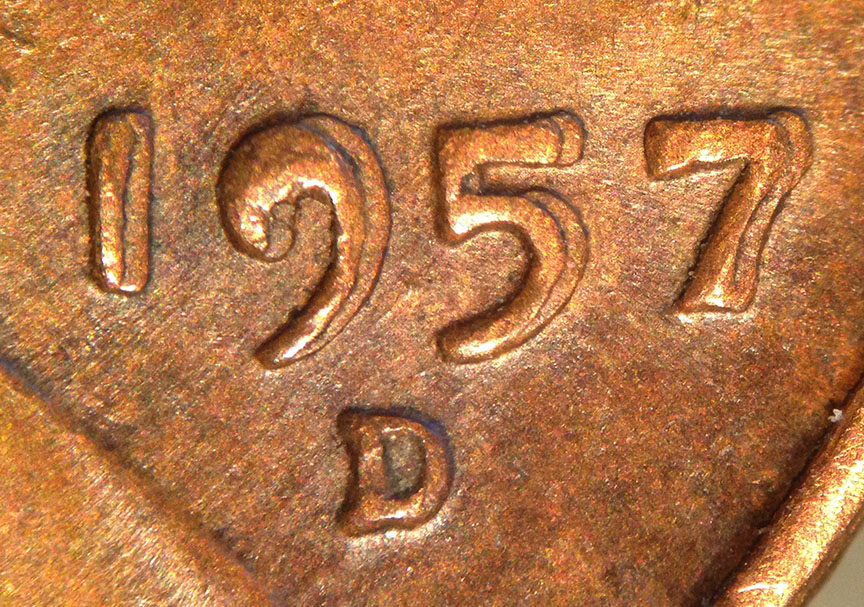 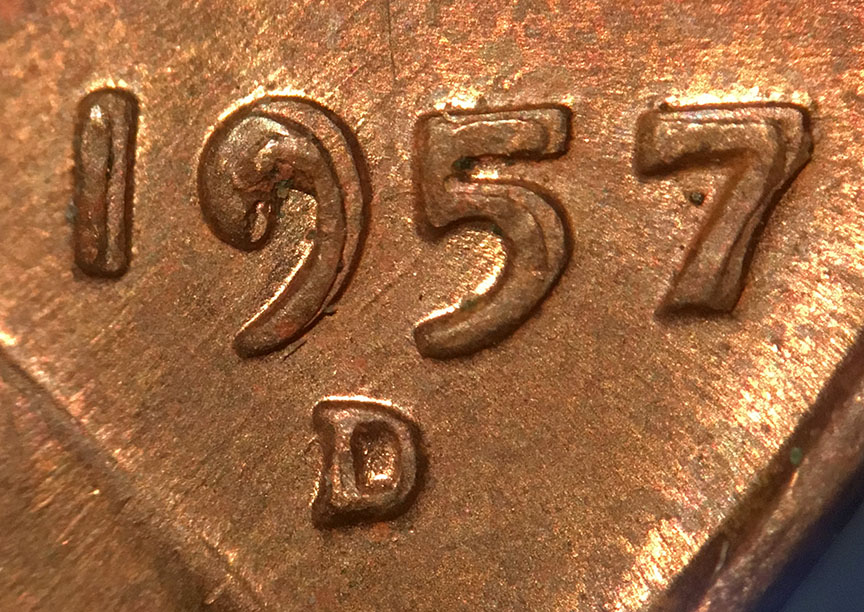 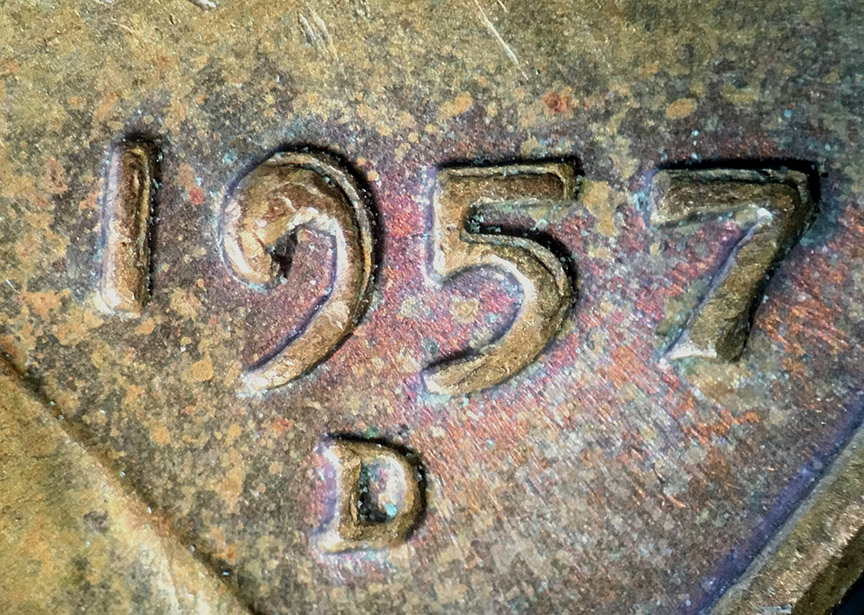 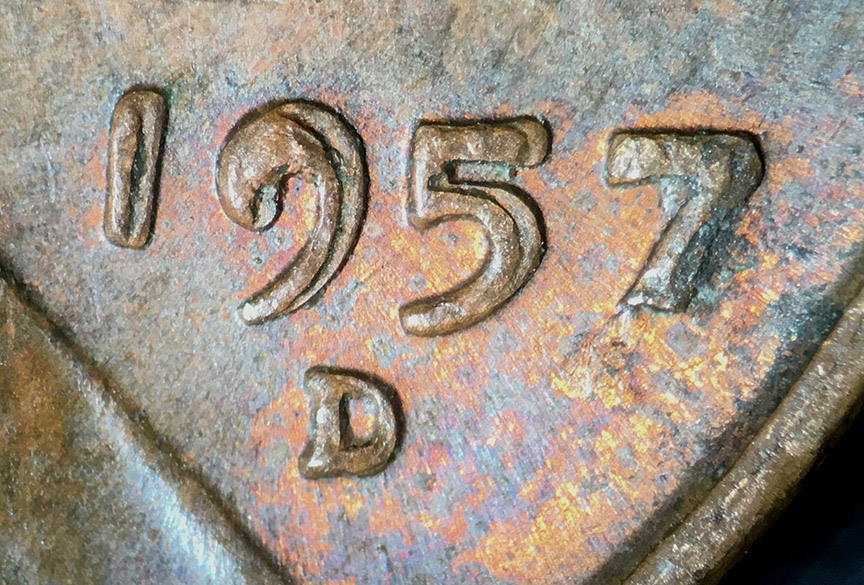 |
|
Valued Member
United States
189 Posts |
I never knew any MD coins carried a premium, thanks for tidbit. Is it the most extreme examples of MD that carry premiums? Or something else?
|
|
Pillar of the Community
United States
5240 Posts |
|
|
Bedrock of the Community
United States
62064 Posts |
Most people who buy them think they found the holy grail of doubled dies, until they try to sell them and find out they are not a doubled die. Another extreme one: 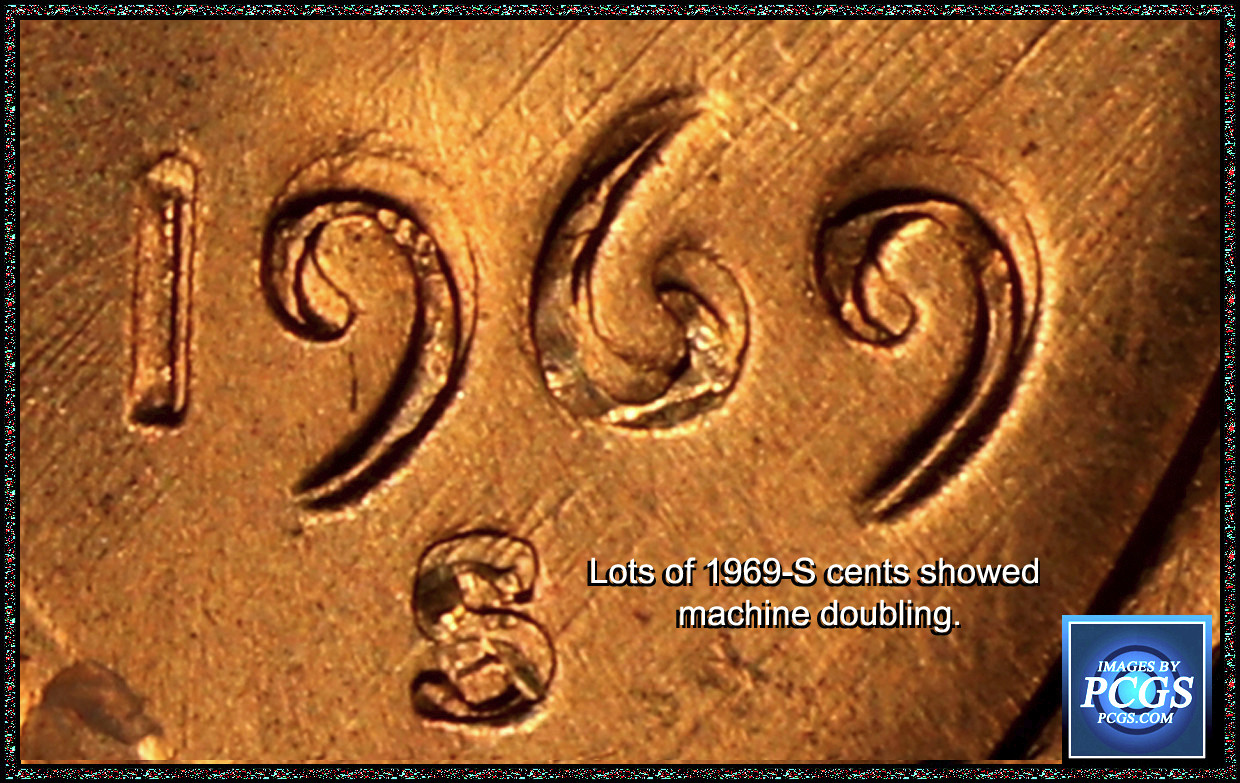 Submitted and graded by PCGS. Normal coin though with MD. They don't figure Machine Doubling as an negative. But I'd never buy a machine doubled, doubled die. (yes that happens also) 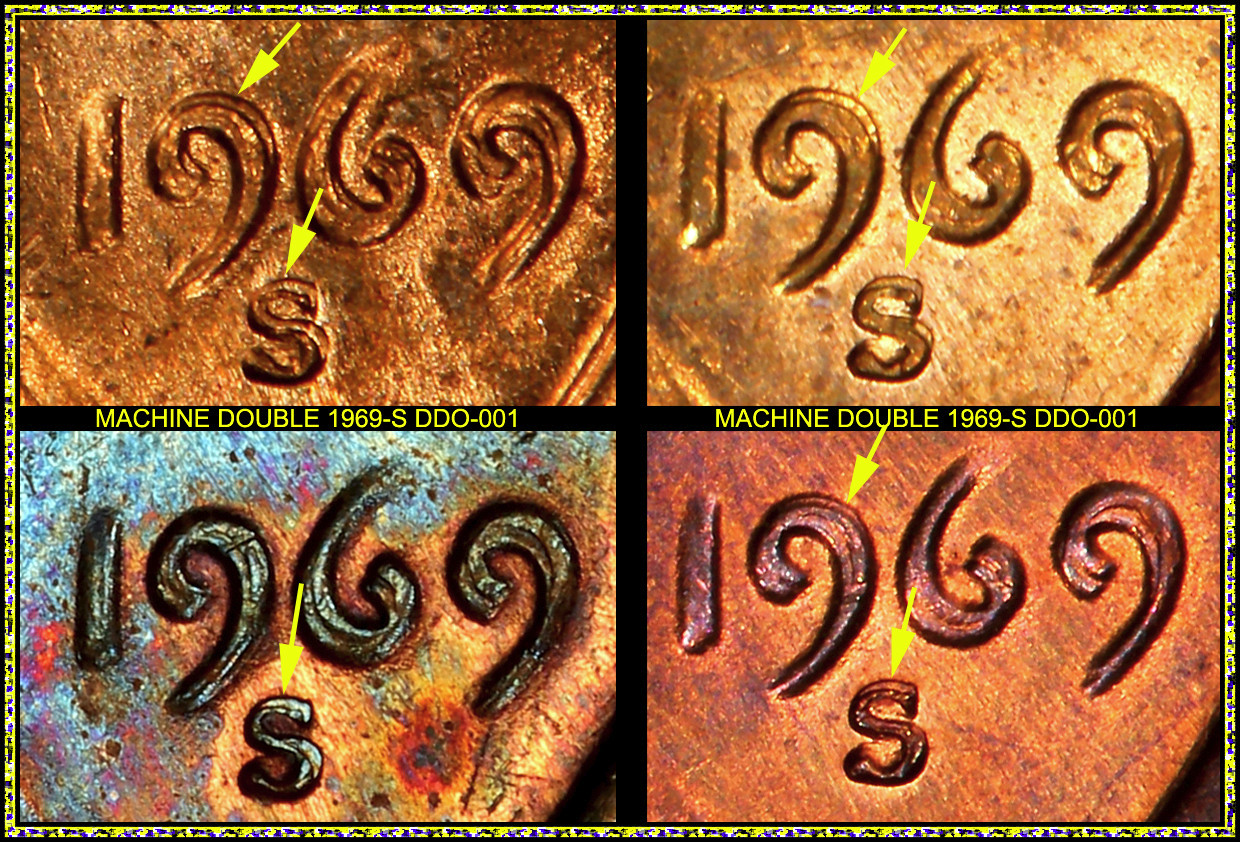 A large percentage of this DDO has Machine Doubling on them. A large percentage of this DDO has Machine Doubling on them.Edited by coop
12/31/2018 1:43 pm
|
|
Pillar of the Community
United States
5240 Posts |
When I first started in November of 2017, every time I saw md I thought I struck gold! Ive learned a lot in a year. The only reason this one is in a 2x2 is because of it being a quad MD. I haven't seen anything like it since.
Edited by Jim0815
12/31/2018 1:45 pm
|
|
Bedrock of the Community
United States
62064 Posts |
Well it all happened during just one strike. The machine mush have been very loose that day. Machine Doubling doesn't follow any rules. What happens, happens after the strike. Kind of like a motor blowing up. What happens, happens. |
|
Pillar of the Community
United States
6196 Posts |
Hey Jim! That's a spiffy quad you've got. Only seen that once or twice ever, and not nearly as strong as yours. Very nice keeper there. And yes, there actually are quad doubled dies known, although not many. One of them is on an Accent Hair 1964 Proof Lincoln half which makes it a double cherrypicker variety. PCGS puts QDR on the label instead of DDR like ANACS does. 1964 Kennedy half dollar accent hair quadruple die DDR-003 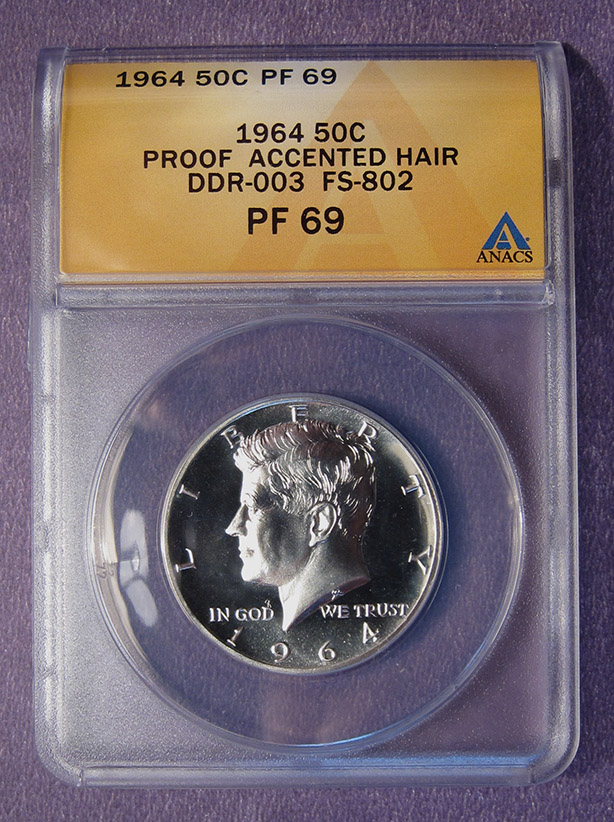 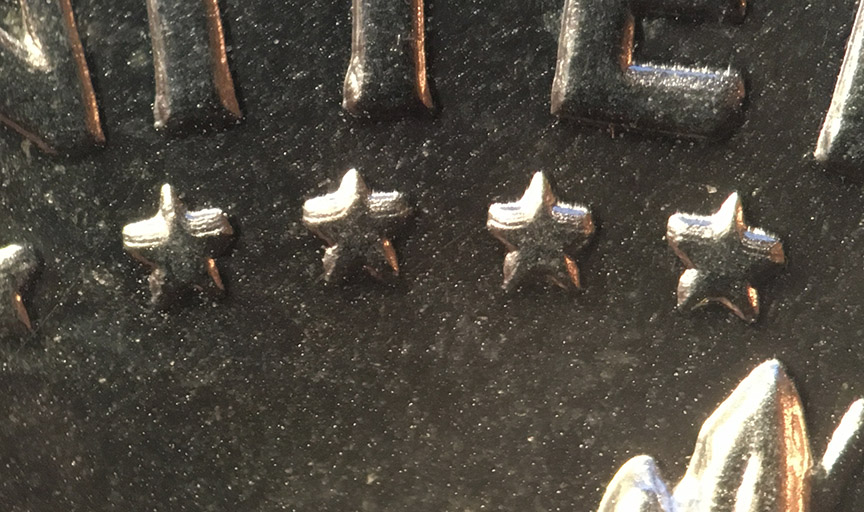 |
| |
Replies: 17 / Views: 4,600 |







 Posted 12/30/2018 6:51 pm