| Author |
 Replies: 22 / Views: 3,027 Replies: 22 / Views: 3,027 |
|
New Member
United States
2 Posts |
Hello all. I'm a newbie here and only been collecting coins for the last three year's. A few months ago I was searching through 2020-D uncirculated Lincoln Shield cent roll's when I discovered this cents reverse was missing the bottom portion of the third stripe from the left. It really stands out. Real eye pop appeal! 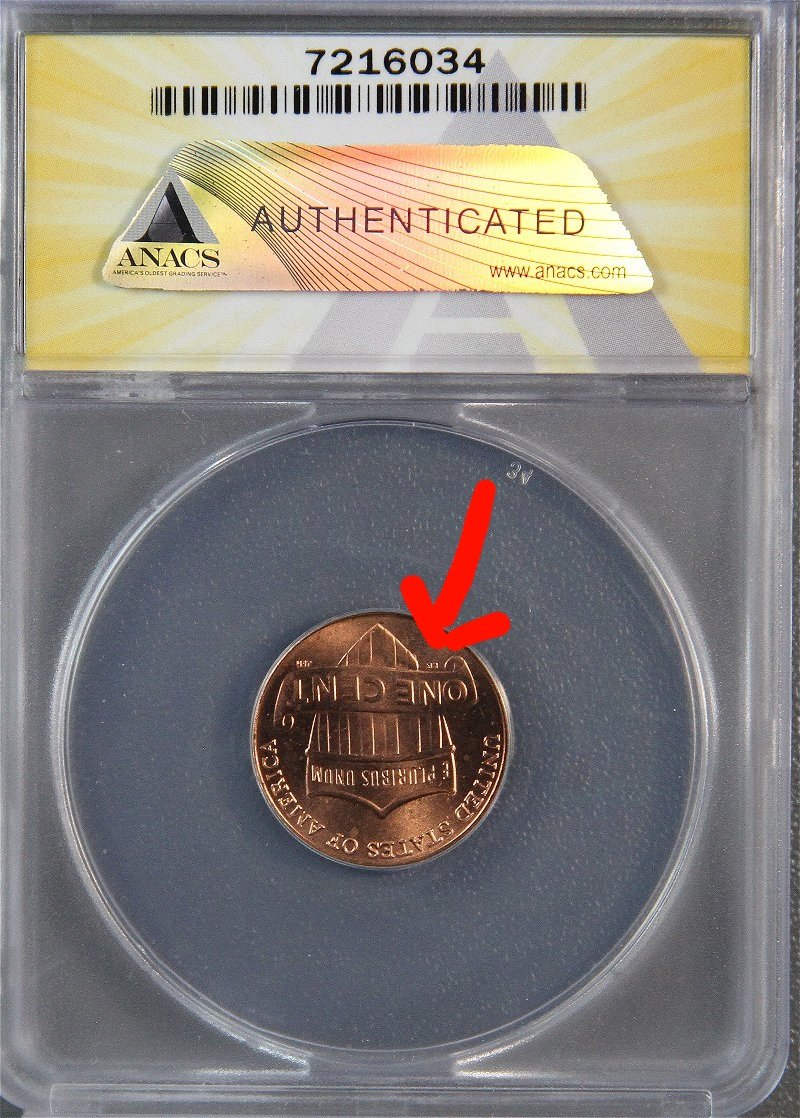 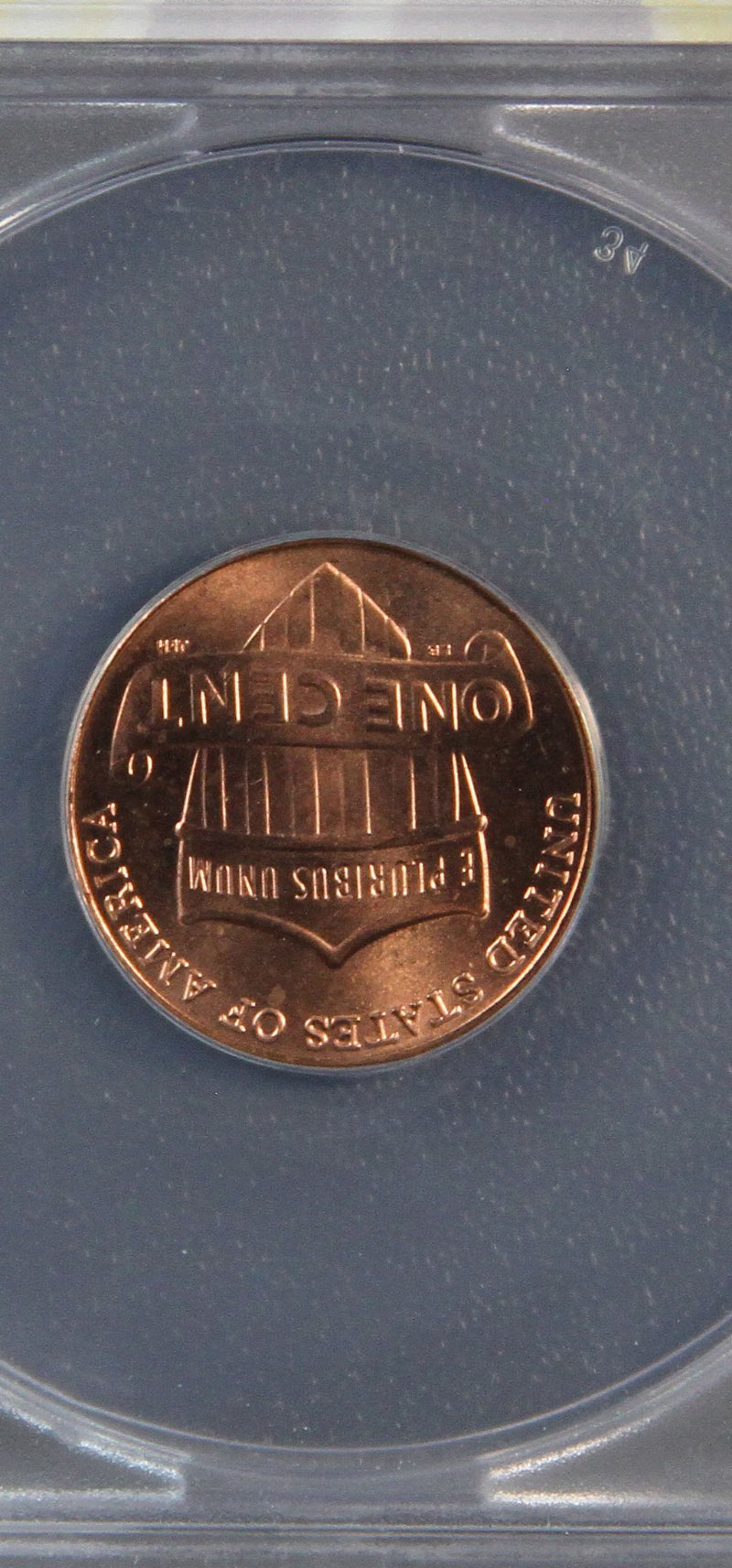 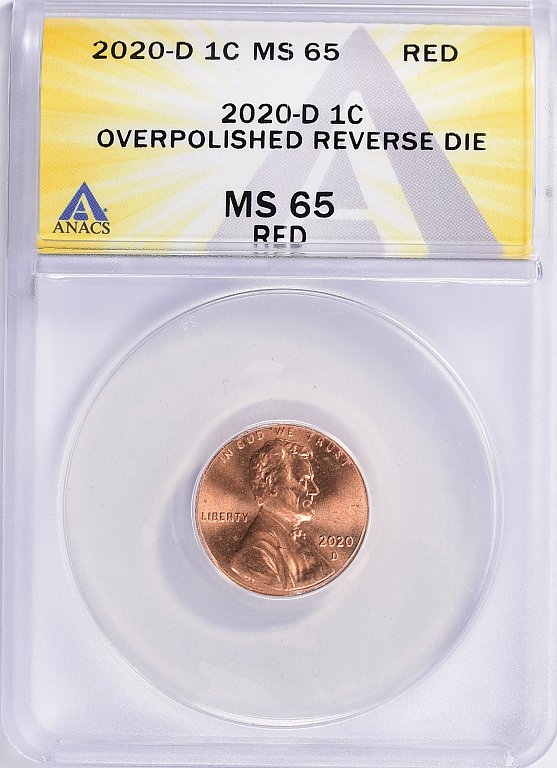 |
|
|
|
Bedrock of the Community
United States
19536 Posts |
|
|
Moderator
 United States
105948 Posts |
yep, an over polished reverse die. Over polishing is fairly common on dies before they are forced to retire them from the presses.
|
|
Moderator
United States
56855 Posts |
 . That is what it is. IMHO,was not worth having it graded/slabbed. Interesting though. John1  |
|
Bedrock of the Community
United States
94367 Posts |
Must agree. to the CCF! |
|
Pillar of the Community
United States
7578 Posts |
Quote:
IMHO,was not worth having it graded/slabbed Me too but if you are happy with it,that's what counts. to Community. |
|
Pillar of the Community
United States
1667 Posts |
found it on Great Collections also.... Best of luck to ya, hopefully you get your grading fees from it.
Edited by Big-Kingdom
01/11/2022 11:53 am
|
|
Bedrock of the Community
Canada
21869 Posts |
to the CCF FYI An overpolished die is neither an error or a variety, that is why it is not a new discovery. It is an acceptable part of the minting process |
|
Valued Member
United States
426 Posts |
Quote:
. yep, an over polished reverse die. Over polishing is fairly common on dies before they are forced to retire them from the presses. Yeah fairly common but I'd say fairly rare I mean how often does come across over polished shield cent dies when coin roll hunting or in change. Not very often Sri still rare in a sense. But yea I've seen a few of these on ebay but the people selling are tying to make a killing on them sad to see. |
|
Pillar of the Community
 United States
6514 Posts |
Welcome to the Forum. You've come to a phenomenal place to share and learn. Explore and Enjoy!
|
|
Bedrock of the Community
United States
10635 Posts |
I agree with JimmyD's statement. Not a new discovery, but good eye spotting it!  to the CCF!  |
|
Valued Member
United States
367 Posts |
Wait a minute. Weren't the 1966, 1972-D and 1982-P No FG Kennedy half dollars resulting from an over polished die confirmed to be a 'New Discovery" and a "New Variety"? Those were all new varieties that are now listed on PCGS and valued as coins worth a premium value. Why couldn't this Shield cent which has no third stripe on the Reverse resulting from an over polished die also be considered to be a new variety? If not, what's the difference? Why can't this also be considered a new variety? If not, someone please explain..... |
|
Bedrock of the Community
United States
62064 Posts |
A variety coin starts off with the variety on the first strike. A die event is what this coin has. As the die aged, the coin was polished and it altered the die on that area. (Probably an event with a damaged Feeder Finger Damage) 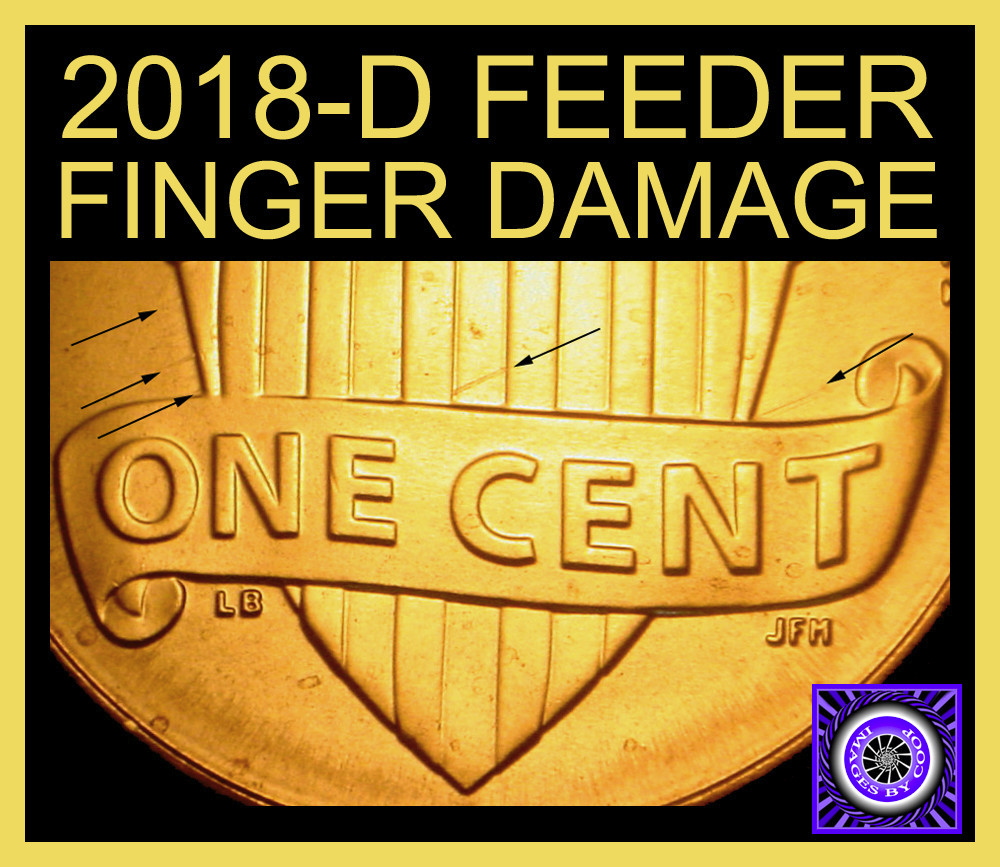 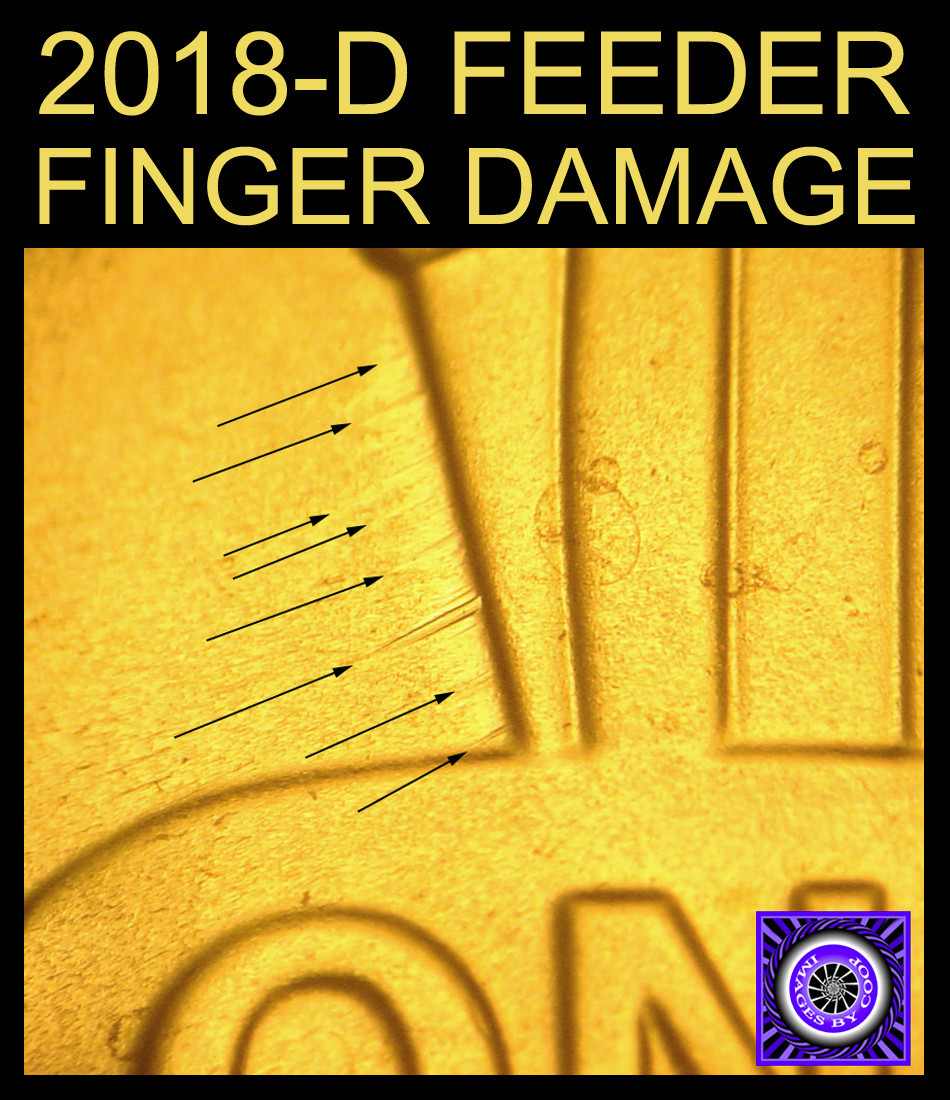 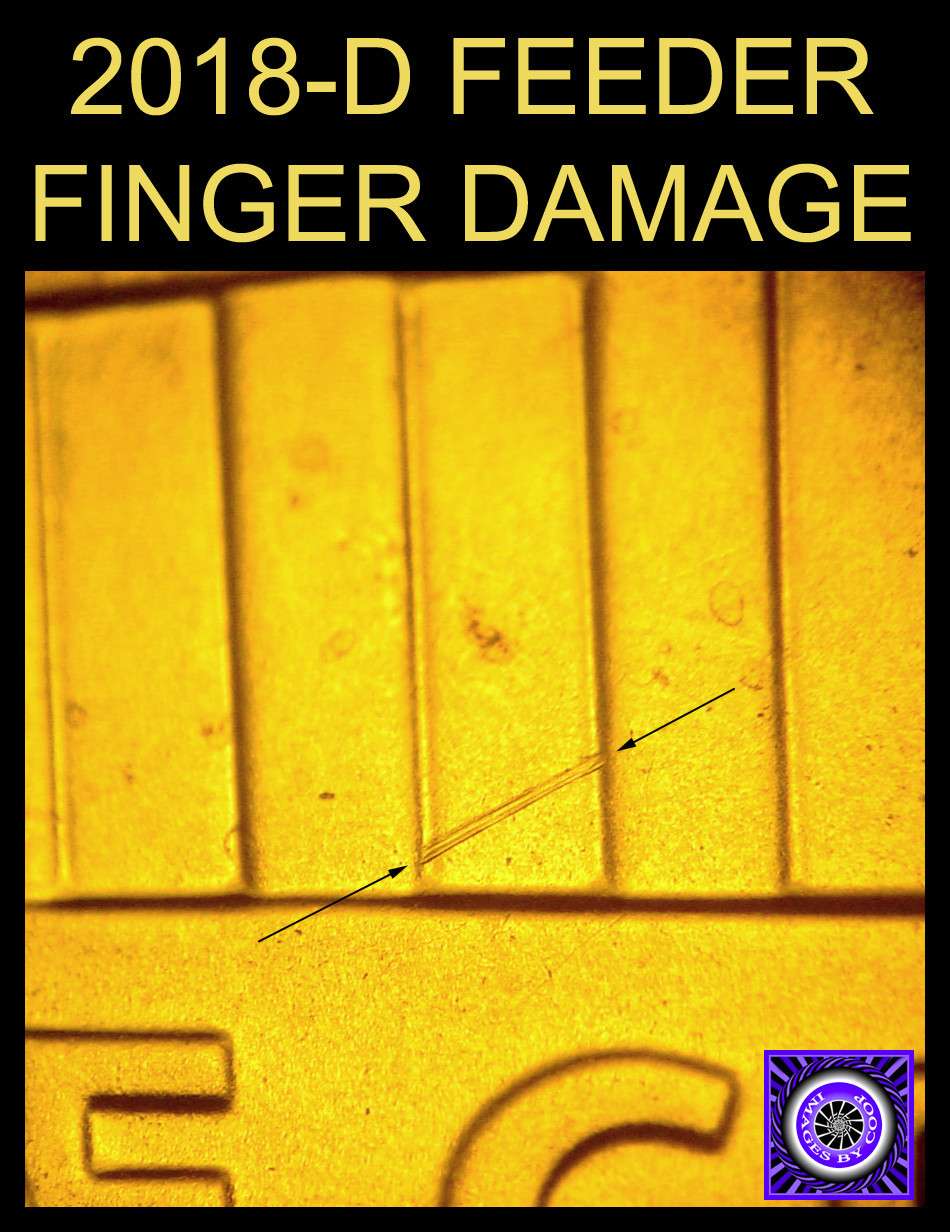 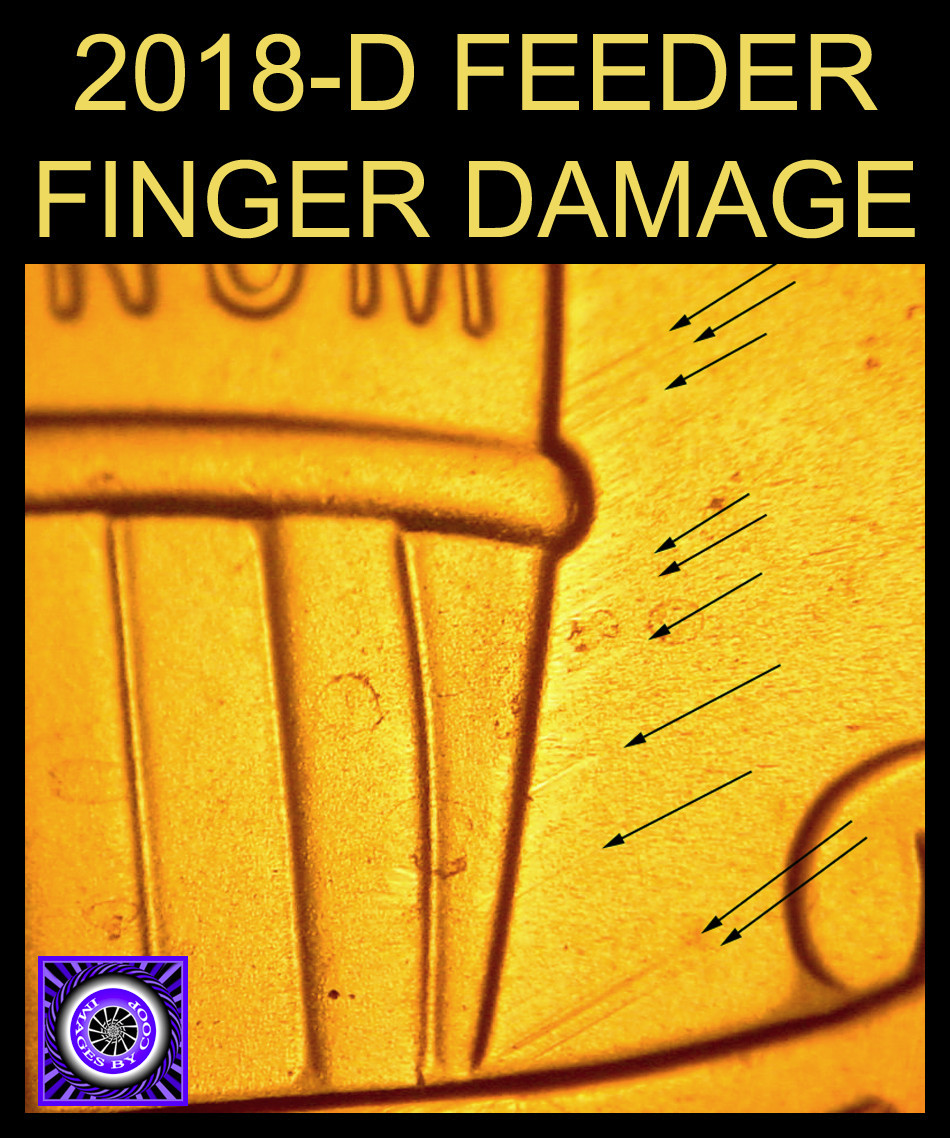 This example is a very minor one. But the strong examples would have been seen on this coins dies before the polishing happened. When the die was rescued so it could be continued to be used, that event altered the coin. There were probably a few strikes that show that damage on the strikes. Those would be more interesting to me that a polished off device. (The grading companies are the ones who benefit from this miss information) |
|
Valued Member
United States
367 Posts |
This is confusing. If the U.S. Mint polishes a coin to extend the life of the die, and that polishing alters it from the original die design---then why do some have an issue in calling it a "variety?" Certainly, it's not in the same category as a Doubled Die, but it left the Mint in it's imperfect condition just as a Doubled Die does. Why can we not see both instances as being die events which result in a coin that is minted imperfectly and each be called a "variety?"
|
|
Bedrock of the Community
Canada
21869 Posts |
Quote:
Why can we not see both instances as being die events which result in a coin that is minted imperfectly and each be called a "variety?"
A Doubled Die is not a die event because it is on the hub that creates the Die so it is a variety.
A polished die was not on the Die originally but was added after the first coin was struck so it
is part of the minting process.
If you counted every polished die as a variety, there would be thousands of them out there.
It can't be an error as the polishing did not occur during the striking of the coin.
It cannot be a Variety as it was not on the Hub Die.
|
|
Pillar of the Community
Canada
6244 Posts |
I agree with Jimmy, and to add: The theorem of been rare we see more and more from people who imagine rarities.
To be clear, here we have an Denver coin. They run 42 presses for 720 coins strikes /min. An die is change basic, not necessary exact after 40K strikes, then go and will be re-polish and then back to work for another's 8 hours. If only 2 has this over polish at the end of production of 3B and more we will have approx. 1 million of those coins which are not really rare.
To compare early 1983 production with 2020 mean we eat a potato and thing we eat an avocado.
Edited by silviosi
01/12/2022 4:56 pm
|
| |
Replies: 22 / Views: 3,027 |









 Posted 01/11/2022 08:03 am


 Uncirculated American Silver Eagles


