Quote:
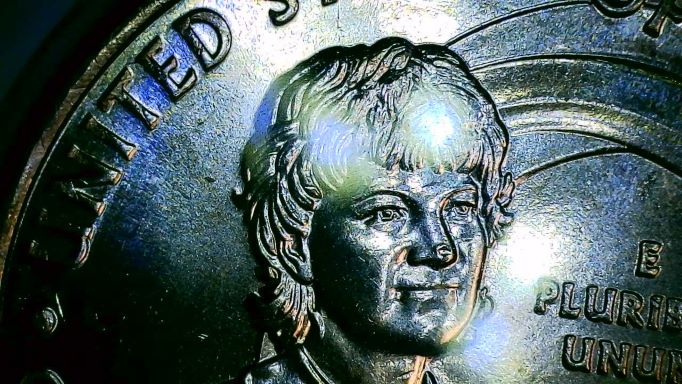
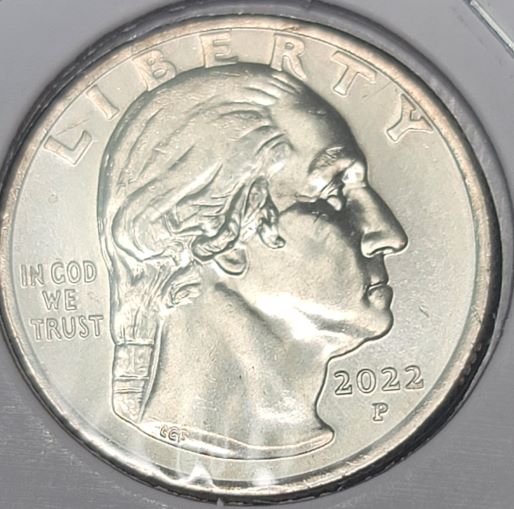
Is it true there is a Sally ride quarter with a ghost comet error?
Floating roof, Drooling George, Burning building, Ghost Comet...what do all these things have in common?
After a bit of experience in the hobby, most collectors understand the type of things (die chips, polished off details, etc.) mentioned are common, have been on coins forever, add no real value, and people all over are just now noticing these things due to microscopes being so inexpensive.
The coin collecting hobby puts no value on these things that I personally call "
ebay fad coins."

Since this is being written, and writing cannot convey attitude, please take the following as having no condescending or negative tones to it at all. This is just brutal honesty when it comes to these non-collectable and common anomalies.
Problem:
ebay fads.
1. Find a cutesy name to give a common error like a die chip.
2. List it as "L@@K RARE COIN ERROR!!!!" on
ebay for 50.00 BIN.
3. Get some poor sucker to spend the 50.00 and find, when they go to sell it, they have been taken for a ride.

Then there are those honest people who see a couple of the worthless coins sell for big bucks (not knowing the buyers have been suckered), decide to try their hand finding/selling "rare" coins," and are excited because they quickly find quite a few of these "rare" errors while being amazed at how "lucky" they are finding something worth so much money.

Oops.
Which is exactly why these coins are not rare errors...anyone can find them rather easily.
If you want to find some legitimate errors that the hobby puts some value to:
Save Yourself time, effort, and disappointment...don't learn the coin hobby backwards.

Looking for random anomalies on coins and hoping they match up to something collectable will take you a lot more time, wasted effort, and disappointment repeatedly finding out you have nothing but post mint damage or useless
Machine Doubling,
Die Deterioration, etc.
Spend some initial time at places like error-ref.com, doubleddie.com, varietyvista.com, conecaonline.org, coppercoins.com etc. to find what actual and collectable coin errors look like.
A good way to start is, for instance, separate a bunch of pennies by date. Go to varietyvista.com and, date by date, use the reference there to see what errors are known for that specific coin/mint mark. Look for those specific errors/varieties using the pictures provided. After doing this for awhile you will KNOW what an actual error looks like and not have to waste time on face value and damaged coins.









 Posted 06/02/2022 6:36 pm





 to the CCF Just because people are selling them doesn't make them an error. The people buying them don't know what they are doing also. And as far as a


