






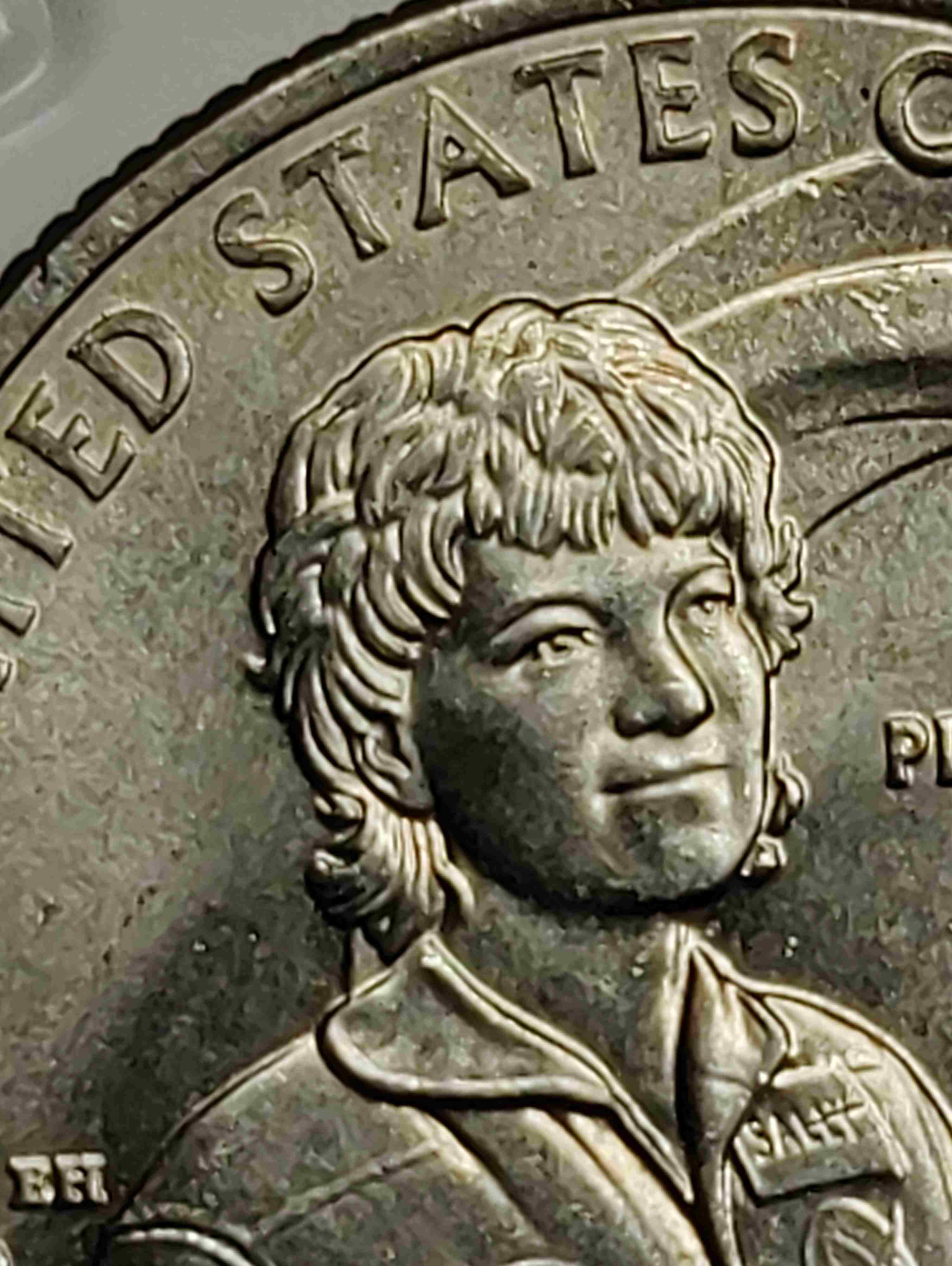
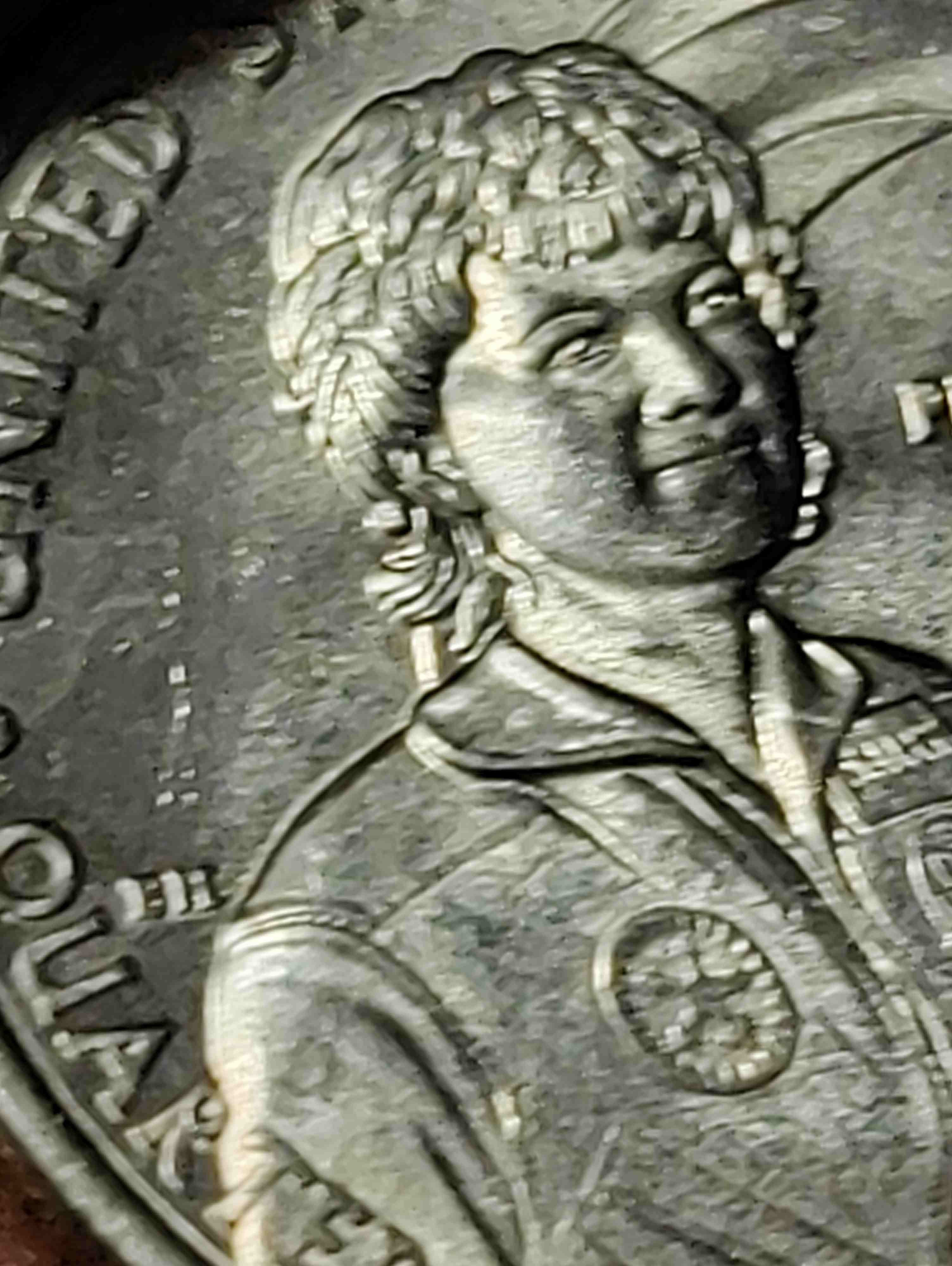
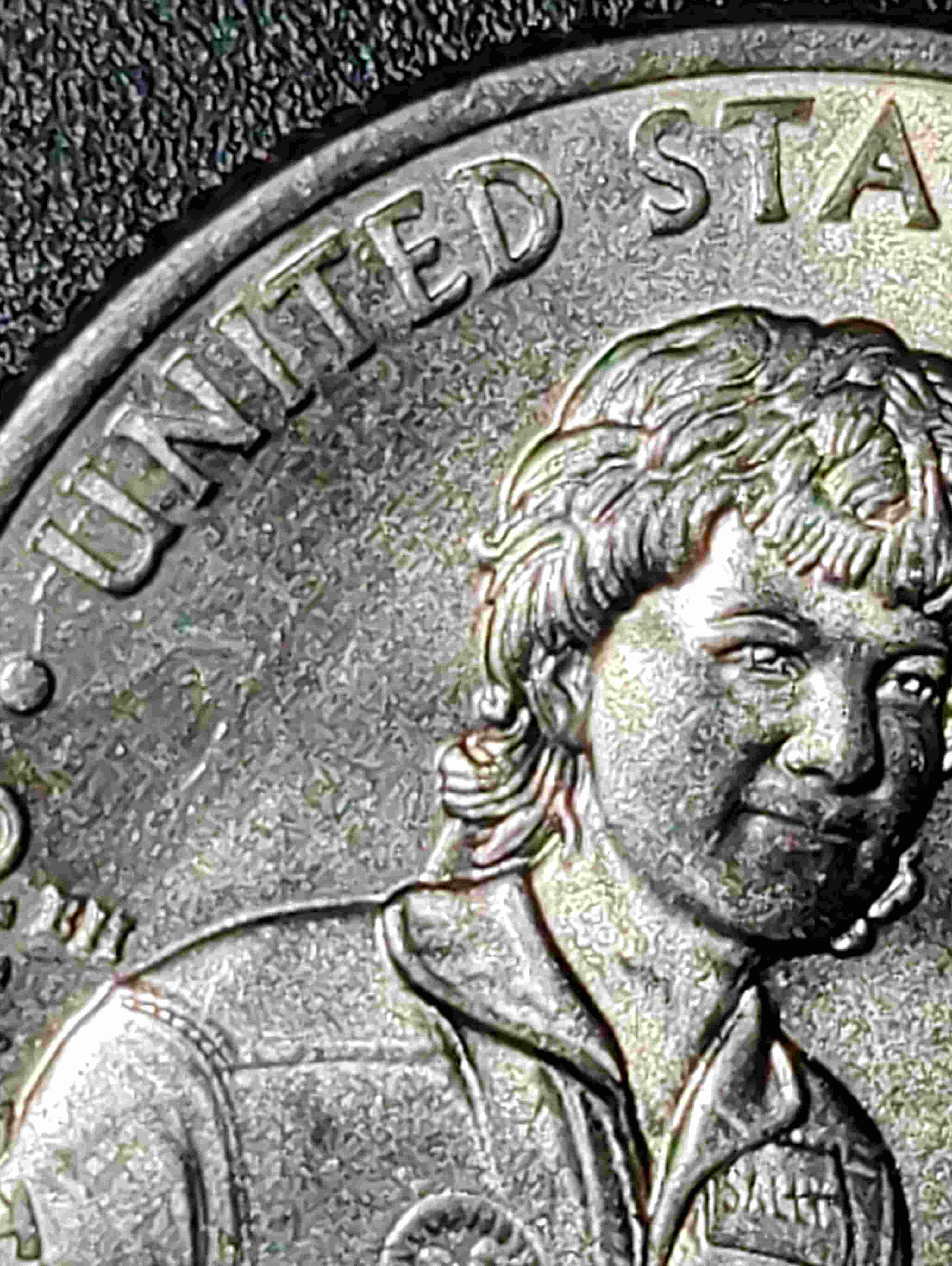
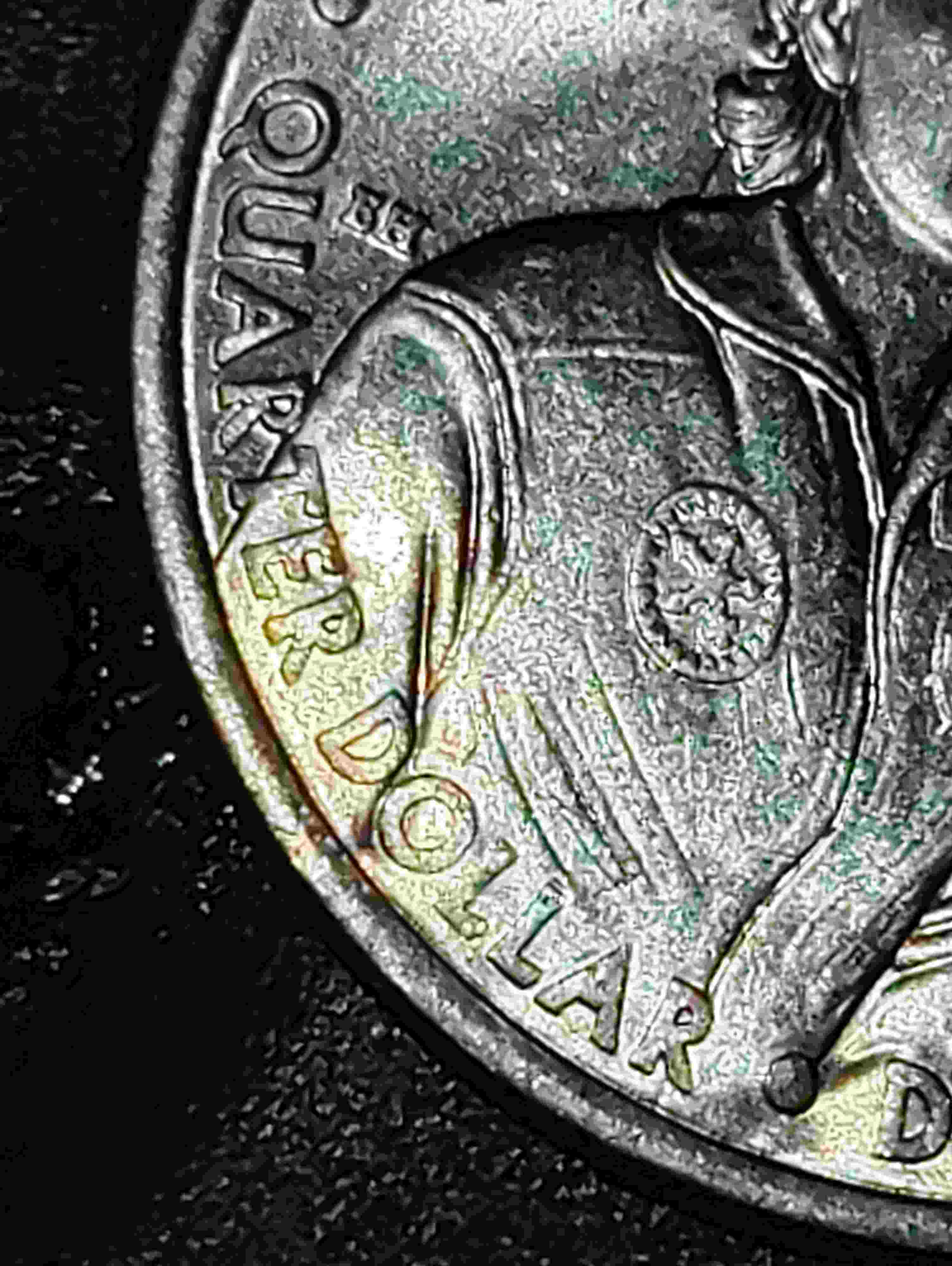
 All three pics appears to also show a diecrack going up from the left side of her collar but behind more behind her, the first pic shows all the doubling I think and the second pic shows what I think could be a dbl ear as well , what are y'all's thoughts on all this? Fourth pic shows another angle for the possible dbl ear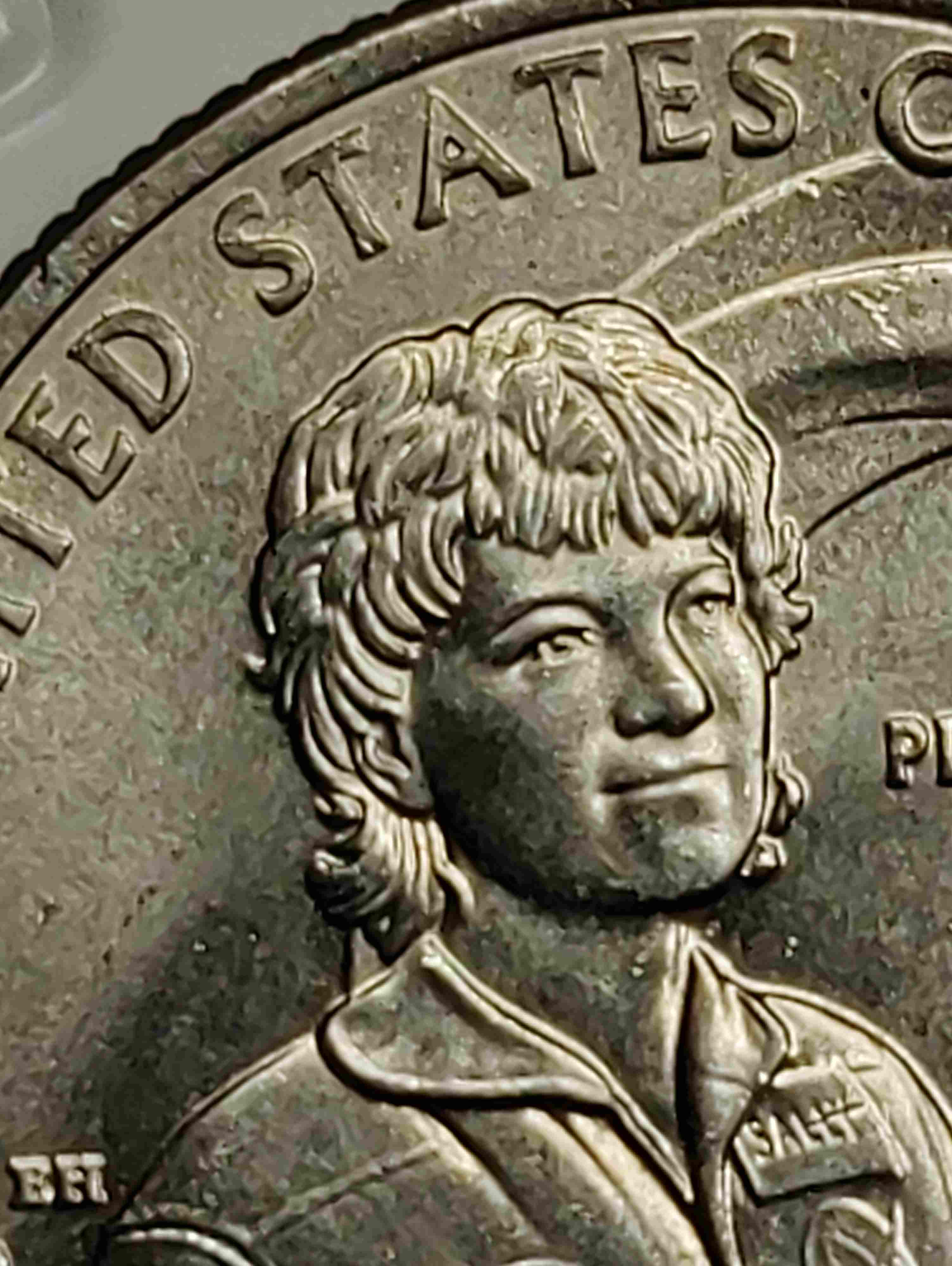


 Posted 08/28/2022 9:22 pm


Some help here:
1. If you want to catch a rainbow trout, you need to know what a rainbow trout is.
The same with coins.
Save Yourself time, effort, and disappointment...don't learn the coin hobby backwards.

Looking for random anomalies on coins and hoping they match up to something collectable will take you a lot more time, wasted effort, and disappointment repeatedly finding out you have nothing but post mint damage or useless Machine Doubling, Die Deterioration, etc.
Spend some initial time at places like error-ref.com, doubleddie.com, varietyvista.com, conecaonline.org, coppercoins.com etc. to find what actual and collectable coin errors look like.
A good way to start is, for instance, separate a bunch of pennies by date. Go to varietyvista.com and, date by date, use the reference there to see what errors are known for that specific coin/mint mark. Look for those specific errors/varieties using the pictures provided. After doing this for awhile you will KNOW what an actual error looks like and not have to waste time on face value and damaged coins.
2. The following graphic shows a trap that so many people don't know when starting in the hobby:

Small die cracks, die chips, details Struck Through Grease (minor missing letters/details etc.), will, over and over, bring you disappointment being told they are common and not of interest to the hobby.
Another couple of things to look up is Machine Doubling and Die Deterioration Doubling...very common...not collected mint errors.
1. If you want to catch a rainbow trout, you need to know what a rainbow trout is.
The same with coins.
Save Yourself time, effort, and disappointment...don't learn the coin hobby backwards.
Looking for random anomalies on coins and hoping they match up to something collectable will take you a lot more time, wasted effort, and disappointment repeatedly finding out you have nothing but post mint damage or useless Machine Doubling, Die Deterioration, etc.
Spend some initial time at places like error-ref.com, doubleddie.com, varietyvista.com, conecaonline.org, coppercoins.com etc. to find what actual and collectable coin errors look like.
A good way to start is, for instance, separate a bunch of pennies by date. Go to varietyvista.com and, date by date, use the reference there to see what errors are known for that specific coin/mint mark. Look for those specific errors/varieties using the pictures provided. After doing this for awhile you will KNOW what an actual error looks like and not have to waste time on face value and damaged coins.
2. The following graphic shows a trap that so many people don't know when starting in the hobby:
Small die cracks, die chips, details Struck Through Grease (minor missing letters/details etc.), will, over and over, bring you disappointment being told they are common and not of interest to the hobby.
Another couple of things to look up is Machine Doubling and Die Deterioration Doubling...very common...not collected mint errors.
How much squash could a Sasquatch squash if a Sasquatch would squash squash?
Download and read: Grading the graders
Costly TPG ineptitude and No FG Kennedy halves
https://ln5.sync.com/dl/7ca91bdd0/w...i3b-rbj9fir2
Download and read: Grading the graders
Costly TPG ineptitude and No FG Kennedy halves
https://ln5.sync.com/dl/7ca91bdd0/w...i3b-rbj9fir2
Edited by Earle42
08/28/2022 9:23 pm
08/28/2022 9:23 pm


