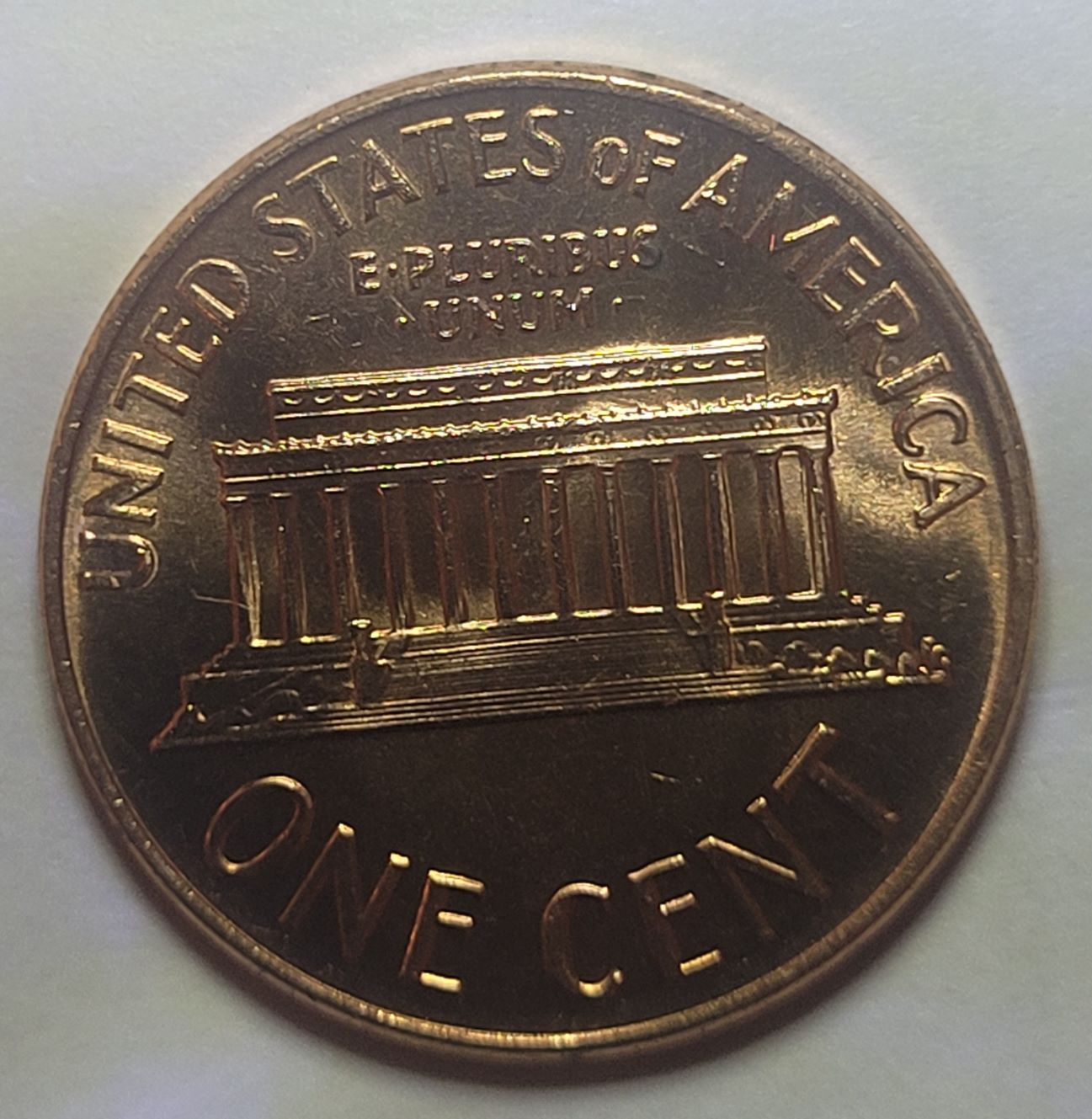
Also this is not a
DDD cent. The single squeeze dies didn't start for obverse until about 15 years later. Just
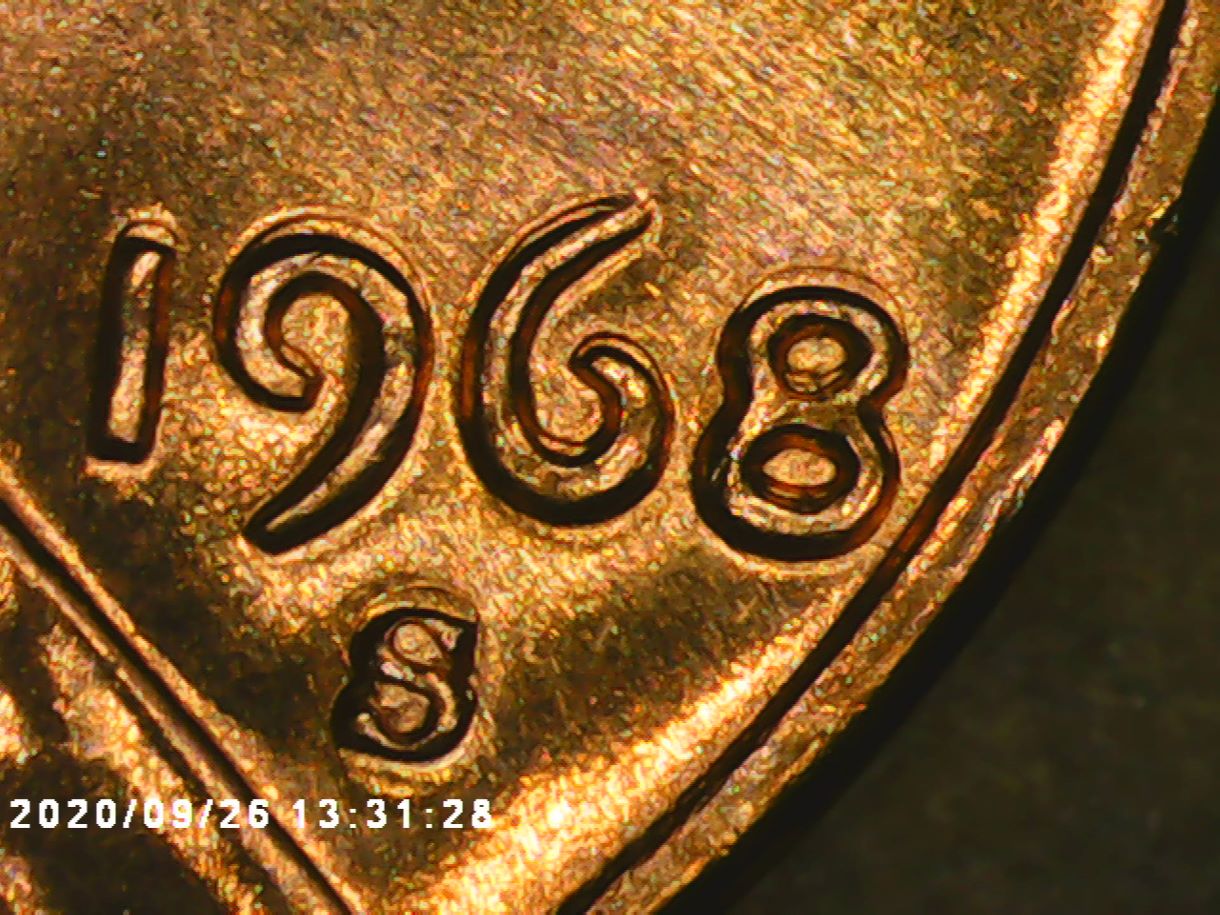
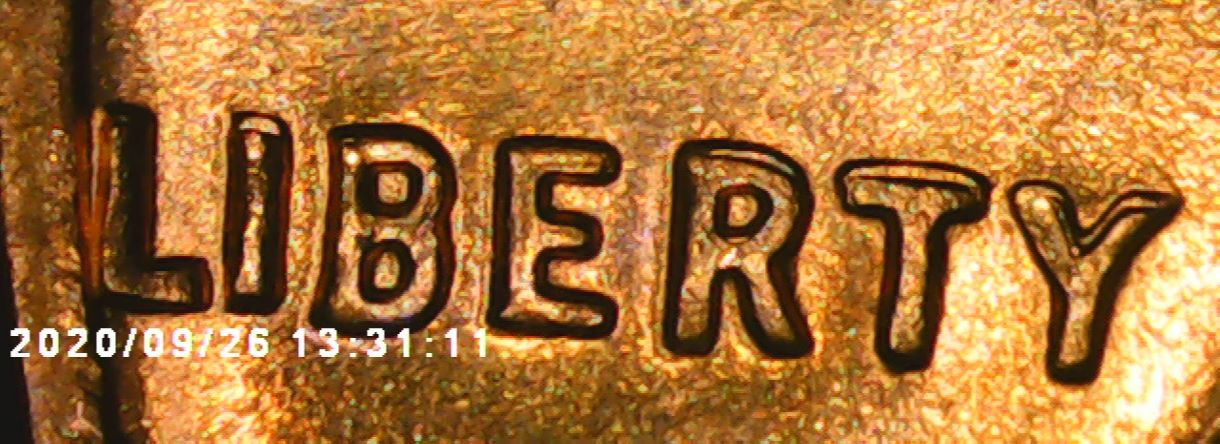
Machine Doubling which is common on the 1968-1972 cents. Not a doubled die. On a doubled die, the devices are enlarged on the centers of the devices, not on the inside/outside areas of the devices. That is where die wear and
Machine Doubling happens. Note on the
DDO's
_AAA.jpg)
Note the spread on the center of the '6'?
_AAB.jpg)
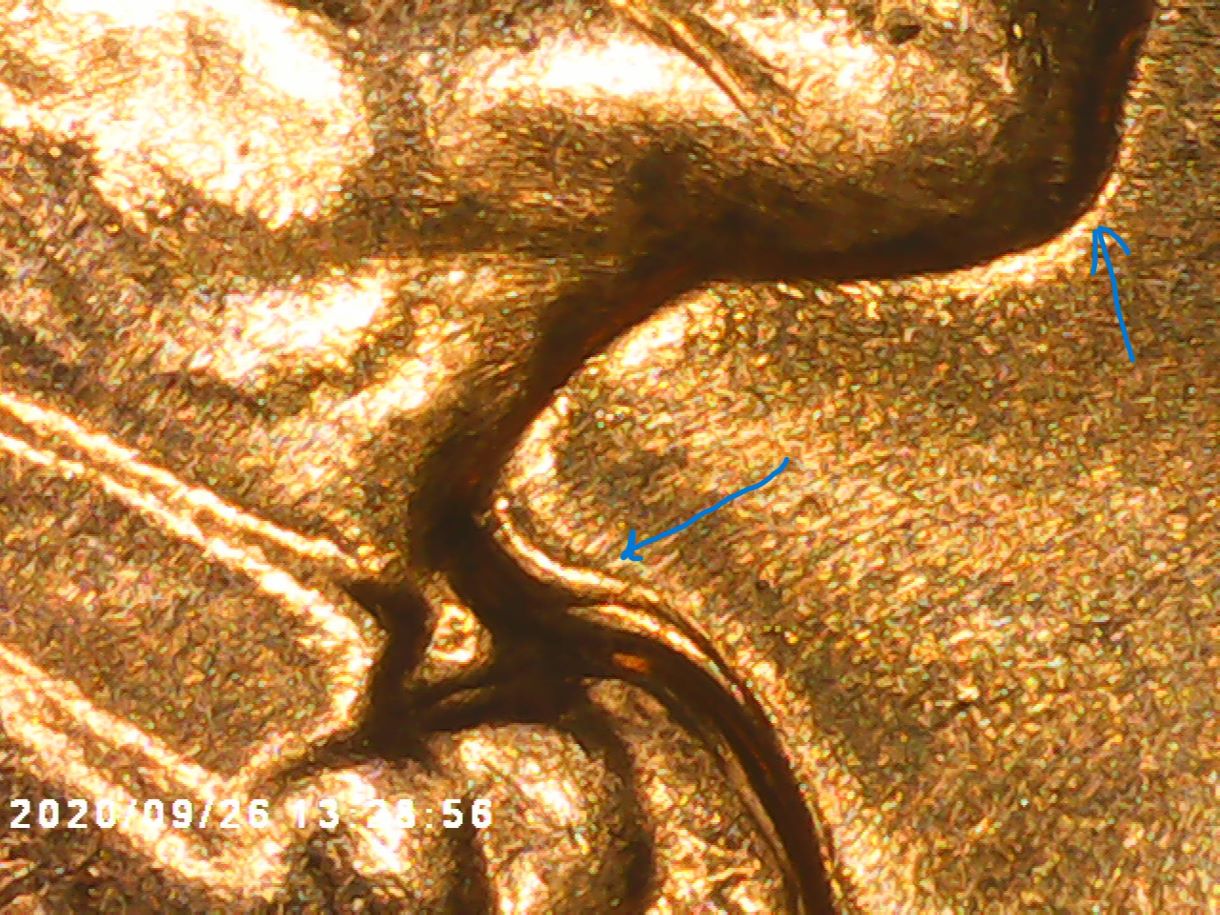
Note the extra width of the center areas on the devices will show notches on the corners of the devices, because of the extra width of the centers of the devices.
DDR's will also show the same event happening because of the hub doubling on the die:
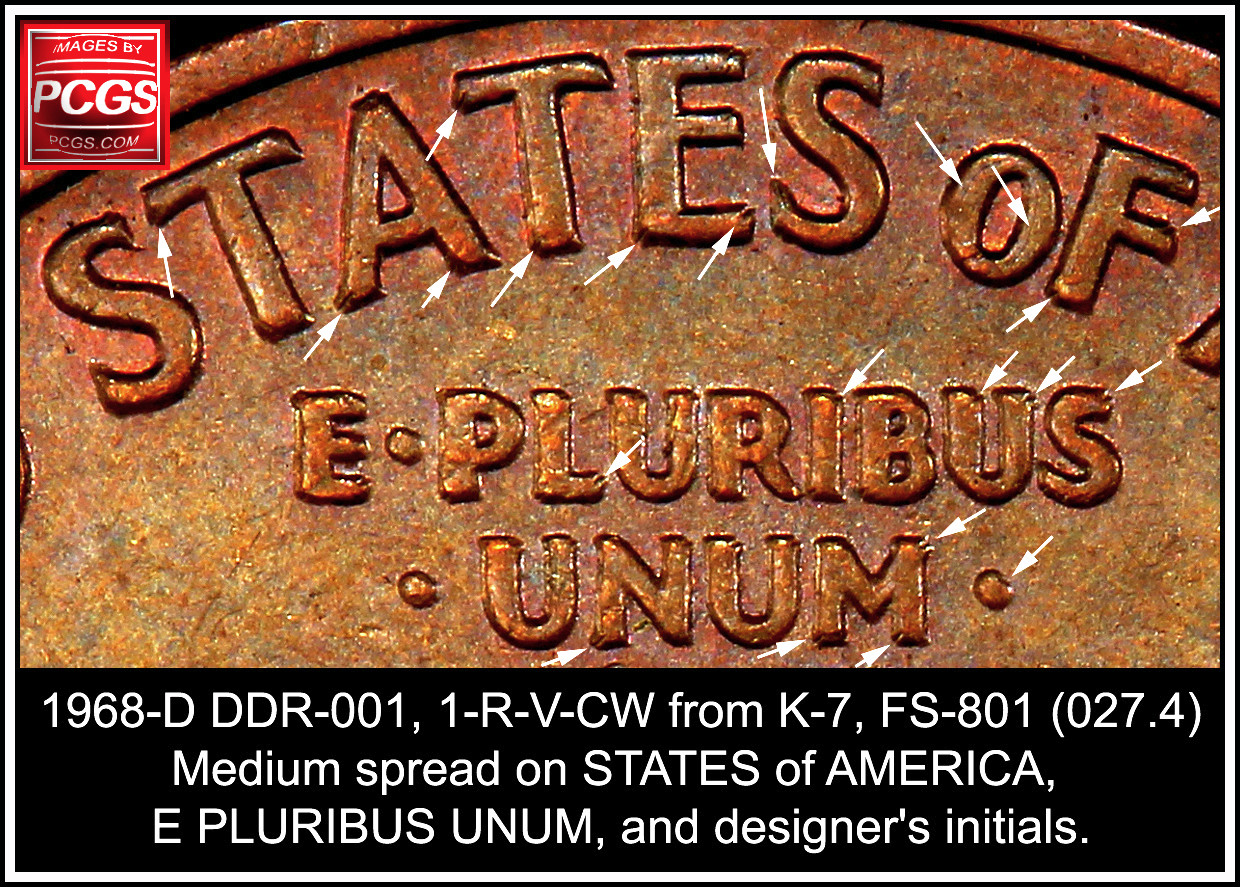
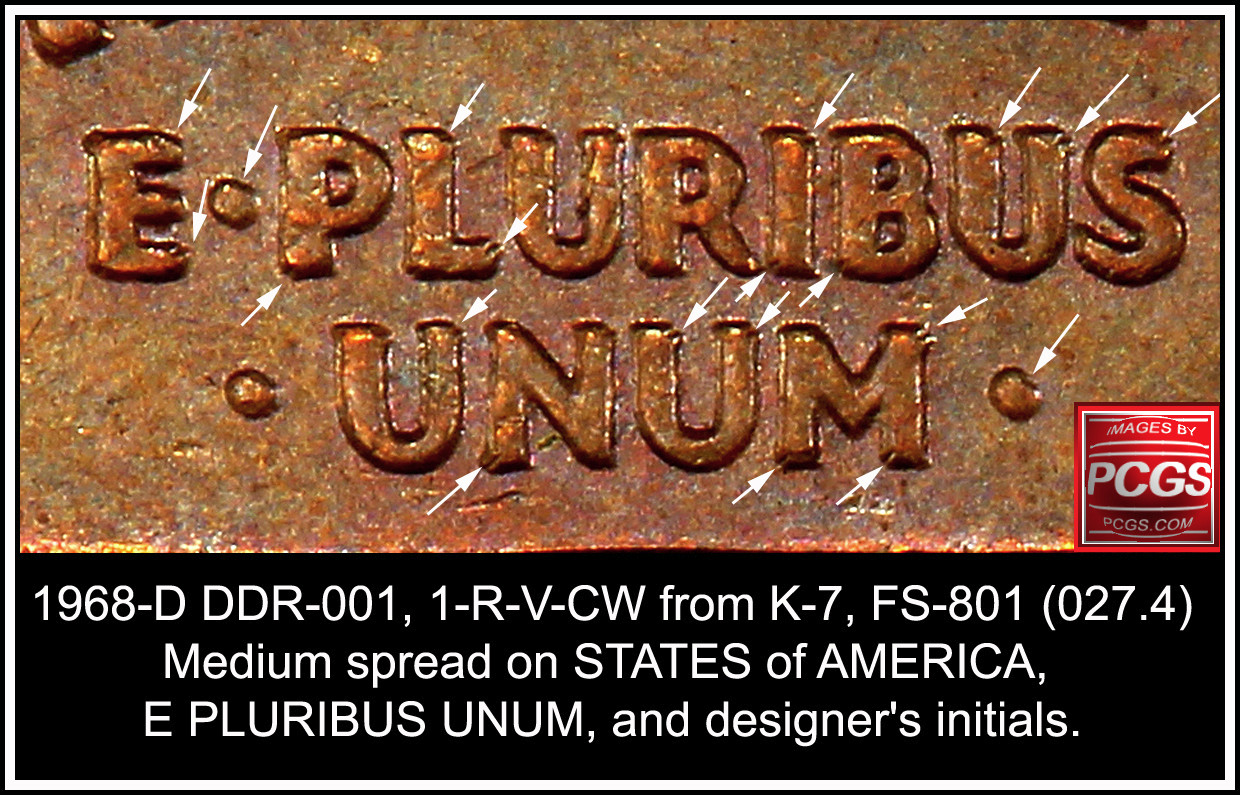
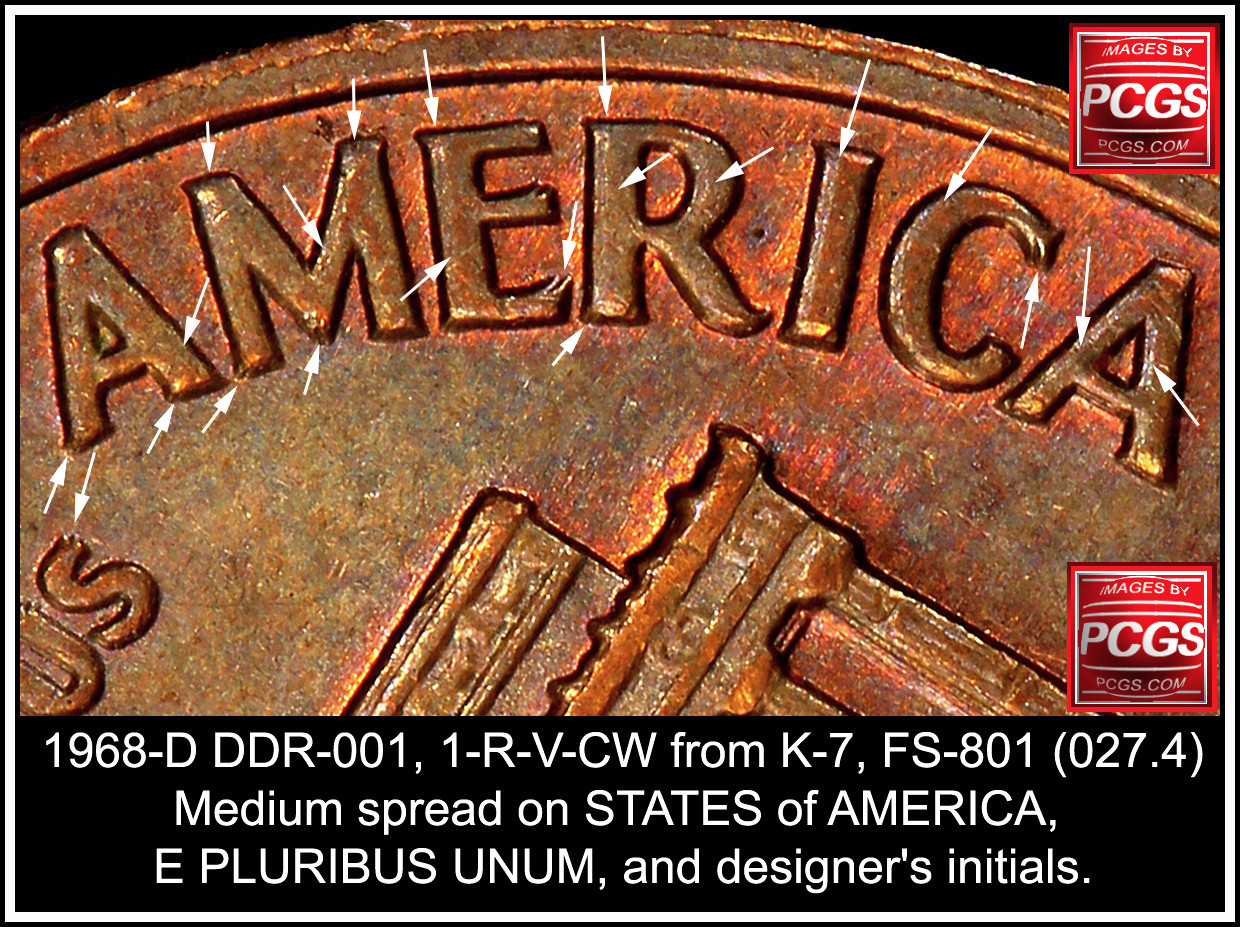
On the outside and inside edges of the devices, that is where you will find die wear and
Machine Doubling. So look at the centers of the devices for a doubled die. Also these Doubled die devices will be larger than normal die example devices.
Some devices are affected differently on
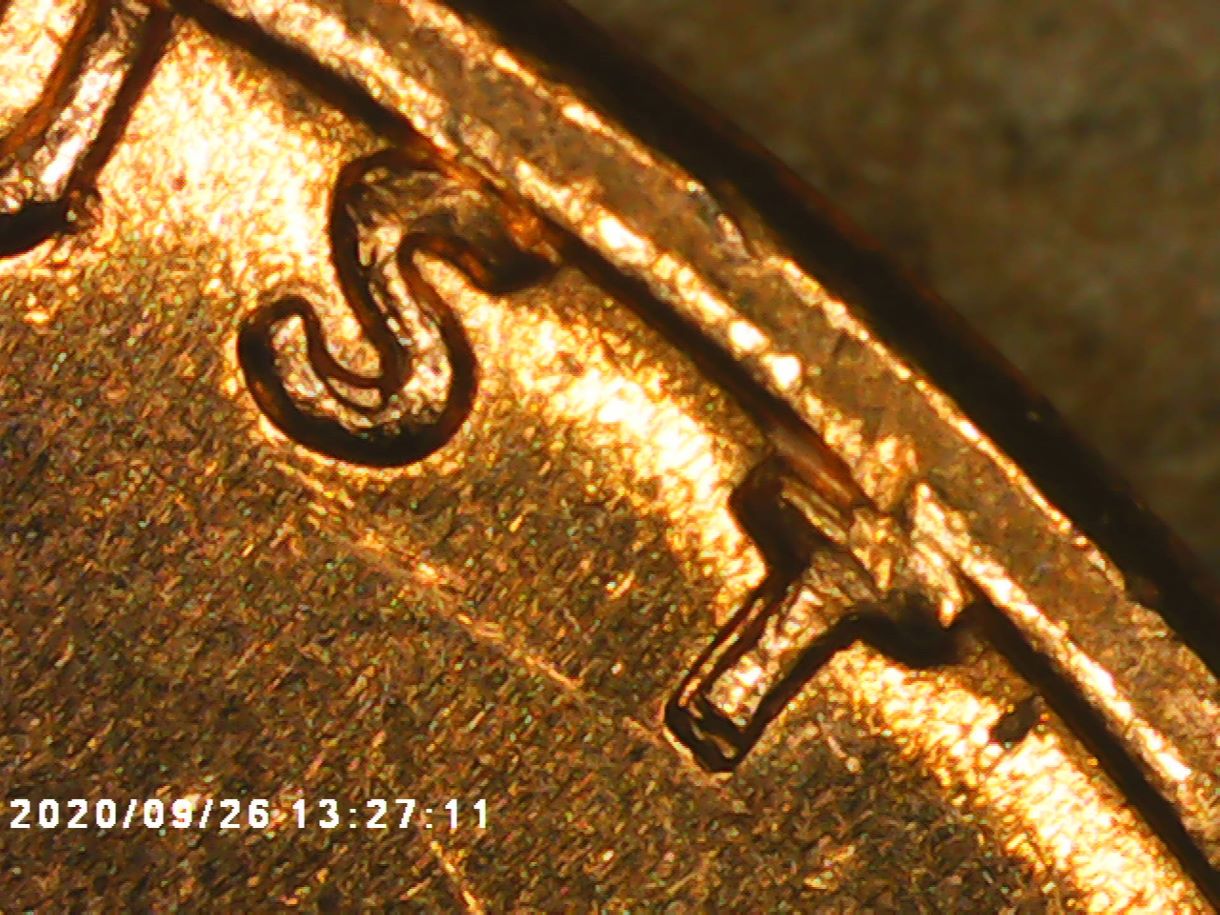
Machine Doubling when the machine bounces/hops after the strike and affect the tops of the devices:

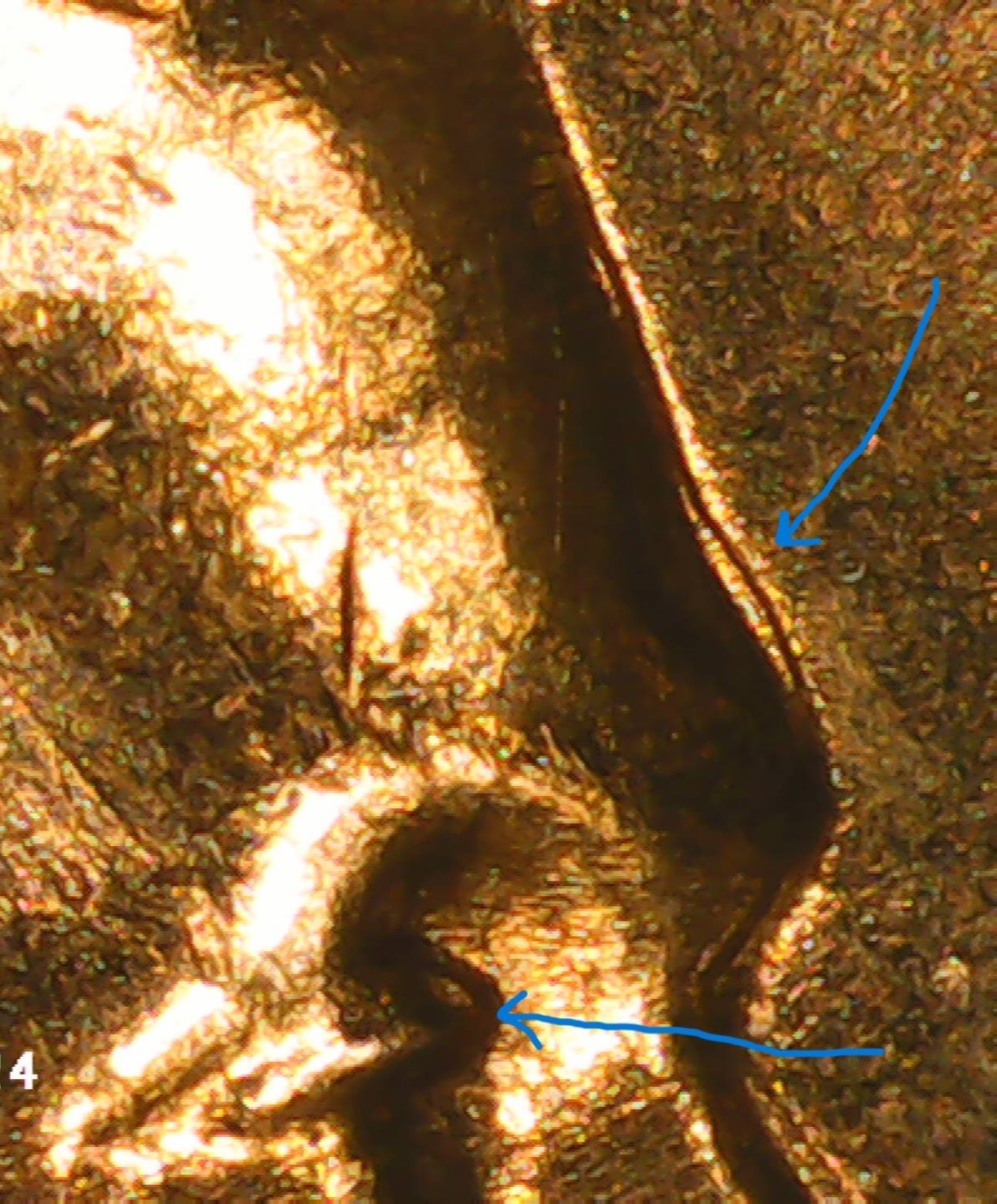
Note the movement of the metal on these coins? This is a striking issue, not a doubled die. Note the device are still all the same normal size, just pushed into a new direction on the struck areas.
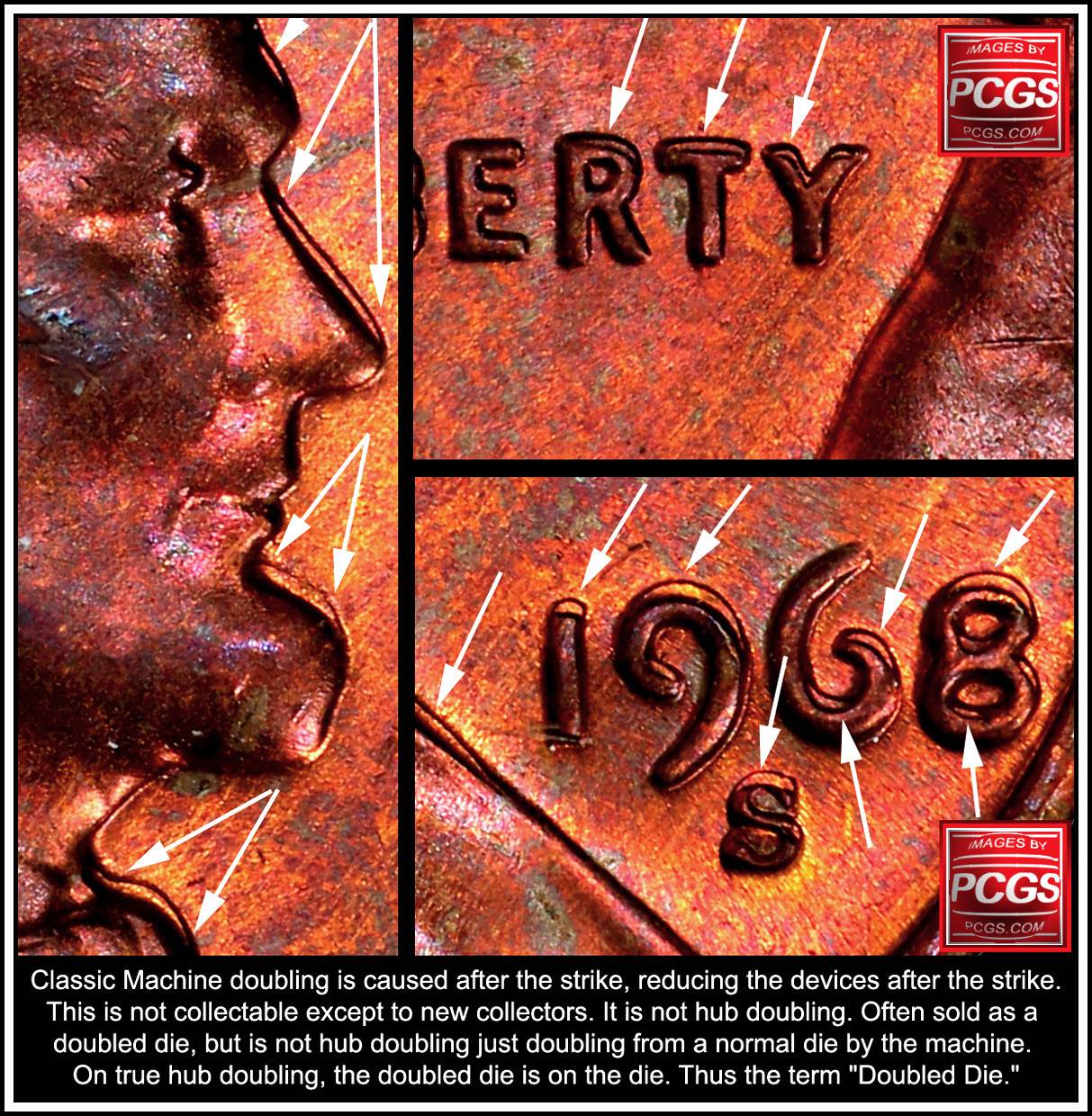
Just pushed metal on the outside edges of devices. The centers of the devices are not enlarged. In fact on the last images, the metal is shoved towards the middle and not it is taller than the normal design. But this is a striking issue, not a hub/die creation issue. It is a normal die with a loose machine driving the post strike alteration on the coin. A doubled die only comes from a die that has the doubling, on the die. (created by the machine) Not by the die.








 Posted 12/13/2022 5:08 pm





