|
Bedrock of the Community
United States
12013 Posts |
One of the more consequential monetary/economic/political events in the 19th Century - but largely forgotten. The "Crime of 1873"By the U.S. Mint's Office of Corporate Communications on March 22, 2017 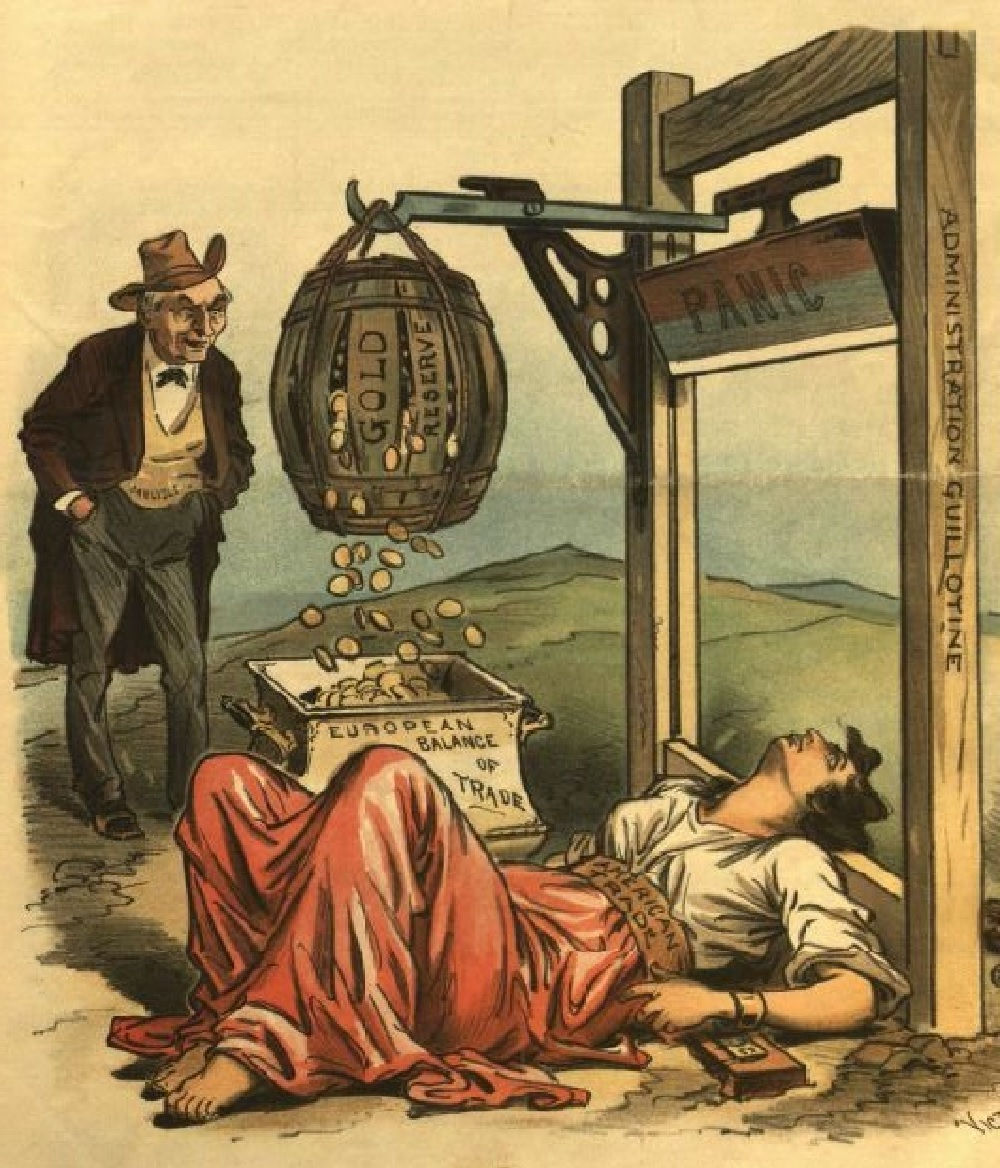 When President Ulysses S. Grant signed into law the Coinage Act of 1873 (also known as the Mint Act of 1873 or the Fourth Coinage Act), the ramifications of his action would not be noticed for several years. The passage of this act, though, ended up being so notorious that many would later call it the "Crime of 1873." When President Ulysses S. Grant signed into law the Coinage Act of 1873 (also known as the Mint Act of 1873 or the Fourth Coinage Act), the ramifications of his action would not be noticed for several years. The passage of this act, though, ended up being so notorious that many would later call it the "Crime of 1873."While the main focus of the bill was to revise several laws pertaining to the Mint's structure and procedures, the Coinage Act of 1873 also recommended moving the United States off of bimetallism in favor of the gold standard. In 1867, foreign counterparts in Paris had discussed turning away from silver toward a gold standard based on the weight of 25 francs. The move would help standardize currency across international borders, hence the relevancy to the bill. Originally submitted in April of 1870, the Senate-passed bill died in the hands of the 41st Congress and was resurrected with the 42nd Congress at the end of 1871. In 1872, there was much debate on the floor over the bill changing the production of the bronze cent to nickel alloy. The Mint did not competitively bid for its nickel, thus creating a monopoly, which proved to be a sore-spot for some congressional members and further delayed the passage of the bill. Despite the numerous arguments over the nickel issue along with other discussions about coin design changes, commission fees, and the addition of a Trade dollar, surprisingly few words were spoken on the floor about the demonetization of silver. Perhaps it was a non-issue? Or was someone trying to sneak it through? Maybe the issue was forgotten about entirely? In a hurry to get the three-year old bill off of the floor, it was sent to President Grant, who signed the bill in 1873 without hesitation. Since 1853, silver bullion could be taken to the Mint and be coined into the standard silver dollar. Just like its gold counterpart, silver had unlimited legal tender. In other words, the value of the coin that could be minted from silver bullion was unlimited. Since the country was on bimetallism, the same principal held true for gold. The only noticeable difference (prior to 1873) was that silver coins had become quite rare—Greenbacks and National Bank notes were much more common and obtainable, especially to the working class.When silver was priced high, the mint saw less action in terms of coinage (the silver was being hoarded because it was seen as valuable). When silver was abundant (supply was high), its value fell (demand was low). This endangered gold, as a person could use silver to buy gold, then sell that gold (most likely abroad) and use the profits from the gold sale to buy an even greater amount of silver (back in the United States). The gold then became hoarded as a result. Unbeknownst to many, the coinage policy had changed with the signing of the 1873 act. Once the bill passed, it was not until the miners took their silver bullion to be minted and were turned away that the public was truly aware of the power and the ramifications of the new bill. Silver had been demonetized.
The inability to "cash in" silver bullion had the greatest impact upon miners, farmers and those who had debts to pay. The working class now had no feasible means to do so. Greenbacks could be redeemed for silver, but with the passage of the Specie Payment Resumption Act of 1875, the legal tender limit could not be greater than five dollars. The Act caused silver prices to fall even more than they previously had (due to oversupply), resulting in an increase in gold prices. It also caused the silver mining western part of the country to be at odds with the gold counting eastern part. The country was divided yet again.As a way to appease miners in the West and other silver supporters, the Bland-Allison Act of 1878 ordered the Treasury to buy $2 million to $4 million in silver from the miners each month. The bill was also a way by some congressmen to return the United States to bimetallism. Twelve years later, the Sherman Silver Purchase Act followed, with similar intent, requiring the United States government to buy an additional 4.5 million ounces of silver bullion every month. However, the government could do so with gold notes, which was driving silver out of circulation.Ultimately, this resulted in the Mint stopping silver production, and financial institutions dissuading customers from using silver dollars. The Sherman Silver Purchase Act was eventually repealed as it undermined the gold reserves. The attempts to return to bimetallism actually demonstrated the instability of silver and eventually led to the establishment of the gold standard in the United States during the 20th Century.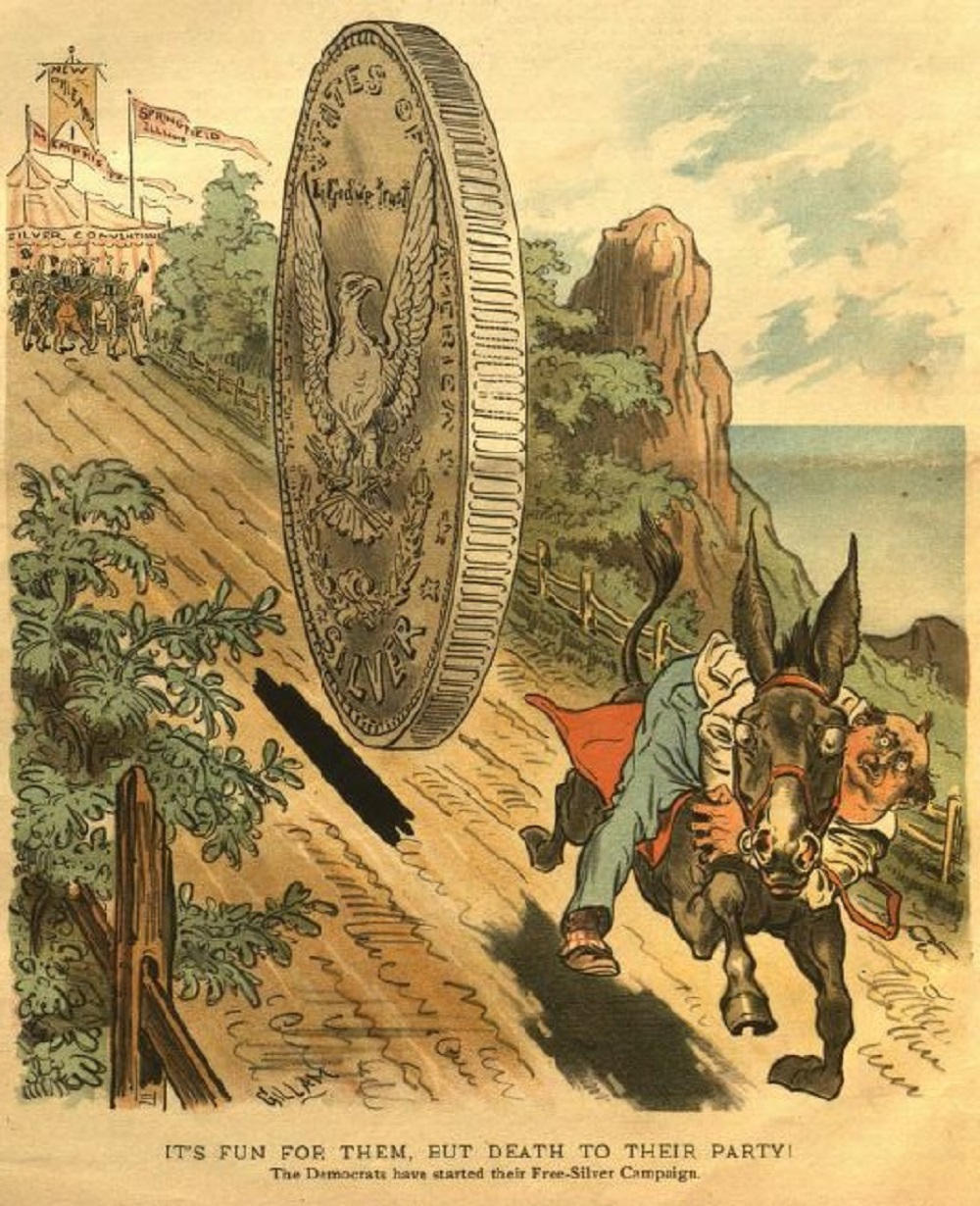 IN NECESSARIIS UNITAS - IN DUBIIS LIBERTAS - IN OMNIBUS CARITAS THE MAN IN THE ARENA, Theodore Roosevelt at the Sorbonne Paris on April 23, 1910: " It is not the critic who counts; not the man who points out how the strong man stumbles or where the doer of deeds could have done better. The credit belongs to the man who is actually in the arena, whose face is marred by dust and sweat and blood, who strives valiantly, who errs and comes up short again and again, because there is no effort without error or shortcoming, but who knows the great enthusiasms, the great devotions, who spends himself in a worthy cause; who, at the best, knows, in the end, the triumph of high achievement, and who, at the worst, if he fails, at least he fails while daring greatly, so that his place shall never be with those cold and timid souls who knew neither victory nor defeat." My coin website: https://fairfaxcoins.com |







 Posted 12/26/2022 6:21 pm


