First Page





 Posted 01/07/2023 6:41 pm


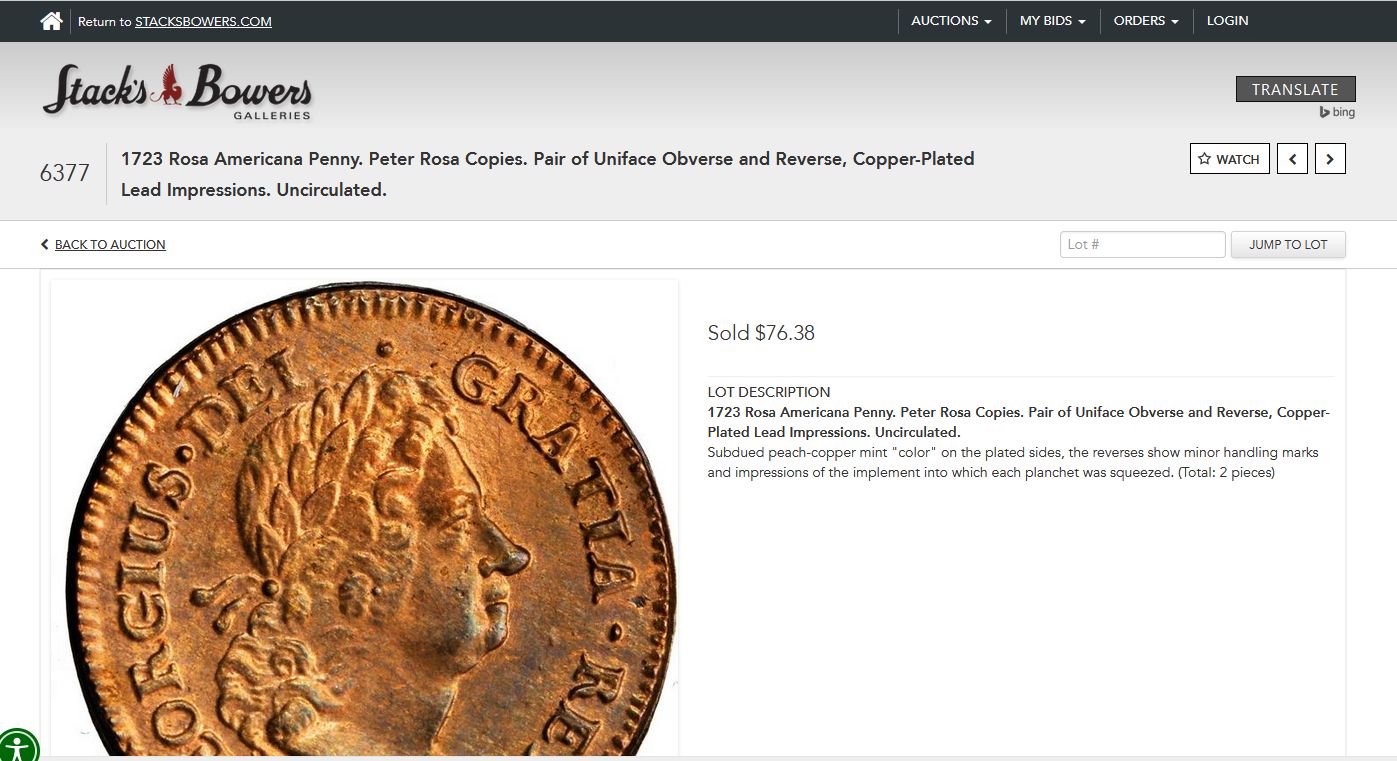
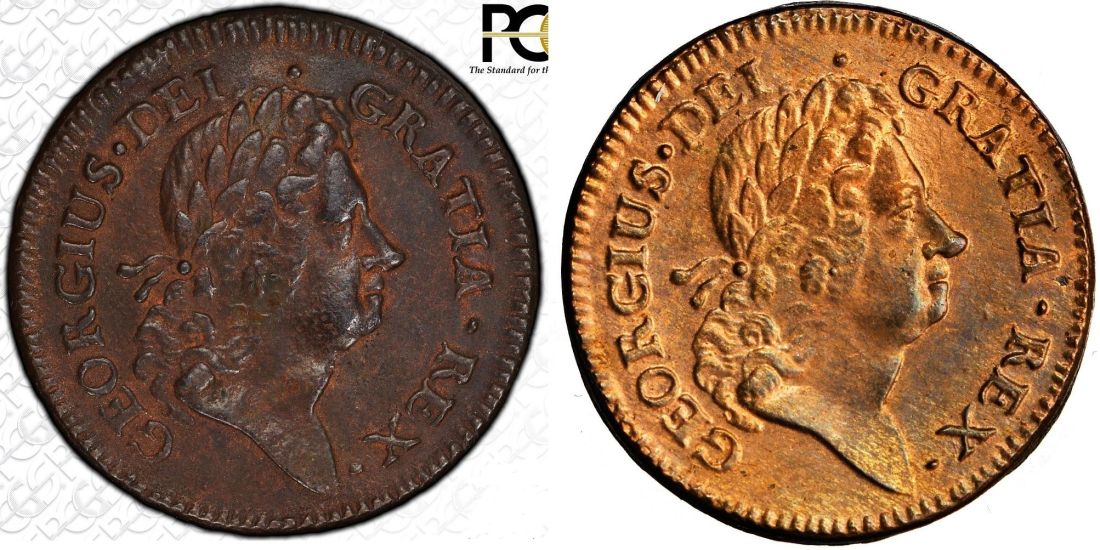
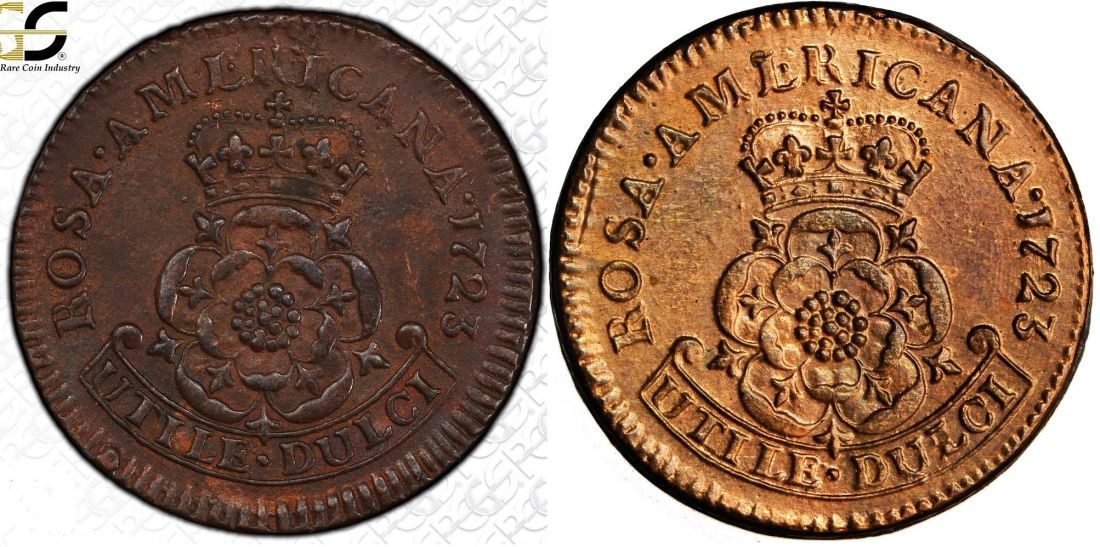
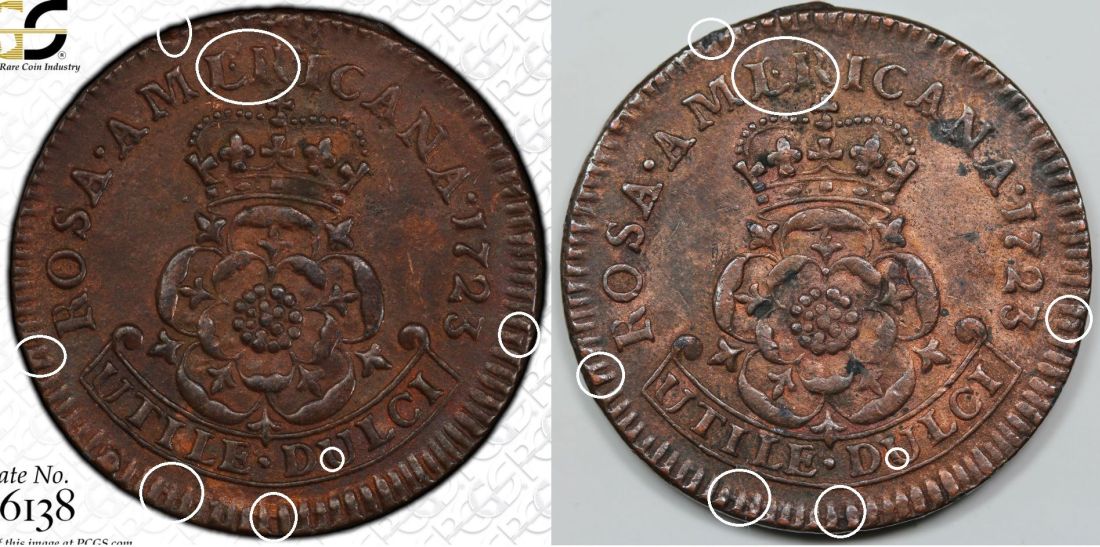
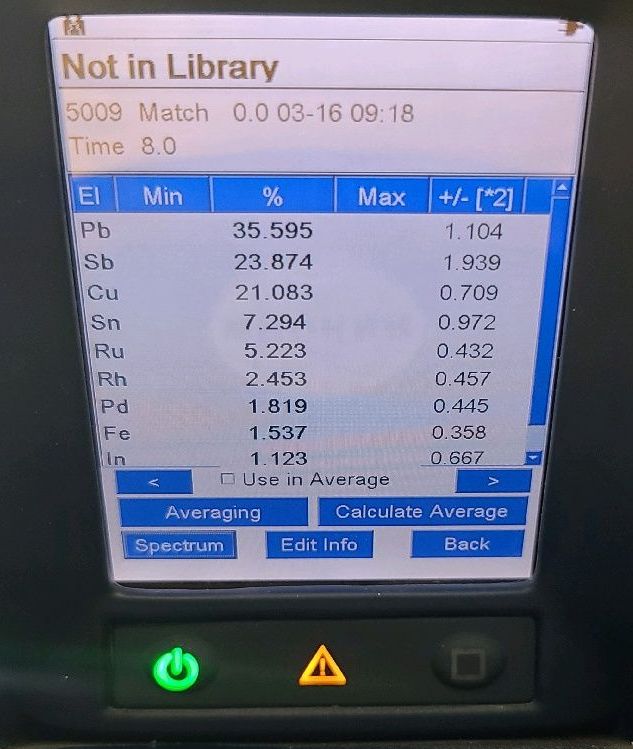
You must be Jack Young of the Dark Corner site. As there is a web link to this very same discussion on your analysis here with identical photos. In 2008 I had a standout Type Collection of Rosa Americana's sold at the Americana Sale in 2008 by SB so I know the series and that's my reference point of knowledge. It seems you already found your answer with the broken ER motifs being similar to the same die used by Peter Rosa so this is just further exploratory work on your part. Since PCGS does not have a strict WEIGHT STANDARD on these Rosa's and assuming your correct about Peter Rosa's alloy which is actually so-called white metal (an alloy usually containing Sb alloyed with Sn, Cu and/or Pb) then Cu plated) and since this should? vary from the typical bath metal in weight? Probably - but what is the correct weight standard? ... so a well made Peter Rosa copy could fool PCGS or NGC for that matter. XRF if a strong enough beam intensity is introduced that could go deeper into the surface rather than the typical 5-10 microns could pick up these unwanted elements of white metal you would have your answer. In retrospect you may have a possible Peter Rosa copy in a PCGS slab. The real story here IMO is that all the Pre-Patent Issues were not American Issued for U.S. Colonies IMO. There is NO EVIDENCE AT ALL THAT THESE ISSUED WERE MADE FOR THE COLONIES CONSIDERING THEIR FULL HANOVERIAN LEGENDS!!! There is no mention in the Newton papers these were issued for the Colonies and probably at this time in 1717 Wood was just illustrating his die making skills using this new alloy called bath metal to IMPRESS UPON The Royal Mint his die making skills. PERIOD! But since American U.S. Coin catalogers since the early 20thC were cataloging these as U.S. Colonials since the Yanks loved them and the Brits could care less about them and since the same alloy was eventually used in the regular series it STUCK as U.S. Colonials! IMO.
Your up DARK CORNER .... John Lorenzo, Numismatist, United States.
P.S. That is unusual and interesting that a XRF can be taken thru TPG plastic as it was my experience the plastic constituents dilute or spoil the metal alloy results? Perhaps it can be done today I last attempted that on a typical benchtop XRF 10 years ago - so it does confirm the white metal alloy. CASE CLOSED.
Your up DARK CORNER .... John Lorenzo, Numismatist, United States.
P.S. That is unusual and interesting that a XRF can be taken thru TPG plastic as it was my experience the plastic constituents dilute or spoil the metal alloy results? Perhaps it can be done today I last attempted that on a typical benchtop XRF 10 years ago - so it does confirm the white metal alloy. CASE CLOSED.
Edited by colonialjohn
01/07/2023 6:50 pm
01/07/2023 6:50 pm